
 Worksheets
Amplify Plate Motion
Total questions: 68
Worksheet time: 38mins
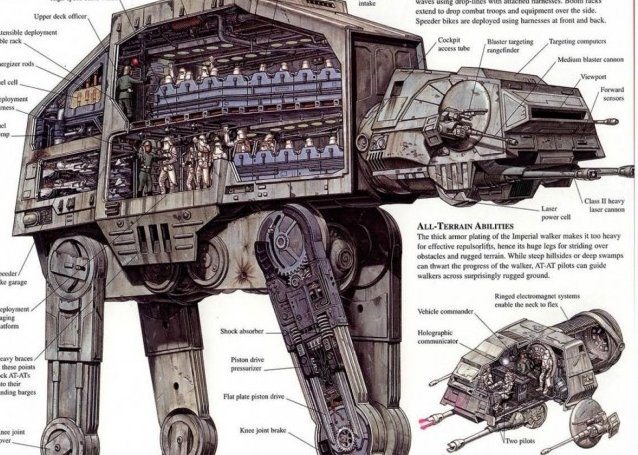
Cross Section
A diagram that shows what the inside of something looks like.
A diagonal portion of a larger object.
When two line are drawn over each other at a 900 angle.
A piece of a pizza.
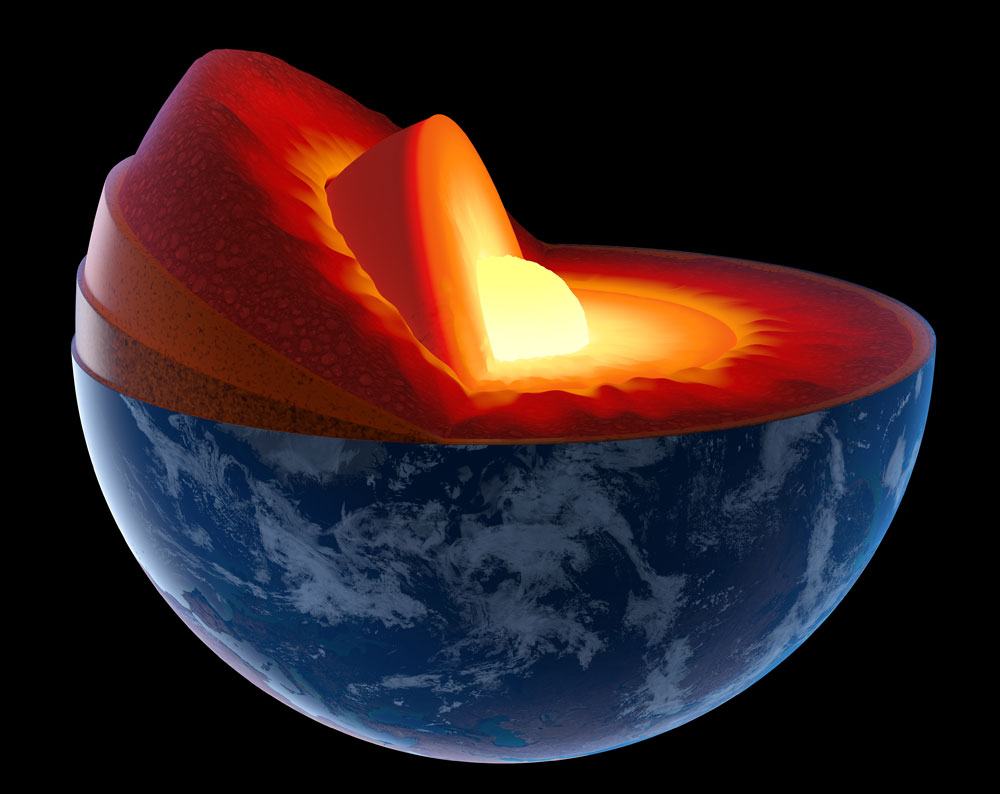
Outer Layer
Crust
Mantle
Outer Core
Inner Core
Plate Boundary
The place where two plates meet; most volcanoes and earthquakes occur here.
The location where the food falls onto the table.
Where one country ends and another begins.
The edge of your patella.
Tectonic Plate
One of the very large sections of hard rock that make up Earth's outer layer.
A new song release from "P-late."
An object that is used for serving food on.
Round, smooth portions of the Mantle.
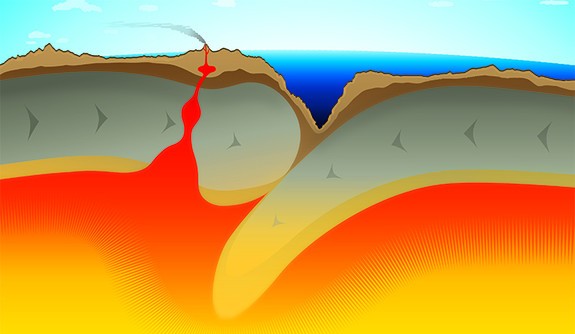
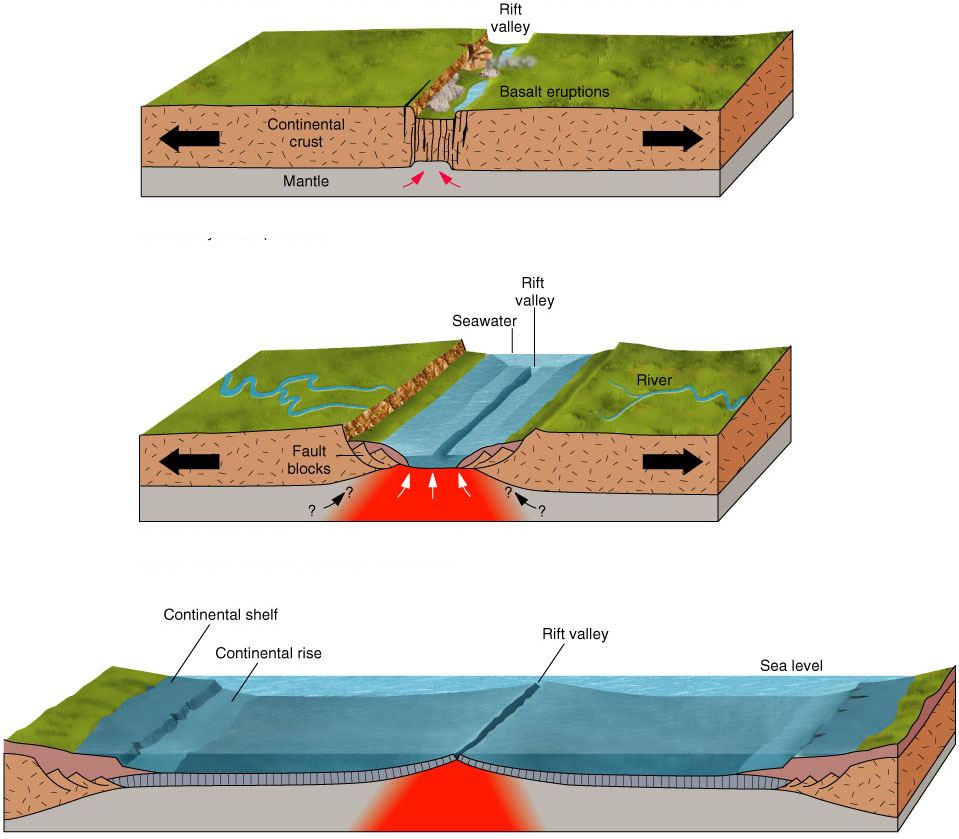
Convergent?
Divergent?
Transform?
Classic
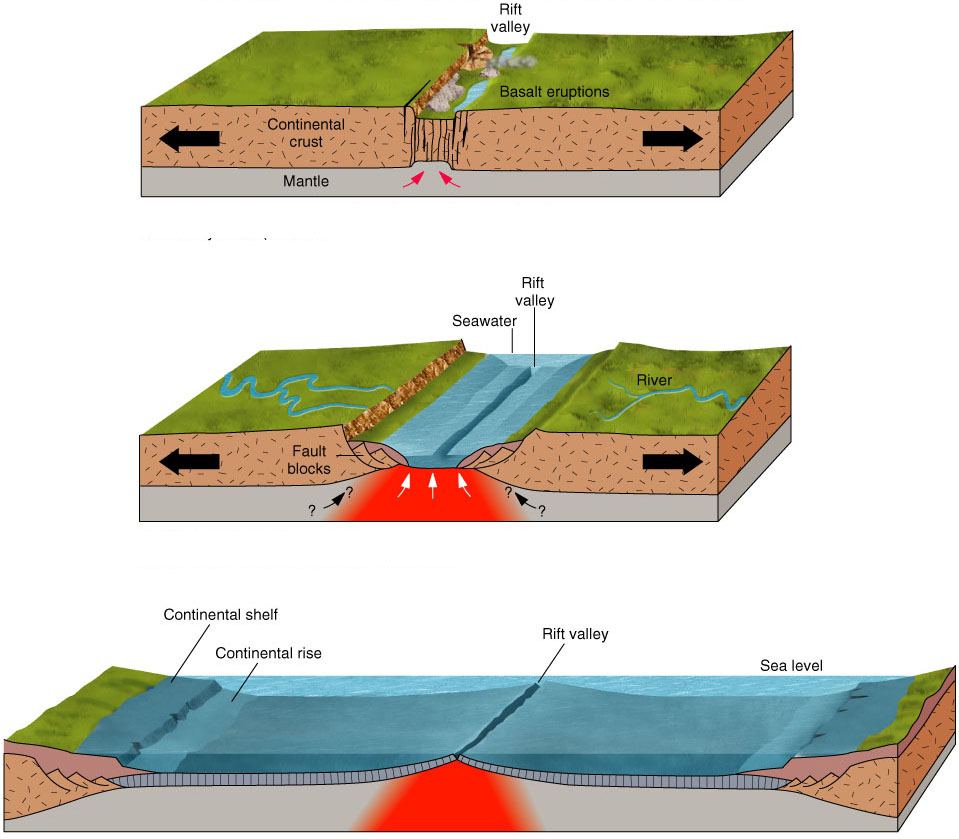
Divergent?
Convergent?
Transform?
Classic?
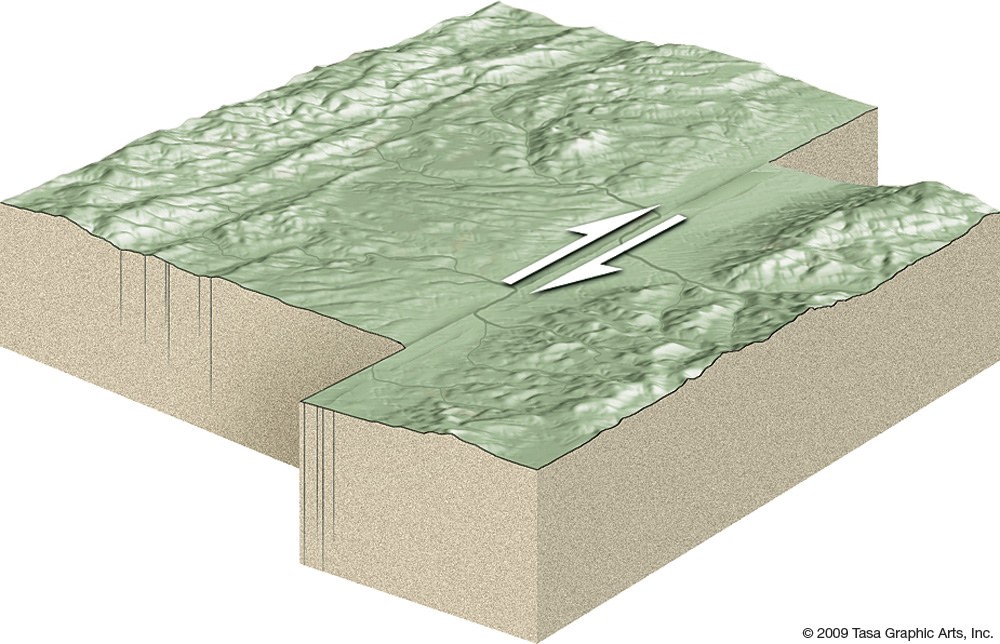
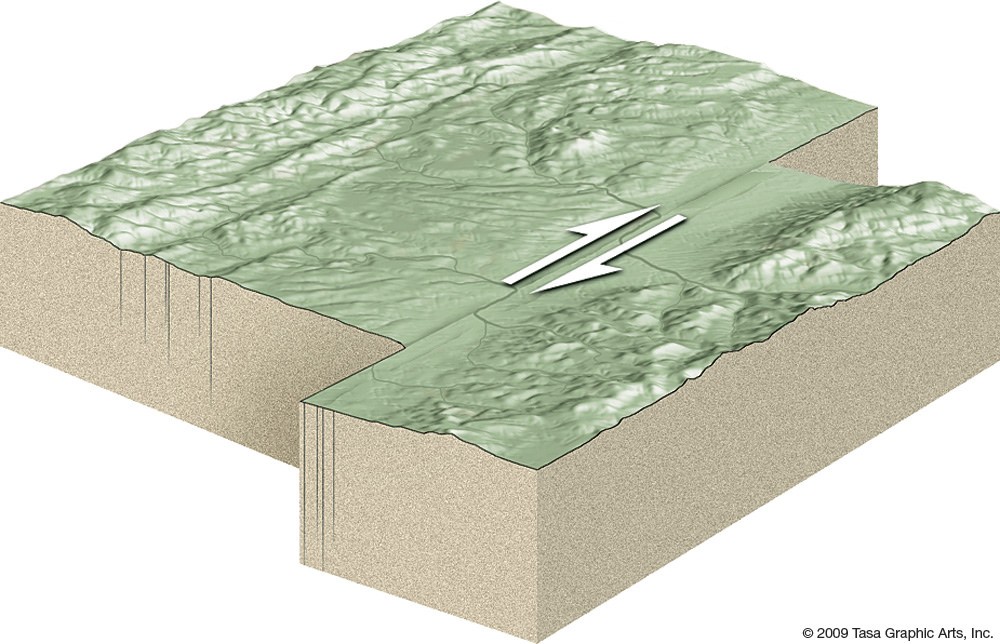
Transform?
Divergent?
Convergent?
Classic?
Mid-Ocean Ridge?
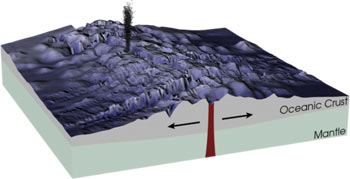
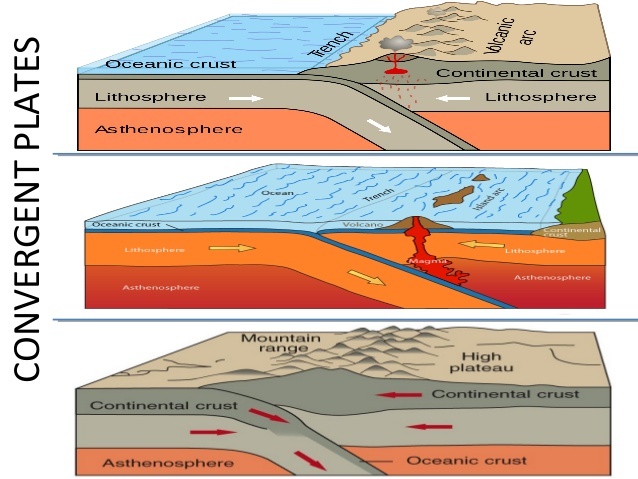
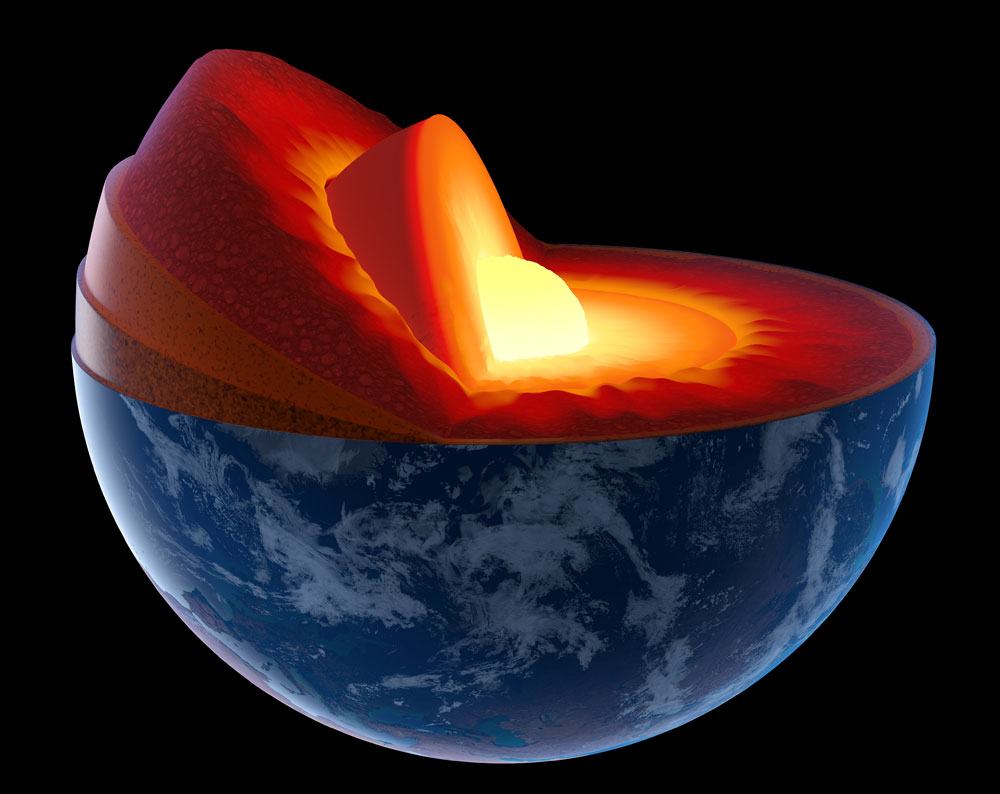
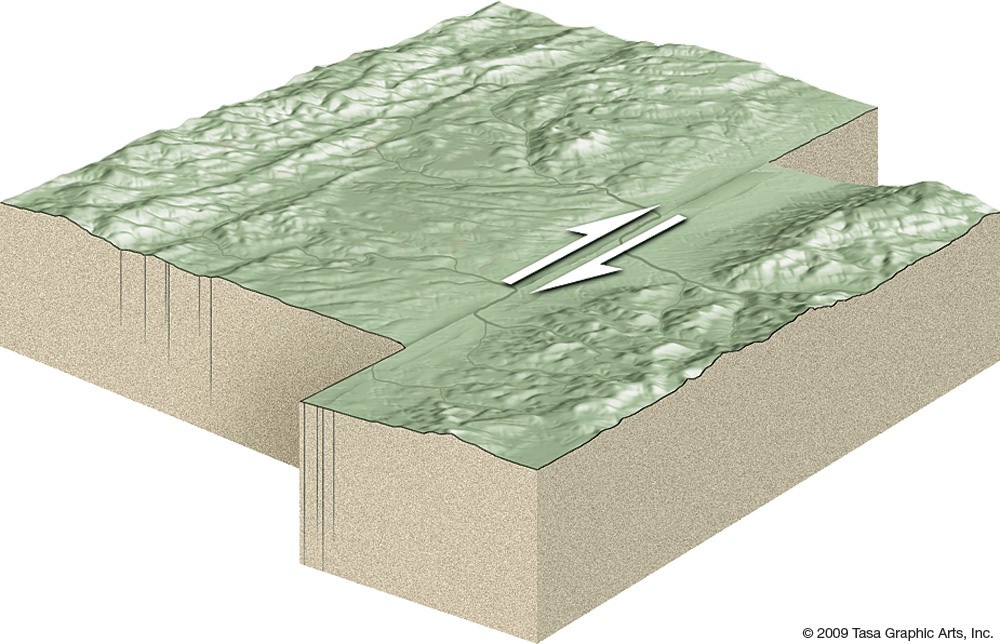
Continental volcanoes are created by...
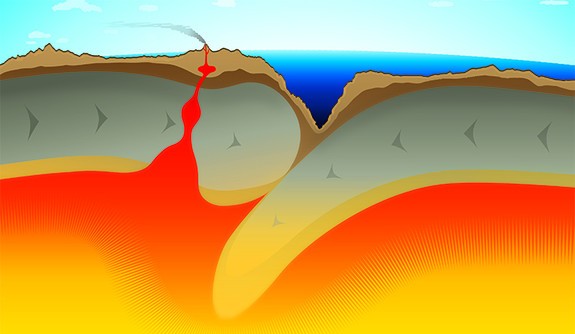
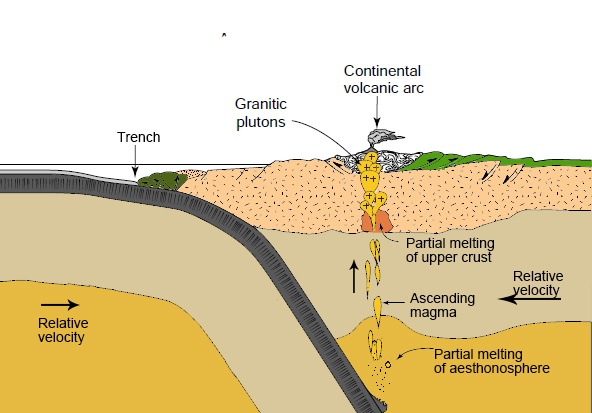
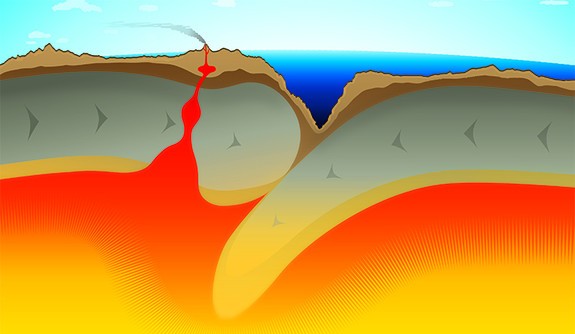
At which boundary do you find a trench?
Transform
Divergent
Convergent
Strike-Slip
Pangaea is a theory where all continents began as
one big country
one big continent

South America and Africa look to fit together like a puzzle
does not support the theory of Pangaea
does support the theory of Pangaea

Fossils can also give evidence for a Pangaea theory
True
False
Pangaea is the name of an
original fossil
original continent
When a fossil of an animal is found on almost all continents, then it supports
the idea of a traveling animal
the idea of a connected original continent
the idea of a flying animal
Plate tectonics is the theory that one continent separated
on different tectonics
on different oceans
on different plates

A plate tectonic is a
slab of rock
slab of lava
slob

Which statement best describes what Earth’s outer layer is like underneath the surface in the image?
Underneath both the soil and the ocean, Earth’s outer layer is made of sand and water.
Underneath both the soil and the ocean, Earth’s outer layer is made of hard, solid rock.
Underneath the soil, Earth’s outer layer is made of hard, solid rock. Underneath the ocean, Earth’s outer layer is made of sand.
Underneath the soil, Earth’s outer layer is made of water.

Dr. Raisa and her team of geologists have been studying GPS data that shows that two plates moved apart. Which diagram shows what happened between the two plates as they moved away from each other?
Diagram A: A new plate from underneath filled in the gap that was created by the plates moving apart.
Diagram B: Sand and dirt filled in the gap that was created by the plates moving apart.
Diagram C: Ocean water filled in the gap that was created by the plates moving apart.
Diagram D: Soft, solid rock from underneath the plates rose and hardened, adding solid rock to the edges of both plates.

Fossil remains of Lystrosaurus (an extinct four-legged animal) have been discovered in India and South Africa. When they were living, all the Lystrosaurus lived together on land, and they could not swim. However, now there is an ocean between the Lystrosaurus fossils. What could explain how these fossils got so far apart?
India and South Africa are parts of different plates. The plates slowly moved far apart as soft, solid rock from underneath got added to the edges of the plates over millions of years.
India and South Africa are parts of different plates. The plates floated away from each other across the ocean.
India and South Africa are parts of different plates. The plates slowly moved apart as new plates from underneath got added between them over millions of years.
India and South Africa are parts of different plates. The plates were sometimes pushed far apart by earthquakes, and soft, solid rock from underneath got added to the edges of the plates.

Scientists often study cross sections to better understand what the inside of something looks like. If we took a cross section of a potted plant by cutting it vertically, what would the cross section look like?
Diagram A
Diagram B
Diagram C
Diagram D

A team of geologists wants to study hard, solid rock under the surface of Earth. The team is considering drilling down in Saudi Arabia (1) or in the Arabian Sea (2). Where will the geologists find hard, solid rock?
neither under 1 nor 2, because there is sand and gravel under both places
neither under 1 nor 2, because there is water under both places
under 1 and 2, because Earth’s entire outer layer is made of hard, solid rock
only under 1, because Earth’s outer layer is made of hard, solid rock under continents but not under the ocean

Dr. Patel and her team have been using GPS to track two plates that are moving toward each other. Which diagram shows what is happening at the place where the plates are moving toward each other?
Diagram A: Two plates are hitting each other, and the plates are breaking into pieces, creating sand.
Diagram B: Two plates are pushing against each other, causing the edges to bend upward.
Diagram C: One plate is going underneath the other plate and sinking into the soft rock below.
Diagram D: One plate is going underneath the other plate and sinking into the ocean below.

Similar rock formations have been discovered in Brazil and South Africa. These rock formations were formed at the same time and are made of the same types of rocks. What could explain how these rocks got so far apart?
Brazil and South Africa are parts of different plates. The plates were sometimes pushed far apart by earthquakes, and soft, solid rock from underneath got added to the edges of the plates.
Brazil and South Africa are parts of different plates. The plates floated away from each other across the ocean.
Brazil and South Africa are parts of different plates. The plates slowly moved apart as new plates from underneath got added between them over millions of years.
Brazil and South Africa are parts of different plates. The plates slowly moved far apart as soft, solid rock from underneath got added to the edges of the plates over millions of years.

Patterns on this map tell us that . . .
volcanic activity and earthquakes can cause damage to buildings and hurt people.
volcanic activity and earthquakes happened in similar areas.
volcanic activity and earthquakes happened in random locations all over the map.
volcanic activity and earthquakes happened in the following order: volcanic activity, earthquake, volcanic activity, earthquake, and so on.

Which statement best describes what Earth’s outer layer is like underneath the surface in the image?
Underneath the soil, Earth’s outer layer is made of water.
Underneath the soil, Earth’s outer layer is made of hard, solid rock. Underneath the ocean, Earth’s outer layer is made of sand.
Underneath both the soil and the ocean, Earth’s outer layer is made of hard, solid rock.
Underneath both the soil and the ocean, Earth’s outer layer is made of sand and water.

Dr. Bailey and his team are studying two plates that are far apart from each other. However, these two plates used to be next to each other. Which diagram shows what Dr. Bailey and his team would find between these plates?
Diagram A: Soft, solid rock from underneath the plates rose and hardened, adding solid rock to the edges of both plates.
Diagram B: A new plate from underneath filled in the gap that was created by the plates moving apart.
Diagram C: Sand and dirt filled in the gap that was created by the plates moving apart.
Diagram D: Ocean water filled in the gap that was created by the plates moving apart.

In the past, Africa used to be farther away from Europe than it is now (shown above). What could explain why Africa is closer to Europe now than it was before?
Africa and Europe are parts of different plates. The plates floated toward each other across the ocean.
Africa and Europe are parts of different plates. The plates were sometimes pushed toward each other by earthquakes, and one plate went under the other plate into soft, solid rock.
Africa and Europe are parts of different plates. The plates slowly moved toward each other over millions of years. When the plates hit each other, they broke into smaller pieces.
Africa and Europe are parts of different plates. The plates slowly moved toward each other as one plate went under the other plate into soft, solid rock over millions of years.

Scientists often study cross sections to better understand what the inside of something looks like. If we took a cross section of an apple by cutting it vertically, what would the cross section look like?
Diagram A
Diagram B
Diagram C
Diagram D

A team of engineers wants to study hard, solid rock under the surface of Earth. The team is considering drilling down in the Indian Ocean (1) and in Sri Lanka (2). Where will the team find hard, solid rock?
under 1 and 2, because Earth’s entire outer layer is made of hard, solid rock
only under 2, because Earth’s outer layer is made of hard, solid rock underneath continents but not under the ocean
neither under 1 nor 2, because there is water underneath both places
neither under 1 nor 2, because there is sand and gravel underneath both places

A team of researchers has been using GPS data to track two plates that are moving toward each other. Which diagram shows what is happening at the place where the plates are moving toward each other?
Diagram A: One plate is going underneath the other plate and sinking into the ocean below.
Diagram B: One plate is going underneath the other plate and sinking into the soft rock below.
Diagram C: Two plates are hitting each other, and the plates are breaking into pieces, creating sand.
Diagram D: Two plates are pushing against each other, causing the edges to bend upward.
Fossil remains of Cynognathus (an extinct large-bodied animal) have been discovered in Argentina and South Africa. When they were living, all the Cynognathus lived together on land, and they could not swim. However, now there is an ocean between the Cynognathus fossils. What could explain how these fossils got so far apart?
Argentina and South Africa are parts of different plates. The plates slowly moved apart as new plates from underneath got added between them over millions of years.
Argentina and South Africa are parts of different plates. The plates floated away from each other across the ocean.
Argentina and South Africa are parts of different plates. The plates slowly moved far apart as soft, solid rock from underneath got added to the edges of the plates over millions of years.
Argentina and South Africa are parts of different plates. The plates were sometimes pushed far apart by earthquakes, and soft, solid rock from underneath got added to the edges of the plates.

Patterns on this map tell us that . . .
volcanic activity and earthquakes happened in the following order: volcanic activity, earthquake, volcanic activity, earthquake, and so on.
volcanic activity and earthquakes happened in random locations all over the map.
volcanic activity and earthquakes can cause damage to buildings and hurt people.
volcanic activity and earthquakes happened in similar areas.
Based on what we know about plate motion today, how did the plates move in the past?
They moved suddenly and rapidly to their current locations
They moved slowly over time to the positions they are in now
earthquakes caused the plates to move to their current locations
none of the above
How can we observe the movements of the plates?
By watching them because they move relatively quickly
By using GPS sensors because the plates move too slowly for us to observe
By monitoring the frequency of the earthquakes that are produced
By watching one plate sink below another plate to get destroyed in the mantle
Which piece of evidence could we use to assume that two continents used to be connected?
The presence of earthquakes on one of the continents
Identically shaped bodies of water on both continents
Similar climates for both continents
identical landforms and similar rock formations on both continents
What kind of rock makes up the outer layer under the ocean?
Hard solid rock
soft solid rock
Sand, clay, and dirt
Basalt rock
What evidence could you use to prove that 2 plates are moving?
Your eyes- by sitting and watching the plates move over time
earthquakes- by recording an earthquake that is happening on a plate boundary
GPS sensors- by putting them out one day and then checking them 10 minutes later
your eyes- by going down to the ocean floor and observing what happens to the water as it dries up when it touches the mantle
How do the plates move?
By moving around on the soft solid rock
They are pushed around by earthquakes
Volcanic eruptions cause them to move around
By moving around on hard solid rock
___________ any of Earth's main continous areas of land, such as Africa and South America.
Geyser
Country
Continent
Landform
___________ is moving toward the same place.
Divergent
Transform
Convergent
Geyser
___________ is a diagram that shows what the inside of something looks like.
Cross Section
Eruption
Landform
Model
___________ is moving apart in different directions.
Divergent
Convergent
Transform
Cross Section
___________ is a sudden shaking of Earth's Surface.
Lava
Geyser
Volcano
Earthquake
____________ is the sudden pushing out of something, such as lava from a volcano.
Earthquake
Eruption
Geyser
Lava
___________ is the evidence of life from the past, such as fossilized bones, footprints, or leaf prints.
Landform
Antiques
Mesosaurus
Fossil
________________ is a feature that forms on the surface of a planet, such as a mountain, channel, or sand dune.
Continent
Landform
Convergent Boundary
Divergent Boundary
___________ hot liquid rock on the surface of Earth.
Magma
Lava
Earthquake
Hot Chocolate
________ hot liquid rock below the surface of Earth.
Magma
Lava
Earthquake
Hot Tea
__________ is the layer of soft, solid rock underneath Earth's Plate
Lithosphere
Mantle
Inner Core
Crust
__________ is the extinct reptile that lived about 300 million years ago (we have been discussing it for 3 weeks).
T-Rex
Mesosaurus
Crocodile
Brachiosaurus
________ is an underwater mountain range formed when two plates move apart.
Hawaii
Mid-Ocean Ridge
Mt. St. Helen
Mt. Everest
__________ is an object, diagram, or computer program that helps us understand something by making it simpler or easier to see.
Pattern
Model
Claim
Analyze
_________ is the Earth's outermost layer of hard, solid rock that is underneath the soil and vegetation.
outer layer (Lithosphere)
Continent
Mantle
Inner Core
________ is something we observe to be similiar over and over again.
Model
Pattern
Diagram
Claim
___________ one of the very large sections of hard, solid rock that make up Earth's outer layer.
Plate
Continent
Mountain
Volcano
___________ is how often or fast something happens.
Speed
Rate
Miles/hour
Transform
_____________ the slow pulling apart of land that is caused by plate movement.
Divergent
Rifting
Convergent
Transform
________ is the outside or top layer of something.
outer layer
Surface
outside
cover
___________ is a set of interacting parts forming a complex whole.
Pattern
Model
System
Claim
_________ is along, deep indentation in the ocean floor formed when two plates move together.
Mountain
Volcano
Trench
Earthquake
__________ is any of the many processes (such as eruptions and lava flows) in which gas, lava, and ash are pushed out on the surface of the Earth.
Mountain
Magma
Volcanic Activity
Convergent Boundary
__________ is to examine in detail for a purpose
Claim
Analyze
Pattern
Rate

What best describes Earth's mantle?
Liquid, melted rock below the outer layer.
The hard, solid rock beneath the plates.
Liquid, melted rock on which the plates move.
The soft, solid rock on which the plates move.

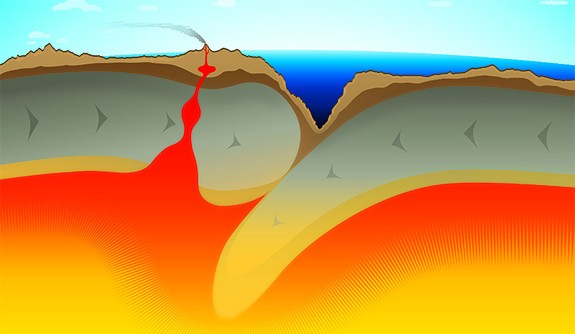
The plate boundary shown in the image is a ______ boundary because...
Convergent; the plates are moving away from each other.
Convergent; the plates are moving towards each other.
Divergent; the plates are moving towards each other.
Divergent; the plates are moving away from each other.

This famous fault in California has a lot of earthquakes!
New Madrid
Denali Fault
Ramapo Seismic Zone
San Andreas Fault
How do the plates move?
By moving around on the soft solid rock
They are pushed around by earthquakes
Volcanic eruptions cause them to move around
By moving around on hard solid rock

What type of boundary is shown in the diagram?
Divergent
Convergent
Slide/Transform

