wayground logo

Free Printable Worksheets

NEW

Font size

S
M
L
XL
Worksheets

Energy Resources Review

Total questions: 68

Worksheet time: 39mins

Name
Class
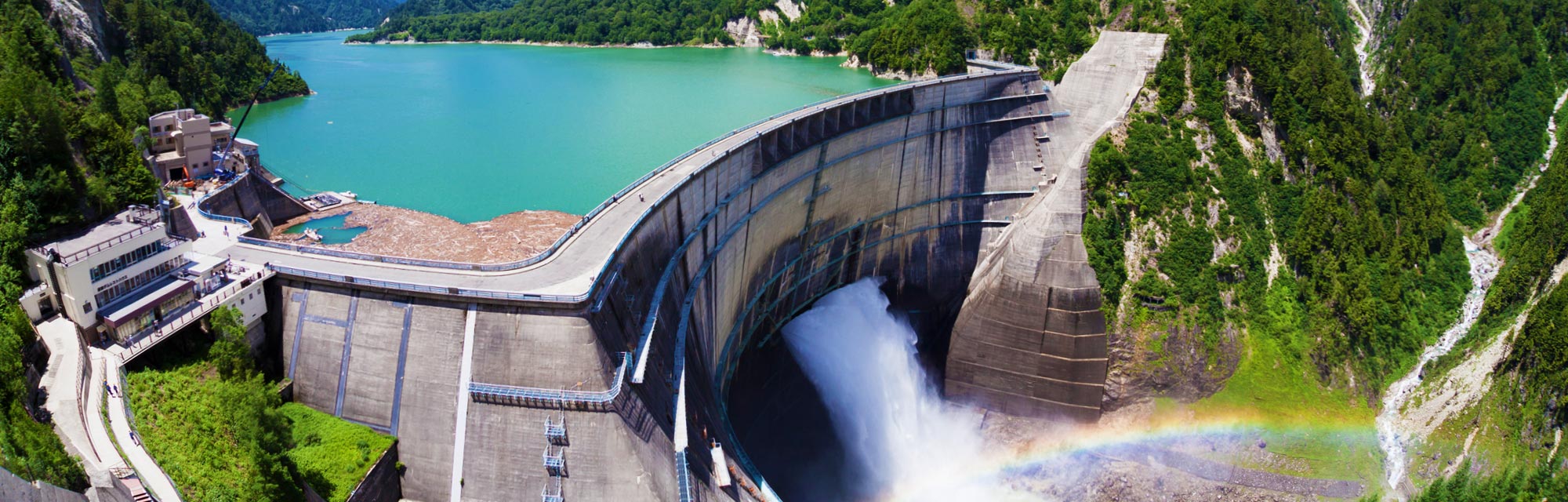
Date
1.

What is one PRO (positive) of using hydroelectric energy?

a)

Hydroelectric energy is a renewable resource

b)

Hydroelectric energy is a non renewable resource

c)

Hydroelectric energy depends on fossil fuels

d)

Hydroelectric energy can be useful anywhere

2.

What is one CON (negative) of using Hydroelectric energy?

a)

Hydroelectric dams can destroy habitats

b)

Hydroelectric energy creates carbon dioxide pollution

c)

Hydroelectric energy is a renewable resource

d)

Hydroelectric energy generates electricity

3.

Why is Nuclear Energy a better choice than fossil fuels?

a)

Nuclear energy is more readily available than fossil fuels

b)

Nuclear energy erodes the land

c)

Nuclear energy produces less air pollution

d)

Nuclear energy does not produce harmful waste that needs to be stored

4.

How does creating electricity through the use of Biomass energy harm the environment?

a)

Biomass energy generates hazardous waste that needs to be stored

b)

Biomass energy does not harm the environment in any way

c)

Burning Biomass contributes to air pollution

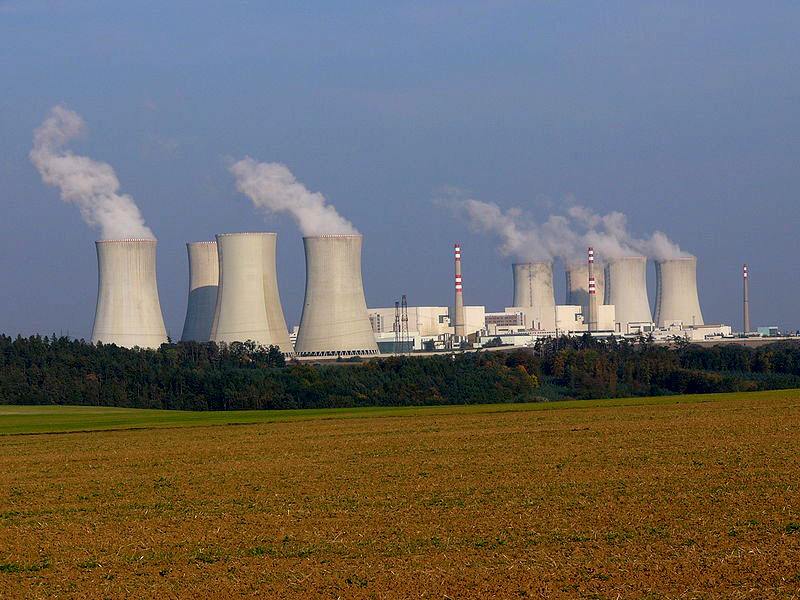
d)

Obtaining Biomass destroys habitats

5.

Is wind energy renewable or nonrenewable?

a)

Renewable

b)

Nonrenewable

6.

Is Biomass renewable or nonrenewable?

a)

Renewable

b)

Nonrenewable

7.

Is water renewable or nonrenewable?

a)

Renewable

b)

Nonrenewable

8.

Is Solar energy renewable or nonrenewable?

a)

Renewable

b)

Nonrenewable

9.

Is Coal renewable or nonrenewable?

a)

Renewable

b)

Nonrenewable

10.

Is Natural Gas renewable or nonrenewable?

a)

Renewable

b)

Nonrenewable

11.

A fossil fuel that forms from the remains of plants from millions of years ago.

a)

Geothermal

b)

Coal

c)

biomass

d)

propane

12.

Which of these is a fossil fuel?

a)

oil

b)

coal

c)

natural gas

d)

all of the above

13.

Nonrenewable resources

a)

will never run out

b)

are replaced every day

c)

are not replaced after they are used

d)

are recycled all of the time

14.

Fossil fuels are considered nonrenewable because they

a)

produce pollution

b)

are no longer used by humans

c)

often contain microscopic animals

d)

take millions of years to form
15.
__________ is an energy resource that WILL NOT run out in the next several hundred years.
a)
Renewable Energy Resource
b)
Nonrenewable Energy Resource
16.
__________ is an energy resource that WILL run out in the next several hundred years.
a)
Renewable Energy Resource
b)
Nonrenewable Energy Resource
17.
Coal is a __________ energy resource.
a)
Renewable
b)
Nonrenewable
18.
Solar Power is a __________ energy resource.
a)
Renewable
b)
Nonrenewable
19.
Nuclear Power is a __________ energy resource.
a)
Renewable
b)
Nonrenewable
20.
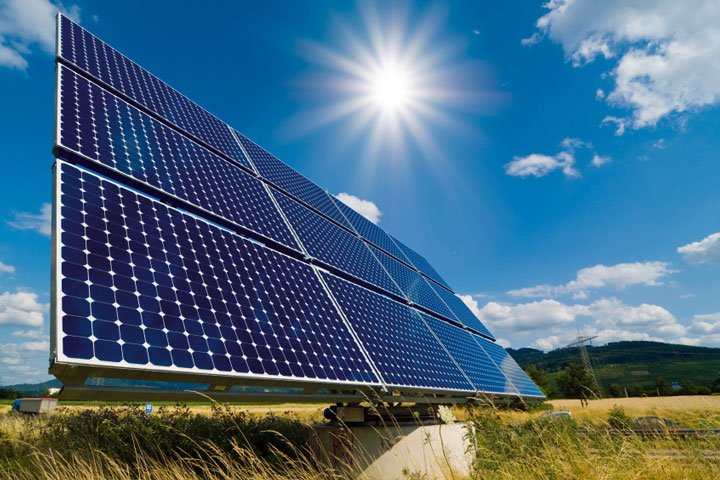
__________is the energy generated from the sun by using solar panels.
a)
Wind
b)
Hydro
c)
Nuclear
d)
Solar
21.
The energy of nuclear reactions between atoms that creates heat and turns turbines is _________.
a)
Coal
b)
Wind
c)
Hydro
d)
Nuclear
22.
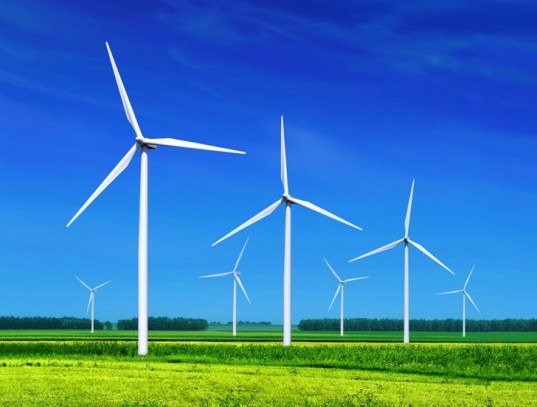
__________is the energy created by wind turning wind turbines.
a)
Geothermal
b)
Hydro
c)
Wind
d)
Nuclear
23.
_________is energy generated when moving water turns turbines.
a)
Wind
b)
Hydro
c)
Geothermal
d)
Solar
24.
__________uses heat from the interior of the Earth.  We will be using this at our new school!
a)
Solar
b)
Geothermal
c)
Nucler
d)
Wind
25.
Wind is a __________ energy resource.
a)
Renewable
b)
Nonrenewable
26.
Geothermal Power is a __________ energy resource.
a)
Renewable
b)
Nonrenewable
27.
What form of alternative energy uses a dam?
a)
hydroelectric power
b)
geothermal power
c)
biomass power
d)
solar power
28.
What form of alternative energy uses plants and animal waste and turns it into sugar and then liquid fuel?
a)
geothermal power
b)
biomass power
c)
solar power
d)
hydroelectric power
29.
What form of alternative energy uses the heat from the earth?
a)
solar power
b)
geothermal power
c)
biomass power
d)
wind power
30.
Which alternative energy resource can be harmful to birds?
a)
biomass energy
b)
geothermal energy
c)
wind energy
d)
solar energy
31.
fuel made from plant or animal waste (organic matter)
a)
hydropower energy
b)
solar energy
c)
green
d)
biomass energy
32.

Which of the following is an advantage of nuclear energy

a)

It does not produce solid waste

b)

It is cost efficient

c)

It poses no safety risks

d)

It does not produce air pollution

33.

The energy in fossil fuels is converted into

a)

electricity

b)

magnetic fields

c)

uranium

d)

power plants

34.
Trees, crops, garbage, & landfill gas are all examples of 
a)
Energy
b)
Biomass
c)
Heat
d)
Nuclear waste
35.

What is one disadvantage of using solar power?

a)

It is free

b)

At night, no power can be made

c)

It is renewable

36.

Solar power, wind power, and water power are good because...

a)

they are expensive

b)

they are not powerful

c)

they don't create much pollution

37.
Which energy source contributes to air pollution?
a)
hydropower
b)
solar
c)
geothermal
d)
biomass
38.
Oil, Natural Gas, Nuclear, Coal - What do these items have in common?
a)
They are examples of inexhaustible energy resources.
b)
They are examples of renewable energy resources.
c)
They are examples of energy resources that do not cause pollution.
d)
They are examples of nonrenewable energy resources.
39.

Fossil fuels are considered nonrenewable resources because they

a)

burn so quickly.

b)

pollute the air.

c)

are in such high demand.

d)

take hundreds of millions of years to form.

40.

Wood, leaves, and manure belong to a group of renewable energy sources called ____________________ fuels.

a)

biomass

b)

fossil

c)

solar

d)

hydroelectric

41.

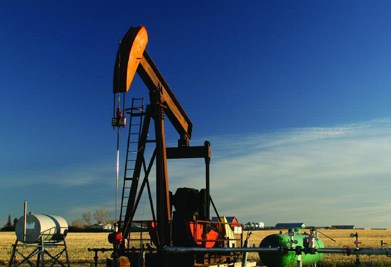
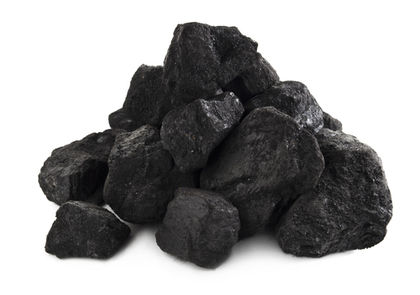
Which of the energy sources shown are fossil fuels?

a)

coal, nuclear, natural gas

b)

nuclear, natural gas, hydroelectric

c)

natural gas, petroleum, coal

d)

hydroelectric, petroleum, coal

42.

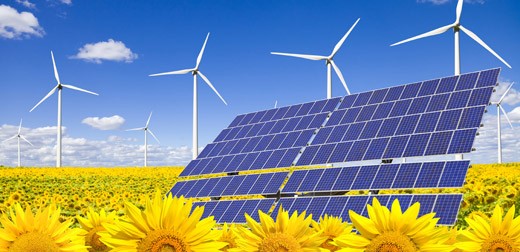
Which energy sources shown are considered to be renewable?

a)

coal

b)

nuclear

c)

natural gas

d)

hydroelectric

e)

petroleum

43.
Which of the following is a disadvantage of using solar energy?
a)
solar energy causes pollution
b)
solar energy is nonrewable
c)
solar energy is free once the panels are installed 
d)
solar panels are expensive to create 
44.
Which of the following is a disadvantage of using geothermal energy?
a)
it requires a geothermal hotspot
b)
it increases our need of nonrenewable resources
c)
it is costly to use
d)
it is a nonrenewable energy resource
45.
Which of the following is a disadvantage of using fossil fuels such a coal, oil, and natural gas energy?
a)
they are cheap
b)
they are efficient 
c)
they can be used almost anywhere
d)
they cause pollution such as greenhouse gasses
46.
What characteristic do all renewable resources share?
a)
Produced by waste products
b)
Form underground from dead organisms.
c)
Replaced in a short period of time
d)
Allow energy to pass through them easily
47.
Which of the following is a fossil fuel?
a)
Wind
b)
Coal
c)
Solar
d)
Biomass
48.
Hydroelectric power produces electricity using.....
a)
Wind
b)
Sunlight
c)
Moving water
d)
Dung
49.
 Energy from the sun is known as......... 
a)
hydroelectric energy
b)
geothermal energy
c)
solar energy
d)
wind energy
50.
Fossil fuels are classified as nonrenewable because they.......
a)
require expensive equipment
b)
take millions of years to replace
c)
can be found all over 
d)
provide all the energy we use
51.
What is biomass? 
a)
energy from the sun
b)
energy from water
c)
energy from wind
d)
energy from plant and animal waste
52.
The type of energy that cattle create is ________? 
a)
biomass
b)
solar
c)
natural gas
d)
nuclear
53.

Uranium atoms are split to make electricity.

a)

fossil fuels

b)

nuclear energy

c)

wind energy

d)

solar energy

54.

Wind blows turbines to create electricity.

a)

solar energy

b)

water energy

c)

geothermal energy

d)

wind energy

55.

Energy from the sun is converted into electricity.

a)

solar energy

b)

water energy

c)

biomass energy

d)

geothermal energy

56.

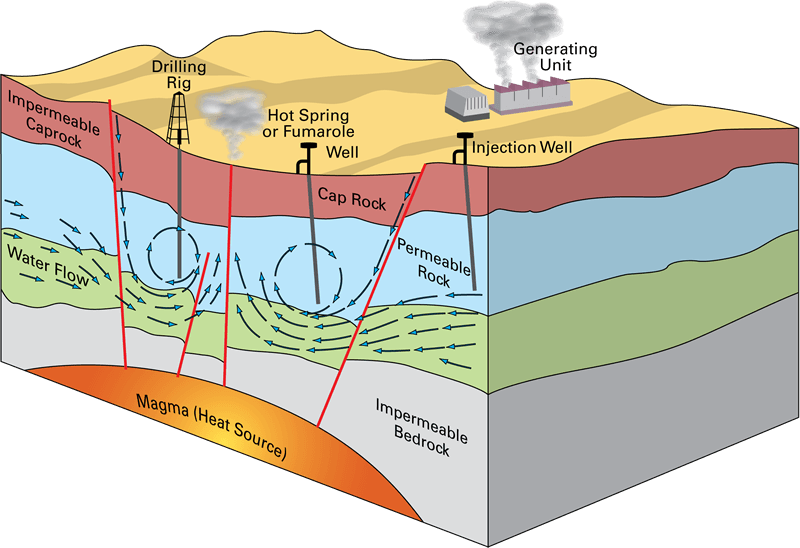
Heat from inside the Earth is used to create electricity.

a)

solar energy

b)

geothermal energy

c)

water energy

d)

biomass energy

57.

Trash, compost, and dead plants are burned to create electricity.

a)

solar energy

b)

water energy

c)

geothermal energy

d)

biomass energy

58.
Some power plants pump water down deep holes into hot rock. The hot rock heats the water, which turns the water into steam. The steam rushes back to Earth’s surface and is used to make electricity. This plant is generating which alternative energy resource?
a)
biomass
b)
wind
c)
solar energy
d)
geothermal energy
59.

Use the diagram to put the steps below in the correct order to describe how electrical energy is generated in an electrical power plant.

  1. Electricity is generated.
  2. Magnet spins between wire coils.
  3. Water is heated and changes to steam.
  4. Steam makes turbine spin.
  5. Fossil fuel is burned.
a)

Steps 1, 3, 4, 2, then 5.

b)

Steps 5, 2, 4, 3, then 1.

c)

Steps 5, 3, 4, 2, then 1.

d)

Steps 1, 2, 4, 3, then 5.

60.

What happens to fossil fuels to create electricity?

a)

They are stored

b)

They are burned

c)

They are melted

d)

They are frozen

61.
Why is burning fossil fuels harmful? 
a)
then we won't have any fossil fuels if we burn them all
b)
They can get extremely hot
c)
Increases the amount of greenhouse gases in the air
d)
this would destroy fossils
62.

In a power station, what causes the turbine to turn?

a)

Heat

b)

Gas

c)

Air

d)

Steam

63.
A hydroelectric power plant generates electricity by using the energy of which of the following?
a)
Blowing wind
b)
Organic material
c)
Moving water
d)
Earth’s core
64.
What does hydroelectricity come from?
a)
Harnessing the movement of air
b)
The sun's heat and energy
c)
Harnessing the movement of water  
65.
Which renewable resource uses the natural resource in the picture below to produce energy?
a)
wind
b)
tidal
c)
biomass
d)
geothermal
66.
Stored energy in water behind a dam falls and changes into mechanical energy that turns a turbine that turns coils in a generator that produces electrical energy.  What is this?
a)
Fossil Fuel Power Plant
b)
Nonrenewable Power Plant
c)
Nuclear Power Plant 
d)
Hydroelectric Power Plant
67.
Power plants that make electricity with the energy of flowing water are called what?
a)
Hydroelectric
b)
Geothermal
c)
Toxic Waste
d)
Solar Cells
68.
Moving water is transferred into what?
a)
Salt Water
b)
Energy
c)
Still Water
d)
Water Power