
NEW
Font size
 Worksheets
Natural Hazards and disasters quiz
Total questions: 45
Worksheet time: 2hrs 15mins
The Enhanced Fujita scale is used to measure the damage from a(n): (look in your natural hazard packet for the answer)
Tornado
Earthquake
Volcano
Scientists can predict exactly when a natural hazard will occur.
True
False
Why is it beneficial to be able to predict when and where natural hazards will occur as much as possible?
Communities can be notified to evacuate
So that we can stop them from happening again
So that scientists know where to go in order to study them
Which of the following is NOT a natural hazard?
Hurricane
Tornado
House Fire
Earthquake
A disaster is what could happen, a hazard is after it has an impact on humans
what is one effect of a tsunami?
flooding
weathering
an earthquake
a volcanic eruption
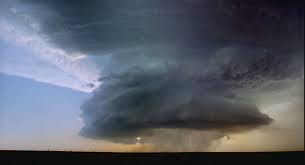
A violently destructive windstorm occurring over land
Hurricane
Sand storm
Tornado
Thunder storm


A long period of really low rainfall which results in a loss of plant and animal life, including crops
What is the strongest tornado? (look in your natural hazard packet)
EF1
EF2
EF5
EF10
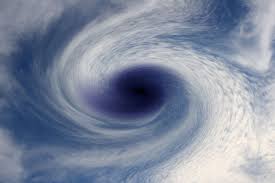
What is the calm area in the center of a hurricane called? (hint: what do you see with?)
We cannot predict the exact moment a natural disaster will occur, but we do know...
what day they will happen on
how big the natural disaster will be
where the natural disaster is likely to occur
how many people will be killed in the natural disaster
A certain school is beside a river that will overflow during heavy rains. The water from the river will sometimes come through the lunchroom doors and form small puddles. What is the best option to protect the lunchroom floors?
build a new school away from the river
use sandbags or flood barriers outside doors to keep water from entering
build a wall around the entire river so that it cannot flood
stop the rain so the river cannnot flood
Mrs. Nancy's class is building a design for a home. The home is built on a rubber base and is low to the ground. The students are most likely trying to built a home that will be safe during...
an earthquake
a volcano eruption
a flood
a tsunami
A natural event such as a flood, earthquake, or hurricane that causes great damage or loss of life is called a ______.
storm
weather
natural disaster
none of the above

What is the primary cause of earthquakes?
Volcanic eruptions
Global warming
Alien interference
Movement of tectonic plates along fault lines
What factors contribute to the spread of wildfires?
Urban development
Low temperatures
Dry weather conditions, high winds, flammable vegetation, human activities
Heavy rainfall
Excessive humidity
What is climate?
Its your friend (mate) who likes to scale (climb) trees
Long term patterns in the weather
What happens in the atmosphere from day to day
The gas sphere around the Earth
What is weather
The day to day changes in the atmosphere
The long term changes in the atmosphere
The rain
Which natural disaster causes most of its damage due to shaking?
Tornadoes
Earthquakes
Tsunamis
Hurricanes
Some natural disasters are predictable, but not ____________.
Calm
Preventable
Scary
Where do tornadoes start? (hint: look in the natural hazards packet)
What is a blizzard?
A dangerous storm the has very low visibility, fierce winds, and blowing snow.
A type of storm that bring heavy rain.
A storm that is caused by an earthquake.
How have humans learned to live and survive in areas where natural hazards occur?
They have adapted buildings and structures to withstand the hazard.
They have put up large walls to keep the hazard out.
They use more renewable energy to reduce how severe the hazards are.
If you know a blizzard is coming, you should buy a lot of...
food and water
batteries
snow shovel
all of the above

According to the graph, the most tornadoes happened in which month?
January
May
September
November

According to the data, which of these states had the most tornadoes in 2020?
Mississippi
Florida
North Carolina
Kansas
Which of these can be predicted at least 1 day ahead of time?
Hurricane
tornado
landslide
During a tornado, what is the safest room in a house?
The attic (uppermost level)
The garage
The basement
Any room on the 1st floor
BEFORE a hurricane, what should be done to lessen the damage?
Move to higher ground/ higher elevation
Go outside to watch where the hurricane is moving
Go to the basement and stay put
Cover windows and glass doors with plywood or storm shutters



