
 Worksheets
CA 8 READING 2024 Frampton
Total questions: 52
Worksheet time: 17mins

What are the six identifiable trends in current architectural practice according to the text?
Topography, Morphology, Sustainability, Materiality, Habitat, and Civic Form
History, Geography, Mathematics, Sciences, Art, and Literature
Color, Texture, Size, Style, Functionality, and Price
Innovation, Technology, Fashion, Music, Sports, and Gastronomy

What positive influence does the text highlight on architectural production due to globalization?
Reduction of cultural diversity in architecture
Increase in competition among architects
Decrease in creativity in architectural design
Improvement in the overall quality of architectural work
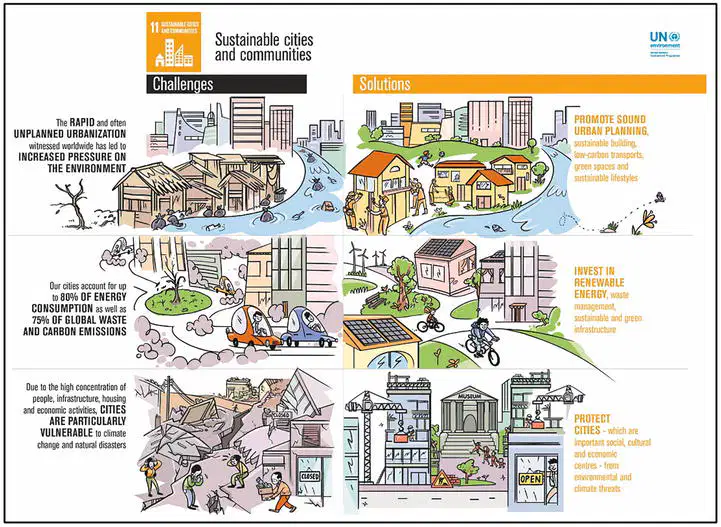
What is one of the problems mentioned in relation to unsustainable urban development?
Lack of green spaces in cities
Excess of public transportation in suburban areas
Shortage of housing in urban centers
Inequality in the distribution of government subsidies
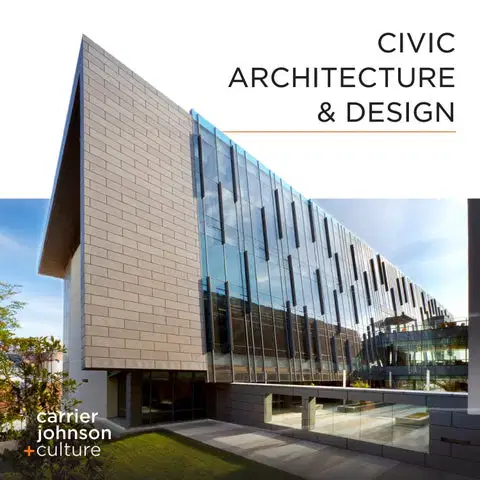
What aspect of architecture highlights the importance of civic buildings as spaces for gathering and public engagement?
Topography
Morphology
Sustainability
Civic Form

What stands out as a global trend towards excellence in architectural design according to the text?
Low-quality production in local projects
Emphasis on quantity over quality in architecture
Reduction of cultural sophistication in architecture
Increased evaluation of architectural work at a global level

What negative consequence is mentioned in relation to urban development in cities like Beijing and several cities in the United States?
Increase in population density in urban centers
Balanced development between urban and suburban areas
Loss of open land due to urbanization
Lack of investment in public transportation infrastructure
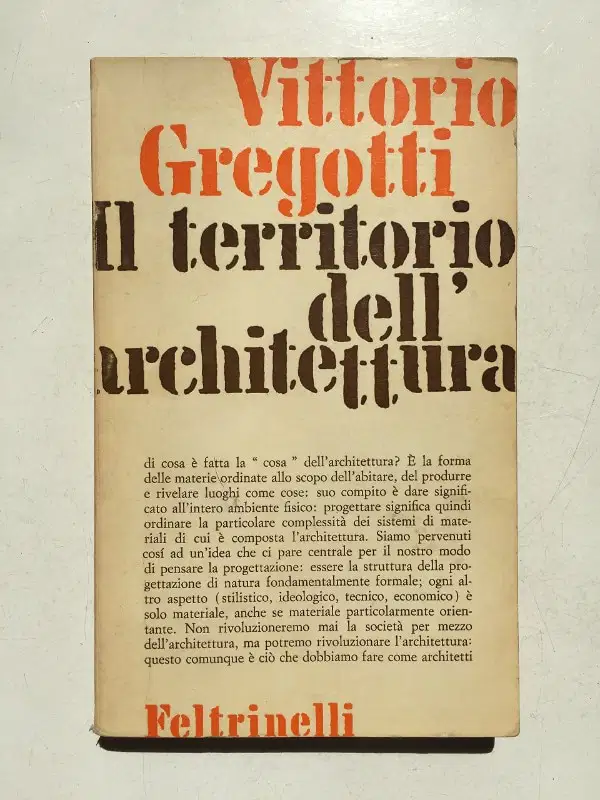
What is Gregotti's vision regarding the ground as a fundamental act to establish a cosmos made by man amidst the chaos of nature?
Resist urban expansion
Create public spaces amidst urbanization
Establish a natural cosmos
Integrate nature into architecture

What is the focus of McHarg's research to maintain the interdependence of regional ecosystems?
Uncontrolled urban expansion
Uncontrolled urban development
Fragmentation of the built environment
Comprehensive biosphere approach

What does the integration of topography allow in the design processes according to the text?
A more detailed understanding of the specific site conditions
A limited view of the environment
A disconnection from the natural environment
All the answers

What role does topography play in resisting the commodification of the environment?
Prioritize only aesthetics without considering ecology
Ignore the value of nature
Recognize the intrinsic value of natural landscapes
Completely eliminate nature from architectural projects
What does the text reflect about the approach towards more holistic and site-responsive design practices?
Urban development without environmental considerations
Exclusive focus on aesthetics without considering sustainability
Total disconnection from the natural environment
Prioritization of sustainability and harmonious coexistence of built and natural elements

What does the subtheme 'topography' emphasize in relation to architectural practice?
The importance of integrating landscape considerations into architectural practice
The irrelevance of topography in architectural design
The prioritization of aesthetics over sustainability
What is the main objective of the Gregotti and McHarg approaches according to the text?
Increase the fragmentation of the built environment and move away from nature
Prioritize unbridled urban expansion and disconnection from nature
Completely eliminate the influence of nature on architecture
Promote a harmonious relationship between human-made structures and the natural world
What topic is discussed in the text about Motphology?
Sustainable construction techniques
Interior design in famous buildings
History of modern architecture
Relationship between architectural form and biological structures
What is the main difference between topography and morphology according to the text?
Topography is based on geometry, while morphology is based on physics
Topography is related to civil engineering, while morphology is related to botany
Topography studies the history of architecture, while morphology focuses on aesthetics
Topography refers to the earth's surface, while morphology imitates biological forms

What building is mentioned as an example of morphological architecture in the text?
Guggenheim Museum in Bilbao
Eiffel Tower in Paris
Empire State Building in New York
Opera House in Sydney
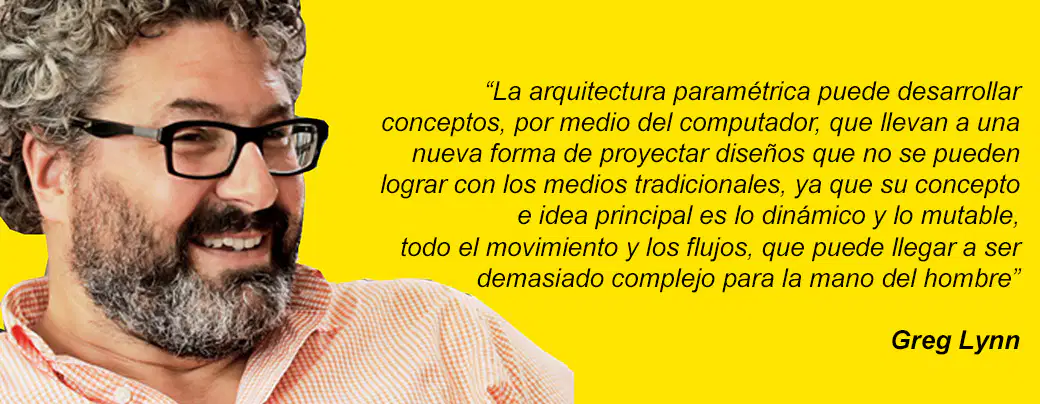
What does Greg Lynn propose regarding form in architecture?
The form is a fundamental aspect of architectural design
The form has no relation to function in architecture
The form is not important in modern architecture
The form must always be symmetrical in architecture
What challenges does morphological design pose in architecture according to the text?
Security, accessibility and regulations
Aesthetics, size and location
Cost, time and materials
Functionality, sustainability and contextual integration
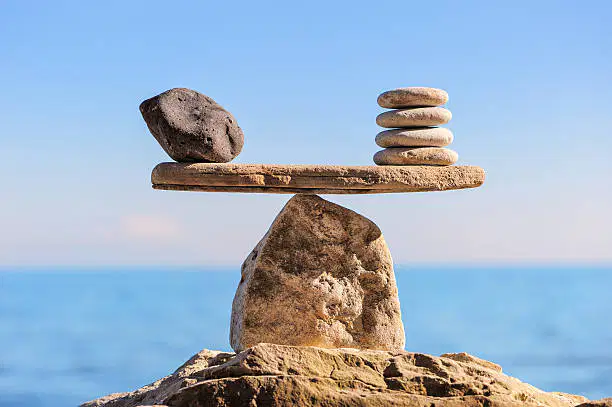
Why is it important to balance natural inspiration with practical considerations in architecture?
To ensure that the design is functional and sustainable
To stand out in architecture competitions
To reduce construction costs
To follow current design trends
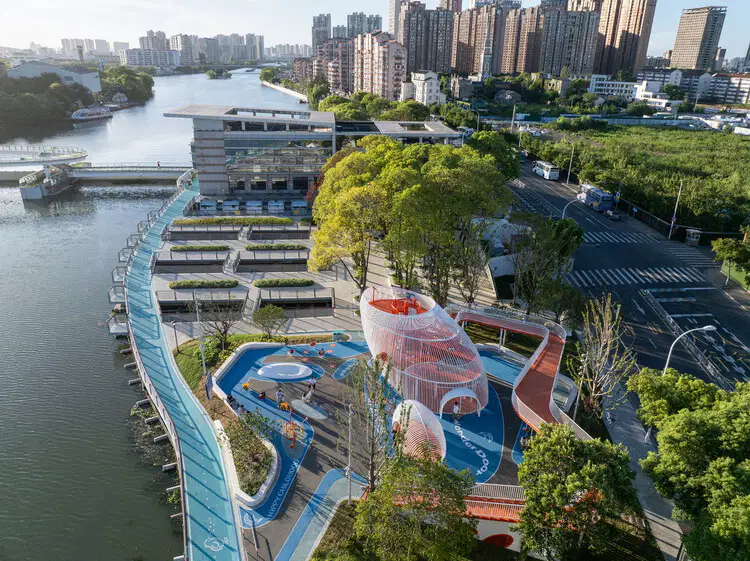
What aspect highlights morphology in the relationship between form and natural structures?
The creation of innovative and visually attractive spaces
The importance of history in architecture
The influence of technology on architectural design
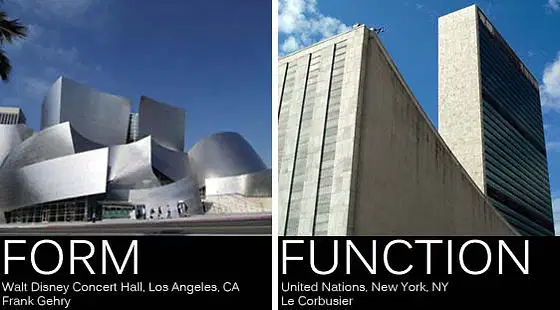
What is the main conclusion about the topic of morphology in architecture according to the text?
The form must always be more important than the function in architecture
Morphology does not bring anything new to the field of architecture
Natural inspiration is not relevant in architectural design
It is crucial to strike a balance between form and function

What aspect of sustainability is discussed in the text as the integration of environmental, social, and economic considerations in the design and construction of built environments?
Energy efficiency
Passive solar design
Material recycling
Compact development

What strategies are mentioned in the text as part of green architecture to reduce energy consumption and minimize environmental impact?
Solar passive design
Use of unsustainable materials
Artificial ventilation
Conventional roofs
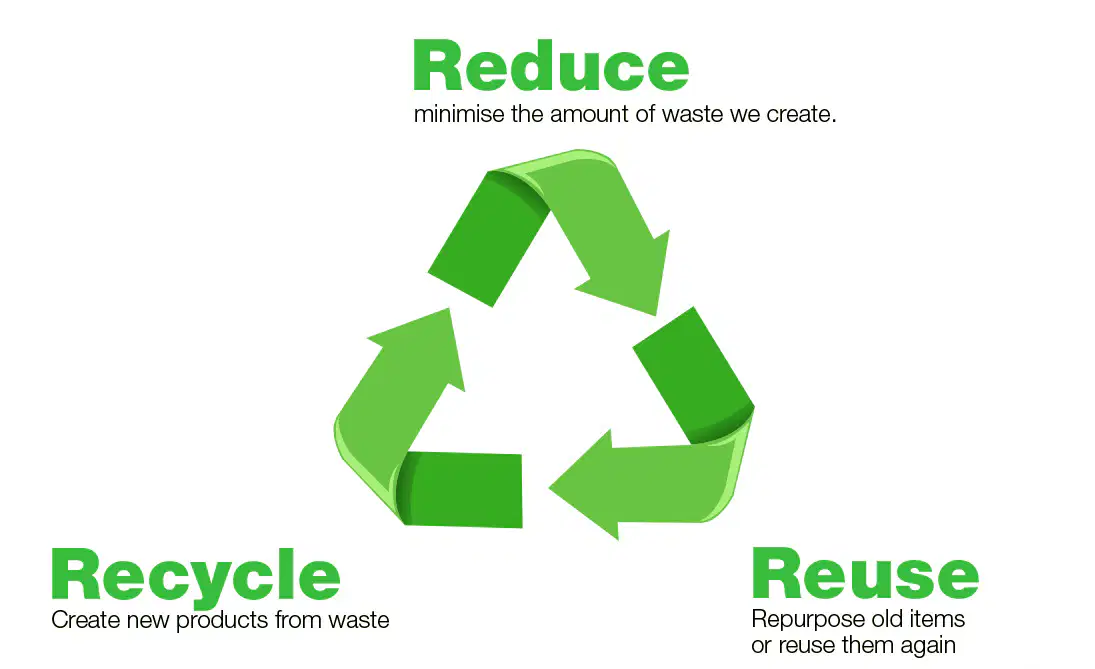
What is the objective of cradle to cradle design in resource management?
Promote dispersed urbanization
Eliminate natural ventilation
Minimize energy usage
Recycle and reuse products and buildings

What is emphasized as a need in promoting sustainable design practices in the text?
Development without environmental consideration
Individual work without interaction
Interdisciplinary collaboration and stakeholder participation
Exclusive focus on energy efficiency
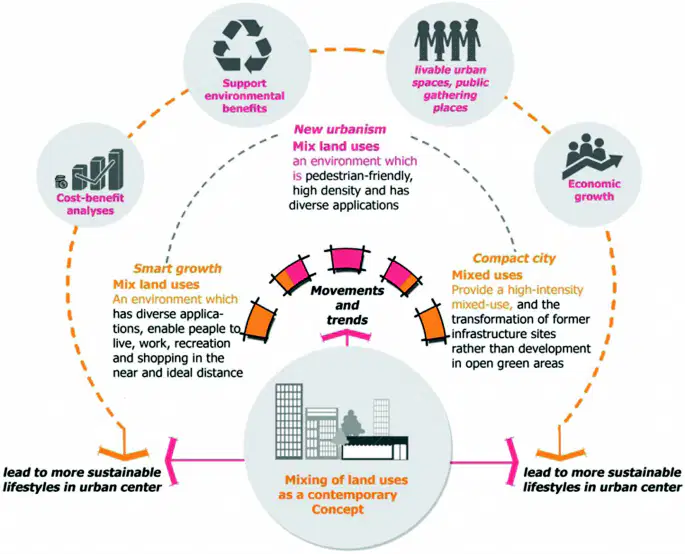
What is mentioned as a key aspect of sustainability in urban planning to create livable and resilient cities?
Compact and mixed-use developments
Uncontrolled urban expansion
Inefficient transportation systems
Lack of green spaces

Why are architects and urban planners increasingly adopting sustainable practices according to the text?
To increase pollution and resource depletion
To reduce environmental awareness
To mitigate the adverse effects of human activities on the environment
To accelerate climate change

What stands out as a key focus of green architecture in the text?
Use non-sustainable materials
Ignore natural ventilation
Rely solely on solar energy
Design energy-efficient and environmentally friendly buildings
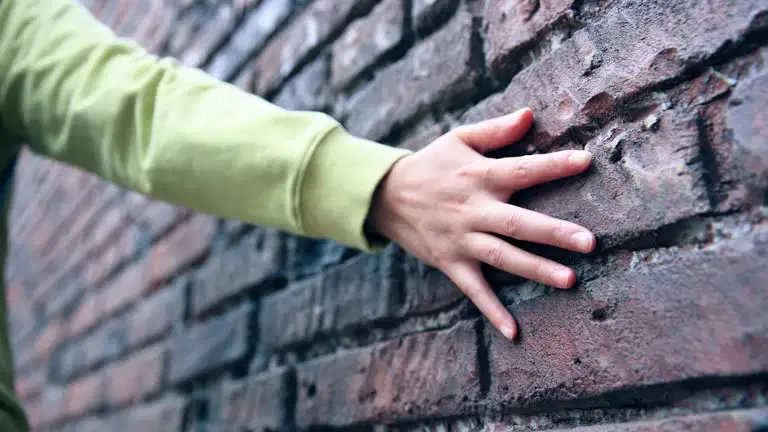
What aspect of materiality is highlighted in the text as crucial for defining the visual language and tactile qualities of built structures?
Industrial materials
Neutral colors
Diverse palette of materials
Physical properties
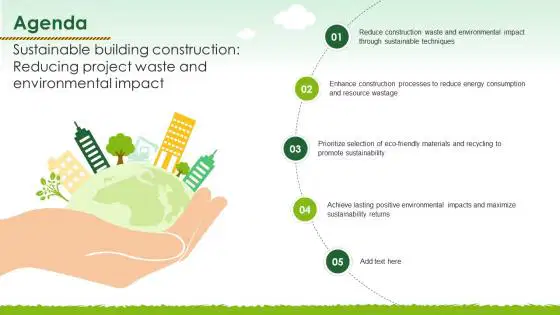
What strategies are emphasized in the text as essential to reduce the environmental impact of building construction and operation?
Selection of expensive materials
Importation of exotic materials
Recycling and reusing materials
Use of industrial materials
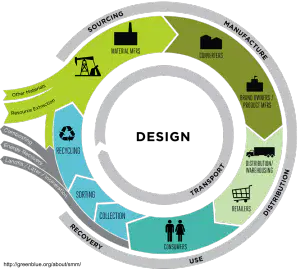
What does the selection of sustainable materials in architecture imply according to the text?
Conservation of resources
Increase in waste
Lower energy efficiency
Greater environmental impact

What tactile and sensory qualities of materials are highlighted in the text as capable of enhancing the spatial experience for occupants?
Varied textures and finishes
Bright colors
Smooth surfaces
Opaque materials

What role do materials play in the identity and perception of architectural works according to the text?
They do not affect the quality of the works
They are irrelevant to the identity
They define the visual and cultural language
They have no impact on perception

What evolution in the elections of materials and construction techniques is mentioned in the text?
Exclusive use of natural materials
Disinterest in texture and craftsmanship
Expressive and diverse focus on material palette
Use of industrial materials in all eras
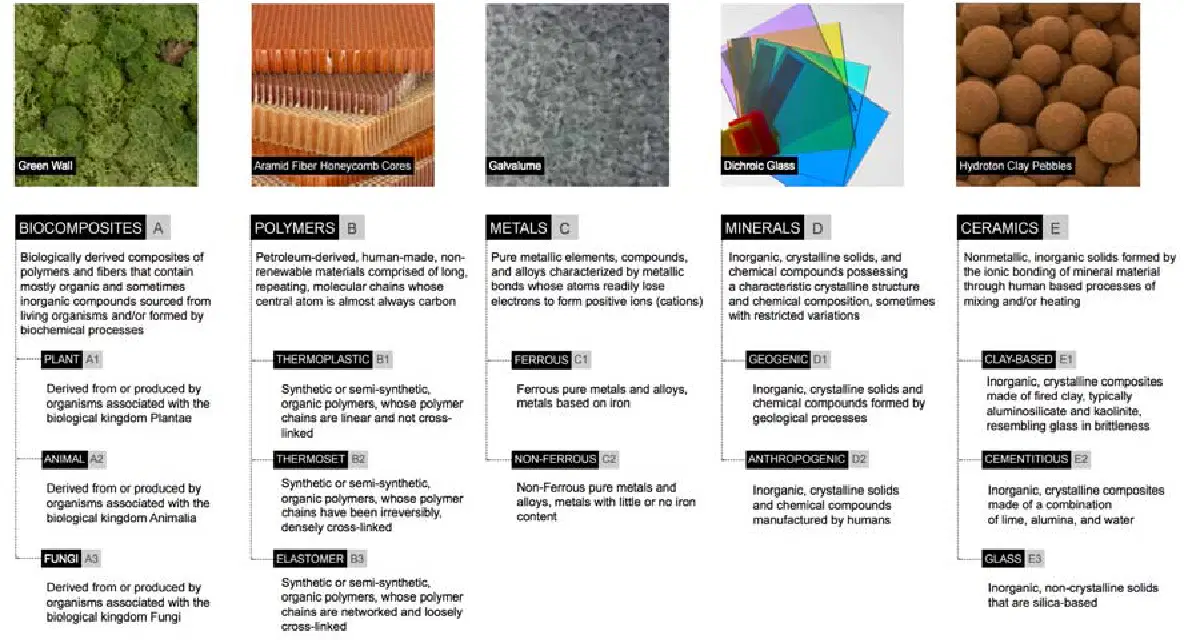
What semantic meaning do materials carry in art and architecture according to the text?
Inherent meanings and cultural associations
No meaning
They only have aesthetic value
They are irrelevant for interpretation

What can architects achieve by carefully selecting and manipulating materials in architectural design?
Evoke specific emotions
Limit spatial experience
Downplay aesthetics
All of them

What aspect does the text highlight as a challenge for architects when creating a sense of 'home' that resonates with contemporary lifestyles?
The lack of consideration for energy efficiency in residential architecture
The need to use only outdated design elements
The creation of low-rise, high-density housing

What global trend is mentioned in the text regarding the living standards of the middle class?
Prefabricated houses for quick construction
High-density housing to reduce urban sprawl
Luxury homes in urban areas
Single-family homes in rural areas
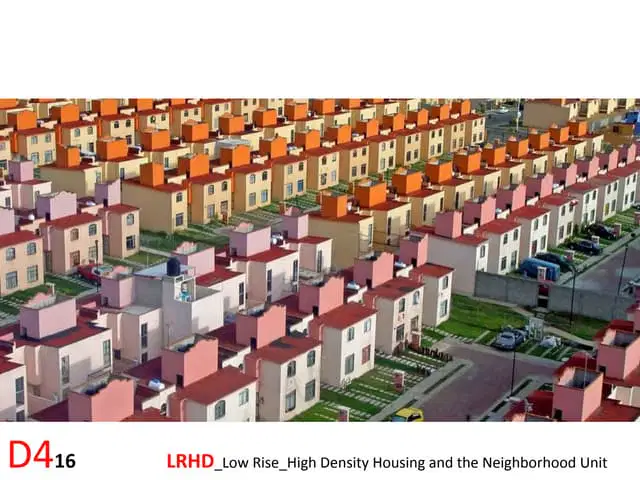
What approach is highlighted in the text as a viable option for creating a sense of community and belonging in residential spaces?
Low-rise and high-density housing
High-rise and low-density housing
Single-family homes in suburban areas
Prefabricated homes for quick construction

What is mentioned as a more environmentally friendly practice in urban development according to the text?
Use non-sustainable construction materials for greater durability
Build on existing vacant land instead of greenfield sites
Promote urban expansion to allow more living space
Build on greenfield sites to preserve nature
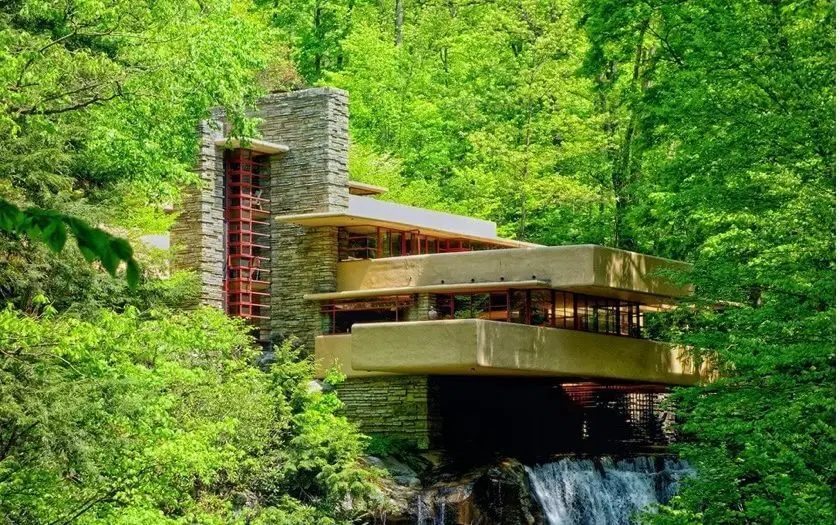
What is highlighted as an important aspect in the creation of sustainable habitats according to the text?
The harmonious relationship between human habitation and the natural environment
The need to consider only energy efficiency in architecture
The exclusive consideration of the physical structure of housing
The importance of ignoring cultural and social aspects in residential design
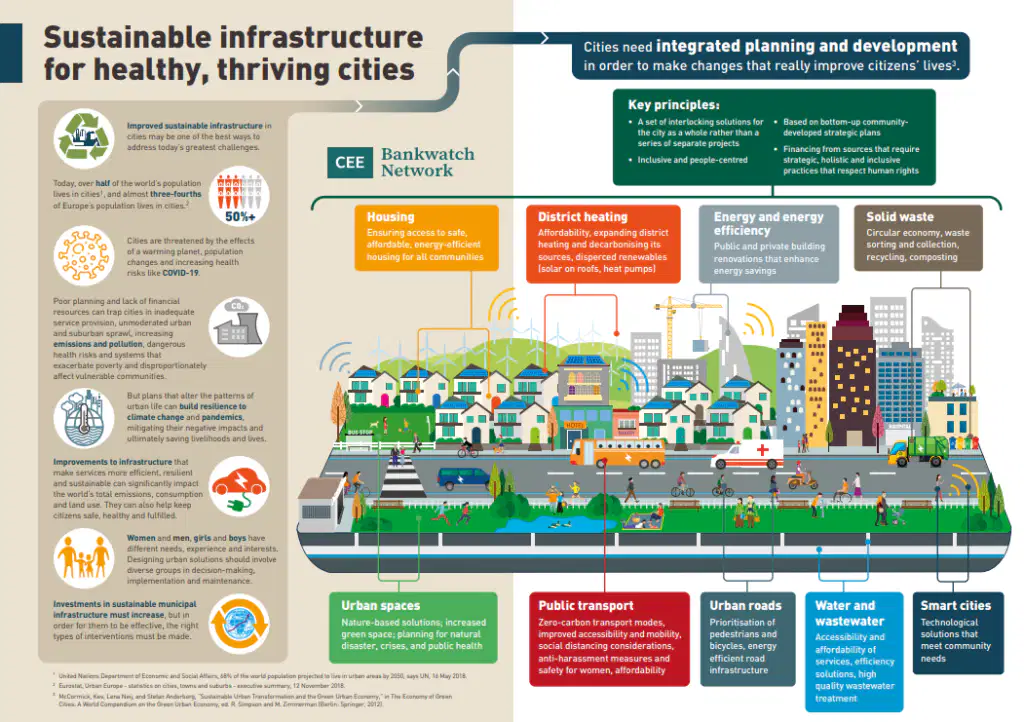
What is mentioned as a necessary change in urban planning practices according to the text?
Less consideration for the conservation of natural resources
Greater consumption of resources for sustainable urban development
More urban expansion to accommodate population growth
A shift towards more environmentally conscious practices
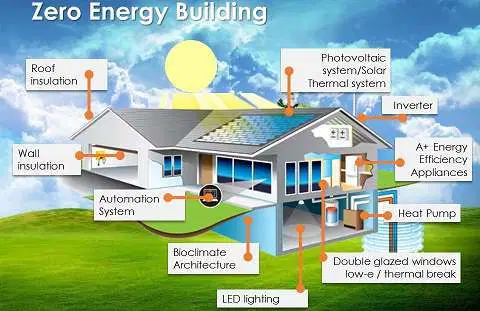
What is emphasized as a challenge for architects in creating sustainable habitats according to the text?
The need to continue using outdated designs
The lack of consideration for energy efficiency in residential architecture
The importance of maximizing land use in housing design

What is highlighted as a key objective in the creation of sustainable housing according to the text?
Promotion of well-being, community participation, and environmental responsibility
Promotion of excessive consumption of natural resources
Exclusive consideration of aesthetics in residential architecture
Maximization of urban sprawl
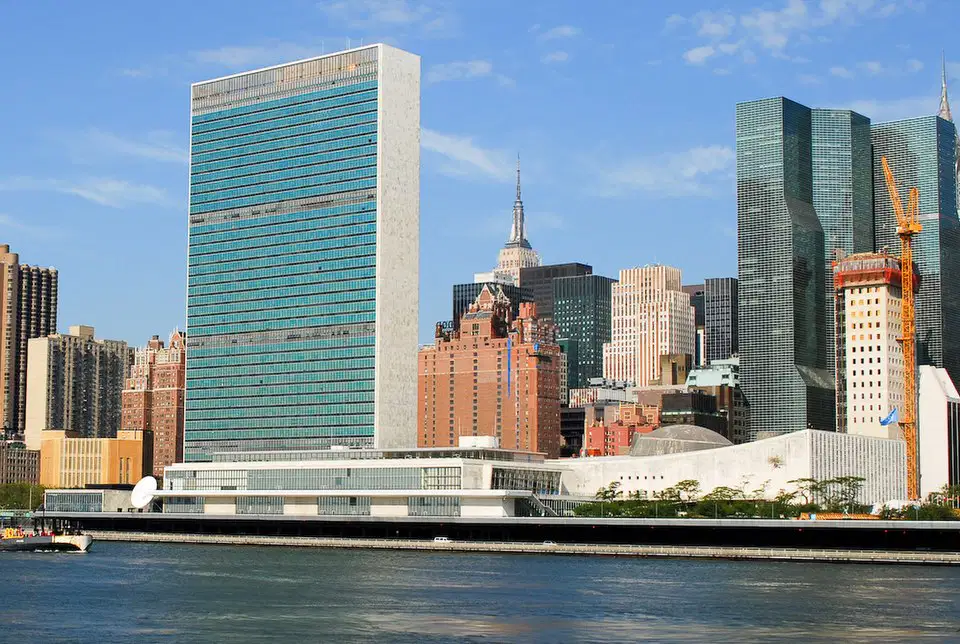
What aspects does the subtheme 'civic form' address within the context of Architecture in the Era of Globalization?
The importance of technology in architecture
The history of architecture in different cultures
The representation of civic culture and the role of architecture in promoting democratic ideals
The impact of climate change on architecture
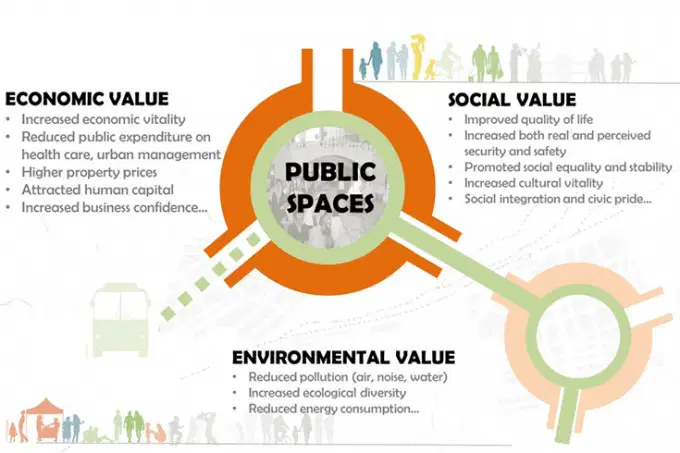
What does the text highlight about the importance of public spaces?
They are places of social and democratic interaction
They should be eliminated to make way for modernization
They are spaces for privatization and exclusion of groups
They are not relevant in today's society
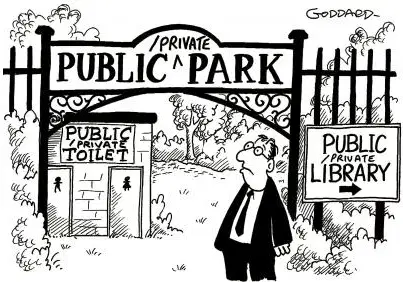
What criticism does the text make about the privatization of urban spaces?
It has no impact on society
Excludes certain groups from civic participation
Promotes social inclusion and diversity
Improves community interaction
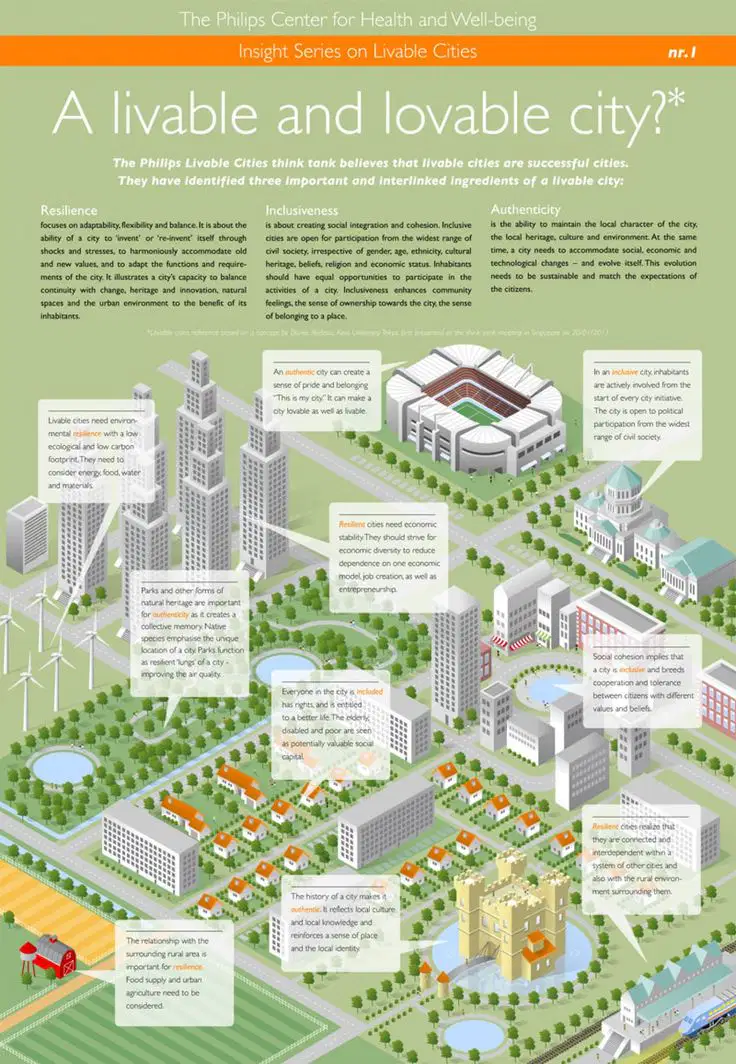
What does the text highlight about the role of architecture in representing civic culture?
It has no relation to the cultural identity of a community
It only focuses on the functionality of public buildings
It helps foster a sense of belonging and pride among citizens
It has no influence on the collective identity of a society
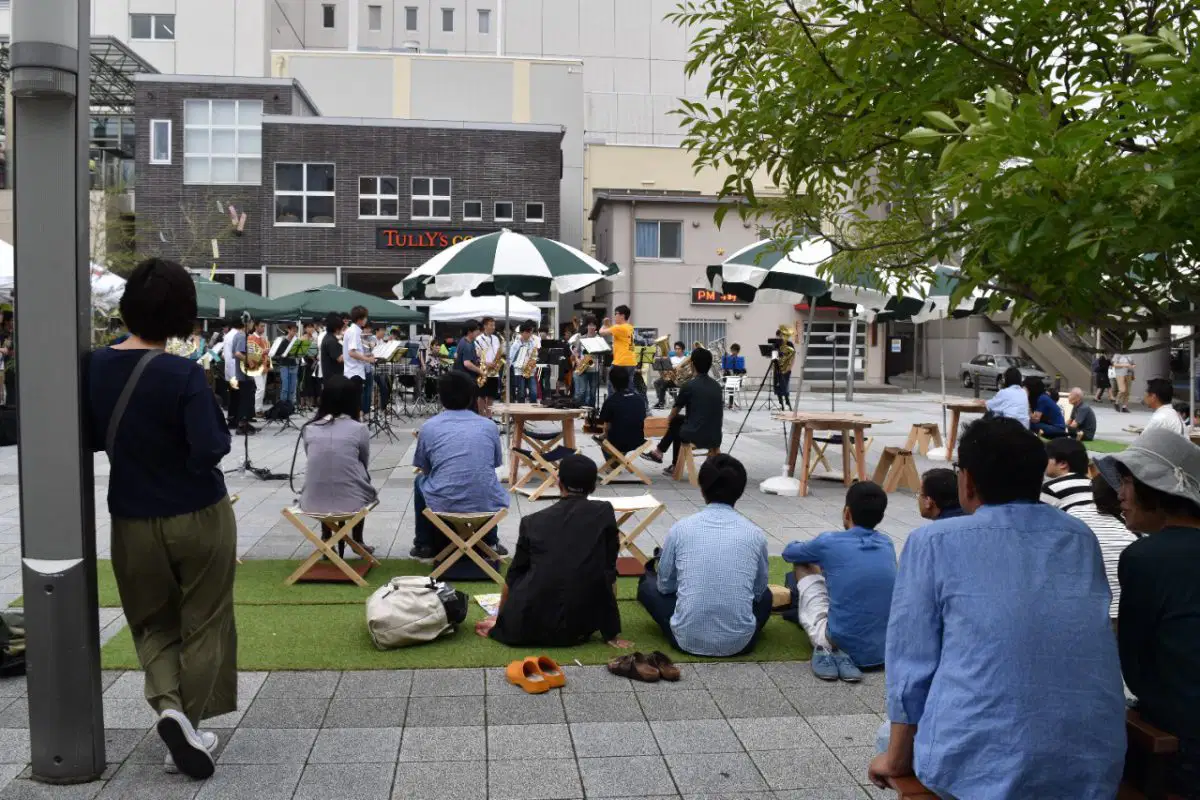
What is mentioned about the potential of civic buildings as spaces for assembly and democratic engagement?
They do not influence citizen participation
They are not relevant in public life
They are places of exclusion and discrimination
They allow people to debate, dialogue, and participate in public life
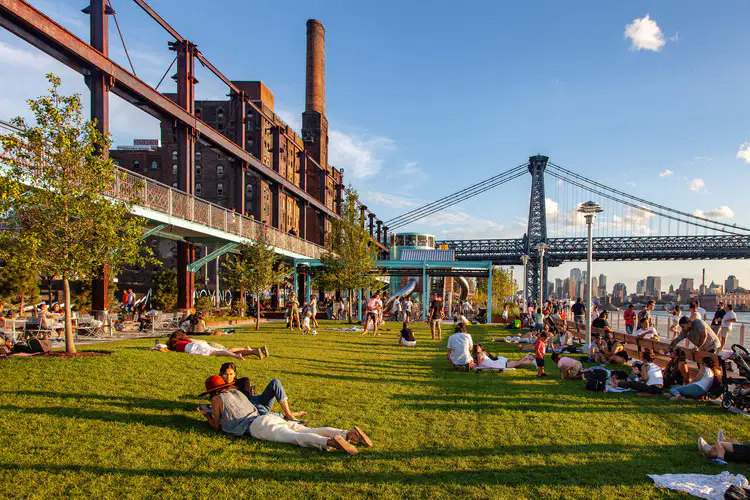
What is the main conclusion of the 'civic form' subtheme within Architecture in the Era of Globalization?
It is necessary to reevaluate urban design practices to prioritize the preservation of public spaces
The privatization of urban spaces is beneficial for society
Civic buildings do not represent the values and aspirations of society
What stands out as the critical role of architecture in the era of globalization?
Not to have influence on social and political life
Shape public spaces, foster democratic ideals, and represent civic culture
Promote inequality and segregation in cities
Create exclusive urban spaces for certain groups

What is mentioned about the relationship between architecture and public life in a globalized world?
Architecture only focuses on the aesthetics of buildings
Architecture does not reflect the values and aspirations of society
Architecture can create vibrant, inclusive, and democratic urban environments
There is no relationship between architecture and public life

