
 Worksheets
End of Week 01 Quiz
Total questions: 76
Worksheet time: 2hrs 56mins
Give examples of electrical equipment that needs to be plugged on a socket
Give examples of electrical equipment that have batteries in them
How do we turn on a fan?
An electrical equipment is also called an
Electrical parts
Electrical appliance
mechanical appliance
The flow of electricity is called an
An electric current can only flow if all parts of the electric circuit is connected
True
False
Each electrical appliance has an electrical circuit
False
True
What is a Direct Current (DC)
Electrons that flow in two directions
Electrons flow in only one direction
Protons that flow in one direction
Protons that flow in two directions
What is an Alternating Current (AC)
Protons and Neutrons flow back and forth, negative (-) to positive (+) to negative (-)
Neutrons flow back and forth, negative (-) to positive (+) to negative (-)
Proton flow back and forth, negative (-) to positive (+) to negative (-)
Electrons flow back and forth, negative (-) to positive (+) to negative (-)
An Atom consist of what
Protons
Neutrons
Electrons
All of these
What are Electrons
Electrons rotate around the group of proton and neutrons
Electrons rotate around the group of Protons
Electrons rotate around the group of neutrons
Electrons rotate around the group of electrons
Ion particles occur when?
Ion particles occur when an atom loses or gains an proton causing an imbalance.
Ion particles occur when an atom loses or gains an neutron causing an imbalance.
Ion particles occur when an atom loses or gains an electron causing an imbalance.
Ion particles occur when an atom loses or gains electron causing balance.
What is a voltage
Voltage is the electrical force that moves electrons through a conductor.
Voltage is the electrical force that moves protons through a conductor.
Voltage is the electrical force that moves neutrons through a conductor.
Voltage is the electrical force that selectrons through a conductor.
What is current ?
Current is the quantity or flow rate of protons moving past a point.
Current is the quantity or flow rate of neutrons moving past a point.
Current is the quantity or flow rate of electrons moving past a point.
Current is the quantity or flow rate of DNA moving past a point.

What is this tool called?
Meter Maid
Meter Man
Digital Multimeter
Smart Meter
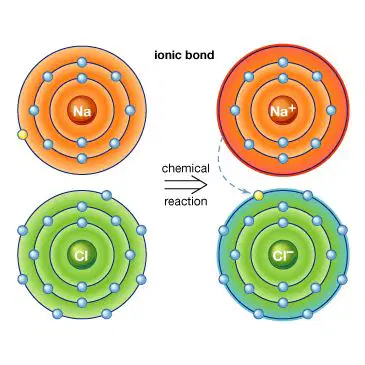
What is a substance composed of molecules containing two or more elements called?
Matter
Atom
Element
Compound

Define electricity.
The flow of electrons
The study of charges
The energy from electrons
The resistance in materials

What is the part called that supplies electrical current for my car when the engine is running?
The starter
The alternator
The Battery
The hydrogen fuel cell

What term describes a group of one type of atom?
Matter
Atom
Element
Compound

What are the three basic functions of electricity as mentioned in the workbook?
Conducting, insulating, and generating
Heating, lighting, and powering
Generating, transmitting, and distributing
Charging, discharging, and conserving
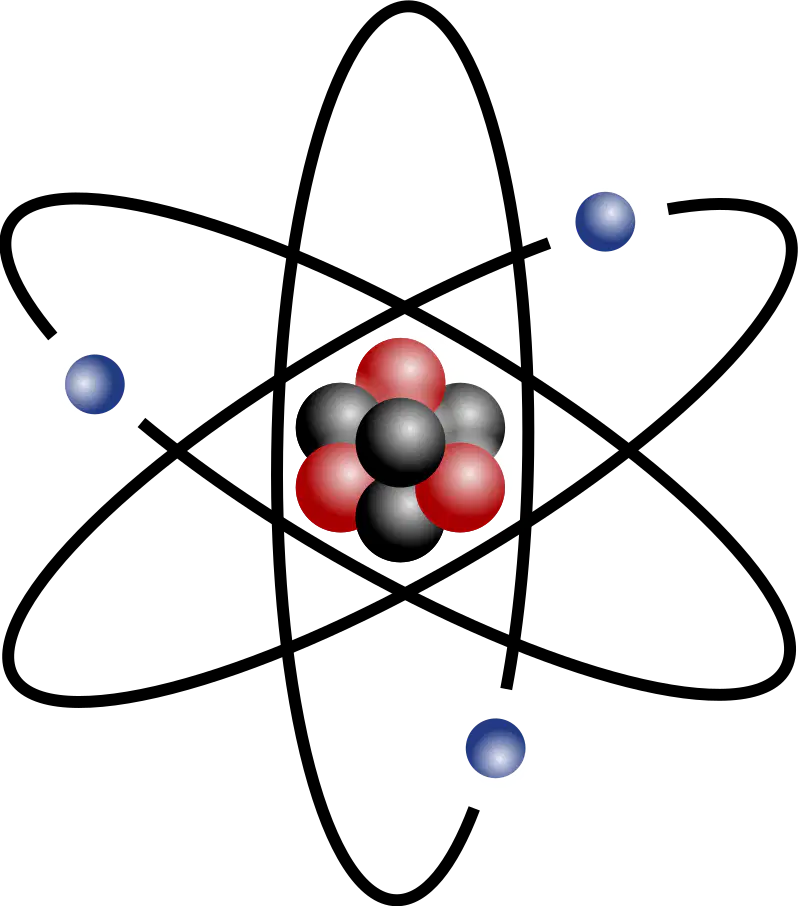
What is a microscopic particle that cannot be broken into smaller pieces without losing its properties?
Matter
Atom
Element
Molecule

What is defined as anything in the universe that occupies space and has mass?
Matter
Atom
Element
Molecule

Where is the electrical energy in my car stored when I am not using it?
The Alternator
The Battery
All the fuses and wires hold energy
You can keep that stuff in the trunk.

What is a group of two or more atoms joined together called?
Matter
Atom
Element
Molecule

Define direct current (dc).
Current that reverses direction periodically
Current that flows in one direction only
Current that varies in magnitude
Current that flows in multiple directions

According to conventional current theory, in which direction do electrons flow?
From negative to positive
From positive to negative
From neutral to positive
From positive to neutral

What are the three parts of an atom?
Proton, Neutron, Electron
Electron, Neutrino, Quark
Proton, Electron, Positron
Neutron, Quark, Positron

What is the result of movement of free electrons?
Magnetic field
Electrical current
Chemical bond
Thermal energy

What will result if a wire has a negative charge on one end and a positive charge on the other end?
Magnetic field
Electrical current
Chemical reaction
Physical displacement

What is a substance that allows the flow of free electrons called?
Insulator
Semiconductor
Conductor
Resistor

What is a substance that protects us from electricity?
Insulator
Semiconductor
Conductor
Resistor

What is the role of electrical devices compared to mechanical devices?
Electrical devices are less efficient than mechanical devices.
Electrical devices can do the job of mechanical devices more quickly and efficiently.
Electrical devices require more energy than mechanical devices.
There is no difference in efficiency between electrical and mechanical devices.

What is magnetism?
A type of electricity that flows through conductors.
A force that only repels ferrous substances.
An atomic property that can attract or repel ferrous substances.
A chemical reaction between iron-containing substances.
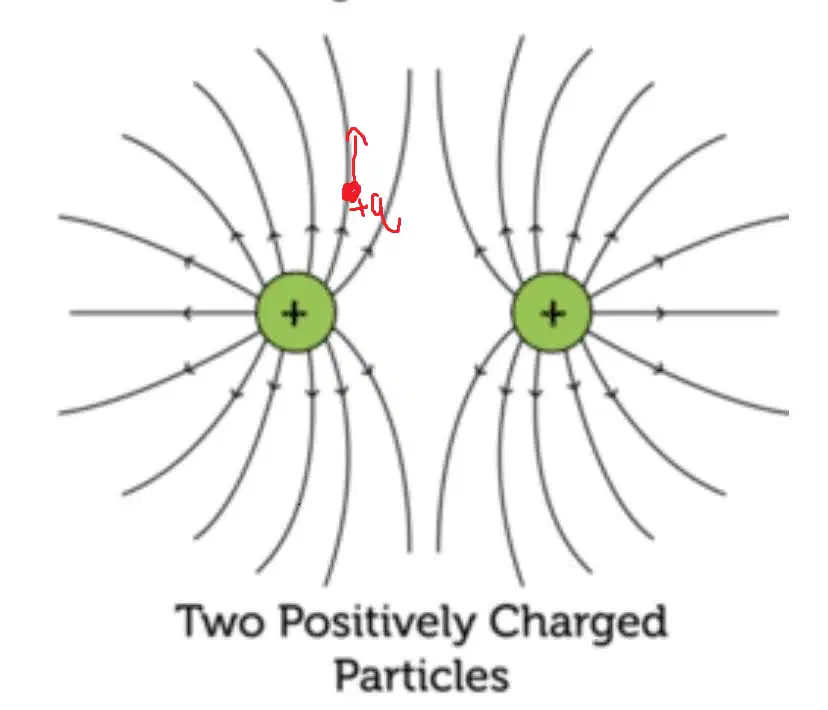
What happens when like charges meet?
They attract each other.
They repel each other.
They neutralize each other.
They create a magnetic field.
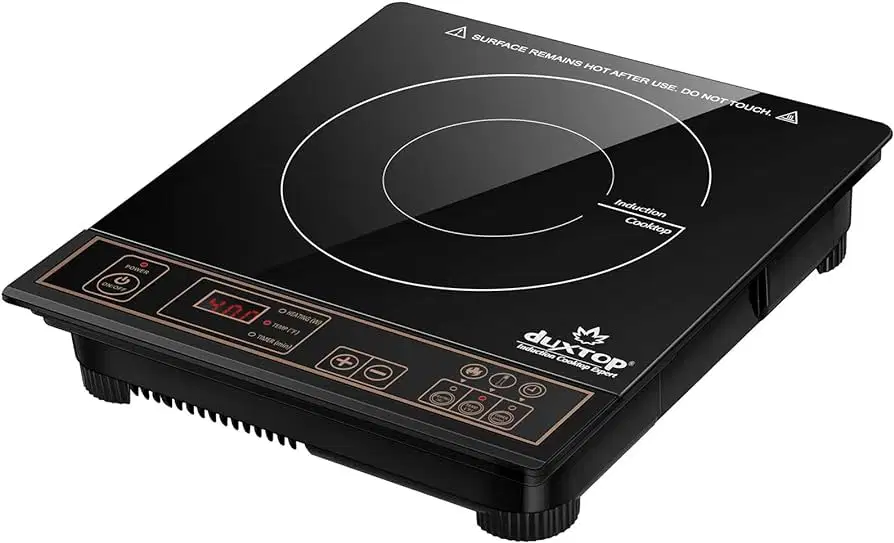
What is the process of creating electricity in a wire by passing the wire through a magnetic field called?
Electrostatic induction
Electromagnetic induction
Thermal induction
Piezoelectric effect

Describe the three fundamental properties of electrical circuits.
Voltage, current, and resistance
Conductance, impedance, and reactance
Frequency, phase, and amplitude
Wattage, efficiency, and capacity

What is the term used to describe the number of cycles per second in an alternating current?
Amplitude
Frequency
Wavelength
Velocity

Define alternating current (ac).
Current that flows continuously in one direction
Current that flows in multiple directions all the time
Current that reverses direction periodically
Current that varies in magnitude only

What can I use this tool for?
This tool can help me find voltage readings on my car battery.
I can check for the proper range of resistance in electronic components in my car.
I can use it to check if power is getting to a part of my car.
All of these are correct.
In order for electricity to flow through a circuit, the circuit must be a closed, complete:
Path, so that the electricity can make a complete circle.
Donut, because circuits get hungry.
Wire, made out of rubber.
Solar panel, because circuits only work with the sun.

The circuit on the left is not complete (the light is off) because:
the switch is closed
the switch is open
the battery is missing
the battery is in backwards
The circuit on the right is complete (the light is on) because:
the switch is closed
the switch is open
the battery is hot
the battery is red

How many light bulbs would be ON with this complete circuit?
1
3
2
4

How many light bulbs would be ON if the wire of this circuit was cut where the scissors are?
1
3
2
0

How many light bulbs would be ON if the wire of this circuit was cut where the scissors are?
1
3
2
0

Circuit "A" is broken, because:
the switch is open
the switch is closed
the switch is black
the switch is not there
Circuit "B" is working (it flows), because:
the switch is open
the switch is closed
the switch is black
the switch is not there
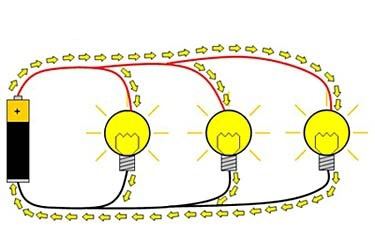
What type of circuit is shown in the picture?
Series Circuit
Broken Circuit
Parallel Circuit
Open Circuit

What is missing from this circuit? Why would the light bulbs be off?
The battery, there is no power for the circuit to work.
The switch is open, so the circuit is broken.
The third light bulb, that is needed to complete the circuit.
The wires are not connected properly.

This steel paperclip would allow electricity to flow through it because:
it is a conductor
it is an insulator
it is friendly
it breaks the circuit

This rubber ducky would block the flow of electricity, because:
it is a conductor
it is an insulator
it is yellow
it completes the circuit

True or False: A wooden block would allow electricity to flow through it because wood is a great conductor of electricity.
True
False

True or False: A steel nail would allow electricity to flow through it because steel is a great conductor of electricity.
True
False
Which one of these is a good conductor of electricity?
Paper Tube
Wax String
Metal Wire
Hot Tacos

Look at the diagram. What is the term for "A"?
Conductor
Switch
Transformer
Source

Look at the diagram. What is the term for "B"?
Conductor
Switch
Transformer
Source

Look at the diagram. What is the term for "C"?
Conductor
Switch
Transformer
Source

Look at the diagram. What is the term for "D"?
Conductor
Switch
Transformer
Source
A ______ opens and closes an electric circuit.
conductor
switch
source
insulator
A material that does not allow electricity to flow through the circuit is known as a _____
conductor
insulator
source
switch
A material that allows electricity to flow through the circuit without disruption is ______
conductor
insulator
switch
source
An example of a conductor of electricity is
rubber
plastic
glass
copper
An example of an insulator of electricity is
rubber
copper
silver
iron
Electricity from a power plant, solar conversion, and batteries are all examples of _____
conductors
insulators
sources
switches
A circuit with the switch open allows
electricity to flow so the switch is on
electricity to NOT flow so the device is on
electricity to flow so the device is off
electricity to NOT flow so the device is off
Every circuit needs AT LEAST which of the following
source, conductor, transformer
switch, conductor, transformer
insulator, switch, source
source, insulator, conductor
A ____ circuit has more than one path available for electrons to flow through, so if one portion of the circuit is not functioning, the whole circuit does not shut down
series
parallel
incomplete
complete
A ____ circuit has only one path for electrons to flow and therefore, when one portion of the circuit is disrupted, the whole circuit shuts down.
series
complete
incomplete
parallel

What is the power source in this circuit?
Bulb
Switch
Wire
Battery

What type of circuit is shown?
Parallel
Series
Open

What are the 3 basic components of a circuit?
Energy source, Load, Energy Pathway
Battery, Energy source, Energy Pathway
Battery, Wire, Energy Pathway
ALL of them

What type of circuit is shown?
Parallel
Series
Open
How many paths does a series circuit have?
4
3
2
1
The voltage does not stay rhe same in a parallel circuitt.
False
True
Adding more loads to a parallel circuit will increase the currentt.
True
False.

