
 Worksheets
Pre-AP Bio Unit 1: Ecology
Total questions: 78
Worksheet time: 43mins
Water cycles between the abiotic and biotic systems in a process known as the _____ cycle.
Carbon
Hydrologic
Nitrogen
Phosphorus
Where does the energy needed for the water cycle to occur, come from?
The Moon
The Sun
Producers
Omnivores

What type of bond is found BETWEEN water molecules?
hydrogen bonds
ionic bonds
nonpolar covalent bonds
polar covalent bonds



Which of the following is the correct molecular structure for water, H2O?
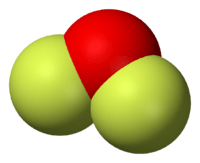
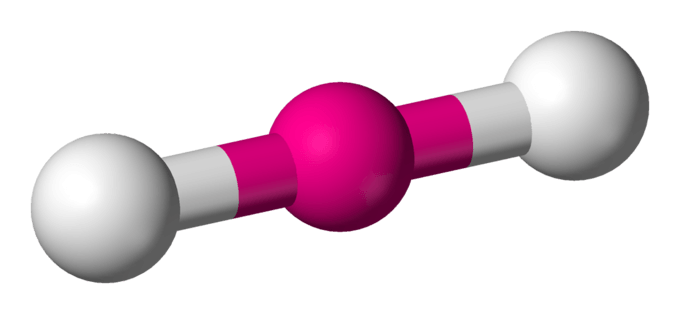
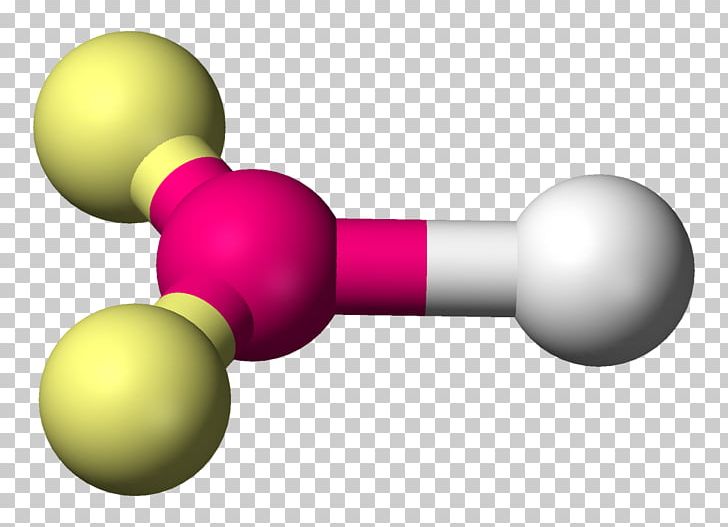
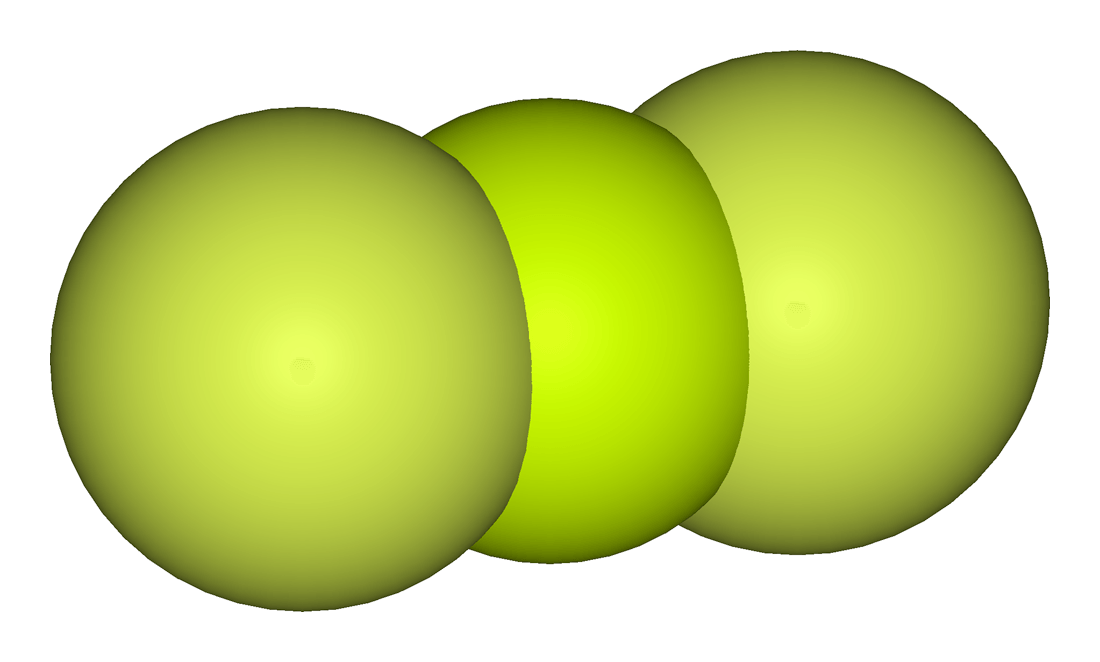
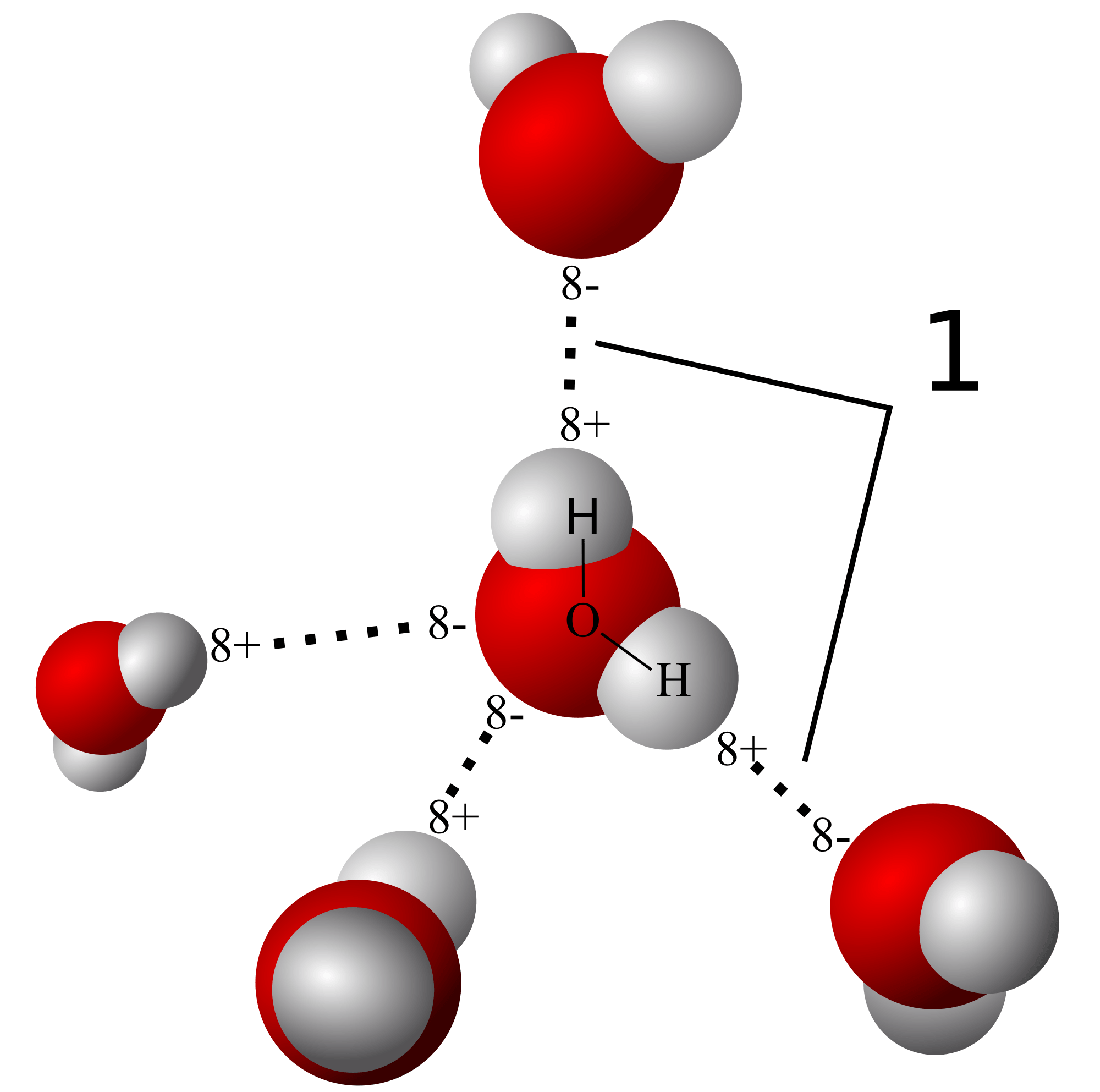

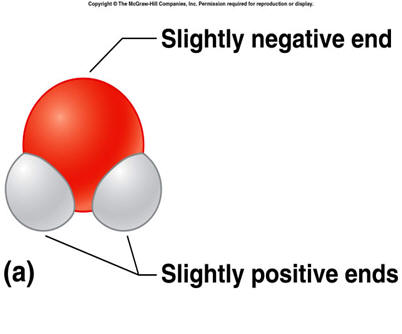
The type of bond that holds the hydrogen and oxygen atoms together within a water molecule are known as ____ bonds.
Ionic
Hydrogen
Polar Covalent

biotic
abiotic

biotic
abiotic

biotic
abiotic

What do 'plants' do with the carbon they receive?
They turn it into water
They don't need carbon
They turn it into food by photosynthesis
They keep it forever

How does carbon get from animals and back into the atmosphere? (CHOOSE ALL THAT APPLY)
Respiration (breathing)
After they die, they are broken down by decomposers
Photosynthesis
None of these

How do animals get carbon?
Photosynthesis
They absorb it from the atmosphere
The sun
They eat other plants and animals

How is carbon recycled?
The carbon cycle
At the recycle plant
It can't be recycled
Through water
Which process contributes carbon dioxide to the atmosphere?
respiration
photosynthesis
tree farms
What converts nitrogen gas into a usable form for plants and animals?
bacteria
rain
fungi
car exhaust
The process in which nitrogen circulates and is recycled is called
The nitrogen cycle
The carbon cycle
The water cycle
The phosphorus cycle
Organisms that need nitrogen to survive.
only plants
only animals
only bacteria
all living things
How do animals get the nitrogen they need?
From the air they breathe
From the water they drink
From the food they eat
From the sun
Plants and animals cannot use nitrogen directly from the air.
True
False
Phosphorus is a critical element for organisms, as it helps make up numerous biomolecules such as ____.
DNA
Water
Carbon Dioxide
Glucose
_____ competition occurs between members of the SAME species for food, mates, and other resources
Intraspecific
Interspecific
_____ competition occurs between members of DIFFERENT species for food, mates, and other resources
Intraspecific
Interspecific
A group of individuals belonging to the same species living in the same general area at the same time.
population
community
ecosystem
biosphere
Number of individuals per unit area or volume.
denisty
dispersion
survivorship
immigration

At what population was carrying capacity met?
250
1000
400
720

Exponential population growth can be described as
growth when resources are limited
a j-shaped curve
a s-shaped curve
growth that reaches carrying capacity
What limits Population Growth?
birth rates increasing
resources being used up
natural selection taking place
none of the above

Density-independent limiting factors to population growth includes
stress from overcrowding
parasitism
competition
natural disasters
Factors in the environment that depends on the number of organisms in a population.
Density Dependent
Density Independent
droughts, floods, hurricanes and fires
Density Dependent
Density Independent

What happens if a population grows past its carrying capacity?
The population keeps growing
The population starts to die off
The entire species will go extinct
The carrying capacity just increases
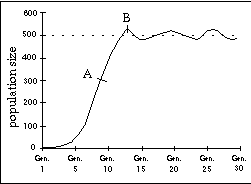
What is the carrying capacity of the graph?
around 500
more than 800
less than 300
around 700
Species that have a capacity for a high rate of population growth (r). They tend to have short life spans and produce many, usually small, offspring, to which they give little or no parental care or protection. Examples include algae, bacteria, and most insects.
k-related species
k-selected species
r-related species
r-selected species
Species that tend to do well in competitive conditions when their population size is near the carrying capacity (K) of their environment. They tend to have long lifespans, reproduce later in life, and produce few offspring. Examples include elephants, whales, humans, saguaro cacti, and most tropical rain forest trees.
k-resistance
r-resistance
k-selected species
r-selected species
A producer
Eats grass
Makes its own food
Does not need food(energy)
Is a primary consumer
A primary consumer
makes its own food
eats other animals
is a carnivore
consumes the producer
An animal that only feeds on plants is called
Vegetarian
Herbivore
Carnivore
Vegan
A secondary consumer
Only eats meat
Only eats plants
makes its own food
eats the primary consumer
Carnivores
Animals that feeds on flesh and plants
An animal that doesn't like meat
An animal that feeds on flesh
A human
The first trophic level is
Carnivore
Producer
Primary Consumer
Herbivore
tertiary consumers
Eat the primary consumer
Eat plants and animals
Consume the producer
eat the secondary consumer
How many calories will be passed on from 250 to the next trophic level?
2,500
25
2.5
10%
a producer always
eats other producers
gets energy from the sun
is a herbivore
is a plant
Which trophic level makes its own food?
producer
carnivore
herbivore
animals
A food chain shows more feeding relationships than a food web
true
false
Which animal is an omnivore?
Bear
Horse
Shark
Lion

The primary consumer in this image is the....
Hawk
Grass
Grasshopper
The metabolic activity required to utilize the energy available in any given trophic level results in a loss of ______ energy to the environment, as heat.
solar
chemical
thermal
The energy available to organisms _____ from lower-order trophic levels (producers) to higher-order trophic levels (tertiary comsumers).
decreases
increases
stays the same
Biologically _____ ecological communities are more resilient to environmental changes, and therefore more stable.
diverse
similar
_____ biomes are those that are on land.
Terrestrial
Aquatic
_____ biomes include oceans, lakes, and rivers.
Terrestrial
Aquatic
_____ water occurs when oceans and rivers meet.
Fresh
Salt
Brackish
A species that plays a far more important in its community than its relative abundance might suggest.
Keystone Species
Pioneer Species
Indicator Species
Exotic Species

A keystone species that create, modify, or maintain the landscape around them. For example, a beaver.
keystone predator
keystone prey
keystone ecosystem engineer
keystone plant

Prairie dogs are an important food source for 130+ species. Their digging and burrowing create healthy soil for grasslands and their burrows become shelter for many other animals. Which two types of keystone species are they?
predator
prey
plant
ecosystem engineer
The ecological role an organism performs in their specific environment is considered the organism's...
Habitat
Population
Biome
Niche
What does the word biodiversity mean?
Bio = life
Diversity = same
Bio = Earth
Diversity = variety
Bio = life
Diversity = variety
Bio = Earth
Diversity = same
The Amazon Rainforest is very species-rich, as it is home to 10 million species. The Sahara Desert is far less rich, with only a few thousand species. Which ecosystem has less biodiversity?
The Amazon Rainforest
The Sahara Desert

