wayground logo

Free Printable Worksheets

Font size

S
M
L
XL
Worksheets

Biology Pre-assessment

Total questions: 75

Worksheet time: 2hrs 30mins

Name
Class
Date
1.
What is the original source of almost all energy in most ecosystems?
a)
carbohydrates
b)
sunlight
c)
water
d)
carbon
2.
Which of the following is the correct equation for PHOTOSYNTHESIS?
a)
CO+ light + H2O --> O+ Sugar
b)
CO+ sugar + H2O --> O+ light
c)
O2 + light + H2O --> CO+ Sugar
d)
CO+ O2 + H2O --> Light+ Sugar
3.
In the energy pyramid here, which organisms have the most energy available?
a)
Producers
b)
Carnivores
c)
Herbivores
d)
Top Predator
4.
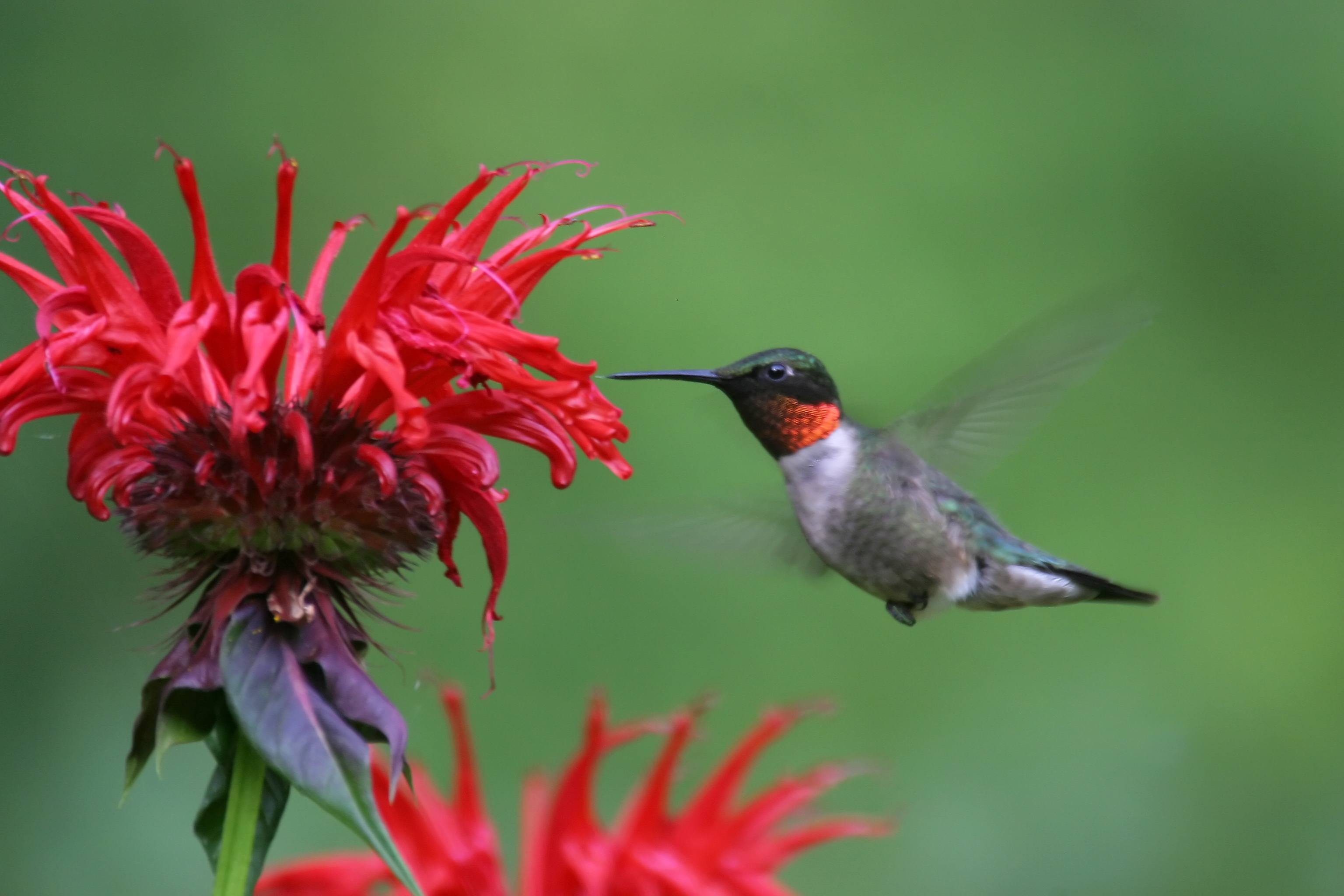
What type of symbiosis?  Hummingbirds feed on nectar from flowers.  The flowers are pollinated by hummingbirds as they move from flower to flower.
a)
commensalism
b)
mutualism
c)
parasitism
d)
predation
5.
“Powerhouse” of the cell, breaks food down into energy for the cell
a)
Vacuole
b)
Chloroplast
c)
Nucleus
d)
Mitochondria
6.

Which phase of mitosis is seen in the picture?

a)

Cytokinesis

b)

Interphase

c)

Anaphase

d)

Metaphase

7.
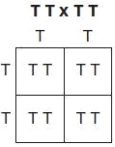
What ratio of the offspring from the cross shown will be homozygous recessive for the trait of tallness? 
a)
0 in 4
b)
1 in 4
c)
2 in 4
d)
4 in 4
8.

In a DNA strand, Guanine bonds with ______________.

a)

Adenine

b)

Guanine

c)

Cytosine

d)

Thymine

9.
Which biome contains large populations of grazing herbivores, few species of birds, and deep, rich soil?
a)
taiga
b)
tundra
c)
deciduous forest
d)
grassland
10.
Which abiotic factor limits the altitude at which plants can grow?
a)
the presence of a parasite
b)
the temperature of the area
c)
the presence of herbivorous animals
d)
the concentration of microbes in the soil
11.
Tapeworms may attach to host humans in their intestines.  They constantly take in nutrients and the host is left tired, hungry, and sick.  What type of symbiotic relationship is this?
a)
Mutualistic
b)
Parasitic
c)
Commensalistic
d)
Predator/Prey
12.

What Is The Arrow Pointing Too ?

a)

Nucleus

b)

Cell Membrane

c)

Plasma Membrane

d)

Cell Wall

13.

Solutions Of Equal Solute Concentration ...

a)

Osmosis

b)

Hypotonic

c)

Hypertonic

d)

Isotonic

14.

Hypertonic Means ...

a)

A Solution With Higher Solute Concentration Relative To Another Solution (Across The Membrane)

b)

A Solution With Lower Solute Concentration Relative To Another Solution (Across A Membrane)

c)

A Solution With Solute Concentration Relative To Another Solution (Across A Membrane)

d)

A Solution With No Solute Concentration Relative To Another Solution (Across A Membrane)

15.
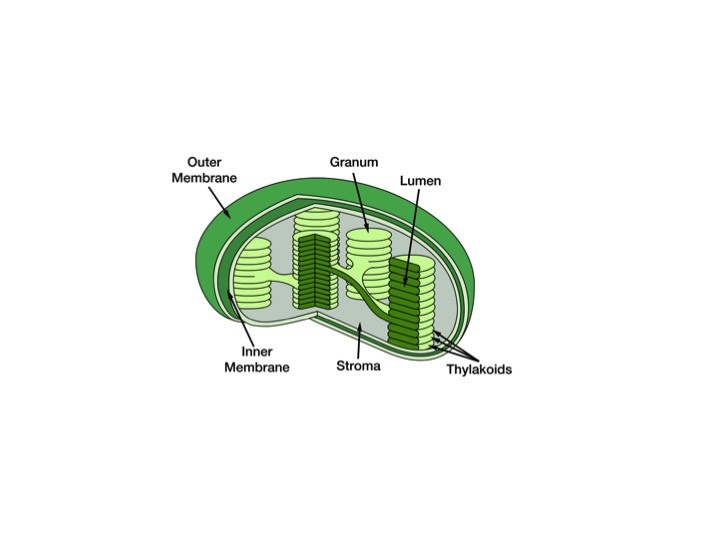
What is the pigment in chloroplasts that performs photosynthesis?
a)
Chlorosynthesis
b)
Chlorophyll
c)
ADP
d)
Electron Transport
16.
Which gas is removed from the atmosphere during photosynthesis?
a)
hydrogen
b)
oxygen
c)
nitrogen
d)
carbon dioxide
17.
What are the products of photosynthesis?
a)
water and carbon dioxide
b)
oxygen and glucose
c)
oxygen and carbon dioxide
d)
oxygen and water
18.
Leaves look green because.....
a)
they eat their vegetables
b)
to blend into their environment
c)
they contain a molecule named chlorophyll
d)
they are sick
19.
Movement of anything from an area of high concentration to low concentration.
a)
Diffusion
b)
Hypotonic
c)
Isotonic
d)
Passive Transport
20.

this is the monomer of the biomolecule that contains your genetic makeup

a)

protein

b)

nucleic acid

c)

lipid

d)

carbohydrate

21.

enzymes are made from

a)

proteins

b)

nucleic acids

c)

lipids

d)

carbohydrates

22.
Chloroplasts are...
a)
Structures of animal cells to produce ATP
b)
Organelles where lipids are elaborated
c)
Specialized structures of plants where food is made
d)
Waste organelle of plants
23.
The type of polysaccharide which serves as a strengthening tissue in the cell wall of plants is 
a)
cellulose
b)
glucose
c)
lactose
d)
fructose
24.
Glucose is a _____.
a)
carbohydrate
b)
lipid
c)
protein 
d)
nucleic acid
25.
Proteins are composed of what smaller building blocks?
a)
amino acids
b)
nucleic acids
c)
fatty acids
d)
nucleotides
26.
Which group of organic molecules serve as long-term energy storage and make the cell membrane is?
a)
proteins
b)
carbohydrates
c)
lipids
d)
nucleic acids
27.
Attractions between water molecules are called
a)
Covalent bonds
b)
Ionic bonds
c)
Polar bonds
d)
Hydrogen bonds
28.
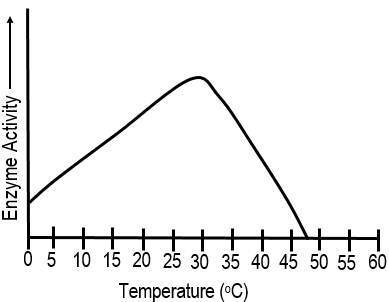
Based on the graph, what temperature does this enzyme work best? 
a)
15 C
b)
40 C
c)
30 C
29.
What happens when enzymes are heated to a high temperature?
a)
The enzymes die.
b)
The shapes of the enzyme are altered or denatured
c)
The enzymes' amino acid sequence changes.
d)
The enzymes remain the same
30.
Enzymes are _________ that __________ chemical reactions.
a)
proteins, slow down
b)
proteins, speed up
c)
lipids, slow down
d)
lipids, speed up
31.
Which letter represents the negative end?
a)
A
b)
B
c)
C
d)
D
32.
The property where water molecules are attracted to other water molecules.
a)
adhesion
b)
capillary action
c)
cohesion
d)
universal solvent
33.

Which structure makes proteins?

a)

mitochondria

b)

nucleus

c)

ribosome

d)

lysosome

34.

What is the compliment to the following strand? TAT-TAG-ATT-ACA

a)

UTU-UTC-TUU-TGT

b)

ATA-ATC-TAA-TGA

c)

AUA-AUC-UAA-UGU

d)

TAT-TAG-ATT-ACA

35.

What type of cell is pictured above?

a)

Plant Cell

b)

Animal Cell

36.

What type of cell is pictured above?

a)

Plant Cell

b)

Animal Cell

37.
Which type of cell?
a)
Prokaryote
b)
Eukaryote
38.
What are the products of photosynthesis?
a)
water and carbon dioxide
b)
oxygen and glucose
c)
oxygen and carbon dioxide
d)
oxygen and water
39.
The tiny cell structures inside the cell are called 
a)
Particles 
b)
Organelles 
40.
Water moving from areas of high concentration to low concentration.
a)
Photosynthesis
b)
Osmosis
c)
Cellular Respiration
41.
Which of the following best describes a DNA molecule?
a)
double helix
b)
contains ribose
c)
made of amino acids
d)
contains Uracil
42.
The physical traits of an organism
a)
Teletype
b)
Genotype
c)
Mesotype
d)
Phenotype
43.
GMO stands for 
a)
Genetically modified organism
b)
Genetically made organism
c)
Generically made organ
d)
Generically modified organism
44.
The purpose of selective breeding is to 
a)
Get bigger animals
b)
get smaller animals
c)
create animals with desirable traits
d)
create animals with bad traits
45.
The structure shown in the diagram is a _____________?
a)
chromatid
b)
chromosome
c)
centromere
d)
DNA
46.
Survival of the Fittest and Evolution were proposed by what scientist?
a)
Charles Darwin
b)
Albert Einstein
c)
Steven Hawking
d)
Isaac Newton
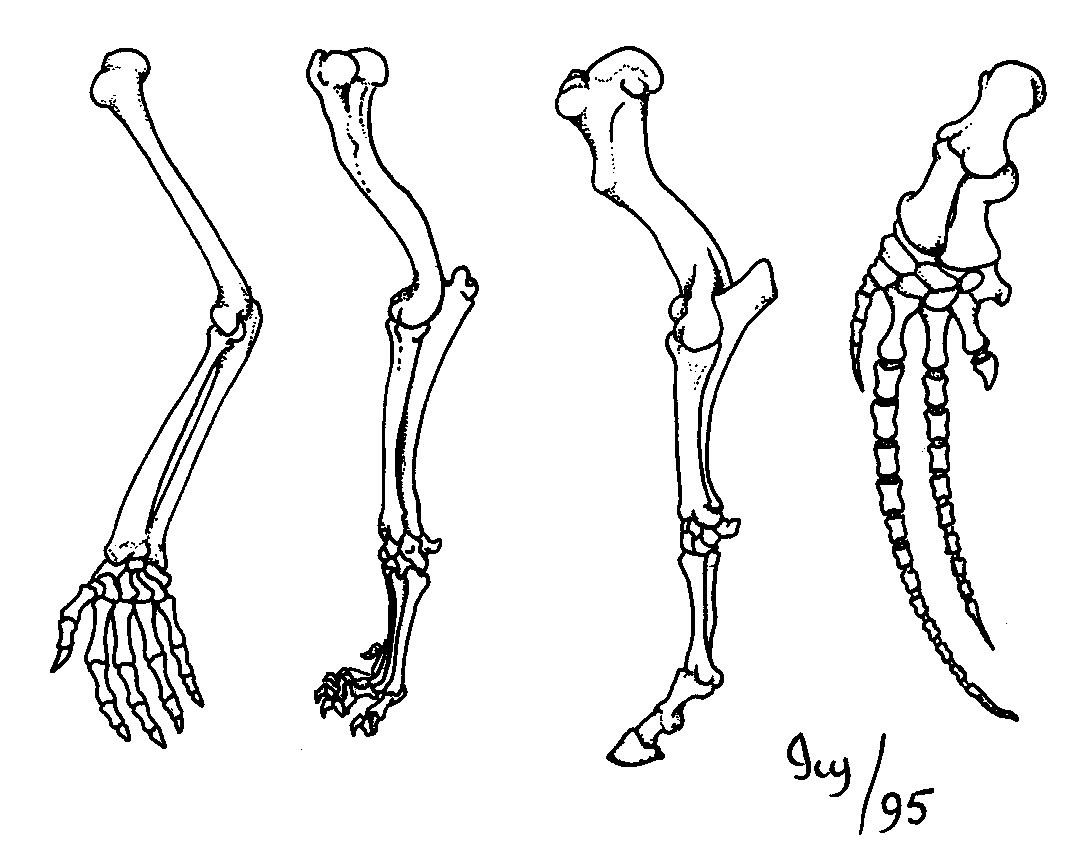
47.
Structures with the same parts have different functions; suggests that organisms share a common ancestry
a)
vestigial structures
b)
homologous structures
c)
adaptive radiation
d)
fossil
48.
Remains of ancient organisms are called
a)
Extinctions
b)
Fossils
c)
Mutations
d)
Variations
49.

What is the term for a feature that allows an organism to survive better in its environemtn?

a)

variation

b)

adaptation

c)

homologous structure

d)

vestigial structure

50.

A (an) ____ is an environmental change that directly influences the activity of an organism.

a)

stimulus

b)

behavior

c)

innate response

d)

fixed action pattern

51.

A _________ is defined as a way an animal responds to a stimulus.

a)

response

b)

instinct

c)

attitude

d)

behavior

52.

A spider making a web is an example of a .........

a)

stimulus

b)

genetic behavior

c)

fixed action patern

d)

learned behavior

53.

Which of the following is not a type of microbe?

a)

bacteria

b)

fungi

c)

mosquito

d)

virus

54.

Chicken pox is caused by __________ .

a)

protozoa

b)

virus

c)

bacteria

d)

fungus

55.

Which microscopic organism is treated with antibiotics?

a)

virus

b)

bacteria

c)

fungi

d)

parasite

56.

Which pathogen is nonliving?

a)

virus

b)

bacteria

c)

fungi

d)

parasite

57.

Each of the following statements is true except -

a)

viruses infect living cells

b)

viruses can replicate without a host

c)

viruses can cause illness

d)

viruses come in different types

58.

What is the incubation period for the coronavirus?

a)

24 hours

b)

7 - 10 days

c)

3 - 5 days

d)

Up to 14 days

59.
An organism that needs to eat other organisms to obtain energy is known as a:
a)
Autotroph
b)
Producer
c)
Consumer
d)
Mutualist
60.
The rabbit in this food web would be considered a:
a)
Decomposer
b)
Producer
c)
Secondary Consumer
d)
Primary Consumer
61.
In this Food Web Pyramid Which type of consumer gets only 10% of the energy stored in plants?
a)
Herbivore
b)
Carnivore
c)
Omnivore
d)
Secondary Consumer
62.
The amount of energy that usually transfers from one trophic level to the next...
a)
10%
b)
20%
c)
80%
d)
50%
63.
The nonliving aspects of an ecosystem.
a)
Abiotic factors
b)
Biotic factors
64.
What type of blood is the universal donor?
a)
AB+
b)
AB-
c)
O+
d)
O-
65.
What antigens are present in a person with type B- blood?
a)
B, only
b)
B and Rh
c)
A and Rh
d)
A, only
66.
What types of antigens are present in a person with O+ blood?
a)
A and B
b)
Rh, only
c)
A, B and Rh
d)
None
67.
Robert Hooke, Anton van Leeuwenhoek, Theodor Schwann, Rudolf Virchow, and Matthias Schliden were all responsible for what theory?
a)
The Theory of Gravity
b)
The Theory of Relativity
c)
The Cell Theory
d)
The Theory of Continental Drift
68.

Which month had the greatest number of books read?

a)

November

b)

December

c)

January

d)

February

69.

Which variable should be on the x axis?

a)

dependent variable

b)

independent variable

c)

control variable

70.

Which variable should be on the y axis?

a)

the dependent variable

b)

the independent variable

c)

the control variable

71.
H20 is the symbol for what?
a)
Sodium
b)
Potassium
c)
Hydrogen Peroxide
d)
Water
72.
What is the difference between the highest score and the lowest score on the test?
a)
15
b)
100
c)
6
d)
10
73.

The study of the interactions between organisms and the biotic and abiotic components of their environment.

a)

Economics

b)

Zoology

c)

Biology

d)

Ecology

74.

This is a group of interacting populations in a geographic area.

a)

population

b)

community

c)

ecosystem

d)

biome

75.

This is a 20 kilometer wide band around the Earth where all life is found.

a)

atmosphere

b)

lithosphere

c)

hydrosphere

d)

biosphere