
 Worksheets
Early units review 5-6-24
Total questions: 150
Worksheet time: 3hrs 34mins
Rules or laws handed down to Moses by God
4 Noble Truths
10 Commandments
8 Fold Path
12 Tables
Buddhist belief; The path to end suffering and reach Nirvana
4 Noble Truths
8 Fold Path
Mandate of Heaven
Karma

a state of oneness with the universe and the end of the cycle of rebirth according to Buddhists
nirvana
varna
dharma
karma

the idea that one's actions in life determines one's destiny and future
karma
dharma
reincarnation
mandate
The blending of multiple cultures and/or religious traditions and beliefs
Karma
Dharma
Martyr
Syncretism

A society in which men hold power and women are largely excluded from it.
Imperial Bureaucracy
Meritocracy
Tribute
Patriarchy
A type of government in which talented people can rise to positions of power, despite their status in society.
Imperial Bureaucracy
Meritocracy
Tribute
Patriarchy
Money paid to stronger societies by weaker ones in order to keep the peace.
Imperial Bureaucracy
Meritocracy
Tribute
Patriarchy
A Chinese religious tradition that focuses on living a simple life in harmony with nature.
Confucianism
Doaism
Buddhism
Neo-Confucianism
A syncretic religious system that combined elements of different religions in China during the Song period.
Confucianism
Doaism
Buddhism
Neo-Confucianism
This process led to a large population increase in China during the Song period.
Proto-Industrialization
Agricultural Improvements
Transportation Advancements
Technological Innovations
This society was geographically close to China and subject to invasions from its more powerful neighbor. It was heavily influenced by Chinese culture, politics and art.
Korea
Japan
Vietnam
Dar al-Islam
This society was heavily influenced by the culture, politics and art of China, but was able to maintain some independence because the ocean provided a natural barrier to the Chinese military.
Korea
Japan
Vietnam
Dar al-Islam
This society was heavily influenced by the culture, politics and art of China, but tried to limit the influence of China by waging rebellions against its larger neighbor.
Korea
Japan
Vietnam
Dar al-Islam
Valuable goods from China found their way into Europe through traders from this area.
Korea
Japan
Vietnam
Dar al-Islam

Which AP World Region best represents #13
South America
North America
Latin America
South Africa
A large, complex organization composed of appointed officials
Bureaucracy
Filial Piety
Scholar Gentry
Tribute system
In feudal Japan, a noble similar to a duke; military commanders that often enacted more power than the emperor
Shogun
Daimyo
Samurai
Shinto
Chinese dynasty (1368-1644) financed voyages of Zhenghe
Ming
Song
Tang
Sui
Chinese dynasty (1279-1368) established by Mongols under Kublai Khan leadership
Yuan
Song
Ming
Tang
Korean dynasty
Goryeo
Song
Ming
Kamkura Shogunate
Chinese Muslim who was a naval explorer in the Indian Ocean
Zheng He
Ibn Batutta
Marco Polo
Mansa Musa
1,100-mile waterway linking norther and southern China
Grand Canal
Great Wall
Silk Road
Flying Cash
The Crusades led to Europeans
converting to Islam
embracing Confucian ideas
demand for exotic and luxury products from the East
exploring the Atlantic for new trade partners
controlling the entire Middle East
All of these terms refer to innovations in sea travel EXCEPT
astrolabe
caravanserai
magnetic compass
stern rudder
Chinese junk
Kashgar and Samarkand were important because
they were cities along the Silk Road
they were Mongol rulers
they were products found only in the Spice Islands
they were islands along the Indian Ocean trade routes
they founded the Mali Empire in West Africa
In general, the time period from 1200 to 1450 saw
decreased trade due to disease and wars
no discernible change in trade
increased trade due to more demand for products
decreased trade due to unsafe trade routes
more trade in Africa but less in Asia
This innovation allowed merchants to deposit funds at one location and withdraw them at another
the Hanseatic League
caravanserai
astrolabe
flying cash
credit unions
The Mongols initially moved away from their ancestral lands in Central Asia because
it was invaded by China
it became overcrowded
the climate grew warmer and drier
the Little Ice Age began
they wanted to participate in the Indian Ocean trade
Temujin became known as Genghis Khan when he
successfully conquered Japan
united all Mongol tribes under his rule
completed the Great Wall of China
converted to Islam
destroyed the Chinese capital city
In terms of trade, Mongol rule was
helpful since they provided safety for traders along the routes
not a factor
helpful because they built all new trade roads
negative since more raiders and pirates emerged
negative since most trade was outlawed by the Mongol rulers
The Golden Horde was the Mongol army that
surrendered to the Chinese Ming leaders
traveled the Americas and met the Aztecs
destroyed the Silk Roads
conquered most of Russia and parts of Europe
was lost attempting to cross the Himalayan Mountains
Kublai Khan
was not related to Genghis Khan
conquered China and set up the Yuan Dynasty
tried and failed to conquer China
overthrew Genghis Khan, who was his father
led a fleet of over 300 ships around the known world
Calicut and Cambay were examples of
Mongol rulers
East African city-states
trade cities in South Asia
merchant vessels used for hauling cargo
islands known for spice production
All of these combinations are correct EXCEPT
Malaysia & Indonesia--spices
East Africa--gold, ivory, slaves
China--silk, porcelain
India--fabrics and carpets
Southeast Asia--corn, slaves
Monsoon winds
were not a factor for merchants
determined where and when merchants could travel
led to the spread of Buddhism in East Africa
kept the Mongols from invading Africa
made trade on the Indian Ocean impossible
The empire that benefitted most from the Trans-Saharan trade routes was
Mongol
Chinese
Indian
Mali
Malacca
The animal best suited for cross-desert travel was the
elephant
camel
horse
llama
ox
Timbuktu was the Mali city that became known for
ivory production
Champa rice
Islamic learning
Jewish settlements
spice production
All of these were effects of the Black Plague EXCEPT
around 50% of Europe's population died
Most European nations became Islamic
a lack of workers which led to food shortages
a belief in some regions that it was the end of the world
a loss of faith in the pope and the Catholic Church
Although India was fractured politically in this era, its people were unified by
Islam
Hinduism
socialism
a shared hatred of Mongols
monotheism
In the early 13th century, Islamic forces invaded northern India and set up the
Dehli Sultanate
Mamluk Sultanate
Persian Empire
new religion combining Hindu & Muslim beliefs
Vijayanagara Empire
People in India converted to Islam because
they were threatened with their lives
there was no existing dominant religion in India
for financial reasons or to escape the caste system
they wanted to visit Mecca
to appease their Mongol rulers
The Bhakti Movement
emphasized a personal relationship with Allah
occurred mainly in the Middle East
was a spiritual movement that emphasized connecting with one Hindu god
emphasized loyalty to your ruler
was an example of Buddhism influencing Hinduism
Empires such as the Khmer in Southeast Asia reflected the influence of
Hindu and Buddhist culture
trade with China
their Mongol rulers
the Dehli Sultanate
the Trans-Saharan trade
In the Americas, the Mississippian people were known for
human sacrifices
mound building
huge defensive walls
gold mining
technology such as the printing press
The main form of Mayan government was
democracy
totalitarianism
city-states
anarchy (no government)
oligarchy
The Mayans would best be described as
primitive hunter-gatherers
a class consisting of mainly warriors
innovative, especially in math and astronomy
strictly monotheistic
people who lived after the Aztecs and Incas
All of these are true of the Aztecs EXCEPT
they worshipped many gods (polytheism)
they worshipped one main God (monotheism)
their government was a theocracy (rule by religious laws)
they included human sacrifices in their ceremonies
they built huge pyramids and temples to their gods
Animism was a common factor in the Inca and other Native American tribes. This means
humans must be killed to appease the gods
they believe there is no afterlife
elements in the physical world have supernatural powers
men could take multiple wives
they were nomadic
Kin-based networks formed in Sub-Saharan Africa, which are based on
trade
families
slavery
religion
monotheism
All of these are true about the Mali Empire EXCEPT
grew wealthy mining gold
achieved its peak under Mansa Musa
was mainly Islamic
wealth was based mainly on the ivory trade
included Timbuktu, which housed great universities

What is the location of #1
Oceania
East Asia
South Asia
North America
MIddle East
What is the location of #2
Latin America
East Asia
South Asia
Mexico
MIddle East
What is the location of #1
Oceania
East Asia
South Asia
North America
MIddle East
What is the location of #2
Latin America
East Asia
South Asia
Mexico
MIddle East
What is the location of #3
Latin America
East Asia
South Asia
Mexico
MIddle East
What is the location of #4
Central Africa
East Asia
South Asia
West Africa
North Africa
What is the location of #5
Central Africa
East Asia
South Asia
West Africa
North Africa
What is the location of #6
Central Africa
Southern Africa
South Asia
West Africa
North Africa
What is the location of #7
Central Africa
Southern Africa
Southeast Asia
West Africa
North Africa
What is the location of #8
Central Africa
Southern Africa
Southern Asia
West Africa
East Africa
What is the location of #9
Middle East
Southern Asia
South Africa
Southeast Asia
East Africa
What is the location of #10
Middle East
Southern Asia
Asia
Southeast Asia
Central Asia
What is the location of #11
Middle East
Southern Africa
South Asia
Southeast Asia
Central Asia
What is the location of #12
Middle East
Southern Asia
East Asia
Southeast Asia
Central Asia
What is the location of #13
Middle East
South Asia
East Asia
Southeast Asia
Central Asia
What is the location of #14
Africa
South Asia
East Asia
Southeast Asia
Oceania
What is the location of #15
North America
Caribbean
Latin America
Southeast Asia
Oceania
Which of the following is not a gunpowder empire?
Safavid
Ottoman
Europe
Mughal
What is a trend of large empires during the 1450s-1750s?
More government centralization
Less government centralization
Which of the following is NOT a way empires centralized power?
Taxes
Bureaucratic elites to help with gov jobs
War
Arts and religion
Military

The map below displays which gunpowder empire?
Ottoman
Safavid
Mughal
Russia
What group did Ivan IV of Russia take land from in East Asia?
Europeans
The Chinese
The Mongols
Choose the correct order of Chinese dynasties from earliest to latest in time?
Tang--> Song--> Yuan--> Ming--> Qing
Yuan-->Song--> Tang--> Qing
Song--> Tang--> Yuan--> Ming--> Qing
Why did the Safavid and Ottoman empires have religious tension?
Ottomans are Christian and Safavids are Muslims
Ottomans are Sunni and Safavids are Shi'ite
Both are Muslim so they had no religious tension
Which of the following is not an example of bureaucratic elite who helped centralize rule in empires?
Intendants
Gentry Officials
Boyars
Zamindars
Taj Mahal
What effect did the devshirme system have on the Ottoman empire?
It helped centralize government
It gave more power to the elites than the rulers
It led to wars between Christians and Hindus
Which of the following religions resulted from the Protestant Reformation?
Lutheranism
Anglicanism
Calvinism
Islam
Why was Martin Luther upset with the Catholic Church?
It was too tolerant of other religions
It was becoming too popular in Asia
It had too much conflict with Buddhism
Internal corruption and greed including indulgences
Which of the following was not a strategy used by Catholics in the Counter Reformation?
Jesuit missionaries
Council of Trent
More religious tolerance
Inquisition
How did many religious wars in Europe end?
With all countries becoming Catholic
With countries being allowed to select their own religion
Most never truly ended
With the widespread conversion to Islam
Which of the following is not an example of groups with religious tension?
Sunni Muslims vs Shi'a Muslims
Catholics vs Protestants
Sikhism vs Christianity

Which country had the largest sphere of influence in Latin America during the Age of Imperialism?
United States
Spain
Mexico
England

Select ALL of the following tactics used in the Scramble for Africa.
Racially segregated concentration camps
European diplomacy through the Berlin Conference
Militarization of European troops
Equal opportunity trading alliances with local leaders

What was Japan's response to foreign interference in the nineteenth century?
Adapt to Western politics and culture (Meiji Restoration)
Isolate themselves further by resisting and fighting
Became allies with the Chinese to become the dominant power in the region
Adapt to the ideas of the islanders and tribal people to resist

Why, in the time period c. 1750-1900, did European states fight to acquire overseas colonies?
To acquire raw materials to fuel their industrialization
To spread Enlightenment ideas
To abolish slavery worldwide
To stop the spread of Islam throughout the world

Which company took over other European states colonies in India?
British East India Company
British West India Company
Dutch East India Company
French East India Company

Why did European powers divide Africa by diplomatic agreements between each other?
Fear of going to war because of fierce competition
Rapid population increase in European colonies in Asia
Atlantic revolutions lead Europeans states to seek new troops
Creation of transnational business fostered exchange of raw materials
Select all of the countries who dominated others through Imperialism
Britain
Japan
China
United States
India
At what conference did the Europeans divide up Africa for their colonization?
Egypt Conference
London Conference
Belgium Conference
Berlin Conference
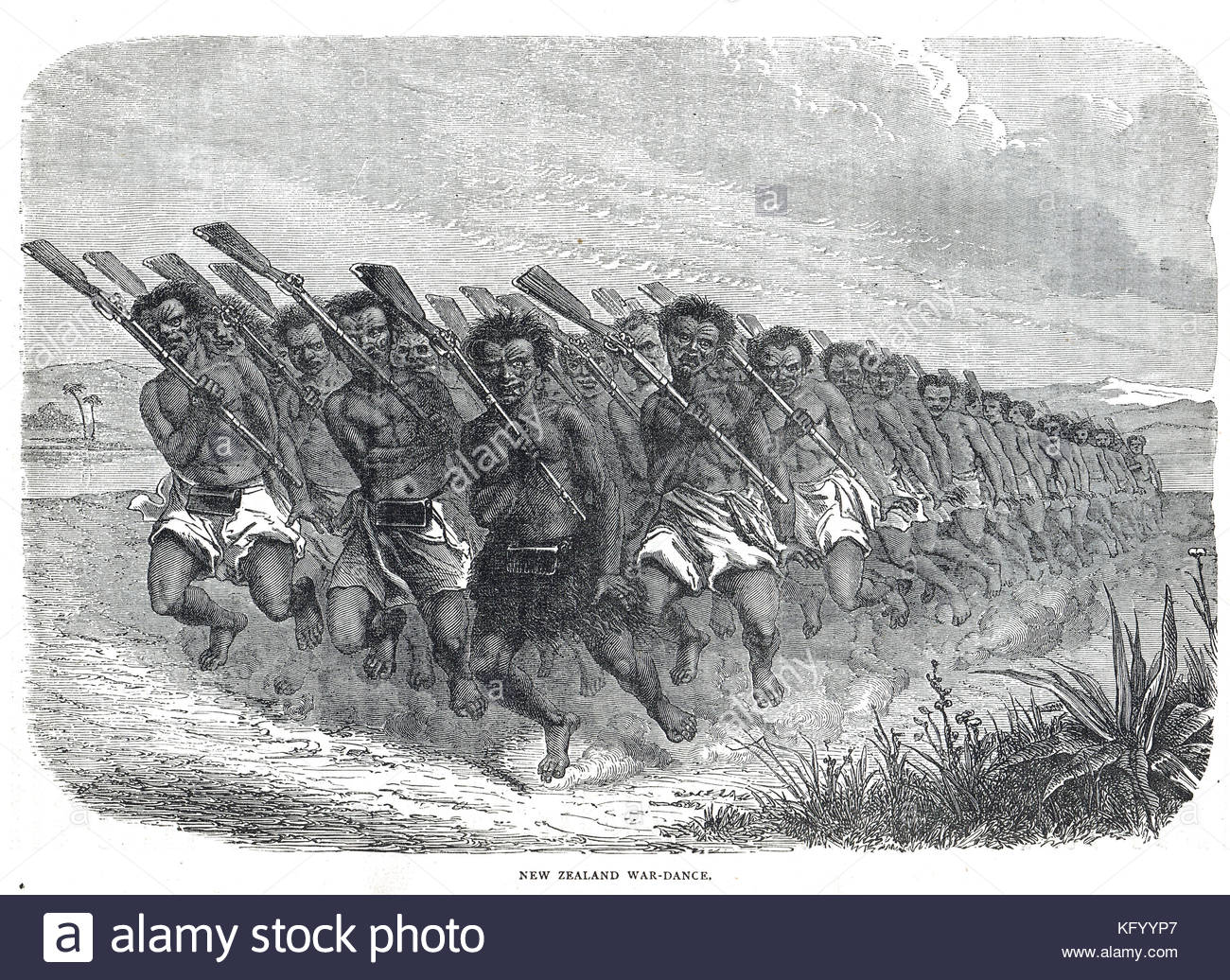
These Maori are going to war in
Australia
Indonesia
Kenya
New Zealand
France was most active in empire buiding in
North Africa
South Africa
China
The East Indies
The Monroe Doctrine
supported US Imperial ambitions
supported the British control of India
solved the "Scramble for Africa" issue
made the Opium Wars worse
Imperialism is
ONLY economic control over peoples
ONLY political control over peoples
Policy or ideology of extending the rule over peoples and other countries
Why were European countries imperializing? (Choose 2).
Economic gain
A way to learn about other cultures
To befriend people different from themselves
Access to raw materials

The economic system that prevailed from c. 1750-1900 was
Capitalism
Communism
Socialism
Mercantilism

What caused the Taiping and Boxer rebellions?
Foreign economic involvement in China
British selling opium to China
Indians refusing to touch the gunpowder pouches
Americans moving into West North America

Which was a state regulation of immigration during the nineteenth century?
Chinese Exclusion Acts
Congo Free State
White New Zealand Policy
Jim Crow Laws

Which of the following was the primary reason that immigrants created ethnic enclaves?
Support and safety
Refusal to assimilate
Difficulty finding work
Segregation by the government

Which of the following descriptions is an accurate change over time in the period c. 1750-1900?
Once the leader in scientific and economic development, China fell behind Europe
Once the leading producer of porcelain, China fell behind India
Once a country that maintained an isolationist policy, China participated in the Scramble of Africa
Once a country that actively sought foreign converts to Buddhism, China became an atheist state

Who had to take on new societal roles as men left to find work in other countries?
Women
Eldest children
Grandparents
Uncles

How were people able to migrate cheaper and faster?
New more affordable methods of transportation
Horses became more affordable for the common people
The elite paid for the lower class to migrate out of their country
Free trade policies made people wealthy in the countries

Why did European powers turn to indentured servants for labor?
The abolition of the slave trade
The shift in control in India to the British
The growth of industrialization in China
The success of the Atlantic revolutions

In the time period c. 1750-1900, where did migrant workers typically seek work?
Industrial cities
Tropical plantations
Small grain farms
Uncharted territory, such as the Great Plains

What was a negative effect of migrants moving to new societies looking for work?
They would receive prejudice and racism from the people
They would lose their culture because of enclaves
They would return to their home societies after saving enough money
They would loss their connections to their home societies

Select all of the accurate pairings of imperialism in Southeast Asia.
Netherlands: Dutch East Indies
France: Indochina
Great Britain: Philippines
United States: Malaya
The emergence of which practice during the Song dynasty suggests that Chinese women’s lives were more restricted than they had been in the Tang dynasty?
Remarriage of widows
Tribute system
Foot binding
Worship of the Queen Mother of the West

This image of a Dutch Fluyt in the 17th Century best illustrates which of these?
The Dutch were the first ones to sail around Africa to Asia and back in search of goods from Asian markets.
During the period of 1450-1750 European powers elevated themselves through mercantilism, trade, and exploration of Africa, Asia, and the Americas.
The small size of this ship compared to the size of Chinese vessels demonstrated the Europeans continued inferiority in maritime trade when compared with Asia from 1450-1750.
The Dutch did not participate in global trade in the same capacity that other European powers did because of a lack of maritime technologies and a government unwilling to support exploration.

What was the role of improved technology in European exploration in the 15th and 16th centuries?
The steam engine made ships faster.
The mariner's astrolabe determined latitude at sea.
lave rowers from Africa propelled the ships farther.
Gutenberg's printing press spread ideas about the New World.
Ferdinand Magellan's voyage to circumnavigate the Earth in the early 1500's would not have been possible without the use of a compass, which originated in
Arabia
China
Europe
Japan

Which of these statement BEST explains Spain’s principal reason for colonizing the "New World"?
Spain was inspired by scientific curiosity.
Spain's citizens desired to settle elsewhere.
Spain wanted to maximize its economic profits.
Spain desired to spread the power of the Catholic Church.

How did The Crusades contribute to the Age of Exploration?
They created a desire to spread Christianity among the American natives.
They created a desire in Europe for new products and new trade routes to the East.
The democratic spirit which accompanied the conquests of the Crusaders swept across Europe.
The establishment of sea routes used by the Crusaders which rounded South America made exploration easier.

Which European nation was the first to control trade in the Indian Ocean and in Asia?
Spain
Portugal
England
France

The route pioneered by explorer Vasco da Gama was intended
for Portugal to bypass the Venetian trading monopoly to India.
for Spain find a new passage to Asia through westward travel.
to locate a passage to the Spice Islands for England.
to open North America to French trade.

The voyage of Christopher Columbus in 1492
opened the way for Spain to colonize North and South America.
led the way for Portugal to build a vast trading empire in Asia.
ed England to claim the the vast territory surrounding Hudson Bay.
showed Spain the way around South America and into the Pacific Ocean.
What revolution lead to the development of new maritime technologies?
Protestant Revolution
Scientific Revolution
Rennaisance Revolution
Industrial Revolution
What new ship was created by the Portugese only?
Carrack
Carribean Ship
Fluyt
Caravel
What technology was used to increase speed using wind?
Lateen Sail
Sqaure Sail
Rudder
Mast
What religion influenced maritime trade and cross-cultural interactions?
Confucianism
Christianity
Islam
Hinduism
Three innovations in post-classical China from 1000 - 1400 CE include: (pages 4-5)
Early guns
Champu rice
Proto-industrialization
Aqueducts
Roads
Colosseum
Polytheism
Stoicism
Rationalism
Factory systems
Steam engines
Ironclad ships
Both Japan and Europe before 1200 CE practiced feudalism: a system of government in which individual landowners held significant political power compared to central authority, like a king or emperor.
Match each term regarding feudalism with the correct description. (Pages 9-10)
Term for peasants, the lower classes who worked the farms.
Serf
The warrior class in Europe.
Knight
The warrior class in Japan.
Samurai
The landowner class in Europe.
Noble
The landowner class in Japan.
Daimyo
Which most accurately contrasts the treatment of women in Dar al-Islam to the treatment of women in the Song Dynasty c. 1000 CE? (Pages 6-7, 17-18)
Dar al-Islam: women had the right to inherit property and remarry.
Song Dynasty: women might be subject to foot binding
Dar al-Islam: women held most political and economic power
Song Dynasty: only women were expected to practice filial piety
Dar al-Islam: women might be subject to foot binding
Song Dynasty: women had the right to inherit property and remarry.

Define: Monsoon/Rohini
A hurricane
A seasonal wind
An earhtquake
a tornado

Cargo ships on the Indian Ocean would be equal to todays ______
Airplanes
Trains
Freight Ships
Freight Trucks

What statement best explains the Srivijaya Empire?
philosophy of Laozi that revolves around a search for knowledge and an understanding of nature
Poll tax that non-Muslims had to pay when living within a Muslim empire
Triangular sail that made it possible to sail against the wind; used in Indian Ocean trade
Flourished from the 600s to 1200s; controlled the Strait of Malacca

What statement is true about the Khmer Empire?
Islamic empire ruled by those believed to be the successors to the Prophet Muhammad.
Empire in Cambodia and Laos that collapsed in the 1400's when Thailand conquered Cambodia
Moroccan Muslim scholar, the most widely traveled individual of his time. He wrote a detailed account of his visits to Islamic lands from China to Spain and the western Sudan.
A group of devotional movements in Islam

All of the following is true of Sufis [more than 1 answer]
emphasized introspection to grasp religious truth
Most Muslims follow Sufism
Sufis played an important role in the spread of Islam because they tended to adapt to local cultures
Most merchants were Sufis

Bhakti movement is originated in....
North India
Northeastern india
South India
Western India
Which of the following was a cause of increased European travel? (More than 1)
Government sponsorship
Desire to end monarchies in the New World
Spread of maritime technology and ideas from older societies
Interest in spreading trade and religion
What was the purpose of the Northwest Passage?
To find an alternative sailing route to Asia for trade
To find a sailing route to Canada for colonization
To allow Christopher Columbus to journey to the Americas

Which empire is pictured here?
Portugal
British
French
Dutch

Which empire is pictured here?
Spain
British
French
Portugal
How did the Ottomans treat cultural diversity in their empire?
They banned all Christians
They allowed religious tolerance and cultural diversity
They destroyed Jewish places of worship
They limited women's rights

Mughal Empire was _________ rulers, ruling over __________ and Jainists?
Hindus, Muslim
Buddhists, Muslims
Muslims, Hindus
Muslims, Buddhists
Trans-Saharan Trade Network connected people from what regions?
(a)

