
NEW
Font size
 Worksheets
Ecology Review
Total questions: 69
Worksheet time: 59mins

Refer to the diagram. Which list includes abiotic factors only?
Items A, C, D
Items B, C, E
Items A, D
Items A, B, C, D, E
Which of the following is a biotic factor in an ocean ecosystem?
the salt content of the water
the temperature of the water
the fish in the water
the oxygen in the water
Which of the following is a biotic factor?
humans
bridges
roads
water
What makes up an environment?
only biotic factors
only abiotic factors
both biotic and abiotic factors
neither biotic nor abiotic factors
Which choice is an example of a relationship between an abiotic factor and a biotic factor?
sun shining on a tree
bacteria infecting an organism
a lion eating a zebra
a bird eating seeds
Which of the following words would you use to classify a deer?
Producer
Consumer
Decomposer
Decomposers break down dead plants and animals. This puts ____________ back into the soil.
producers
energy
food
consumers

What are animals called that eat producers?
pigs
omnivores
consumers
predators

A producer?
Eats other plants and animals
Makes its own food
Eats dead plants or animals
Makes toys for kids


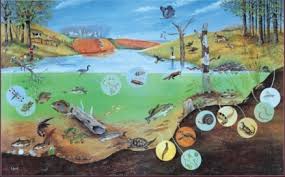
The specific environment in which all the biotic and abiotic factors in an area interact.
Ecosystem
Organism
Struggle
Competitive Interaction

Grass
Biotic factor
Abiotic factor

A pinecone
Biotic factor
Abiotic factor

A zebra skeleton
Biotic factor
Abiotic factor
What is Ecology?
It is the study of the Earth.
It is the study of how organisms interact with each other and their environment.
It is the study of recycling.
It is the study of plants.
When all the ecosystems on Earth are combined it is called...
a community.
a biome.
a biosphere.
an Earthsphere.
The tropical rain forest, the desert, and the tundra are all examples of ...
the biopshere.
biomes.
ecosystems.
communities.
What are the ecological levels of organization from smallest to the largest?
organism, population, community, ecosystem, biome, biosphere
organism, community, population, ecosystem, biome, biosphere
organism, population, community, biome, ecosystem, ecosphere.
organism, community, population, biome, ecosystem, ecosphere

What level of ecological organization do the animals represent?
Species
Population
Community
Ecosystem

What level of ecological organization do the organisms represent?
Species
Population
Community
Ecosystem

What level of ecological organization does the bird represent?
Organism
Population
Community
Ecosystem

What level of ecological organization does this entire picture represent?
Organism
Population
Community
Ecosystem
Two organisms that are so similar are from the same ...
Trees, shrubs, grasses, air temperature, soil pH, water quality, etc. found in a given area are known as a(n)...
population
ecologist
community
ecosystem
One lion within a pride of lions is known as a(n)...
population
organ system
organism
community

A group of the same type of organisms living in the same place at the same time is called a/an ----
ecosystem.
population.
community.
biome.
All of the populations that live in one area together are called a/an ---
biome.
population.
community.
ecosystem.
Which statement is correct?
A population is the same as a community.
A community is a group of populations.
A community is a part of a population.
A population is a group of communities.

Which DOES NOT represent an ecosystem?
A
B
C
D
Which represents the community level of organization?
lions, zebras, giraffes, trees
lions
lions, zebras, sunlight, trees, rocks
lions and their cubs
What is a food chain?
The flow of energy from one thing to another
The way animals eat each other
The way the sun makes everything
How the plants grow
What is a Producer?
An animal that eat plants
An animal that eats meat
is a plant that produces their own food
An animal that grows really tall
What is a Herbivores?
A animal that eats plant
A animal that eats meat
A plant that makes its own food
a plant that eats meat
What is a Carnivore?
A animal that eats plants
A animal that eats meat
A animal that makes it own food
A animal that doesn't eat animals or plants
What is a Decomposer?
it an animal that eats everything
its an organism that eats dead animals and plants
it a human
it the sun
What do plants need to make their own food?
Sun, Water, and Animals
Sun, Coke, and Soil
Sun, Water, and Soil
Nothing at all
which one is a Producer?


What is a decomposer?


Which one is a Herbivore?


which one is a Omnivore


Which one is a Carnivore?


All energy on Earth ultimately comes from what source?
Water
Consumers
Sun
Oxygen
An organism that needs to eat other organisms to obtain energy is known as a:
Autotroph
Consumer
Producer
Mutualist
An organism that uses sunlight to create its own food is known as a:
Producer
Heterotroph
Consumer
Decomposer
Organism that eats both producers and consumers
carnivore
omnivore
herbivores
autotroph
A lion is an example of
producer
decomposer
carnivore
autotroph
Cows are an example of
autotroph
herbivore
carnivore
decomposer
What is the role of decomposers in a food chain?
Use sunlight to make food
Eat other organisms to gain energy
Make the food for the whole food chain
Break down dead organisms and add nutrients to the soil
Example of a decomposer
frogs
mouse
fungus
plants
Molds, bacteria, and worms are ________.
decomposers
producers
food chains
consumers
Which food chain is in the correct order?
cat, grass, bird, snail
bird, snail, grass, cat
grass, cat, bird, snail
grass, snail, bird, cat
What is the main energy source in any food chain?
Moon
Earth
Sun
Plants
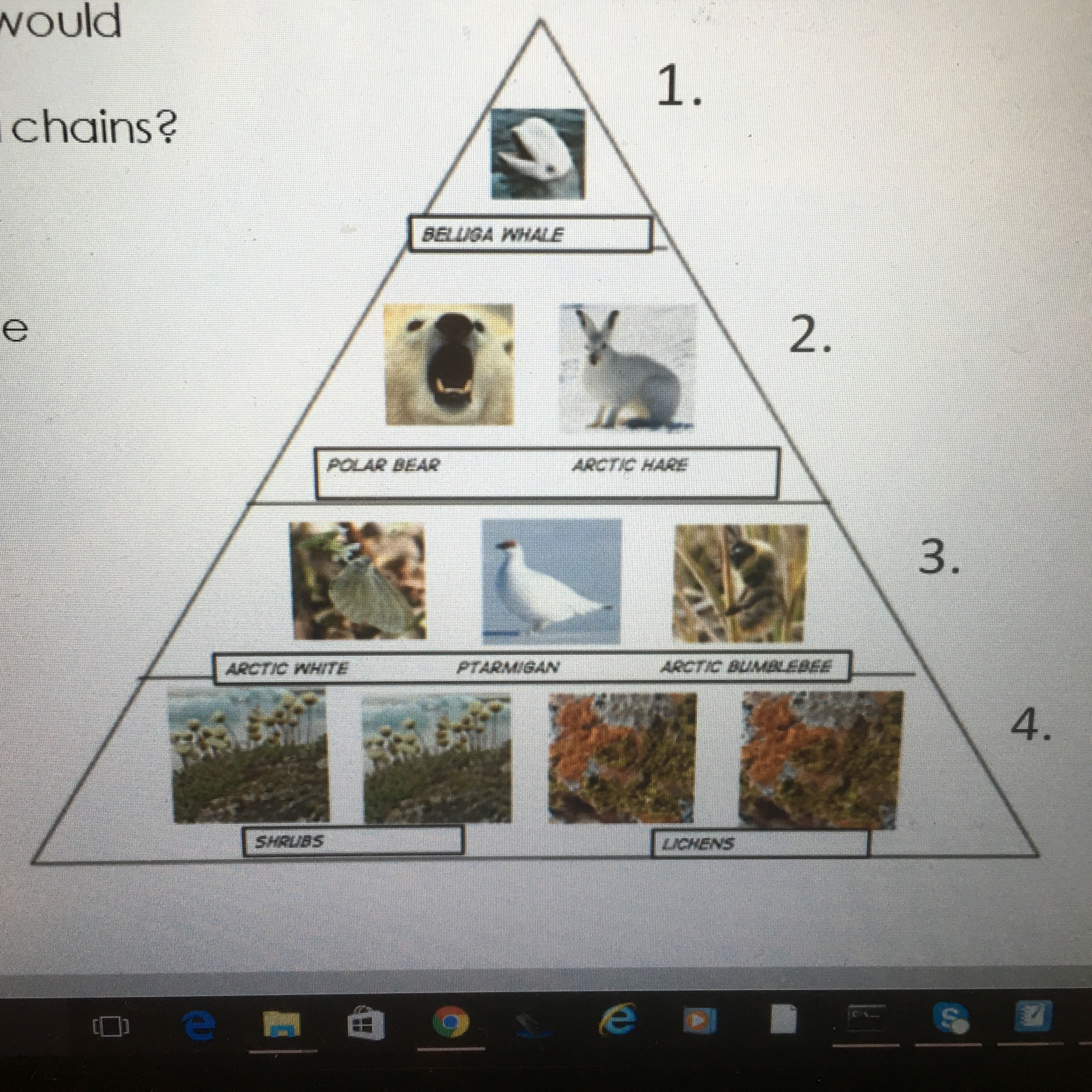

Position that an organism occupies based on what it eats
Producer
Trophic level
Heterotroph
Consumer
Which organisms eat only producers?
Secondary Consumers
Apex Predators
Tertiary Consumers
Primary Consumers
Which level is found at the top?
Primary Consumers
Tertiary Consumers
Producers
Secondary Consumers
As you go up a food chain, food web or energy pyramid, energy
increases
decreases
What would happen if their were no producers?
Every population would grow larger
Everything would die out
The animals would make their own food
What would happen if the primary consumers died out?
the producers would grow and the secondary and tertiary consumers would die
producers would die out
consumers would grow
Eats dead organisms and returns nutrients to soil
Autotroph
Decomposer
Biomass
Carnivore
Process through which plants make their own food
Photosynthesis
Autotroph
Biomass
Trophic

