
Font size
 Worksheets
6th Fill In Comp Study
Total questions: 80
Worksheet time: 2hrs 5mins
safety equipment used if chemical spills on skin, gets on clothing, or is a large spill.
safety equipment used for if there was fire on a surface in laboratory.
safety equipment used when working with toxic vapors released by chemical or during reaction.
safety equipment needed if chemicals get inside your eyes or on face.
Complete the table by writing the names of safety equipment used for each situation: Use to put out fire on a human being.
(a)
Complete the table by writing the names of safety equipment used for each situation: Natural gas needs to be shut off immediately due to an emergency.
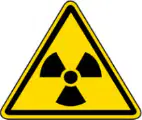
Identify each hazard symbol and provide an example that corresponds with each hazard symbol.
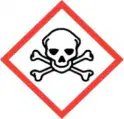
Give a definition for each hazard symbol shown in the diagram.
For the experiment where the height of bean plants is recorded daily for 2 weeks growing in different fertilizers, identify the independent variable and the dependent variable.
In the experiment where guinea pigs are kept at different temperatures for 6 weeks and percent weight gain is recorded, identify the dependent variable and independent variable.
For the study calculating the diversity of algal species in a coastal area before and after an oil spill, identify the dependent variable.
For the study calculating the diversity of algal species in a coastal area before and after an oil spill, identify the independent variable.
In the experiment measuring light absorption by a pigment for red, blue, green, and yellow light, identify the dependent variable.
In the experiment measuring light absorption by a pigment for red, blue, green, and yellow light, identify the independent variable.
In the experiment where batches of seeds are soaked in salt solutions of different concentrations and germination is counted for each batch, identify the dependent variable.
In the experiment where batches of seeds are soaked in salt solutions of different concentrations and germination is counted for each batch, identify the independent variable.
Identify the independent variable in the experiment determining how the amount of coffee grounds could affect the taste of coffee.
Identify the dependent variable in the experiment determining how the amount of coffee grounds could affect the taste of coffee.
Mass: __________ __________
Amount of Substance: __________ __________
Time: __________ __________
Temperature: __________ __________
Lab Tools/Equipment: Name the equipment/tools pictured and describe their functions. Also state whether it is used for measurement or not.
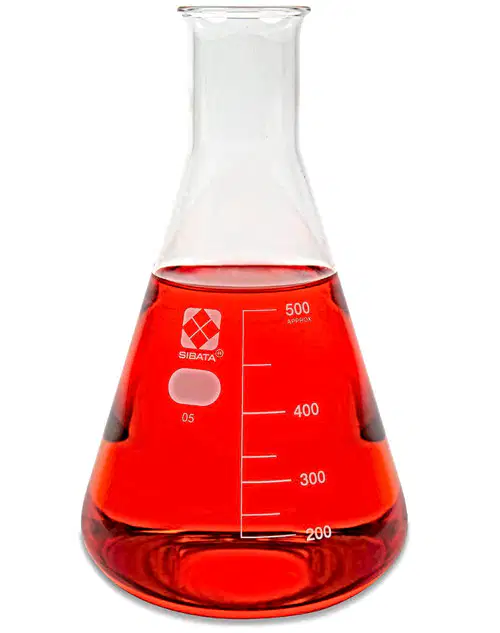
Lab Tools/Equipment: Name the equipment/tools pictured and describe their functions. Also state whether it is used for measurement or not.

Lab Tools/Equipment: Name the equipment/tools pictured and describe their functions. Also state whether it is used for measurement or not.

Lab Tools/Equipment: Name the equipment/tools pictured and describe their functions. Also state whether it is used for measurement or not.
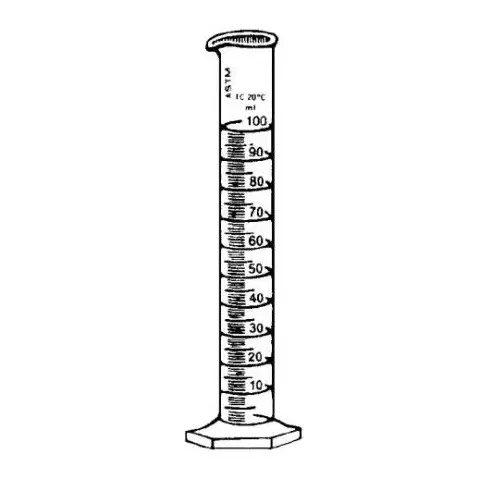
Lab Tools/Equipment: Name the equipment/tools pictured and describe their functions. Also state whether it is used for measurement or not.
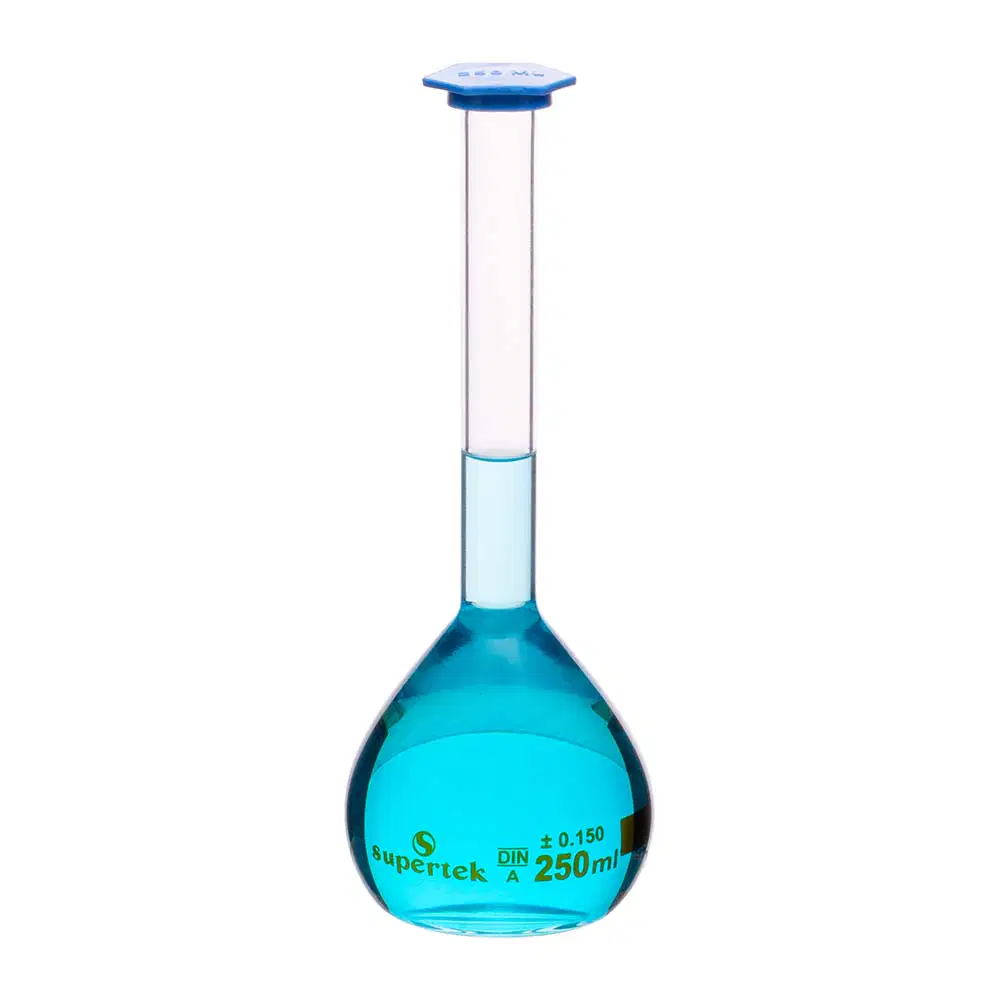
Lab Tools/Equipment: Name the equipment/tools pictured and describe their functions. Also state whether it is used for measurement or not.
Define Accuracy: (a)
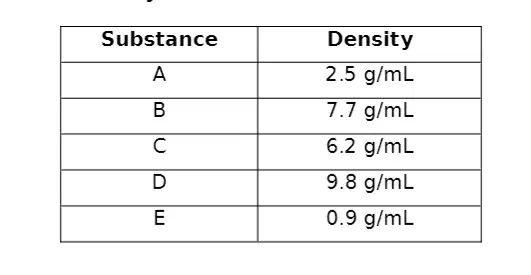
There are five substances (A, B, C, D, and E) making up a heterogeneous mixture in a beaker. If you add a metal object (density of 6.8 g/mL), between which substances will you find it?
Substances that are in the (a) phase have a definite volume, but no definite shape and the particles slide over each other.
When nitrogen is cooled from a (a) to a liquid, this is called condensation.
When carbon dioxide changes from a solid to a gas, this is called (a) .

Fill in the phase change graph below:
What are the 4 signs that a chemical change has occurred?
Atoms that have the same number of protons and electrons have no charge and are said to be (a) .
Atoms that have lost or gained electrons and have a charge are called (a) .
If an atom has more protons than (a) , then it has a positive charge.
If an atom has more __________ than __________, then it has a negative charge.
Ions that have a positive charge are called __________, and ions that have a negative charge are called __________.
(a)
Atoms of the same element all have the same number of (a) .
Atoms of the same element with different number of neutrons are (a) .
Elements in which the protons are equal to electrons are chemically (a) .
Write the symbol of the element that is in group 3 and in period 5.
(a)
Write the symbol of the element that has 75 protons.
(a)
Write the symbol of the element that has an average atomic mass of 1.008 amu.
(a)
Write the symbol of the element that is in period 4 and in group 7.
(a)
Write the symbol of the element that is in Group 18 and has only 3 electron shells.
(a)
Write the symbol of the element that is an Alkaline Earth Metal and has only 2 energy levels.
(a)
Write the symbol of the element that is stable with only to have 2 valence electrons.
(a)
Identify whether Osmium is a metal, nonmetal, or metalloid.
Metal
Nonmetal
Metalloid
Identify whether Iodine is a metal, nonmetal, or metalloid.
Metal
Nonmetal
Metalloid
Identify whether Brittle is a characteristic of a metal, nonmetal, or metalloid.
Metal
Nonmetal
Metalloid
Identify whether Malleable is a characteristic of a metal, nonmetal, or metalloid.
Metal
Nonmetal
Metalloid
Identify whether Sulfur is a metal, nonmetal, or metalloid.
Metal
Nonmetal
Metalloid
Identify whether Boron is a metal, nonmetal, or metalloid.
Metal
Nonmetal
Metalloid
Identify whether Good insulator is a characteristic of a metal, nonmetal, or metalloid.
Metal
Nonmetal
Metalloid
Identify whether Semi-conductor is a characteristic of a metal, nonmetal, or metalloid.
Metal
Nonmetal
Metalloid
Write the name of the family for each description below: Family of soft metals that are very reactive in water:
(a)
Write the name of the family for each description below: Family including Rhodium, Tantalum, and Iridium:
Write the name of the family for each description below: Most stable / unreactive family:
(a)
Write the name of the family for each description below: Family whose elements are never found alone in nature:
(a)
Types of Bonds: In bonding the (a) electrons interact.
Types of Bonds: Ionic bonds are formed between a ________ and ________.
(a)
Types of Bonds: Covalent compounds are formed when (a) share electrons.
Types of Bonds: (a) bonds are found in alloys.
Types of Bonds: Ionic compounds can conduct electricity as aqueous solutions or when in the (a) phase.
Types of Bonds: Covalent compounds do not conduct electricity and make good (a) .
In KCN, what kind of bond is formed between the carbon and nitrogen?
(a)
In CaSO4, what kind of bond is formed between calcium and sulfate?
(a)
Which of the following families of elements would you expect to have the lowest melting points: Alkali Metals, Alkaline Earth Metals, or Transition Metals?
(a)
Which of the following substances would you expect to have the lowest melting point: GaPO4, PH3, Fe, or LiNO3?
(a)
Which of the following substances would you expect to be the best conductor as a solid: CaF2, CoSO4, AsBr3, NaF, or Ag?
(a)
Identify the type of bond that would form between hydrogen and nitrogen.
(a)
Identify the type of bond that would form between zinc and fluorine.
(a)
Identify the type of bond that would form between bromine and oxygen.
(a)
Identify the type of bond that would form between silver and aluminum.
(a)
Identify the type of bond that would form between barium and sulfate.
(a)
Name all 6 triangle metals and their charges.
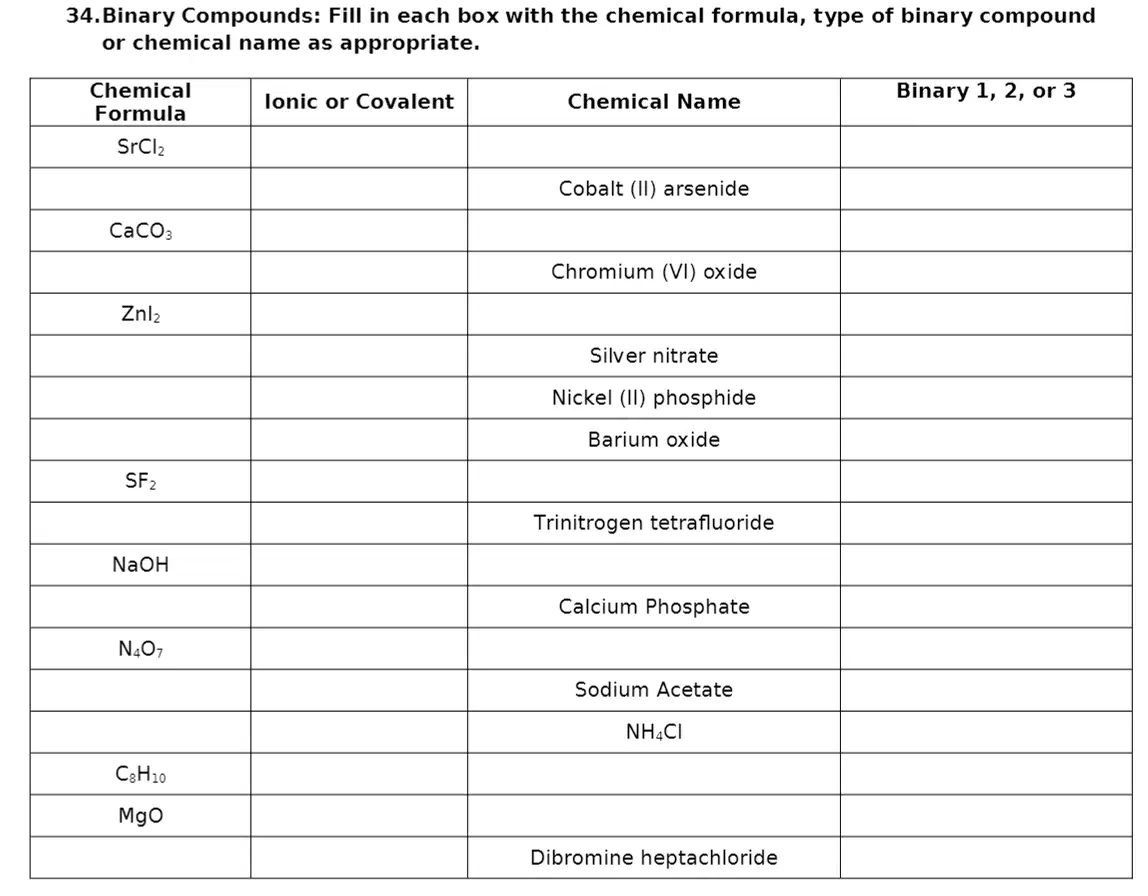
Binary Compounds: Fill in each box with the chemical formula, type of binary compound or chemical name as appropriate.

