
 Worksheets
Modern History Revision Quiz - Term 2
Total questions: 120
Worksheet time: 1hrs 8mins
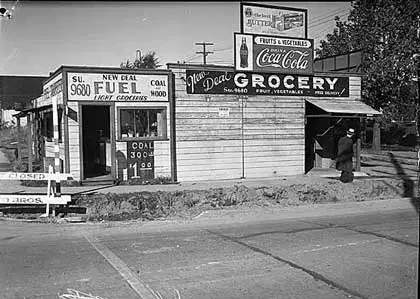
What were Hoovervilles?
Luxury apartments built during the Great Depression
Shantytown slums housing destitute Americans
Government-funded housing projects
Factories that provided jobs during the Great Depression
Why were these shantytowns called Hoovervilles?
They were named after a famous architect
They were named after President Herbert Hoover, who was seen as a do-nothing leader
They were named after a popular brand of vacuum cleaners
They were named after a local hero who helped the homeless
What was the primary reason for the formation of Hoovervilles?
A government initiative to provide temporary housing
A sudden increase in population
The Great Depression causing widespread homelessness and unemployment
A natural disaster that destroyed many homes
What materials were commonly used to build homes in Hoovervilles?
Plastic and rubber
Glass and steel
Wood from crates, cardboard, and scraps of metal
Bricks and cement
What was the public sentiment towards Hooverville residents as the Great Depression wore on?
Increasingly sympathetic
Increasingly hostile
Indifferent
Supportive but only in rural areas
What was one of the key measures taken by Franklin D. Roosevelt to address the economic crisis?
Establishing the Federal Reserve
Cutting government spending
Increasing taxes on the wealthy
Launching the Works Progress Administration (WPA)
What was one of the economic consequences for American agriculture post-WWI?
Increased demand for American agriculture
Reduction in demand for American agriculture
Stabilization of American agriculture
Expansion of American agriculture
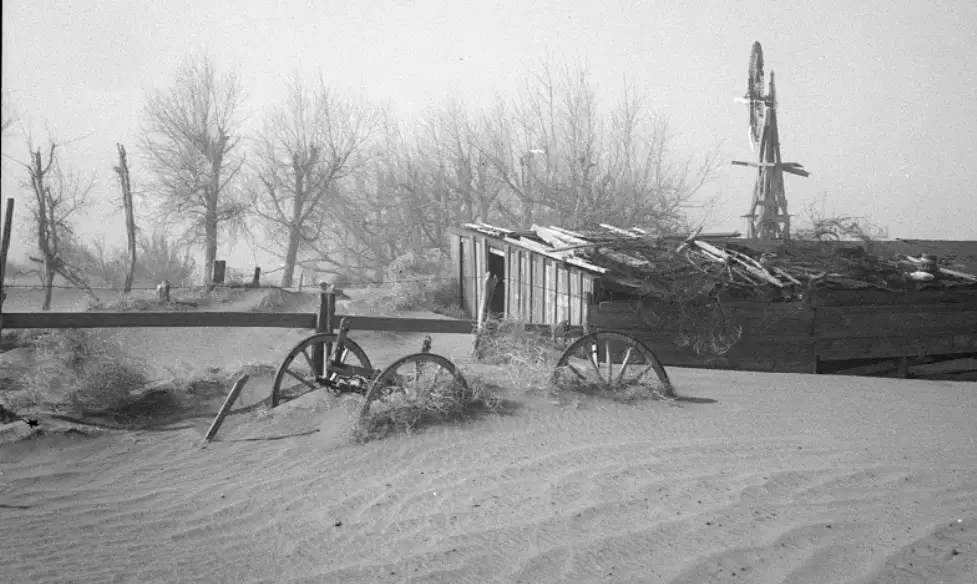
What was the impact of overproduction on the agricultural sector after WWI?
Increased profits for farmers built on prices that kept rising
Agricultural sector thrived on the regular low profits and prices for goods
Agricultural sector suffered from low prices for products
Agricultural sector remained stable despite excessive supply
What was the general trend in wealth distribution during the late 1920'?
The rich got poorer, and the poor got richer
The rich got richer, and the poor got poorer
Both the rich and the poor got richer
Both the rich and the poor got poorer
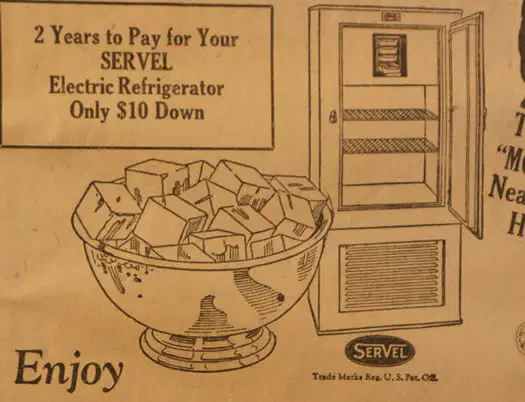
What method did individuals use to purchase new consumer goods when they did not have enough money?
Save now, buy later
Buy now, pay later
Rent now, buy later
Lease now, pay later
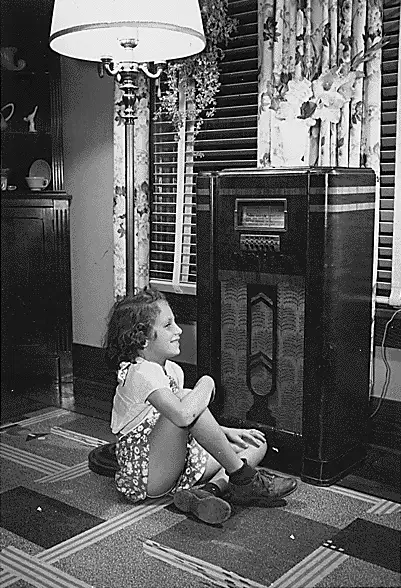
What percentage of radios sold in America in the 1920's were bought on credit?
50%
60%
70%
80%

What did investors do in the share market to make a profit during the 1920s?
Bought stocks and held them long-term
Bought stocks and sold them when the share prices went up
Sold stocks and bought them back at a lower price
Avoided buying stocks
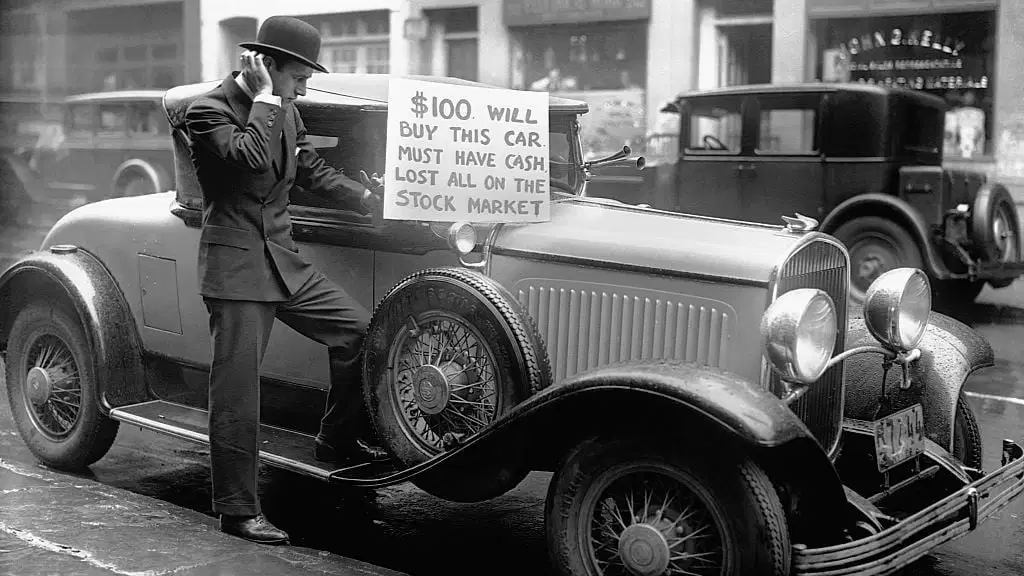
What does buying on the margin mean?
Buying shares with cash
Borrowing money to buy shares
Selling shares to buy more shares
Buying shares without any money
During WWI and the 1920s, why did the US lend money to Germany?
To help Germany rebuild its economy
To pay off Germany's loans to France and Britain
To support Germany's military efforts
To invest in German businesses
What did France and Britain do with the money they received from Germany?
Invested in their own economies
Paid back their loans to the US
Bought foreign goods
Reduced import tariffs

What was one consequence of high import tariffs on European goods in the US?
Increased international trade
The US bought more foreign goods
The European nations put high tariffs on goods made in the US.
European countries reduced their tariffs

What was the impact of the US not buying foreign goods?
It boosted the US economy
It slowed international trade
It increased European exports
It reduced US tariffs
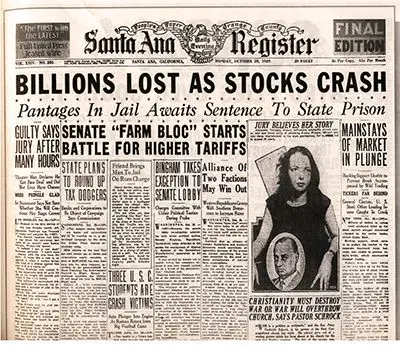
What event is recognized as the symbolic start and trigger event of the Great Depression?
The end of World War I
The Wall Street Crash
The signing of the Treaty of Versailles
The beginning of World War II
What was the public's reaction to the uncertainty during the Wall Street Crash?
People bought more shares
People held onto their shares
People sold their shares no matter how low the price
People ignored the stock market

What happens to the price of shares if a company does well and the demand goes up?
The price goes down
The price remains the same
The price goes up
The price fluctuates randomly
What was one of the major weaknesses of the American economy that contributed to the Wall Street Crash?
Overproduction
Underproduction
Balanced production
Limited production
What was a consequence of overproduction in the American economy?
More goods were consumed than produced
There was a balance between production and consumption
More goods were produced than could be consumed
Less goods were produced than could be consumed
What happened to the goods that were produced in excess?
They were all bought by consumers
They were stored for future use
They were exported to other countries
They reached the market but not enough people bought them
What was one of the reasons European goods were not selling in the USA?
Low quality of European goods
High US tariffs on imported goods
Lack of European goods in the market
Preference for American goods
In 1921, why did the US stock market perform well?
Due to government intervention
Because US businesses were successful
Because of foreign investments
Due to technological advancements
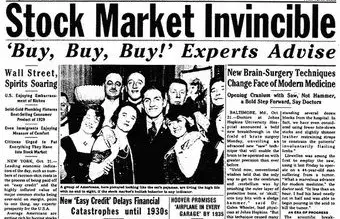
What was one of the reasons share prices rose out of proportion to their real value?
Lack of government regulation
Too many people investing in strong companies
People were buying so many stocks/shares that there price rose even if the companies were not doing well.
High interest rates encouraged people to invest in the stock market
What does "buying on the margin" refer to in the context of the stock market?
Buying shares at a discounted price
Buying shares with borrowed money
Buying shares directly from companies
Buying shares from foreign markets
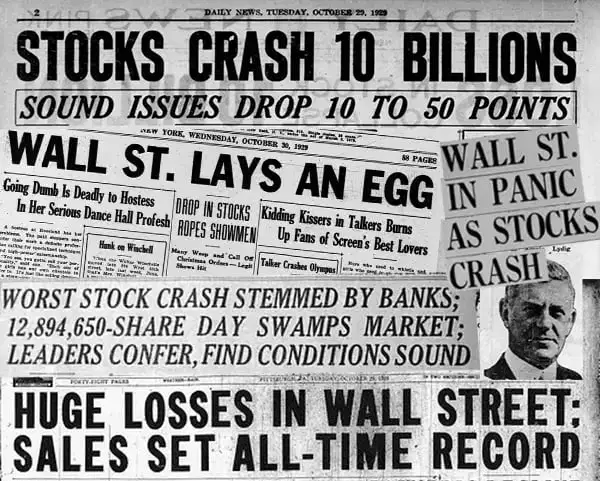
What caused experts in the stock market to begin selling their shares in 1929?
High inflation rates made people want to sell
Proposed government regulation of the stock market made people worried that shares would become less profitable.
A sudden drop in stock prices encouraged people to sell out of fear of losing everything
Technological advancements
What was the reaction of small investors when experts sold their shares?
They bought more shares
They held onto their shares
They panicked and rushed to sell their shares
They invested in foreign markets
What was one of the major consequences of the stock market crash in October 1929?
Increase in public confidence
Massive withdrawals of money from banks
Increase in consumer spending
Rise in stock prices
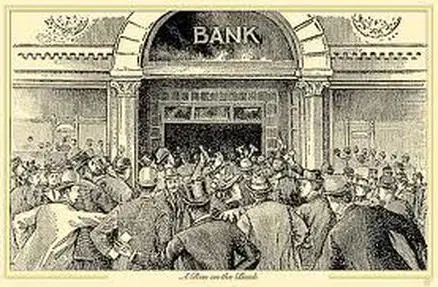
What two events contributed to the wave of bank failures following the stock market crash?
Increase in stock prices which encouraged more people to invest in the stock market
Banks investing in worthless stocks/shares
Huge numbers of customers withdrawing all their savings from banks
Increase in consumer spending in shops which caused people to withdraw more money from banks
How did the decline in consumer spending contribute to the Great Depression?
It led to increased production of goods and services that made little profit
It caused a rise in stock market prices which resulted in more people spending less money in shops
It reduced the number of goods sold reduced profits and increases the number of companies that ran out of money
It increased international trade which reduced the profits made by American companies
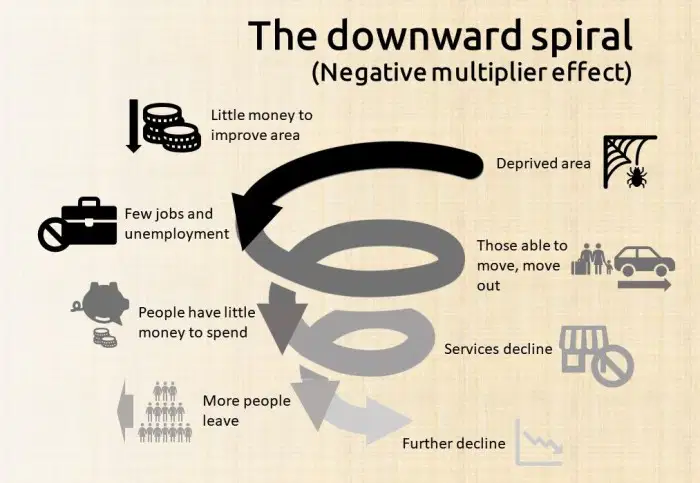
What was a result of the downward spiral in consumer spending during the Great Depression?
Economic recovery
Further economic decline
Increase in consumer confidence
Stabilization of prices
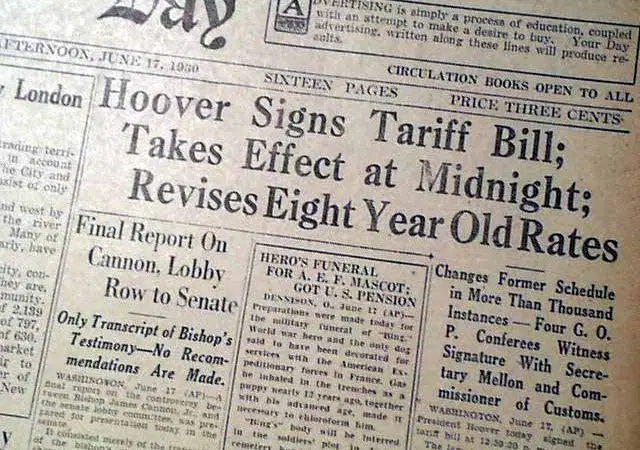
What was the purpose of the Smoot-Hawley Tariff enacted in 1930?
To reduce the cost of imported goods
To protect American jobs and industries
To increase global trade
To eliminate tariffs on imported goods
How did other nations respond to the Smoot-Hawley Tariff?
They increased their imports from the USA
They reduced their own tariffs
They enacted their own tariffs
They stopped trading with the USA
One of the environmental disasters that contributed to the Great Depression was (a)
What was a consequence of over-farming during the 1920s in the USA?
Increased agricultural productivity
Improved rural ecosystems
Damage to the ecosystem in rural communities
Decreased urban population
What was one of the effects of the Dust Bowl in 1935?
It increased the number of employed people
It forced many people to move to the cities
It improved agricultural conditions
It reduced the number of unemployed people
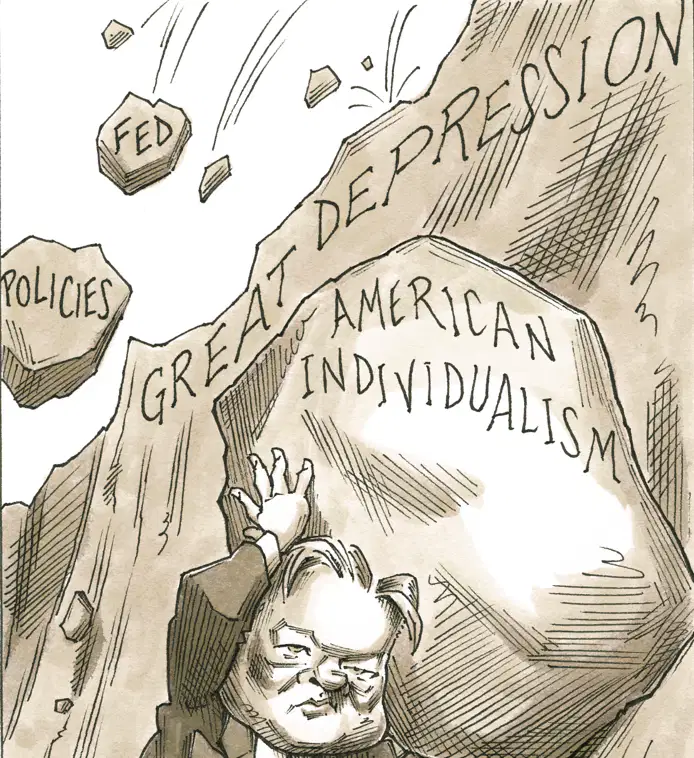
Which of the following was a factor that contributed to the Great Depression?
Overregulation of the banking system
Inadequate Governmental Economic Policies
Excessive government spending
Strong governmental intervention in the economy
What was the attitude of the government towards economic instability leading up to the Great Depression?
Proactive intervention
Laissez faire attitudes
Strict regulation
Increased government spending
What was one President Hoover's responses to the economic crisis during the Great Depression?
Increasing government spending
Cutting government spending
Nationalizing banks
Providing unemployment benefits
What was President Hoover's belief regarding government relief for people during the Great Depression?
He believed direct government relief was necessary.
He believed in 'self help' and 'voluntary co-operation'.
He believed in increasing taxes to fund relief programs.
He believed in borrowing money from other countries.
The depression continued during President Hoover's administration because he (a) .
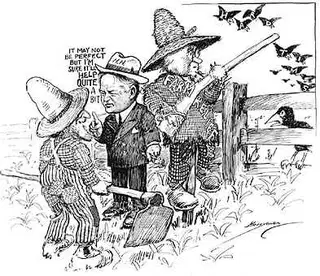
What was the purpose of Hoover's Agricultural Marketing Act of 1929?
To reduce tariffs on foreign farm produce
To establish a Federal Farm Board with funds to help farmers sell more of their produce
To increase taxes on agricultural products
To provide direct financial aid to farmers
Why did the Agricultural Marketing Act of 1929 fail to prevent price drops?
It did not provide enough funds
It could not tell farms to reduce production, this kept prices low
It increased tariffs on foreign produce
It was not implemented until 1932
What was one of the accusations made against the Agricultural Marketing Act of 1929?
It was reducing farmers' incomes
It was simply throwing away taxpayers' money
It was increasing the price of foreign produce
It was causing a shortage of farm produce
What did Hoover promise would happen soon during his 1932 campaign?
The Great Depression would worsen
The 'great turnaround' would happen and prosperity would return
The government would take over businesses
The economy would collapse
Hoover believed that (a) would bring an end to the depression.
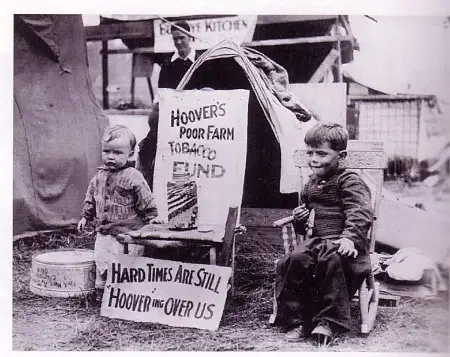
By 1932, why did many Americans blame Hoover?
For increasing taxes
For his apparent lack of action to address the depression
For starting a war
For reducing government spending
What did Hoover privately do to help during the depression?
Increased government spending
Donated greatly to charities
Reduced taxes
Created new jobs
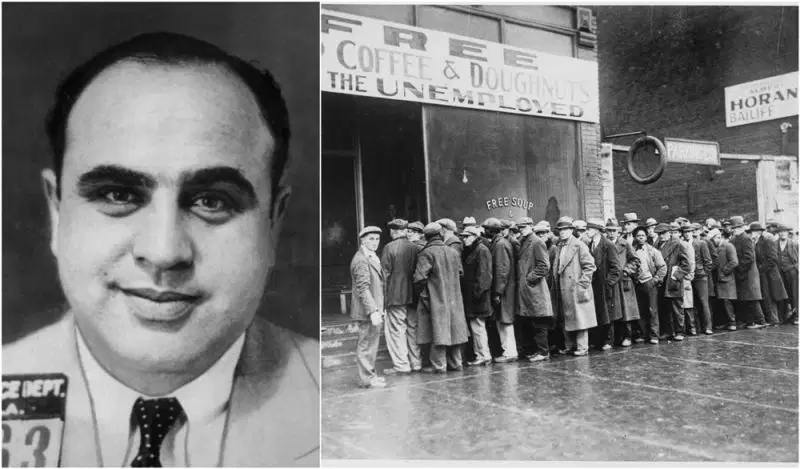
What did Hoover publicly say about relief during the depression?
It should be provided by the federal government
It should be provided by local communities and private charities
It should come from foreign aid
It should be provided by businesses
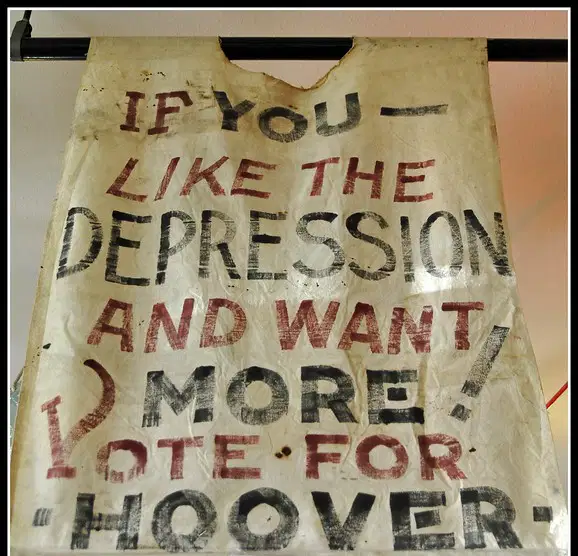
What were the newspapers that homeless people slept under called?
Hoover blankets
Hoovervilles
Hoover papers
Hoover sheets
What was the impact of polio on Franklin D. Roosevelt's physical abilities?
He lost his vision.
He lost the proper use of his legs and had to use a wheelchair.
He lost his hearing.
He lost the use of his arms.
What did Franklin D. Roosevelt believe the government should do for poorer citizens during the depression?
Provide free education
Help organize taxpayer-funded schemes to help the unemployed
Offer free healthcare
Reduce taxes
What were the three main promises made by Roosevelt during his 1932 campaign to end the depression?
1) Government schemes to provide more jobs,
2) Measures to revive industry and agriculture,
3) Relief for the poor and unemployed
1) Tax cuts,
2) Increased military spending, and
3) Deregulation of businesses
1) Expansion of the railroads,
2) Free healthcare, and
3) Universal basic income
1) Privatization of public services,
2) Reduction of social security, and
3) Increased tariffs

How did FDR use prohibition to increase his popularity?
He promised to get rid of prohibition
Promising to increase taxes to fund further prohibition
Promising to reduce military spending so that more government funds could be spent on prohibition
Promising to privatize public services such as prohibition
How did Roosevelt's personal experience with polio affect public perception of him?
It made many Americans confident that he was well qualified to help them overcome their problems
It made many Americans doubt his ability to lead
It had no impact on public perception
It caused many Americans to feel sorry for him but not support him
When did the 1st New Deal begin?
During the last year of FDR's presidency
During the Hundred Days of FDR's presidency
In 1935
After World War II
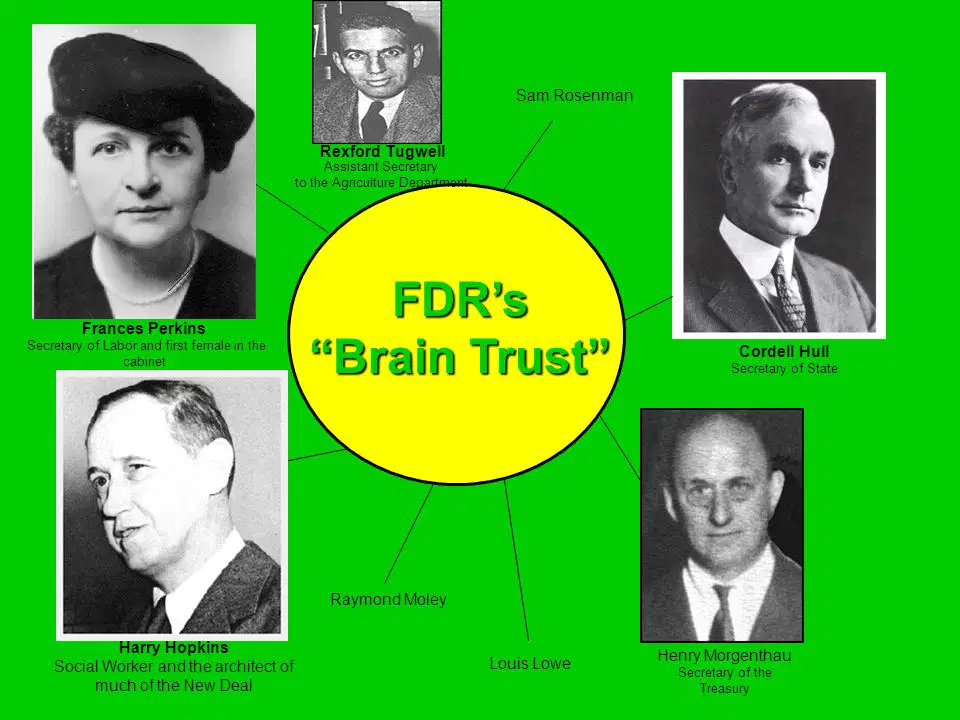
Who did Roosevelt work closely with to create the New Deal?
Congress
The Supreme Court
A panel of experts called the "Brain Trust"
State Governors
What was the purpose of the New Deal?
To reduce taxes
To get the USA out of the Depression
To increase military spending
To expand US territories

Which act was passed on March 31 during the Hundred Days?
Federal Emergency Relief Act
Emergency Banking Act
Creation of Civilian Conservation Corps
Agricultural Adjustment Act
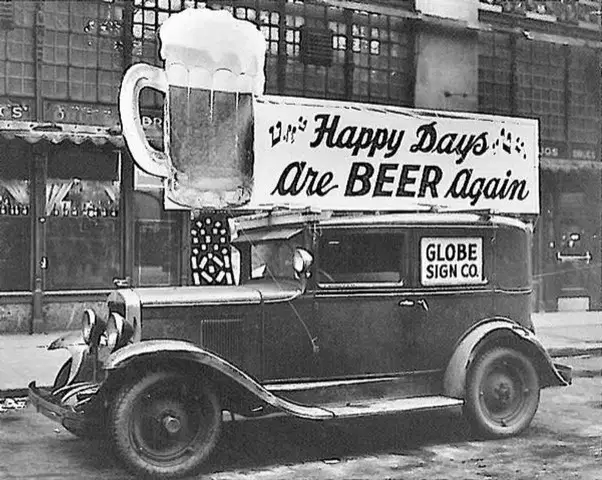
What was the purpose of the Beer-Wine Revenue Act passed on March 22?
To regulate the banking sector
To provide relief to farmers
To end prohibition on alcohol
To support the railroad industry
What was the purpose of the 'bank holiday' enforced during the Hundred Days?
To celebrate a national holiday
To halt panic bank withdrawals
To introduce new banking laws
To provide financial assistance to the unemployed
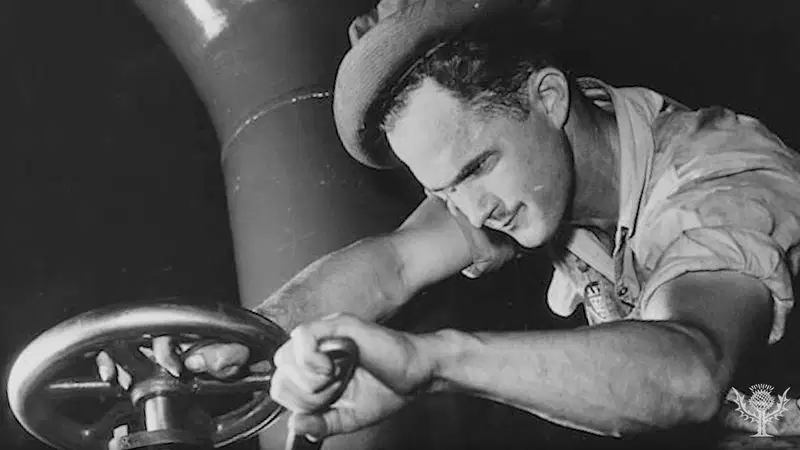
What was one of the effects of temporary work on public projects during the Hundred Days?
It celebrated a national holiday
It undermined self-reliance and independence
It relieved unemployment and improved the country's infrastructure
It allowed banks to buy and sell stocks freely
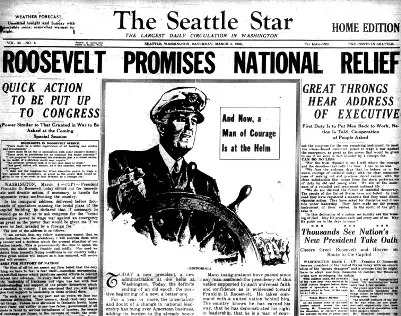
What authority did the Senate and House of Representatives give FDR?
The same authority as the President
The same authority as the Supreme Court
The same authority he would receive if the country had been invaded
The same authority as the military
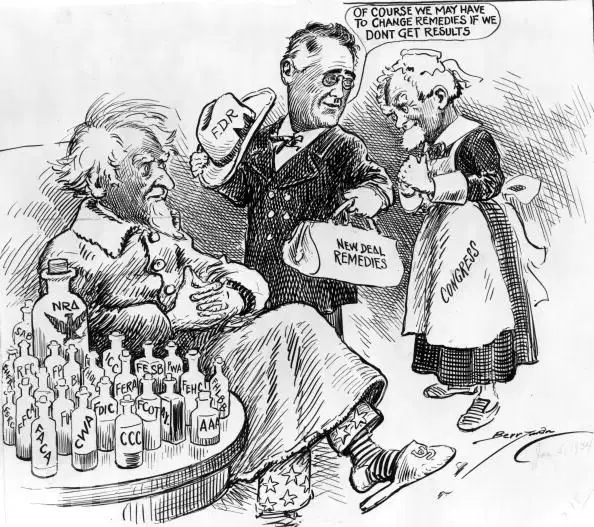
What were the three main aims of the New Deal?
Relief, Recovery, Reform
Relief, Reconstruction, Reform
Recovery, Reconstruction, Reform
Relief, Recovery, Reconstruction
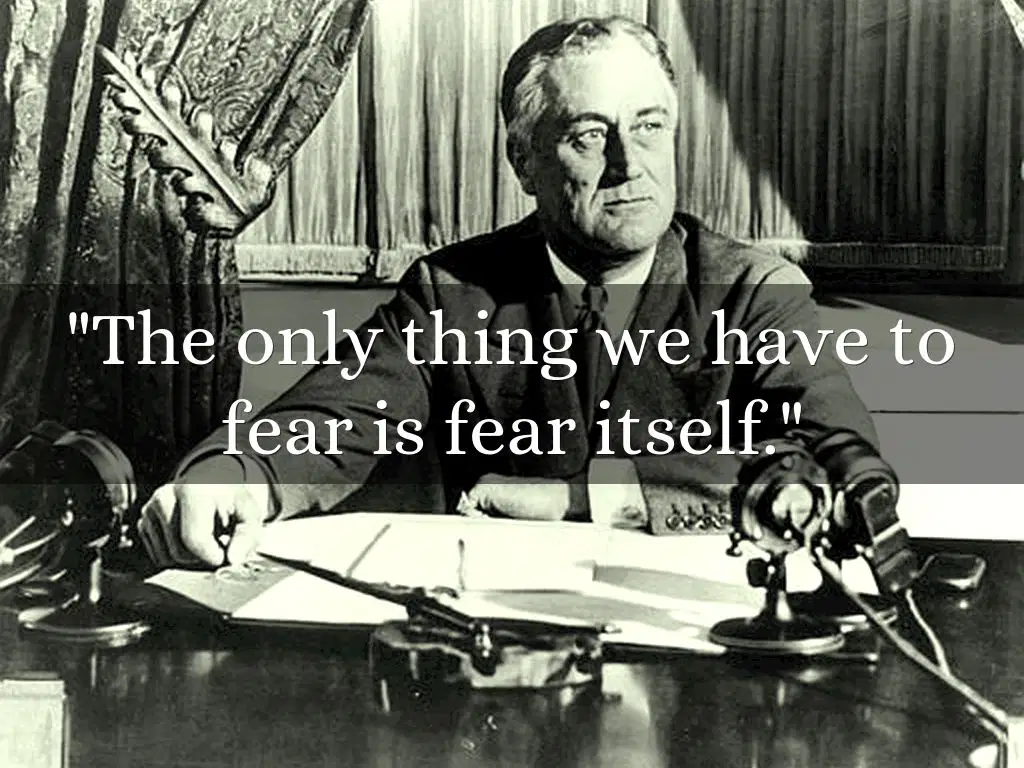
What did Roosevelt realize was important to gain from the American people?
Wealth and prosperity
Trust and confidence
Political power
Military support

What were Roosevelt's radio broadcasts known as?
Evening talks
Presidential addresses
Fireside chats
Morning briefings
Why was the banking system on the point of collapse post-Depression?
Savers had withdrawn their money and businesses had been unable to repay bank loans
Banks had invested heavily in the stock market
Government regulations were too strict
There was a lack of new bank charters
Which banks were allowed to reopen after the 'four day' Bank Holiday?
Only banks deemed honest and well-run by the government
All banks
Only private banks
Only national banks
What support did the government provide to banks to help them continue operations?
Government loans
Tax breaks
Increased interest rates
Reduced regulations
What was the public's reaction to the banking system after the banks reopened?
Confidence was restored
Confidence was lost
Indifference
Panic ensued
How much money did customers re-deposit after the banks reopened?
$1 billion
$500 million
$2 billion
$100 million
What was one of the immediate effects of ending Prohibition?
Breweries were legalized again
Alcohol prices increased
Prohibition laws were strengthened
Alcohol consumption decreased
What did Roosevelt set up to give American people the support they needed?
Private companies
Charitable organizations
Government agencies
Military units
What were the series of government agencies set up by Roosevelt known as?
New Deal Agencies
Relief Agencies
Support Agencies
Alphabet Agencies
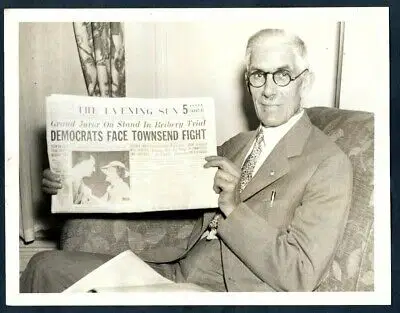
What was Doctor Townsend's specific idea regarding pensions for older people?
Everyone over the age of 60 should get a pension of $200 a month provided they spent the money during the month and gave up their jobs.
Everyone over the age of 65 should get a pension of $300 a month provided they saved the money and continued working.
Everyone over the age of 55 should get a pension of $150 a month provided they spent the money during the month and kept their jobs.
Everyone over the age of 70 should get a pension of $250 a month provided they saved the money and retired.
How many 'Townsend Clubs' sprang up across the USA as a result of Doctor Townsend's idea?
5000
6000
7000
8000

What did Republicans claim about FDR's behaviour?
He was behaving like a dictator and making the government too powerful
He was promoting democracy and reducing government power
He was indifferent to government affairs
He was focusing solely on foreign policies
What did Republicans say about the Tennessee Valley Authority and National Recovery Administration schemes?
They were beneficial for the economy
They were similar to communist economic planning of the Soviet Union
They were ineffective and unnecessary
They were too expensive to implement
What was the Republican belief about the Social Security Act?
It would strengthen the American way of life
It would undermine the American way of life by making people lazy and dependent on government help
It would have no significant impact
It would only benefit the wealthy
What was one of the objections Republicans had regarding the New Deal?
It was too focused on foreign policy
It was too inexpensive
It had a huge cost
It was not ambitious enough
Why did business leaders dislike New Deal interference in their affairs?
They believed it would lead to higher profits.
They thought it would reduce competition.
They wanted to maintain control over their operations.
They supported Roosevelt's policies.
What was one reason business leaders were angry with FDR?
He reduced taxes for businesses.
He supported trade unions and the campaign to raise wages.
He increased tariffs on imported goods.
He provided subsidies to large corporations.
Why did business leaders dislike paying social security contributions for their workers?
It increased their operational costs.
It reduced workers' wages.
It led to higher taxes.
It was a voluntary contribution.
What was one reason wealthy Americans were bitter about Roosevelt's policies?
They believed it increased their business profits.
They felt it gave them more freedom to run their businesses.
They thought it took away some of their freedom to run their businesses.
They believed it reduced government intervention.
Who were the main candidates in the 1936 American presidential election?
Franklin D. Roosevelt and Alf Landon
Herbert Hoover and Franklin D. Roosevelt
Harry S. Truman and Thomas E. Dewey
John F. Kennedy and Richard Nixon
What event in 1929 started a downward economic spiral that led to the Great Depression?
The New Deal
The Wall Street Crash
The Social Security Act
The Works Progress Administration
How did Roosevelt maintain his popularity with the American public?
Through his military achievements
Through his "Fireside Chats"
Through his foreign policies
Through his economic sanctions

In which year did Jesse Owens win four gold medals at the Berlin Olympics?
1936
1937
1938
1939
Who was re-elected President of the United States in November 1936?
Franklin D. Roosevelt
Alfred M. Landon
Herbert Hoover
Harry S. Truman

What was the "Memorial Day Massacre" that occurred in July 1937?
A violent clash during the Little Steel Strike
A bombing in New York
A riot in Los Angeles
A protest in Washington D.C.
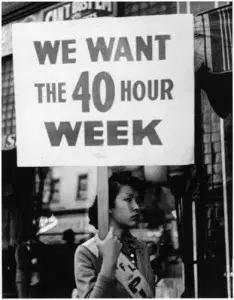
What did the Fair Labor Standards Act of 1938 establish?
Minimum wage, overtime pay, and youth employment standards
Social Security benefits
Unemployment insurance
Health care benefits
Who was nominated for an unprecedented third term by the Democratic National Convention in July 1940?
Franklin D. Roosevelt
Wendell Willkie
Winston Churchill
Harry S. Truman
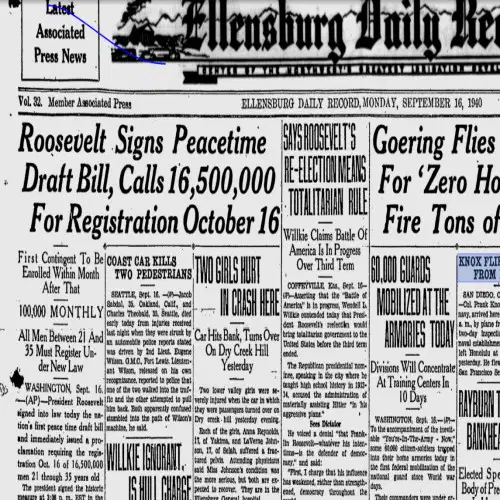
What significant act was enacted in September 1940, creating the first peacetime conscription in U.S. history?
The Selective Training and Service Act
The Lend-Lease Act
The Neutrality Act
The War Powers Act
What was the purpose of the Lend-Lease Act signed into law in March 1941?
To allow the U.S. to supply Allied nations with war material on a deferred payment basis
To conscript American soldiers for the war
To declare war on Germany
To establish the United Nations
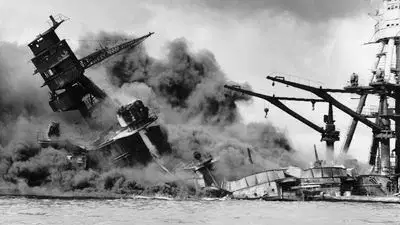
What event on December 7th, 1941, led the United States to officially enter World War II the following day?
The Japanese attack on Pearl Harbor
The German invasion of Poland
The signing of the Lend-Lease Act
The Battle of Britain
What was the significance of Jesse Owens' success at the 1936 Berlin Olympics?
It was a symbolic victory against Nazi racial theories.
It marked the end of racial prejudice in America.
It was the first time an American won an Olympic medal.
It led to immediate equality for African Americans in the U.S.
What challenges did Jesse Owens face upon his return to America despite his international fame?
He was immediately offered numerous job opportunities.
He struggled for work and recognition.
He was celebrated and given a hero's welcome.
He faced no racial prejudice.
What was the public reaction to the Memorial Day Massacre?
It was widely praised as a necessary action
It was widely condemned as an unjustified attack
It was largely ignored by the public
It was celebrated as a victory for law enforcement
What was the outcome of the investigations launched after the Memorial Day Massacre?
Many police officers were prosecuted
No one was ever prosecuted
The factory owners were held accountable
The protesters were arrested
What contributed to a culture where bosses and their hired enforcers regularly silenced complaints from workers with the threat of job loss?
High employment rates
Nearly a decade of high unemployment
Government support for workers
Establishment of minimum wage
What act did the Federal Government pass in 1938 in response to widespread demands for government support for workers?
The Labor Rights Act
The Workers' Protection Act
The Fair Labor Standards Act
The Employment Standards Act
What was the primary purpose of the 1935 Neutrality Act?
To encourage trade with warring nations
To impose a general ban on trading arms and munitions with all parties in a war
To provide military support to allies
To restrict immigration from warring nations
What did the 1936 Neutrality Act specifically renew?
The provisions of the 1935 act for another 14 months
The sale of military supplies to warring nations
The immigration policies for refugees
The trade agreements with European nations
What did the 1937 Neutrality Act specifically cover?
Trade agreements with European nations
Civil wars
Immigration policies
Environmental regulations
What did the 1937 Neutrality Act allow with Presidential approval?
The sale of raw materials to warring nations
The sale of military supplies to warring nations
The provision of military support to allies
The restriction of immigration from warring nations
What significant change did the 1939 Neutrality Act introduce?
It imposed stricter arms embargo rules.
It removed the arms embargo rules and expanded the terms of "cash and carry."
It prohibited all trade with Europe.
It mandated military conscription in the USA.
What was the purpose of the "cash and carry" provision in the 1939 Neutrality Act?
To provide loans to European countries.
To allow the sale of arms to any country.
To help U.S. industries by allowing the sale of military supplies to Allied nations.
To restrict all exports to Europe.
Which countries benefited from the aid allowed by the 1939 Neutrality Act?
Germany and Italy
Japan and China
Britain and France
Spain and Portugal
How did the "cash and carry" provision affect U.S. exports to Europe from 1939 to 1940?
Exports decreased significantly.
Exports remained the same.
Exports increased from $892 million to over $1.5 billion.
Exports were banned entirely.
What was the purpose of the Selective Training and Service Act (1940)?
To provide financial aid to war veterans
To establish a peace treaty with Germany
To call for all military-aged American males to register for potential military service
To create a new branch of the military
What age range of American males was required to register under the Selective Training and Service Act (1940)?
18-25
21-36
25-40
30-45
How many American citizens eventually submitted their details under the Selective Training and Service Act (1940)?
Over 10 million
Over 20 million
Over 30 million
Over 45 million
Why did the Democratic party decide to nominate FDR for the 1940 Presidential election?
He was the only candidate available.
He had already served three terms.
He was the first to break the tradition started by George Washington.
He was seen as a strong leader during a time of international crisis.
What did the Isolationists want America to do?
Remain neutral and stay out of international affairs
Support Allied nations against Axis aggression
Increase military spending
Focus on economic reforms
What did the Interventionists believe was the only way to defend democracy?
Supporting Allied nations against Axis aggression
Remaining neutral in international conflicts
Focusing on domestic policies
Reducing military spending
What was one of the main reasons behind Roosevelt's decision to stand for a 3rd term?
Economic prosperity
Popular support among American voters
Military success
International pressure
What did the Lend-Lease Act allow the U.S. to do?
Declare war on Japan
Supply Allied nations with war material
Build bases in Japan
Form an alliance with Germany

Jobs for 2 million young men. Replanted forests and built trials
Civilian Conservation Corps
Citizen Control Corporation
National Recover Administration
Federal Emergency Relief Act

