
 Worksheets
Glo - Fidget Board (Earth)
Total questions: 91
Worksheet time: 1hrs 11mins
A microclimate is...
small regions behind mountains that receive very little rainfall
the long-term pattern of weather in an area
small regions with climates that differ from the surrounding
areas
portions of earth that consist of water in all its forms
Which of the following influence microclimates?
Atmosphere
Biosphere
Hydrospere
Atmosphere
Hydrosphere
Geosphere
Atmosphere
Biosphere
Geosphere
Biosphere
Geosphere
Hydrosphere
Large mountain ranges, like the Rockies and the Himalayas, block
precipitation and humidity creating desert-like microclimates. This
phenomenon is known as the __________________________.
leeward side
microclimate
rain shadow effect
urban heat island
Landforms and bodies of water influence microclimates.
TRUE
FALSE
Which sphere has the greatest influence on desert microclimates?
Atmosphere
Biosphere
Geosphere
Hydrosphere
Which sphere has the greatest influence on coastal microclimates?
Atmosphere
Biosphere
Geosphere
Hydrosphere

Which region is most likely influenced by cooler temperatures and humidity from the ocean?
1
2
3
4
Hill tops and places exposed to the wind tend to be warmer than those which are sheltered.
True
False
A microclimate is...
small regions behind mountains that receive very little rainfall
the long-term pattern of weather in an area
small regions with climates that differ from the surrounding
areas
portions of earth that consist of water in all its forms
Which of the following influence microclimates?
Atmosphere
Biosphere
Hydrospere
Atmosphere
Hydrosphere
Geosphere
Atmosphere
Biosphere
Geosphere
Biosphere
Geosphere
Hydrosphere
Microclimates on Maui, the second-largest Hawaiian Island, are
influenced by _____________________.
the proximity, or nearness, to the ocean
trade winds
volcanic eruptions
tropical climate
Large mountain ranges, like the Rockies and the Himalayas, block
precipitation and humidity creating desert-like microclimates. This
phenomenon is known as the __________________________.
leeward side
microclimate
rain shadow effect
urban heat island
Landforms and bodies of water influence microclimates.
TRUE
FALSE
Which sphere has the greatest influence on desert microclimates?
Atmosphere
Biosphere
Geosphere
Hydrosphere
Which sphere has the greatest influence on coastal microclimates?
Atmosphere
Biosphere
Geosphere
Hydrosphere
Which region is likely in a rain shadow?
1
2
3
4
"Tomorrow it will be cloudy and 65 degrees."
Weather
Climate
Which sphere contains rocks and minerals?
geosphere
biosphere
hydrosphere
atmosphere

What main sphere is this shown in this picture?
Hydrosphere
Atmosphere
Biosphere
Geosphere
What is an example of geosphere?
Creek
clouds
Human
Sand

What sphere is mainly represented in this picture?
Hydrosphere
Atmosphere
Biosphere
Geosphere

What is the main sphere represented in this picture?
Hydorsphere
Atmosphere
Geosphere
Biosphere
Wind creating waves in the ocean is which two spheres interacting?
Hydrosphere and Biosphere
Atmosphere and Biosphere
Atmosphere and Hydrosphere
Hydrosphere and Geosphere

Look at the image below. The biosphere is interacting with the ______.
Geosphere
Atmosphere
Hydrosphere
Water running off the side of a mountain and causing erosion is an example of what two spheres interacting?
Hydrosphere and Atmosphere
Biosphere and Geosphere
Hydrosphere and Geosphere
Biosphere and Atmosphere

What Earth sphere is NOT in the image?
Geosphere
Biosphere
Hydrosphere
Atmosphere
The general weather of a place over a long period of time is
weather
climate
Condition of the atmosphere at a place for a short period of time is
weather
climate
Ocean currents effect climate by
providing more fish to an area
making it rain
making an area warmer or cooler
forming glaciers


Warm ocean currents cause major weather events, such as hurricanes, that impact the survival of living things. Which is not an interaction described in this example?
Geosphere and Atmosphere
Hydrosphere and Biosphere
Hydrosphere and Atmosphere
Atmosphere and Biosphere
Transpiration is the process by which moisture leaves plants through small pores on the underside of leaves, where it changes to vapor and is released to the air. These are interactions between the:
Biosphere and Hydrosphere
Hydrosphere and Atmosphere
Both A and B
Biosphere and Geosphere
Bacteria convert nitrogen from the air into a form that is usable by plants. This is an interaction between the:
Atmosphere and Geosphere
Hydrosphere and Geosphere
Geosphere and Biosphere
Atmosphere and Biosphere

I am a glacier (ice). What sphere am I?
hydrosphere
geosphere
atmosphere
biosphere
What makes up most of the water on Earth?
Salt water
Fresh water
What is one example of a body of water that is salt water?
lakes
oceans
rivers
What are the types of water?
H2O and Saltwater
Saltwater and Freshwater
Stream water and Freshwater


Which type of water do we need to keep us alive?
Salt water
Fresh water
To keep on living, all living things need _____.
some form of water
electricity
salt water
How much of the surface of the Earth is covered in water?
more than two-thirds
about half
less than half
Freshwater contains _____.
less than 0.1% salt
no salt at all
more than 1% salt
What percent of the planet's total water supply is freshwater?
about 3%
about 10%
about 50%
Ice caps and glaciers are where _____ is stored.
surface water
groundwater
frozen water
salt water
Rivers and lakes are examples of ______.
salt water
frozen water
surface water
groundwater
Saline water is _______.
groundwater
frozen water
surface water
salt water
Approximately 30% of the Earth’s freshwater is stored in –
lakes
streams
groundwater
living things
Of all of the freshwater on Earth, most of it is found in –
lakes
streams
wetlands
glaciers
The Earth has
more freshwater than saltwater
more saltwater than freshwater
unknown amounts of saltwater and freshwater
the same amounts of saltwater and freshwater
Sustainability means ...
saving everything that you use
living today so that people will have their needs met in the future
making less trash
There are two types of natural resources:
renewable and energy
renewable and nonrenewable
renewable and renew
Nonrenewable and replenish
How does renewable resources regenerate?
What are nonrenewable resources?
Name two nonrenewable resources.
Name three types of fossil fuel.
An example of a NONrenewable resource is...
Natural gas
Wind energy
An example of a renewable resource is...
Solar energy
Coal
Renewable resources are renewable because…
The Earth renews them in our lifetime.
The Earth will NOT renew them in our lifetime.
A natural resource is...
A resource humans make.
A resource nature makes.
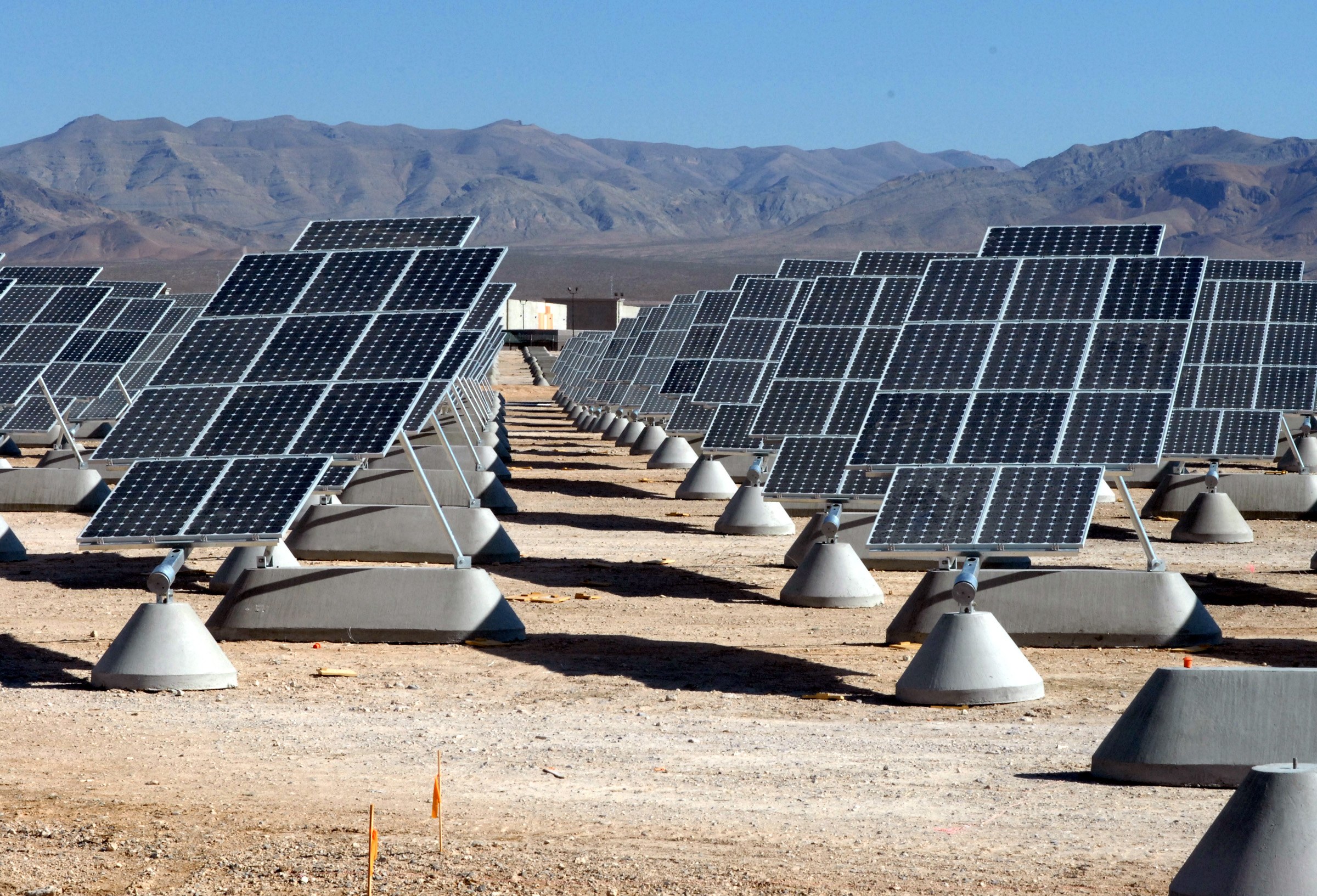
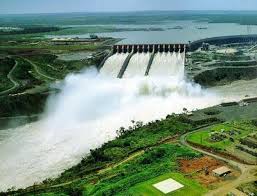
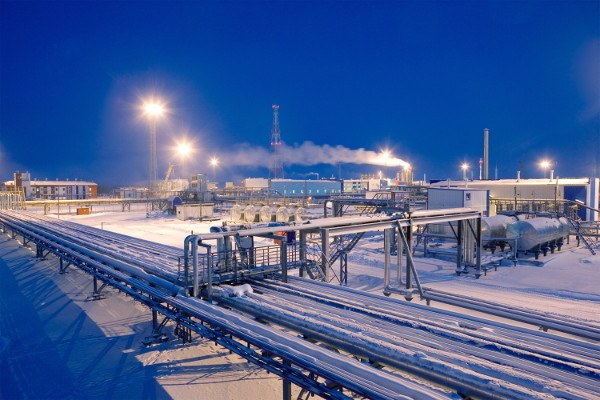


The sun is the main source of all energy on Earth.
true
false

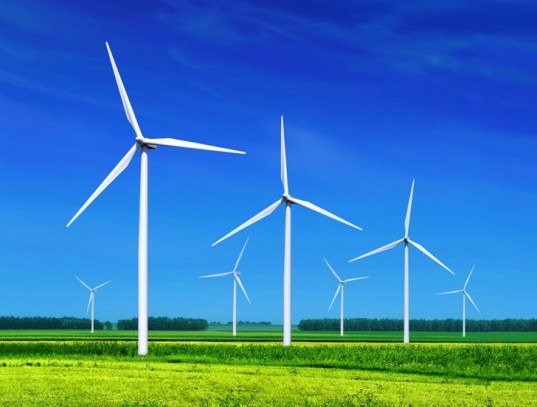
What type of energy is created using these wind turbines.
Geothermal
Hydro
Wind
Nuclear
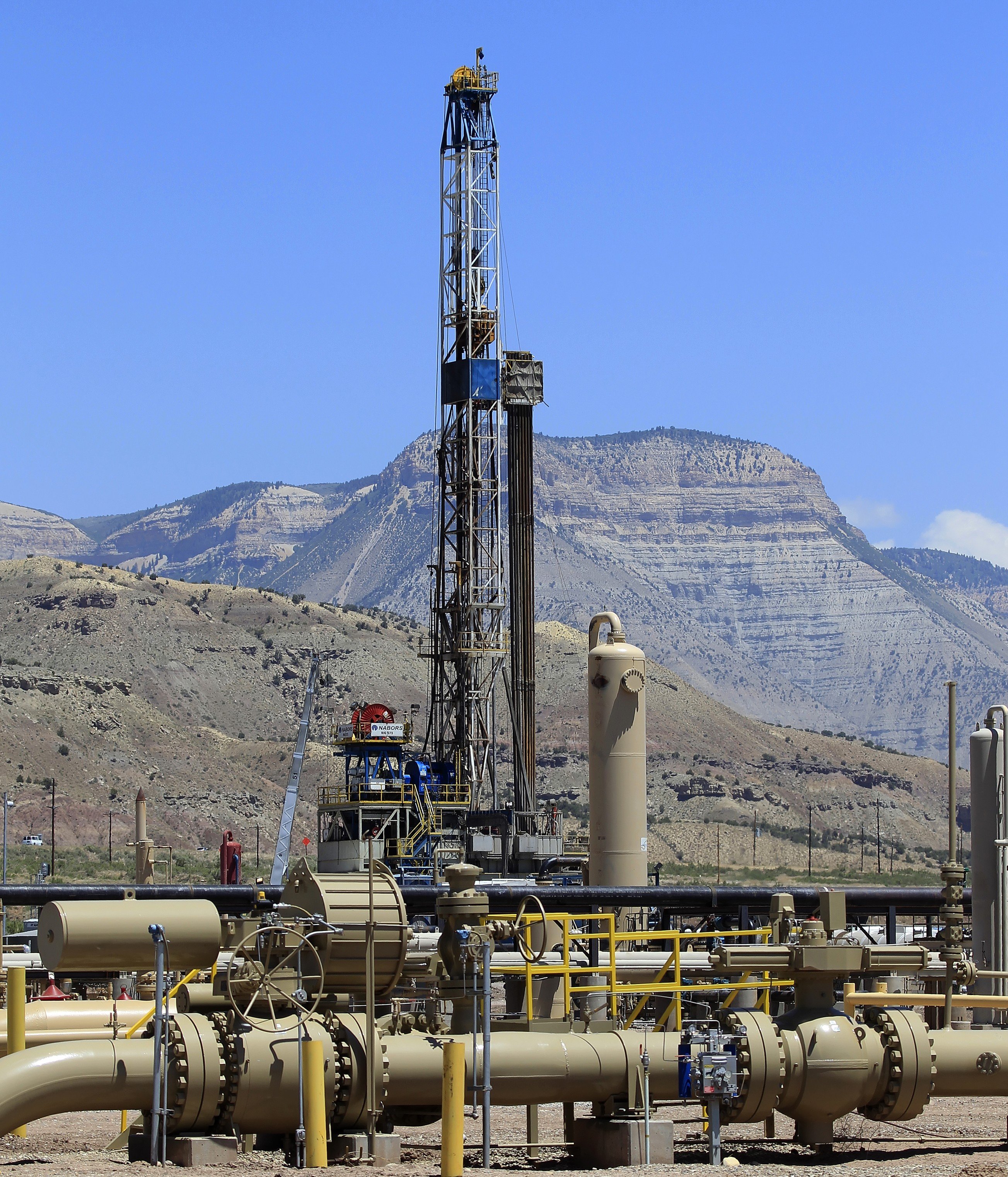


What is to protect something, or prevent the wasteful overuse of a resource?
Reduce
Reuse
Recycle
Conserve
What is a waste product made by cells of the body; a gas in the air made of carbon and oxygen atoms?
Carbon dioxide
Oxygen
Nitrogen
Chlorophyll

Minerals are used to make metals, jewelry, and other products. They can take up to millions of years to form.
Renewable
Nonrenewable

