
 Worksheets
S2 Final Exam practice
Total questions: 43
Worksheet time: 22mins
Name
Class
Date
1.

Would the following reaction be endothermic or exothermic? How do you know?
a)
endothermic because ΔH is negative
b)
exothermic because ΔH is negative
c)
endothermic because ΔH is written off to the side
d)
exothermic because ΔH is written off to the side
2.
Given the following test question:
"Consider the reaction: H2 + Cl2 ---> 2 HCl ^H = -183 KJ
What amount of energy is released when 94.5 grams of HCl is produced?"
HOW would you solve this problem?
a)
1 step: convert 94.5 grams directly to KJ
b)
2 steps: convert 94.5 grams to moles, then to KJ
c)
1 step: convert 94.5 grams to moles
d)
1 step: convert 94.5 grams to molecules
3.
What is the molarity of a solution containing 100 L of water and 25 moles of NaCl? (M=mol/L)
a)
0.25 M
b)
4 M
c)
40 M
d)
100 M
4.
When a system (chemical reaction) is at equilibrium,
a)
both the forward and reverse reactions have stopped.
b)
the forward reaction has stopped
c)
the reverse reaction has stopped
d)
neither the forward nor the reverse reaction has stopped
5.
When you are given KJ and asked for GRAMS, what are the steps to solve the problem?
a)
1 step: KJ to grams
b)
1 step: KJ to moles
c)
2 steps: KJ to grams to moles
d)
2 steps: KJ to moles to grams
6.
Which of the following ranks radioactive decay by DECREASING size?
a)
beta, alpha, gamma
b)
alpha, beta, gamma
c)
gamma, alpha, beta
d)
gamma, beta, alpha
7.

What is the instrument used to measure the HEAT associated with a chemical reaction?
a)
thermometer
b)
bjorkometer
c)
calorimeter
d)
barometer
8.
Which of the following ranks radiation types by increasing strength?
a)
alpha, beta, gamma
b)
beta, alpha, gamma
c)
gamma, beta, alpha
d)
gamma, alpha, beta
9.
What are 3 factors that can change the equilibrium of a system? (Choose 3)
a)
temperature change
b)
pressure/volume change
c)
concentration change
d)
lifestyle change
e)
catalyst addition
10.

In a heating curve, how do you find the melting point of the substance?
a)
the first diagonal line
b)
the first plateau
c)
the second diagonal line
d)
the second plateau
e)
the third diagonal line
11.

Which of the following is the correct ranking of radiation by decreasing size? (IGNORE PICTURE!!!!)
a)
gamma, beta, alpha
b)
gamma, alpha, beta
c)
alpha, beta, gamma
d)
alpha, gamma, beta
12.

How would you write the energy term (kJ) as PART OF the equation for the following equation:
a)
on the left side, as negative
b)
on the left side, as positive
c)
on the right side, as negative
d)
on the right side, as positive
13.
What type of radiation needs layers of lead or concrete to stop?
a)
alpha
b)
beta
c)
gamma
d)
all of the above
14.
Reaction rates can be defined as. . .
a)
changes in equilibrium over time
b)
changes in concentration over time
c)
changes in schedules over a semester
d)
changes in temperature over time
15.
What stage of the star cycle is our sun currently in?
a)
red giant
b)
white giant
c)
main sequence
d)
black hole
16.
When 100 g of unknown substance melts to form 100 g of unknown liquid, the process is . . .
a)
isothermic
b)
polythermic
c)
exothermic
d)
endothermic
17.
In general, as activation energy increases. . .
a)
the slower the reaction rate
b)
the faster the reaction rate
c)
stays the same
18.
What is the change in temperature when a sample changes from 108 C to 32 C?
a)
-76 C
b)
76 C
c)
108 C
d)
32 C
19.
What type of nuclear decay is happening when the overall mass from the unstable atom to the stable atom decreases by 4?
a)
gamma
b)
beta
c)
alpha
d)
sigma
20.

Calculate the quantity of heat required to melt a 10 gram sample of gold.
(The specific heat of gold is 0.13 J/g C and the ∆Hfus for gold is 64.5 J/g.)
What EQUATION would you use to solve this problem?
a)
q= m ∆Hfus
b)
q = m ∆Hvap
c)
q=mc∆t
d)
q = vxcfut
21.
If a substance has a HIGH specific heat, it takes ______ energy to increase the temperature.
a)
less
b)
more
22.
In general, as activation energy decreases . . .
a)
the slower the reaction rate
b)
the faster the reaction rate
c)
stays the same
23.
Elements with atomic numbers GREATER THAN ____ are radioactive.
a)
13
b)
63
c)
83
d)
103
24.
Which describes the law of conservation of energy?
a)
energy is transferred, not created nor destroyed
b)
energy does not move between objects
c)
energy is transferred from high to low
d)
energy is transferred from low to high
25.
In the equation q=mc∆t, what does the "m" stand for?
a)
energy
b)
mass
c)
specific heat
d)
change in temperature
26.
What is your favorite food?
4 lines
27.
What is the largest factor that determines the path of a star takes through its life cycle?
a)
temperature
b)
size
c)
brightness
d)
color
28.
What type of radiation is a particle and has essentially zero mass?
a)
alpha
b)
beta
c)
gamma
d)
all of the above
29.
In the equation q=mc∆t, what does the "q" stand for?
a)
energy
b)
mass
c)
specific heat
d)
change in temperature
30.
When a solution has more than the maximum amount of solute dissolved in the solvent, that solution is. . .
a)
unsaturated
b)
saturated
c)
supersaturated
31.
What is the molality of a solution that contains 10 moles of solute per 2 kg of solvent? (m=mol/kg)
a)
20 m
b)
10 m
c)
5 m
d)
2 m
32.
A catalyst in a chemical reaction. . .
(choose 3 answers)
a)
speeds up the reaction
b)
is a substance added to a chemical reaction
c)
lowers the activation energy
d)
is used up in the reaction
e)
raises the activation energy
33.
Which of the following occurs on the sun?
a)
transmutation
b)
positron emission
c)
fission
d)
fusion
34.
What does "half-life" mean in relation to a radioactive element?
a)
the time it takes for all of the element to decay
b)
the time it takes for half the element to decay
c)
the time it takes for the element to fuse with another element
d)
the time it takes to get to half your life
35.
In an ENDOTHERMIC reaction, energy is ____________ from the surroundings.
a)
absorbed
b)
released
36.
Which of the following are examples of EXOTHERMIC processes? (choose TWO)
a)
water freezing into ice
b)
ice melting into water
c)
liquid water turning to gas
d)
gas condensing to a liquid
37.

Would the following reaction be ENDOTHERMIC or EXOTHERMIC?
a)
endothermic
b)
exothermic
38.
Which of the following ARE endothermic processes? Choose all that apply.
a)
condensation
b)
vaporization
c)
melting
d)
sublimation (solid to gas)
39.
What process is when a 2 smaller H atoms combine to make 1 larger He nucleus?
a)
fusion
b)
fission
c)
fascination
40.
Which process unleashes a LOT of energy?
a)
fission
b)
fusion
c)
Both of these processes
41.
Which diagram represents an EXOTHERMIC reaction?
a)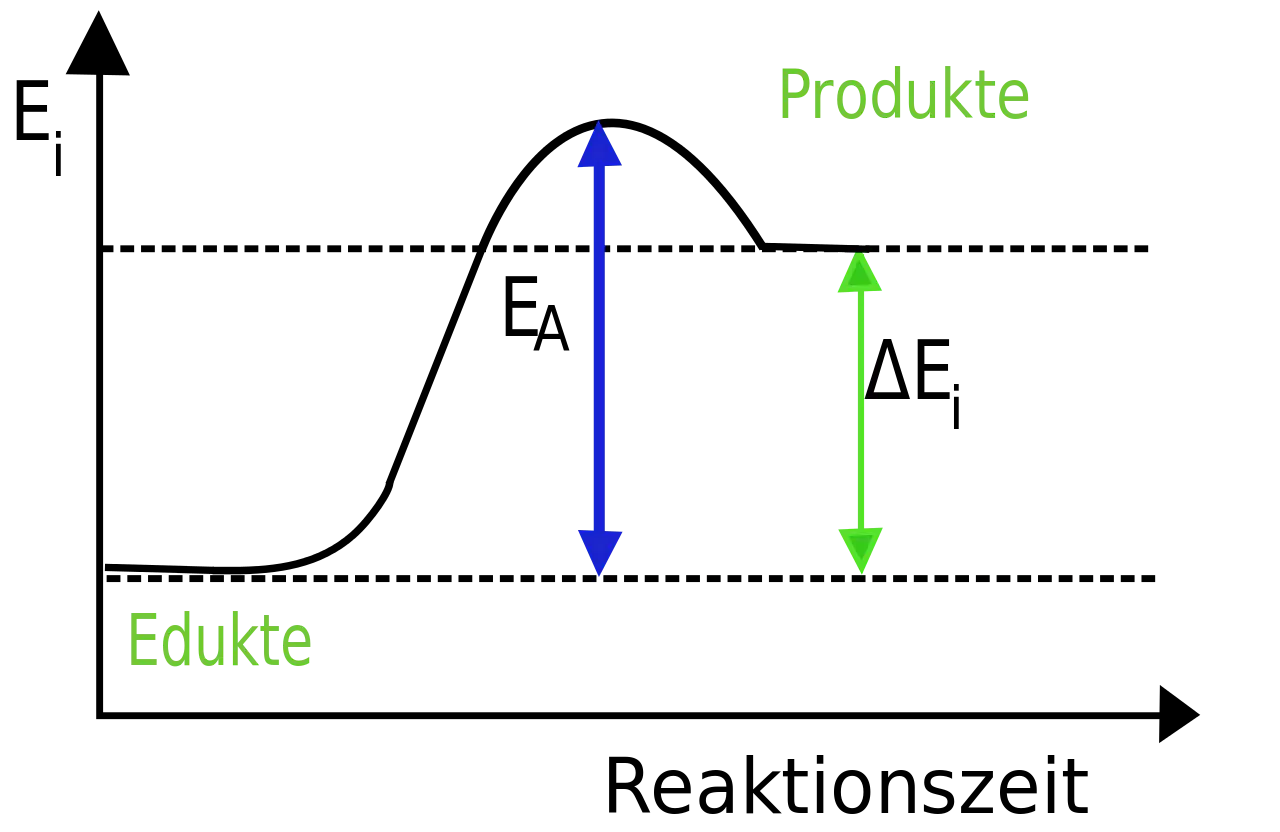
Option 1
b)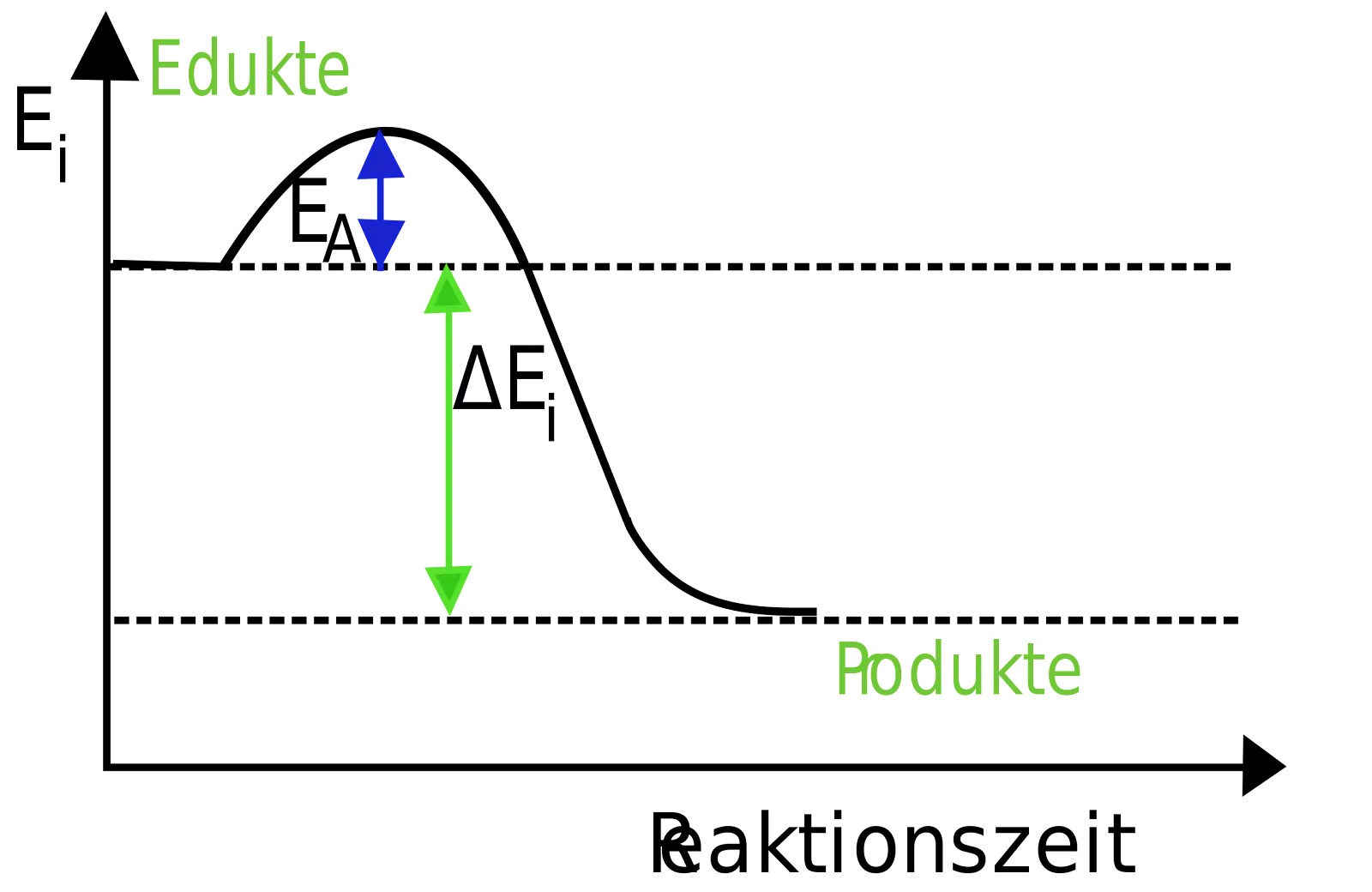
Option 2
c)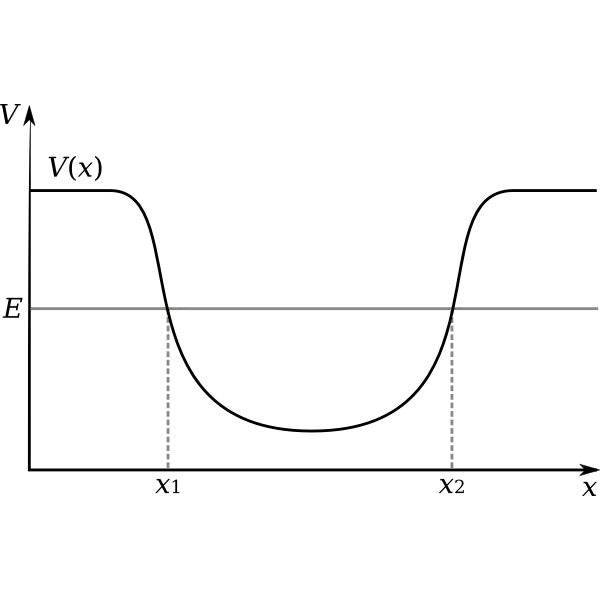
Option 3
d)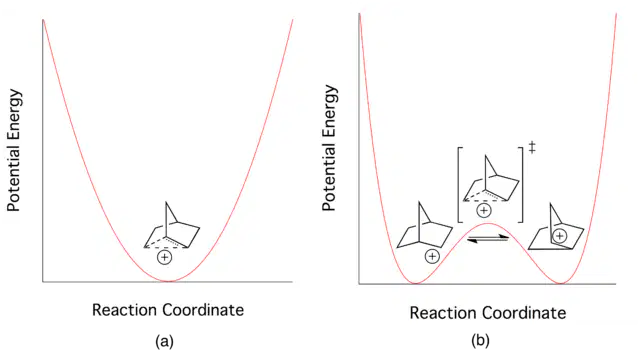
Option 4
42.
Which of the following is FALSE regarding an exothermic reaction?
a)
it releases energy to the surroundings
b)
the energy term (KJ) appears on the left side of the balanced equation
c)
the energy term (KJ) has a negative value
d)
on a potential energy diagram, the products end lower than the reactants
43.
Order based on increasing temperature below:
a)
physical, nuclear, chemical
b)
chemical, physical, nuclear
c)
nuclear, physical, chemical
d)
physical, chemical, nuclear
100 %

