
Font size
 Worksheets
Year 9 Biology Practice Quiz
Total questions: 77
Worksheet time: 39mins
proteins that help break down large molecules into smaller molecules
enzymes
saliva
bili
gastric juice
___________ are enzymes that help break down fats.
Lipase
Amylase
Papain
Pepsin
A muscular tube that connects the mouth and the stomach.
esophagus
liver
small intestine
Gall bladder
Food moves through the esophagus and the rest of the digestive tract by waves of muscle contractions called
peristalsis
homeostasis
sonar waves
tsunami waves
The folds of the small intestine are covered with fingerlive projections called...
bolus
bile
villi
vicky
What is the function of the gallbladder?
produce bile
store bile
absorb vitamins
digest protein
The function of the liver is to...
absorb vitamins
produce bile
store bile
digest protein
What is the nutrient that bile helps to digest?
Proteins
Lipids
Carbohydrates
Protein and lipids
What are the 4 steps of digestion? (in order)
ingestion, digestion, absorption, egestion
digestion, absorption, elimination, ingestion
ingestion, congestion, pregestion, elimination
pre-gestion, congestion, digestion, elimination
hard question, Sugestion, analyzation, pretention
a type of digestion where food is physically broken into smaller pieces...
chemical digestion
mechanical digestion
indigestion
automatic digestion
A type of digestion where chemical reactions break down pieces of food into smaller molecules
mechanical digestion
indigestion
chemical digestion
such thing does not exist
Select the following that are functions of bile.
Neutralises the acid from the stomach
Sets optimal pH for enzymes
Emulsifies fats (breaks large drops of fat into small droplets)
Increase surface area of fats for digestion (lipase enzymes can break it down more easy)
Decreases pH to reduce alkaline conditions

The process that is taking place there is
peristalsis
digestion
absorption
excretion

What is the function of this structure ?
To digest the food
To digest the food mechanically
To absorb all the digested food particles
To excrete the wastes

The organ that produces BILE is
B
C
E
A

The diagram below shows a system in the human body. Four parts of the system are numbered. Which of the following correctly identifies the four numbered parts?

A

B

C

D
What happens to the diaphragm when we breath in (inhale)
The diaphragm relaxes and moves upward
The diaphragm does not move
The diaphragm contracts and moves downward
Why are alveoli one cell thick?
To prevent it from harm
so that the gas exchange is easier as there is a short diffusion distance
To make more food for the body
To ensure only oxygen passes through the membrane
What is the site of gas exchange?
alveoli
nose
lung
bronchi

What is labeled at E?
bronchi
trachea
pharynx
none of the above

Which number is pointing to the diaphragm?
8
7
6
5
How does the extra space created by your diaphragm and rib muscles contracting affect the air pressure inside your chest cavity?
The air pressure increases.
The air pressure decreases.
The air pressure does not change.
The air pressure fluctuates.
How does an increase in air pressure in your chest cavity affect your lungs?
Air rushes in to the lungs.
Air is forced out of the lungs.
The lungs are not affected.
Air does not move in or out.
When the space inside your chest cavity decreases air pressure ___________.
increases
decreases
stays the same
fluctuates
Select the following which are adaptations of the alveoli.
Many alveoli provide large surface area to increase gas exchange
Concentration gradient to maintain diffusion
Only contain oxygeated blood to ensure diffusion
Surrounded by capillaries to provide blood supply
Thin walls (1 cell thick), short diffusion distance
What muscle allows you to breathe in and out?
The muscle that allows you to breathe in and out is the nose.
The muscle that allows you to breathe in and out is the trachea.
The muscle that allows you to breathe in and out is the tongue.
The muscle that allows you to breathe in and out is the diaphragm.
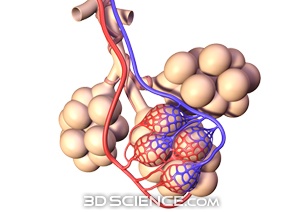
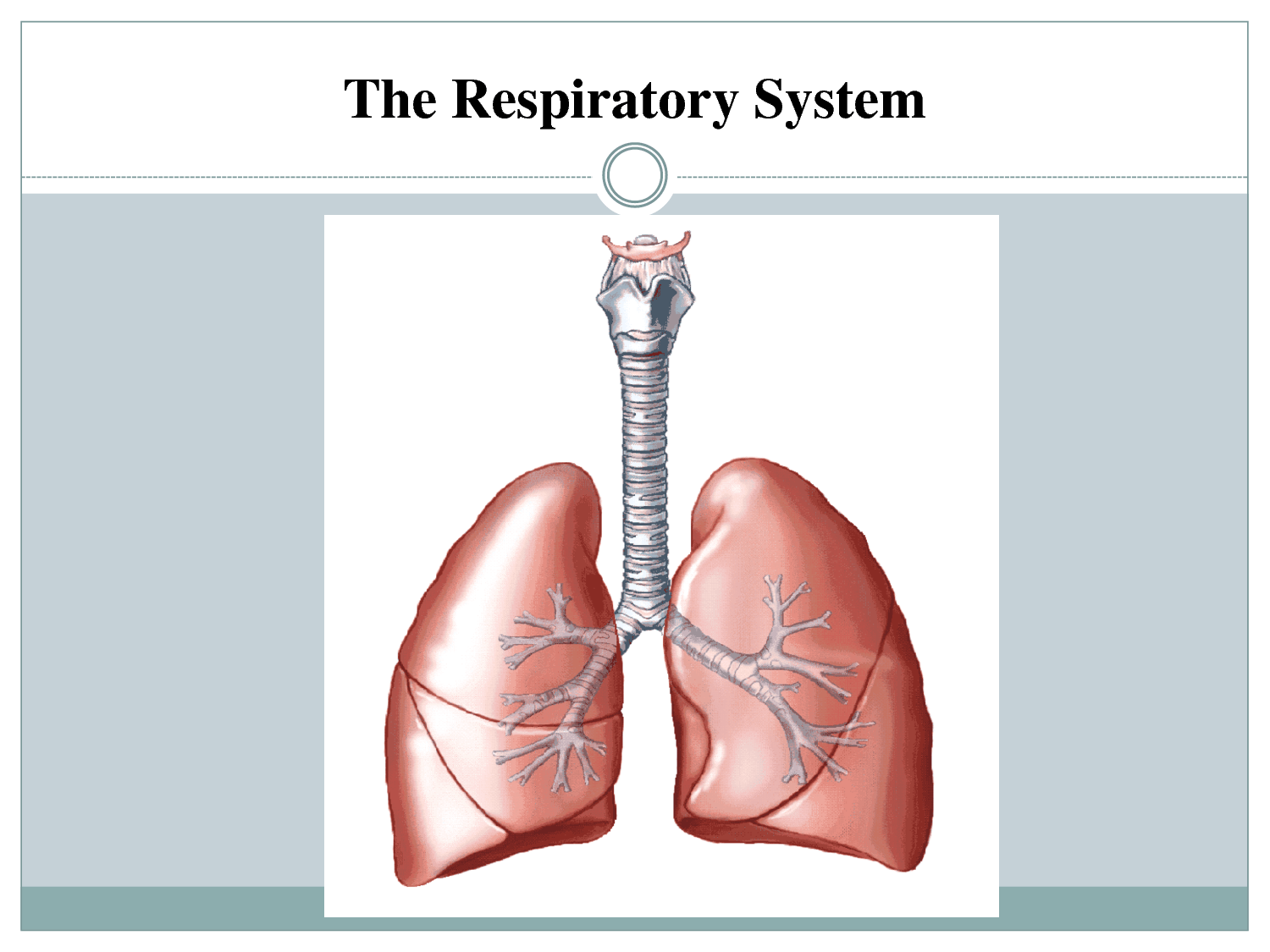
What is the main function of the respiratory system?
to provide oxygen and remove carbon dioxide from the body
o break down food and absorb nutrients
to remove oxygen from the body and deliver carbon dioxide
The vessel that allows material exchange to take place between body cells and itself.
arteries
veins
venules
capillaries
The blood vessel that carries oxygenated blood back to the heart
vena cava
pulmonary vein
pulmonary artery
hepatic portal vein

Large amounts of elastic fibers help arteries to
not burst under high pressure.
stretch and recoil to help push blood along it.
help maintain blood pressure.
carry out peristalsis.
I have a large lumen, I have thin walls and I have valves. What am I?
I have a small lumen, I have thick, muscular and elastic walls and I have no valves. What am I?

A difference between veins and arteries is that veins have large lumens and arteries have small lumens
True
False

Name blood vessel B.
Vena cava
Aorta
Pulmonary artery
Pulmonary vein
Name blood vessel M.
Vena cava
Aorta
Pulmonary artery
Pulmonary vein
Name blood vessel C.
Vena cava
Aorta
Pulmonary artery
Pulmonary vein
Name blood vessel L.
Vena cava
Aorta
Pulmonary artery
Pulmonary vein
Name blood vessel J.
Hepatic portal vein
Renal vein
Hepatic vein
Hepatic artery
Name blood vessel I.
Hepatic portal vein
Renal vein
Hepatic vein
Hepatic artery
Which blood vessel has the highest oxygen/lowest carbon dioxide
L
C
M
B
Which blood vessel has the lowest oxygen/highest carbon dioxide
L
C
M
B


Which valve is letter X?
aortic (semi-lunar)
bicuspid
tricuspid
pulmonary (semi-lunar)
The function of the valves is to...
Allow for the contraction of the heart.
Prevent back-flow.
Oxygenate the blood.
Supply the myocardium with oxygen.
The blood vessels that supply oxygen to the heart's tissues.
cornary artery
apex
pulmonary artery
vena cava
The largest artery in the body. Carries oxygenated blood from the left ventricle to the rest of the body.
aorta
apex
pulmonary artery
vena cava
Which blood vessel are affected in coronary heart disease?
Vena cava
Aorta
Coronary arteries
Coronary veins
What is the meaning of coronary heart disease (CHD)?
A disease of the damage septum in heart
A disease when you eat a lot of unhealthy food
A disease when your coronary arteries become narrower because the plaque buildup
A disease when you become lazy to do exercise
Select the following risk factors for coronary heart disease.

Smoking and alcohol

Healthy diet

Stress

Genetics

Low exercise
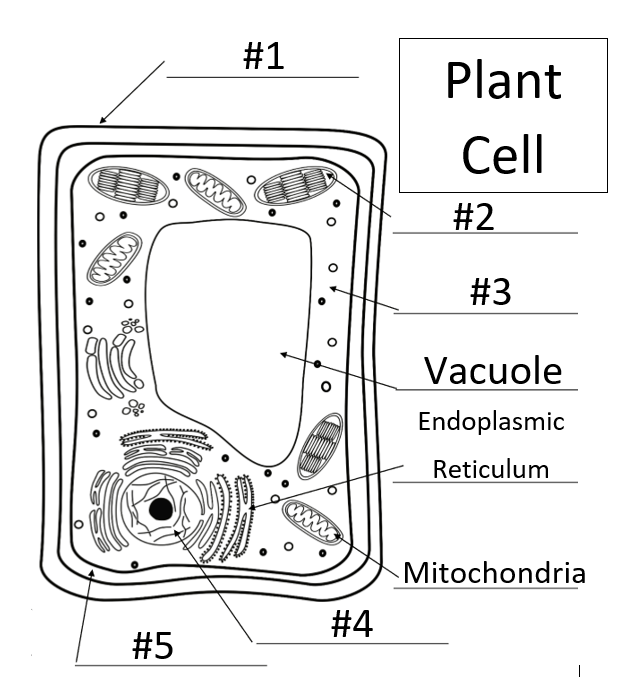
Which organelle is #1?
Vacuole
Chromosomes
Cell Wall
Nucleus
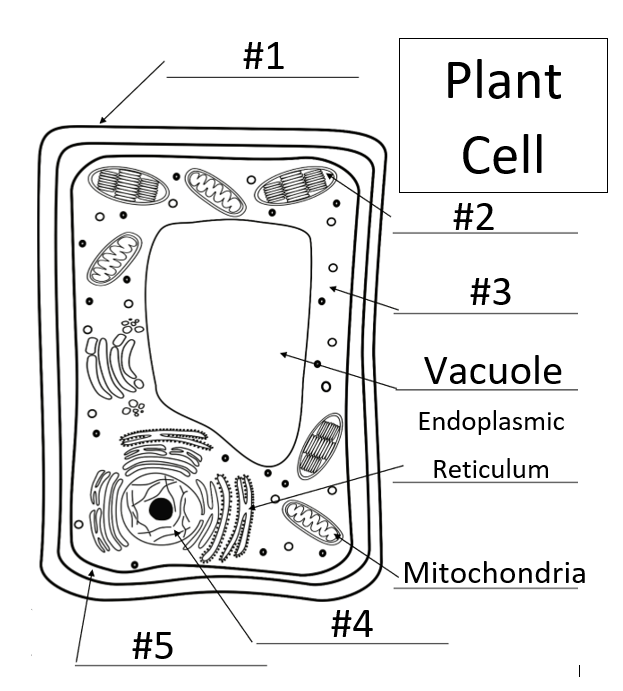
Which organelles are #4 and #5?
Cell membrane and mitochondria
Cell membrane and chloroplast
Nucleus and mitochondria
Nucleus and cell membrane
Which organelle is the site of photosynthesis
mitochondria
Cell membrane
Nucleus
Chloroplast
Which organelle makes proteins
mitochondria
Cell membrane
Nucleus
Ribosomes

Which of the following structure is where cellular respiration occurs in the cell?
nucleus
cytoplasm
mitochondria
vacuoles
Which equation shows the reaction for anaerobic respiration in humans
The correct word equation for aerobic respiration is
carbon dioxide + water (+ ATP) → glucose + oxygen
water + oxygen → carbon dioxide + glucose (+ ATP)
glucose + oxygen → carbon dioxide + water (+ ATP)
glucose + water → carbon dioxide + water (+ ATP)
The correct word equation for Anaerobic respiration is
glucose → lactic acid + oxygen
glucose → lactic acid (+ energy released)
glucose + oxygen → lactic acid (+ energy released)
lactic acid → energy released
What is the chemical equation for anaerobic respiration in yeast?
glucose --- carbon dioxide + ethanol + a little energy
glucose --- lactic acid + energy
glucose + oxygen --- carbon dioxide + water + energy

What is indicated by letter C?
enzyme
product
substrate
active site
What is indicated by letter B?
enzyme
product
substrate
active site
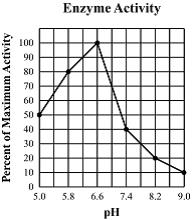
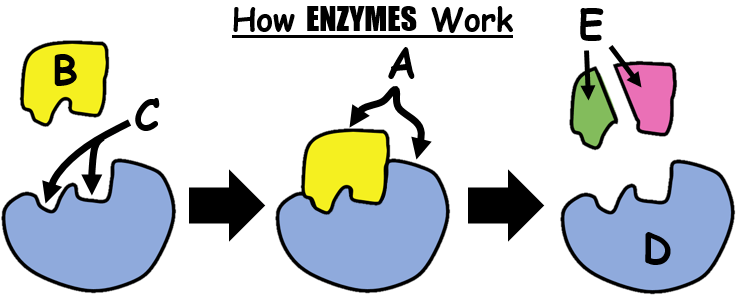
What is letter A pointing to?
enzyme-substrate complex
enzyme
substrate
products

Select the options which help explain the increase in enzyme activity.
More enzyme substrate complexes form
more successful collisions
Kinetic energy increases
Enzyme activity peaks at 32.5 °C
(optimum temperature)
Enzyme is denatured at the beginning
Select the options which help explain the decrease in enzyme activity.
More enzyme substrate complexes form
Substrate no longer fits/binds to active site
More collisions
Active site changes shape
Enzyme is denatured at high temperatures

