wayground logo

Free Printable Worksheets

NEW

Font size

S
M
L
XL
Worksheets

Biology EOC Review 2019 #2

Total questions: 79

Worksheet time: 2hrs 33mins

Name
Class
Date
1.
The backbone of a DNA molecule is made from a ______________ and a _______________ group.
a)
lipid, carbon
b)
sugar, phosphate
c)
nitrogen, oxygen
d)
nitrogen, sulfur
2.
What are the four nitrogen bases?
a)
adenine, thymine, guanine, cytosine
b)
adenine, lysine, prolene, guanine
c)
arganine, cytosine, lysine, purine
d)
lysine, cytosine, lucine, guanine
3.
The building block of nucleic acids are nucleotides.  Nucleotides are composed of a sugar, a phosphate group, and a _________________ base.
a)
oxygen
b)
hydrogen
c)
nitrogen
d)
carbon
4.
The shape of the DNA molecule is a double __________________?
a)
"S"
b)
helix
c)
rope
d)
curve
5.
DNA makes a copy of itself in a process called ________________________________?
a)
translation
b)
replication
c)
translation
d)
division
6.
Cattle egrets forage (feed) in fields among cattle. The egret gets easy access to flying insects stirred up by the cattle, and the cattle don't care if they are there or not.
a)
mutualism
b)
commensalism
c)
competition
d)
parasitism
7.
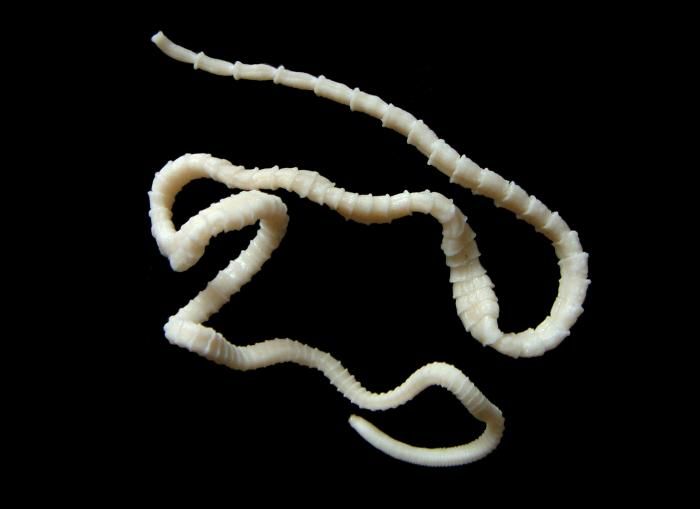
A tapeworm and a cat have this type of relationship.
a)
mutualism
b)
parasitism
c)
commensalism
d)
competition
8.
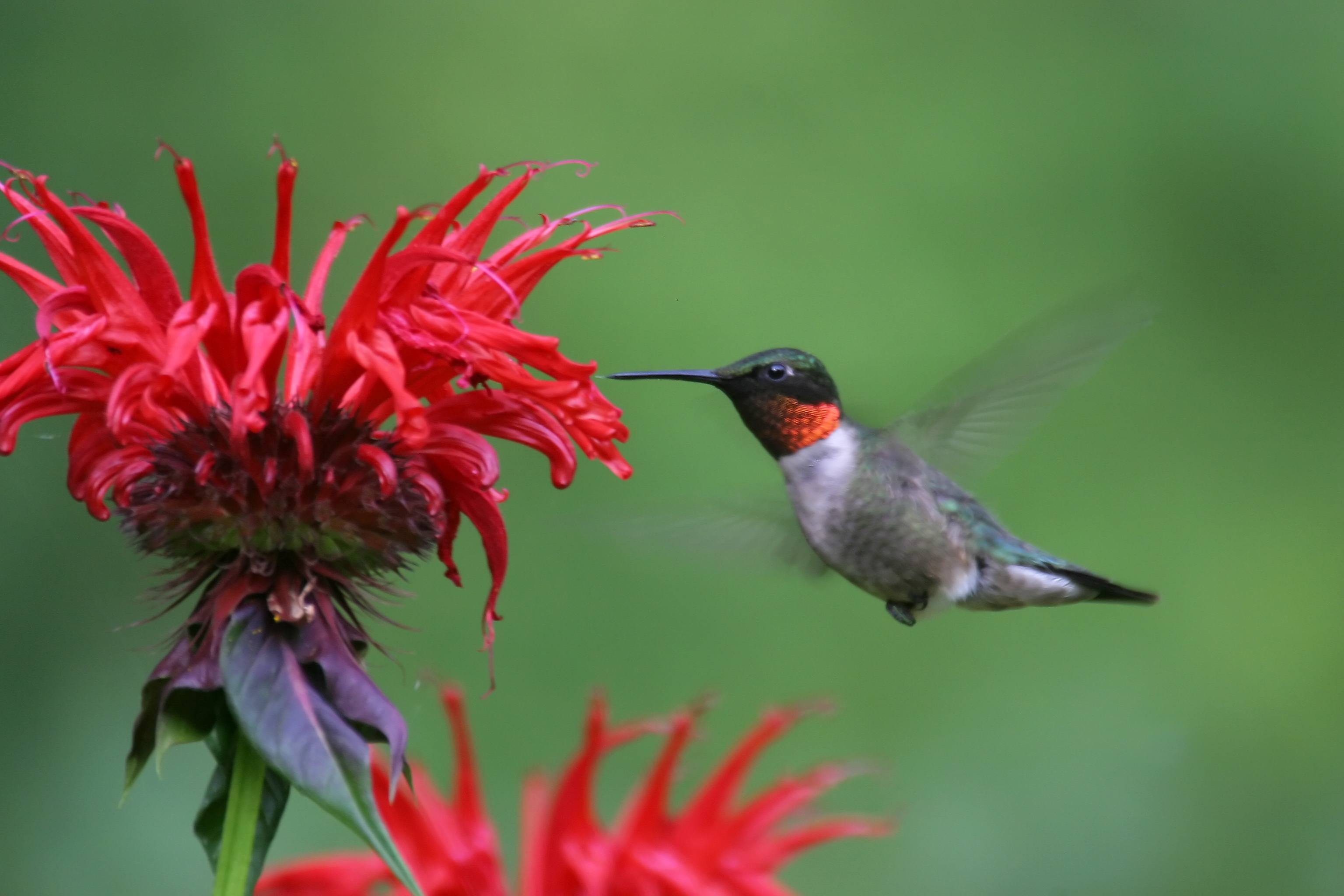
What type of symbiosis?  Hummingbirds feed on nectar from flowers.  The flowers are pollinated by hummingbirds as they move from flower to flower.
a)
commensalism
b)
mutualism
c)
parasitism
d)
predation
9.
Which of the following is the correct equation for PHOTOSYNTHESIS?
a)
CO+ light + H2O --> O+ Sugar
b)
CO+ sugar + H2O --> O+ light
c)
O2 + light + H2O --> CO+ Sugar
d)
CO+ O2 + H2O --> Light+ Sugar
10.
(SC.912.N.1.1) An osmosis investigation was conducted using 20 chicken eggs to represent cells with semipermeable membranes. The eggs were first soaked in vinegar to dissolve the shell. The eggs were then transferred to corn syrup for 24 hours and then to distilled water for 24 hours. The mass of each egg was measured before and after each soaking to determine how much water diffused into or out of the eggs. The table below shows the average mass of the eggs at each step of the investigation.
Based on this experiment, which of the following should be inferred about cells with semipermeable membranes? 
a)
Substances other than water may also cross the cell membrane. 
b)
Substances other than water may block pores in the cell membrane. 
c)
Water enters the cell when placed in environments of high water concentration. 
d)
Water leaves the cell when placed in environments with a low concentration of solutes. 
11.
(SC.912.L.14.1) The cell theory was first proposed in 1838. Evidence obtained through additional scientific investigations resulted in the current cell theory. Which statement describes a component of the original cell theory that was removed because of the new scientific knowledge?
a)
All living things are made of cells. 
b)
All cells come from other preexisting cells. 
c)
Cells form through spontaneous generation. 
d)
Cells are the basic structural and functional units of life. 
12.
(SC.912.L.14.3) There are some similarities between prokaryotic and eukaryotic cells. Which of the following structures is found in both prokaryotic and eukaryotic cells?
a)
lysosome
b)
mitochondrion
c)
nucleus
d)
ribosome
13.
(SC.912.L.14.7) Terrestrial plants have stomata on the surface of their leaves. A single stoma is surrounded by two guard cells that change shape in response to environmental factors and open or close the stoma. Which of the following best explains how the structure of the leaf is used in processes that occur in the plant?
a)
Water enters the plant through the surface of the leaf for transpiration. 
b)
Gases for photosynthesis are exchanged through the surface of the leaf
c)
Energy for cellular reproduction is absorbed through the surface of the leaf. 
d)
Carbon dioxide enters the plant through the surface of the leaf for cellular respiration. 
14.
(SC.912.L.15.1) The scientific theory of evolution is supported by different types of evidence. The diagrams below show the skeletons of two different animal species.How does comparing the skeletons of these animals provide support for the scientific theory of evolution?
a)
It provides information about the organisms’ habitats. 
b)
It shows possible common ancestry between organisms. 
c)
It provides information to determine the organisms’ ages. 
d)
. It shows possible chromosomal similarities between organisms. 
15.
(SC.912.L.15.6) Organisms classified as fungi have unique characteristics. Which of the following characteristics is found only in organisms classified in the kingdom Fungi?
a)
. single cells without a nucleus
b)
multicellular with chloroplasts 
c)
multicellular filaments that absorb nutrients 
d)
colonies of single, photosynthetic cells that reproduce asexually 
16.
(SC.912.L.15.13) Over time, the climate of an island became drier, which resulted in changes to the populations of various island finch species. Finch populations with a certain beak shape thrived, while those not having that beak shape decreased. Which of the following describes a necessary condition for these changes in the finch populations to occur?
a)
fewer mutations 
b)
limited food resources 
c)
limited beak variations 
d)
overproduction of offspring 
17.
(SC.912.L.16.2) Hemophilia is a sex-linked, recessive trait. Which of the following describes the probability of hemophilia in the offspring of a man who does not have hemophilia and a woman who is a heterozygous carrier?
a)
There is a 25% chance that their sons will have hemophilia. 
b)
There is a 100% chance that their sons will have hemophilia. 
c)
There is a 0% chance that their daughters will have hemophilia. 
d)
There is a 50% chance that their daughters will have hemophilia. 
18.
(SC.912.L.16.9) Genes for medically important proteins can be cloned and inserted into bacteria, as shown in the diagram below. Why can bacteria recognize a human gene and then produce a human protein?
a)
DNA replication in bacteria and humans is the same. 
b)
Bacterial cells contain the same organelles as human cells. 
c)
The basic components of DNA are the same in humans and bacteria. 
d)
Bacterial cells and human cells contain the same kind of chromosomes. 
19.
(SC.912.L.16.10) While genetic engineering has positive benefits, there are also concerns associated with widespread use of genetic engineering in agriculture. If many farmers begin to plant more genetically modified crops that have an increased tolerance to insects, which of the following may result?
a)
an increase in the use of pesticides 
b)
a decrease in genetic diversity of the crops 
c)
an increase in the contamination of the water supply
d)
a decrease in crop productivity on these treated fields 
20.
(SC.912.L.16.17) Mitosis and meiosis are processes involved in cellular reproduction. Which of the following describes an event that results from mitosis but NOT meiosis?
a)
two stages of cell division 
b)
replication of cellular genetic material 
c)
daughter cells that are identical to the parent cell 
d)
four daughter cells that are produced from each parent cell 
21.
(SC.912.L.17.5) The number of pythons found throughout Everglades National Park has increased in recent years. These huge snakes are not native to Florida and are believed to have been released into the wild by pet owners. Wildlife biologists have initiated attempts to capture and remove these pythons. Which statement best explains the biologists’ reason for removing these pythons from the Everglades?
a)
The pythons could upset the territorial boundaries of native organisms. 
b)
The pythons could adapt to overcome diseases common to native snakes. 
c)
The pythons could prey on native organisms and cause native populations to decline. 
d)
The pythons could begin to interbreed with native snakes and produce a more successful species.  
22.
(SC.912.L.17.9) A team of ecologists observed feeding patterns of several populations in the desert. The energy pyramid shown below depicts the feeding patterns the ecologists observed. Which of the following best explains the difference in the amount of available energy in the trophic levels of the desert ecosystem?
a)
There is less energy available in the producers because their tissues are less dense than those at higher trophic levels. 
b)
There is more energy available in the second trophic level because less energy is needed for hunting compared to the higher trophic levels. 
c)
There is less available energy in the fourth trophic level because of the loss of energy through metabolism in each of the lower trophic levels. 
d)
There is more available energy in the birds of prey because they have greater muscle mass for storing energy than organisms in lower trophic levels have. 
23.
(SC.912.L.17.20) Salt water is an abundant resource but is unusable for irrigation and drinking. As demands on freshwater sources increase, the use of desalination processes to remove salt from ocean water is increasing. A concern of desalinating water is the large amounts of recovered salts that are returned to the ocean. Which of the following describes the most likely impact of desalination on the surrounding ocean environment?
a)
Methane gas would pollute the ocean environment as shoreline organisms begin to die and decay. 
b)
Alteration in ocean salt levels would cause loss of species and unbalanced populations in marine food webs. 
c)
Nonrenewable resources in the ocean environment would become depleted and upset the ecosystem’s balance. 
d)
Increased levels of salts and minerals in the ocean would result in overpopulation of marine bivalves due to strengthened shells. 
24.
(SC.912.L.18.9) The diagram below shows the relationship between photosynthesis and cellular respiration and the organelles in which they occur. Which statement describes how photosynthesis and cellular respiration are interrelated?
a)
Oxygen is produced during cellular respiration and stored during photosynthesis. 
b)
Carbon dioxide and water released by cellular respiration are used in photosynthesis. 
c)
Photosynthesis releases the energy that is stored during the process of cellular respiration.  
d)
Glucose is used during cellular respiration to produce food that is broken down during photosynthesis.  
25.
(SC.912.L.18.12) Water is essential for life. Its special properties make water the single most important molecule in plant life. Which of the following properties of water enables it to move from the roots to the leaves of plants?
a)
Water expands as it freezes. 
b)
Water is an excellent solvent. 
c)
Water exhibits cohesive behavior. 
d)
Water is able to moderate temperatures.
26.
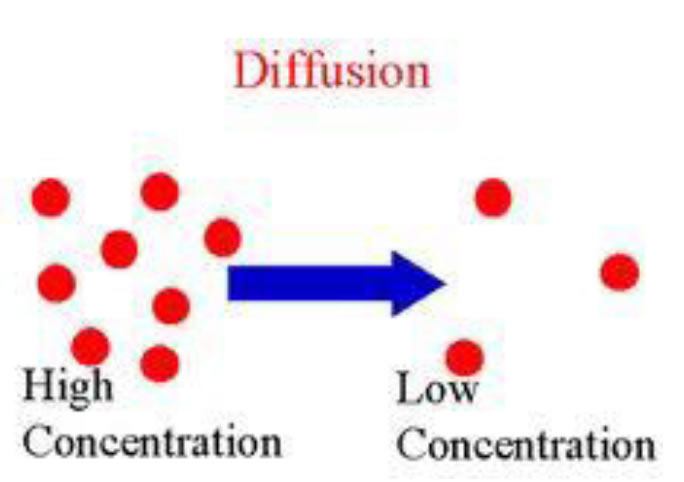
Movement of particles from high to low concentration. 
a)
Passive Transport
b)
Active Transport
27.
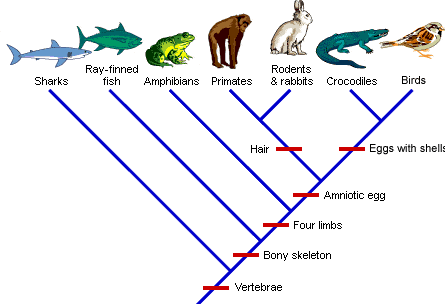
Which two orgainsms have hair? 
a)
Sharks & Ray Finned Fish
b)
Primates & Rodents
c)
Birds & Crocodiles
d)
Rabbits & Birds
28.
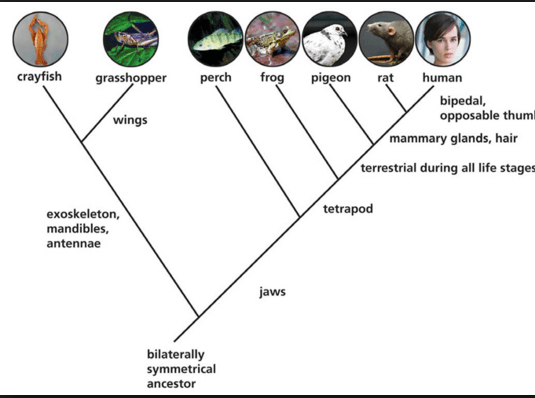
According to the cladogram, which organism is most distantly related to the human?
a)
crayfish
b)
grasshopper
c)
perch
d)
frog
29.
Where is there a high concentration of water?
a)
in the flower
b)
cannot be determined by picture.
c)
in the vase
d)
in the leaves
30.
Osmosis
a)
diffusion of water molecules through a semi-permeable mebrane from an area of low concentration to an area of high concentration
b)
the diffusion of particles from an area of high concentration to an area of low concentration
c)
diffusion of water molecules through a semi-permeable membrane from an area of high concentration to an area of low concentration
d)
the diffusion of particles from an area of low concentration to an area of high concentration
31.
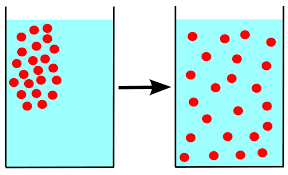
The picture below is an example of _________________.
a)
osmosis
b)
isotonic
c)
diffusion
d)
active transport
32.
In the given scenario what will happen to the organism: salt is poured onto eggplant.
a)
Water will move out of the eggplant cells and the cells will shrink.
b)
Water will move out of the eggplant cells and the cells will swell.
c)
Water will move into the eggplant cells and the cells will swell.
33.
What phase of mitosis is pictured?
a)
Metaphase
b)
Telophase
c)
Prophase
d)
Anaphase
34.
What is this an example of?
a)
diversity of species
b)
variation
c)
vestigial structures
d)
DNA studies
35.
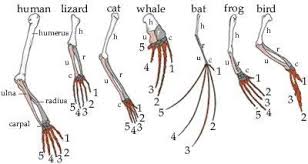
What is this an example of?
a)
vestigial structures
b)
embryology
c)
homologous structures
d)
fossil record
36.
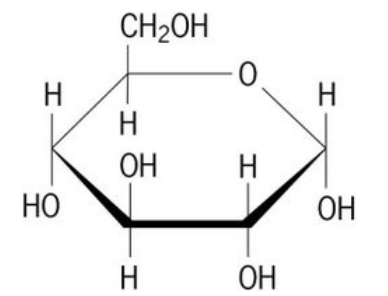
Which biomolecule is this a picture of?
a)
Protein
b)
Nucleic Acid
c)
Lipid
d)
Carbohydrate
37.
The process shown represents___________.
a)
Photosynthesis of glucose
b)
Replication of DNA
c)
Transcription of a gene
d)
Translation of a protein
38.
Which sequence of nucleotides represents the gene for this trait?
a)
ACT AAG
b)
TCU TTG
c)
GAA UCU
d)
UCC TGA
39.
In Siamese cats, the fur on the ears, paws, tail, and face is usually black or brown, while the rest of the body fur is almost white. If a Siamese cat is kept indoors where it is warm, it may grow fur that is almost white on the ears, paws, tail, and face, while a Siamese cat that stays outside where it is cold, will grow fur that is quite dark on these areas.   The best explanation for these changes in fur color is that ___. 
a)
an environmental factor influences the expression of this inherited trait
b)
the location of pigment-producing cells determines the DNA code of the genes
c)
skin cells that produce pigments have a higher mutation rate than other cells
d)
the gene for fur color is modified by interactions with the environment
40.
Which of these best describes the correct sequence in the expression of a trait? 
a)
trait --> gene--> enzyme
b)
gene--> protein --> trait
c)
gene --> trait --> DNA
d)
protein --> gene --> trait
41.
The diagram shows the relationship between photosynthesis and respiration. What are the products of photosynthesis?   
a)
Energy and oxygen 
b)
Glucose and oxygen 
c)
Carbon dioxide and water 
d)
Glucose and carbon dioxide
42.
The diagram shows a relationship between photosynthesis and cellular respiration.   Which statement best describes the interdependence of photosynthesis and cellular respiration? 
a)
The products of photosynthesis are carbon dioxide and water to be used in cellular respiration 
b)
The reactants of photosynthesis are the products of cellular respiration 
c)
The reactants of photosynthesis are sugar and oxygen to be used in cellular respiration
d)
The products of photosynthesis are the same as the products of cellular respiration
43.
In the reactions of photosynthesis, simple sugar molecules are manufactured in the 
a)
Chloroplasts 
b)
Mitochondria 
c)
Stomates
d)
Vacuoles
44.
 Study the equations. 
According to these equations, which of the following is a reactant during respiration?
a)
Water 
b)
Sugar 
c)
Energy 
d)
Carbon dioxide
45.
The diagram shows products of cellular processes flowing to organisms that can use them. According to the diagram, Product 2 is ___.
a)
Oxygen produced by photosynthesis 
b)
Oxygen produced by respiration 
c)
Carbon dioxide produced by photosynthesis
d)
Carbon dioxide produced by respiration
46.
When does the duplication of DNA occur?
a)
Prophase
b)
Metaphase
c)
Interphase
d)
Telophase
47.
The rabbit in this food web would be considered a:
a)
Decomposer
b)
Producer
c)
Secondary Consumer
d)
Primary Consumer
48.
The building blocks of DNA  & RNA consisting of a five-carbon sugar, a phosphate group, and a nitrogen-containing base.
a)
Genetics
b)
Replication
c)
Nucleotides
49.
How do enzymes function?
a)
They increase the activation energy
b)
They increase the reaction rate
c)
They decrease the reaction rate
d)
They decrease the substrate binding complex
50.
Normal-
AGA-TTC-ATA-GCG
Mutant-
AGA-TTC-AAT-AGC-G
What is the type of mutation that has occurred?
a)
deletion frameshift
b)
insertion frameshift
c)
substitution
d)
nonsense
51.
What does NOT happen during interphase?
a)
growth
b)
DNA replication 
c)
obtaining nutrients
d)
cell divison
52.
This image represents a monomer of which macromolecule?
a)
protein
b)
carbohydrates
c)
lipids
d)
nucleic acids
53.
Members of which kingdom live in unusual conditions such as deep ocean trenches or volcanoes?
a)
Eubacteria
b)
Protista
c)
Fungi
d)
Archaebacteria
54.
What does it mean to "fix" nitrogen?
a)
To make N2
b)
To convert it into a usable form
c)
To absorb it into a plant
d)
To break down organic nitrogen
55.
Which organisms are most closely related?
a)
Equus caballas & Equus burchellii
b)
Cyanea artica &
Ctenodiscus crispatus
c)
Naja naja & Glycine max
d)
Ophiocomia nigra & Brassica nigra
56.
Stomata
a)
tiny holes in the leaves of a plant that allow gases to enter or leave the plant
b)
living things
c)
a plant part that carries out photosynthesis to make food for the plant
d)
the process in which plants use energy from the sun to make their own food
57.
What scientific process is being shown?
a)
Mixing
b)
Crossing under
c)
Crossing over
d)
square dancing
58.
What is the macromolecule that is made during photosynthesis?
a)
carbohydrate
b)
protein
c)
lipid
d)
nucleic acid
59.
Some organisms that share a common ancestor have features that have different functions, but similar structures.  These are known as
a)
vestigial structures
b)
analogous structures
c)
homologous structures
d)
fossil structures
60.
An inherited characteristic that increases an organism's ability to survive and reproduce in its specific environment is called (n)
a)
vestigial structure
b)
adaptation
c)
speciation
d)
analagous structure
61.
symbiotic relationship in which both organisms benefit
a)
competition
b)
Mutualism
c)
nitrogen fixation
d)
energy pyramid
62.
This diagram shows the cell cycle.

Which of the following activities occur in the S phase?
a)
Replication of the DNA
b)
Growth of the cell
c)
Formation of the mitotic spindle
d)
Breakdown of the nuclear membrane
63.
Which of the following units are repeatedly joined together to form a strand of DNA?
a)
amino acids
b)
nucleotides
c)
fatty acids
d)
polysaccharides
64.
This diagram shows an enzyme-substrate complex.
Which is represented by Structure X?
a)
Substrate
b)
Enzyme
c)
Complex
d)
Product
65.
A photograph of a virus is shown.  The projections on the surface of the virus allow the virus to -
a)
move inside a host cell
b)
attach to a host cell
c)
control the host cell's DNA
d)
signal other viruses to infect the host cell
66.
The diagram above shows an embryo of different vertebrates at different stages of development. Which field of study would support the similarities in development as evidence for evolution?
a)
comparative biochemistry
b)
paleontology
c)
comparative biogeography
d)
comparative embryology
67.
The hind leg bones in a whale are examples of
a)
homologous structures
b)
analogous structures
c)
fossils
d)
vestigal structures
68.

The natural cycling of carbon between organisms and their environment is MOST directly accomplished by which 2 processes?

a)

photosynthesis and respiration

b)

fermentation and oxidation

c)

transpiration and evaporation

d)

precipitation and condensation

69.

Identify the cellular organelle that the process of photosynthesis occurs in:

a)

mitochondria

b)

chloroplast

c)

nucleus

d)

vacuole

70.
Below is a field observation recently recorded in a student's notebook
.•   grasses
•   rocks
•  deer
•   cedar trees
•  rabbit
•58oF
•  partly cloudy

The level of organization described above is-
a)
Ecosystem
b)
Community
c)
Population
d)
Organism
71.
1. ___ combine to form DNA.
2. ___ combine to form proteins.
a)
1. amino acids
2. nucleotides
b)
1. sugars
2. amino acids
c)
1. nucleotides
2. amino acids
d)
1. lipids
2. nucleotides
72.
The graph shows how enzymes affect reactions in cells. Which statement best summarizes the information shown in the graph?
a)
Enzymes increase the energy of the reactants.
b)
Enzymes decrease the energy level of the products.
c)
Enzyme decrease the activation energy of the reaction.
d)
Enzymes reverse the direction of the reaction.
73.
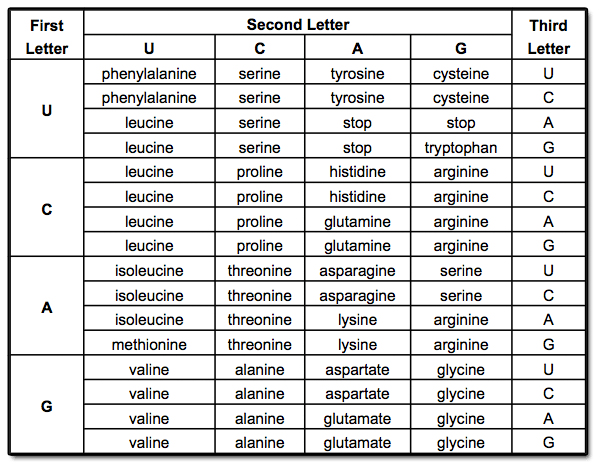
What amino acid is represented by the codon UUA?
a)
Phenylalanine
b)
Tyrosine
c)
Leucine
d)
Stop codon
74.
Which process and type of resulting cells are represented?
a)
mitosis, gametes
b)
mitosis, body cells
c)
meiosis, gametes
d)
meiosis, body cells
75.
What do the domains Bacteria and Archaea have in common?
a)
They both contain organisms composed of cells that are classified as prokaryotes.
b)
They both contain organisms composed of cells that are classified as plants.
c)
They both contain organisms composed of cells that are classified as eukaryotes.
d)
They both contain organisms composed of cells that are classified as animals.
76.
W=white hair
w= non-white hair
If you cross a horse with WW and a horse with ww what fraction of the offspring would be expected to have white hair?
a)
none
b)
3/4
c)
1/2
d)
all
77.

Organisms are classified today using the Linnaean system, and the following table shows the taxonomic classification of two marine organisms living along the Pacific Coast.


Taxonomic classification is important to marine biologists because it provides a way to -

a)

prove that marine evolution occurs

b)

discover and name every marine organism on Earth

c)

designate Latin as the universal language of marine biology

d)

identify marine organisms and find evolutionary relationships between them

78.

On March 24, 1989, an oil tanker ran aground on Bligh Reef in Prince William Sound, Alaska, and spilled millions of liters of crude oil. The graph shows pink salmon populations in Prince William Sound from 1970 to 1999. What do these data suggest about the effect the oil spill had on pink salmon?

a)

Pink salmon were nearly eliminated after the oil spill.

b)

Pink salmon populations steadily declined in the 10 years following the spill.

c)

Pink salmon populations declined and never fully recovered.

d)

Pink salmon populations seemed to be minimally affected.

79.

Organisms can be classified based on homology, which is shared characteristics inherited from a common ancestor. In the past, homologies were based on studies of anatomical structures and patterns of embryonic development. In more recent years, the use of molecular biology techniques has allowed homologies to be compared at the level of nucleotide sequences. Nucleotide sequence comparisons are possible because all organisms share which of the following?

a)

DNA bases

b)

Cellular organelles

c)

Division of the nuclear chromosomes

d)

Types of proteins needed for cellular functions