
 Worksheets
Organización cuerpo humano. 3ºESO. 25/26
Total questions: 43
Worksheet time: 35mins

¿A qué nivel de organización pertenecen las neuronas?
Nivel molecular
Nivel celular
Nivel atómico
Nivel organismo

La siguiente imagen a que nivel de organización corresponde
Comunidad
Población
Sistema
Célula

La sangre es:
Una célula
Un tejido
Un sistema
Un órgano
¿A qué nivel de organización pertenece el hierro (Fe)?
Atómico
Molecular
Organelo
Órgano
¿A qué nivel de organización pertenece la unión de átomos mediante enlaces químicos?
Nivel molecular
Nivel celular
Nivel organismo: tejido
Nivel organismo: órgano
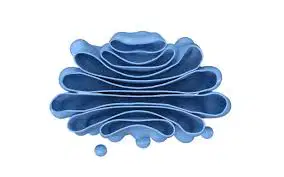
¿Qué orgánulo celular está representado en la imagen?
Citoesqueleto
Ribosomas
Aparato de Golgi
Vacuola
¿Qué orgánulo se encarga de realizar la respiración celular?
Ribosomas
Vacuolas
Mitocondrias
Cloroplastos
¿Qué orgánulo se encarga de la producción de proteínas?
Mitoconfrias
Ribosomas
Lisosomas
Retículo endoplasmático
Contienen enzimas para permitir realizar la digestión celular
Ribosomas
Lisosomas
Centriolos
Vacuolas
El transporte pasivo se caracteriza porque:
Hay gasto de energía
Los nutrientes van de un medio de menor concentración a uno de mayor concentración.
Atraviesan la membrana moléculas de gran tamaño
Los nutrientes van de un medio de mayor concentración a uno de menor concentración
¿Cuál de los siguientes no es un tejido conectivo?
Cartilaginoso
Muscular
Óseo
Sanguíneo
¿Qué tejido muscular permite una contracción involuntaria y lenta?
Estriado cardíaco
Liso
Estriado esquelético
Todos ellos
¿Cómo se denominan las células que acompañan y protegen las neuronas?
Células de glía
Células esqueléticas
Células glandulares
Células lisas

¿Qué representa el dibujo?
Endocitosis
Exocitosis
Difusión
Transporte activo
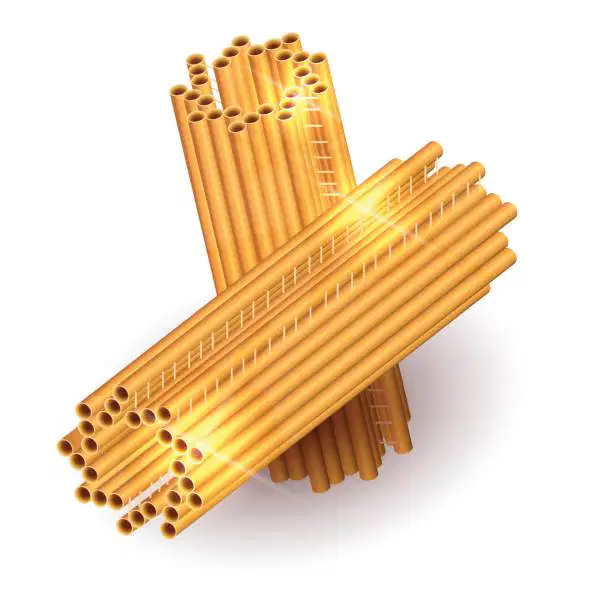
¿Cómo se denomina el orgánulo de la imagen?
Citoesqueleto
Centriolos
Lisosomas
Ribosomas
¿Qué tejido se encarga de la secreción de sustancias al exterior de la
célula como hormonas o saliva?
Epitelial glandular
Conectivo
Adiposo
Cartilaginoso
¿Qué tejido permite las contracciones de órganos como el estómago?
Muscular estriado esquelético
Muscular estriado cardíaco
Muscular liso
Sanguíneo
¿Qué tipo de músculo está relacionado con el sistema locomotor?
Muscular liso
Muscular estriado cardiaco
Muscular estriado esquelético
Cartilaginoso
What does the mitochondria do?
Use oxygen to transform food into energy
Hold substances that the cell needs
Controls everything in the cell
Provides meat for the cell
What are ribosomes?
Long things that are on the sides of the nucleus
tiny organelles that make protein for the cell
part of the cell that uses photosynthesis
part of the cell that acts like a screen, allowing only certain materials in
What does the plant cell have that the animal cell doesn't?
Chloroplasts
Golgi Bodies
Cell wall
Vacuoles
Cell membranes are in both animal cells and plant cells
True
False
What is the smallest LIVING unit of LIVING THINGS?
a cell
a mitochondria
a brick
a protein
The cell membrane...
is like a wall that blocks everything from going into the cell
controls what can go into or out of a cell
is hard and rigid, and gives the cell its shape, like an exoskeleton
Which part of the cell CONTROLS everything that happens in the cell?
mitochondria
nucleus
cell membrane
vacuole
Which part of the cell STORES water and minerals?
mitochondria
nucleus
cell membrane
vacuole
Where do cells come from?
They come from eggs.
They come from minerals in water.
They come from other cells.
In PLANT cells, which part is the rigid outer layer that supports and protects the cell?
cell membrane
cell wall
chloroplast
nucleus
Chloroplasts...
are where plant cells do photosynthesis and make food
are where plant cells produce energy
are where both plant and animal cells make food (photosynthesis)
Which cell part produces energy?
mitochondria
nucleus
vacuole
cytoplasm
Chloroplasts...
are NOT in animal cells
are always in animal cells
are sometimes in animal cells, and sometimes in plant cells
Where does PHOTOSYNTHESIS happen in plants?
in the nucleus
everywhere in the cell
in the cytoplasm
in the chloroplasts
True or false: ALL living things are made of cells.
True
False: Some living things are made of cells, and others aren't.
What instrument do you need to use to see cells?
A microscope
A telescope
A periscope

It contains the genetic material of the cell (DNA)
Cytoplasm
Nucleus
Ribosome
Golgi complex

Spherical vesicles containing hydrolytic enzymes
Lysosomes
Riboomes
Nucleus
Centriole

Gelationous liquid that fills the inside of a cell
Vacuole
DNA
Lysosome
Cytoplasm

They store waste, water solutes and enzymes
Vacuoles
Lysosomes
Mitochondria
Plasma membrane

I decide what goes in and out of the cell. I am fluid like and found in BOTH plant and animal cells. I am a...
Cell Wall
Cell Membrane
Cytoplasm
Golgi Apparatus



