
 Worksheets
BIOCHEM LEC FINALS
Total questions: 99
Worksheet time: 1hrs 16mins
give 3 functions of an enzyme:
protein that catalyzes chemical reactions and is catalyzed by ph, temp, and concentration
speeds up reaction progress with same outcome
helps regulate metabolism
only found in animals
pairs of reactions that occur together
coupled reactions
energy
opposites
released by absorption of the other
coupled reactions
energy
opposites
space between outer and inner membrane
intermembrane space
matrix
enclosed by the inner membrane
intermembrane space
matrix
is the first step - catalyzed by enzymes in the saliva, stomach, and small intestines.
digestion
carbohydrates
protein
triacylglycerols
hydrolyzed into monosaccharides beginning with amylase enzymes in saliva and continuing in the small intestine
digestion
carbohydrates
protein
triacylglycerols
digestion begins when stomach acid denaturesthe protein and pepsin begins to xleave the large protein backbone into smaller peptides.
digestion
carbohydrates
protein
triacylglycerols
emulsified by bile secreted by the liver, then hydrolyzed by lipase into 3 fatty acids and a glycerol backbone
digestion
carbohydrates
protein
triacylglycerols
monosaccharides, amino acids, and fatty acids are degraded into acetyl groups, which are then bonded to coenzyme A forming acetyl-CoA
Formation of acetyl CoA
Citric acid cycle
Electron acid chain and oxidative phosphorylation
produces energy stored as a nucleoside triphosphate and reduced coenzymes
Formation of acetyl CoA
Citric acid cycle
Electron acid chain and oxidative phosphorylation
within the mitochondria, the electron transport chain and oxidative phosphorylation produce ATP (adenosine 5'-triphosphate)
Formation of acetyl CoA
Citric acid cycle
Electron acid chain and oxidative phosphorylation
cleaves one phosphate group and provides the energy for the phosphorylation of Glucose
Hydrolysis of ATP
Formation of ADP and Hydrogen phosphate (HPO42-)
Phosphorylation
Release of energy
releases 7.3kcal/mol of energy
Hydrolysis of ATP
Formation of ADP and Hydrogen phosphate (HPO42-)
Phosphorylation
Release of energy
reverse reaction where ADP is added
Hydrolysis of ATP
Formation of ADP and Hydrogen phosphate (HPO42-)
Phosphorylation
Release of energy
fuels physical processes when hydrolyzed to ADP
Hydrolysis of ATP
Formation of ADP and Hydrogen phosphate (HPO42-)
Phosphorylation
Release of energy
fuels physical processes when hydrolyzed to ADP
Hydrolysis of ATP
Formation of ADP and Hydrogen phosphate (HPO42-)
Phosphorylation
Release of energy
choose two truths for DNA fingerprinting
Any types of skin cell can be obtained as a DNA fingerprint
Infectious agent consisting of a DNA/RNA molecule
DNA is first amplified by PCR, and then cut by restriction enzymes
Produces antibodies to ward off infection
Virus
Any types of skin cell can be obtained as a DNA fingerprint
Infectious agent consisting of a DNA/RNA molecule
DNA is first amplified by PCR, and then cut by restriction enzymes
Produces antibodies to ward off infection
Vaccine
Any types of skin cell can be obtained as a DNA fingerprint
Infectious agent consisting of a DNA/RNA molecule
DNA is first amplified by PCR, and then cut by restriction enzymes
Produces antibodies to ward off infection
Choose two truths for retrovirus
Virus with an RNA core
Infectious agent consisting of a DNA/RNA molecule
DNA is first amplified by PCR, and then cut by restriction enzymes
Synthesized by reverse transcription
4 elements needed for PCR
Copied segments of DNA & Two primers
Glowing primers & magic wishes
DNA polymerase enzyme & Nucleoside triphosphate
Whispered taq and golden polymerase
1. Heat the DNA segment to unwind the double helix to form single strands
2. Add primers that are complementary to the DNA sequence at either end of the DNA segment
3. Use DNA polymerase and added nucleotides to lengthen the DNA segment
after each cycle, the amount of DNA is doubled, so after 20 cycles, 1m copies have been made
Process DNA recombination
Process of PCR
THREE TYPES OF RNA
tRNA
rRNA
mRNA
pRNA
One or more nucleotides is/are lost from a DNA molecule
Deletion
Insertion
Silent
sum of all chemical reactions that take place in an organism
catabolism
metabolism
anabolism
breakdown of large molecules from smaller ones; energy is generally absorbed during anabolism
catabolism
metabolism
anabolism
synthesis of large molecules from smaller ones; energy is generally absorbed during anabolism.
catabolism
metabolism
anabolism
series of consecutive reactions that can be linear/cyclic
metabolic pathway
linear
cyclic
series of reactions that generates a final product from any of the reactants
metabolic pathway
linear
cyclic
series of reactions that regenerates the first reaction
metabolic pathway
linear
cyclic
Occurs when one or more nucleotides is/are added to a DNA molecule
Deletion
Insertion
Silent
Has a negligible effect on the organism, because the resulting amino acid is identical
Deletion
Insertion
Silent
mutation passed through generations
genetic diseases
cystic fibrosis
galactosemia
extremely thick lung mucus and low pancreatic secretions
genetic diseases
cystic fibrosis
galactosemia
deficiency of enzyme needed for galactose metabolism
genetic diseases
cystic fibrosis
galactosemia
key elements for DNA recombination
1. DNA molecule into a new DNA segment will be inserted
2. The enzyme cleaves DNA at specific locations
3. Gene from the second organism will be inserted into the original DNA molecule.
1. DNA requires presence of RNA
2. Recombination only occurs between homologous DNA sequences
3. Always results to a hybrid DNA molecule
1. DNA requires presence of histones
2. Always occurs during DNA replication
3. Always results in creation of genetic mutation
Process of DNA recombination
1. DNA mixes without any control or guidance.
2. It then changes without using a blueprint.
3. it then changes happen without any energy or effort.
1. Bacterial plasmid DNA is cut by the restriction endonuclease EcoRI
this gives a double strand of linear plasmid DNA with two ends ready to bond, called Sticky ends.
2. The second sample of HUMAN DNA is cut with the same EcoRI
this forms human DNA segments with sticky ends -- complementary to the plasmid DNA
3. Combining the two pieces of DNA (w/ DNA ligase enzyme) forms DNA containing the new segment
1. Goes back to original form
2. Happens in one side
3. Changes only in nucleus
give 3 rules of replication
pair with T, and G must pair with C.
none of the above
Replication only occurs in ONE direction. Which is the template strand, from the 3' end to the 5' end
New strand may either be a leading strand, or a lagging strand growing.
Bases for DNA double helix
Pyrimidine
ribose
deoxyribose
Purine
CHECK WHAT APPLIES FOR DNA
B-form double helix. Double-stranded w/ longer nucleotides
Transfer of genetic information
self replicating
synthesized from source
CHECK WHAT APPLIES FOR RNA
B-form double helix. Double-stranded w/ longer nucleotides
Transfer of genetic information
self replicating
synthesized from source
4 PARTS OF DNA
ADENINE & GUANINE
NONE OF THE CHOICES
CYTOSINE & THYMINE
CHOOSE TWO TRUTHS FOR THE CENTRAL DOGMA OF PROTEIN SYNTHESIS
Information stored in DNA is used to synthesize proteins
NONE OF THE CHOICES
Replication uses the DNA for self-replication
What is the correct order for protein synthesis
Splitting of two strands > segment replication > glued together
segment replication > splitting to two strands > glued together
glued together > segment replication > splitting of two strands
4 PARTS OF RNA
ADENINE & GUANINE
NONE OF THE CHOICES
CYTOSINE & URACIL
"IDINE" at the end
Pyrimidine derivation
Purine derivation
Deoxyribonucleoside derivation
"OSINE" at the end
Pyrimidine derivation
Purine derivation
Deoxyribonucleoside derivation
"DEOXY" at the beginning
Pyrimidine derivation
Purine derivation
Deoxyribonucleoside derivation
Effects of adding Cytidine 5'monophosphate
CMP
dAMP
ADP
Effects of adding Deoxyadenosine 5'-monophosphate
CMP
dAMP
ADP
Effects of adding Adenosine 5'-diphosphate
CMP
dAMP
ADP
Effects of adding Adenosine 5'-triphosphate
ATP
dAMP
ADP
CHOOSE 2 TRUTHS OF POLYNUCLEOTIDE
Consists a backbone that is made of alternating sugar and phosphate groups
Proposed by Watson and Crick in 1953
Has one free phosphate group at the 5' end and one free OH group at the 3' end
consists of two polynucleotide strands that wind into a right-handed double helix
CHOOSE 2 TRUTHS OF DNA DOUBLE HELIX
Consists a backbone that is made of alternating sugar and phosphate groups
Proposed by Watson and Crick in 1953
Has one free phosphate group at the 5' end and one free OH group at the 3' end
consists of two polynucleotide strands that wind into a right-handed double helix
Give 2 definitions of a catalyzed enzyme
Catalyzes by a lower free energy
2x10^3kcat(s^-1)
they are permanent and indestructible
changes equilibrium of action
Give 2 definitions of an uncatalyzed enzyme
Catalyzes by a higher free energy
2x10^-8knon(s^-1)
they are permanent and indestructible
changes equilibrium of action
Functions of citric acid cycle
used by cells to generate energy from carbohydrates
produces ATP directly
usually is the aconitase -- binds to the subtrate citrate making isocitrate
occurs in cytoplasm
functions of oxido-reductases
catalyze oxidation and reduction reactions in which electrons travel from one molecule to the other
produces ATP directly
usually is the aconitase -- binds to the subtrate citrate making isocitrate
occurs in cytoplasm
functions of transferase
catalyze oxidation and reduction reactions in which electrons travel from one molecule to the other
produces ATP directly
catalyze transportation of a functional group from one molecule to another
occurs in cytoplasm
functions of hydrolase
catalyze oxidation and reduction reactions in which electrons travel from one molecule to the other
catalyze the hydrolysis of chemical bonds with the action of water (OH)
catalyze transportation of a functional group from one molecule to another
occurs in cytoplasm
functions of lyases
catalyze oxidation and reduction reactions in which electrons travel from one molecule to the other
Catalyze the breakdown of various chemical bonds by means other than hydrolysis and oxidation
catalyze transportation of a functional group from one molecule to another
occurs in cytoplasm
functions of isomerases
catalyze oxidation and reduction reactions in which electrons travel from one molecule to the other
Catalyze the breakdown of various chemical bonds by means other than hydrolysis and oxidation
Catalyze structural shifts in molecules, causing changes in shape.
occurs in cytoplasm
functions of ligases
catalyze oxidation and reduction reactions in which electrons travel from one molecule to the other
Catalyze the breakdown of various chemical bonds by means other than hydrolysis and oxidation
Catalyze structural shifts in molecules, causing changes in shape.
Catalyze ligation-- the combination of pairs of substrates
choose two truths for lock and key
Proposed by Emil Fischer in 1894
In this model, the enzyme and sometimes the substrate change shape as they interact until the active site is fully bound
The enzyme and the substrate have three-dimensional shapes that fit for eachother
Proposes enzyme molecules that can change their shape, depending on the interaction with the substrate.
choose two truths for induced fit
Proposed by Emil Fischer in 1894
In this model, the enzyme and sometimes the substrate change shape as they interact until the active site is fully bound
The enzyme and the substrate have three-dimensional shapes that fit for eachother
Proposes enzyme molecules that can change their shape, depending on the interaction with the substrate.
choose two truths for coenzymes
Some enzymes require an additional chemical, called a cofactor, for catalysis to occur.
In this model, the enzyme and sometimes the substrate change shape as they interact until the active site is fully bound
The enzyme and the substrate have three-dimensional shapes that fit for eachother
The cofactor could be a metal ion or an organic molecule, such as a vitamin. Cofactors may bind loosely or tightly to enzymes.
Coenzymes are simple organic compounds that are endowed with specific structural features that allow them to help accelerate the enzymatic reactions. They function as carriers of atoms or electrons which are essential for normal metabolism.
true
false
Nucleic acids are unbranched polymers composed of repeating monomers called NUCLEOTIDES
true
false
A nucleotide monomer contains: monosaccharide and an n-containing base,
true
false
the 5 types of n-containing bases are purine, pyrimidine, DNA, and RNA
true
false
monosaccharide DNA has aldopentose/d-2-deoxyribose & RNA has aldopentose d-ribose
true
false
Stores genetic information
DNA
RNA
Translates genetic information
DNA
RNA
Choose two truths for enzyme inhibition
The binding of enzymes to the active sites, causes the inhibitors to reduce the compatibility of substrate and enzyme and this leads to the inhibition of Enzyme-Substrate [ES] complexes' formation. The Inhibition of forming the [ES] complex prevents the catalyzation of reactions and decreases (at times to zero) the amount of product produced by a reaction.
Inhibition may be irreversible if the inhibitor attaches covalent bonds. Inhibition may be reversible if the inhibitor attaches weak bonds.
none
Choose two truths for competitive inhibitors
chemicals that resemble an enzyme's normal substrate and compete with it for the active site.
are molecules that do not enter the enzyme's active site but bind to another part of the enzyme molecule.
They block the active sites from the substrate
Choose two truths for non-competitive inhibitors
chemicals that resemble an enzyme's normal substrate and compete with it for the active site.
are molecules that do not enter the enzyme's active site but bind to another part of the enzyme molecule.
The substrate is still able to access the active site, however, it alters the configuration of the enzyme so it is no longer fully functional
a high temperature increases the rate of enzyme activity due to the substrate molecules moving faster making an enzyme likely to come in contact with the substrate quickly. the enzyme then becomes denatured rendering inactive.
effects of temperature
effects of pH
effects of concentration
effect of mechanical stress
Enzymes have 7-8 pH and can only react to a specific pH
effects of temperature
effects of pH
effects of concentration
effect of mechanical stress
choose two truths of transcription
synthesis of mRNA from DNA
Each triplet is called a codon
U replaces T on mRNA
UAC is a codon for the amino acid serine; UGC is a codon for the amino acid cysteine
choose two truths of genetic code
synthesis of mRNA from DNA
Each triplet is called a codon
U replaces T on mRNA
UAC is a codon for the amino acid serine; UGC is a codon for the amino acid cysteine
contains sequence of codons
mRNA
tRNA
rRNA
brings specific amino acids to peptide chain
mRNA
tRNA
rRNA
contains binding sites for protein synthesis occurrence.
mRNA
tRNA
rRNA
1. begins with mRNA binding to the ribosome
2. tRNA brings first amino acid ALWAYS to the codon AUG
initiation
elongation
termination
proceeds as the next tRNA molecule delivers the next amino acid, and a peptide bond forms between the two amino acids.
initiation
elongation
termination
Stops by (UAA, UAG, or UGA) then releases the complete protein
initiation
elongation
termination
Change in nucleotide sequence in a molecule of DNA
mutation
mutagen
point mutation
Possible cause of changes/mutations
mutation
mutagen
point mutation
Substitution of one nucleotide for another
mutation
mutagen
point mutation
THREE PARTS OF PYRIMIDINE
CYTOSINE
ADENINE
THYMINE
URACIL
THREE PARTS OF PURINE
CYTOSINE
ADENINE
THYMINE
GUANINE
rate of reaction is doubled and saturates with the substrate while affecting the rate of reaction
effects of temperature
effects of pH
effects of concentration
effect of mechanical stress
What is the enzymatic rate reaction
(a)
what's the t in trna
(a)
what's the m in mrna
(a)
what's the r in rrna
(a)
Amplifies a specific portion of a DNA molecule, producing millions of exact copies
(a)
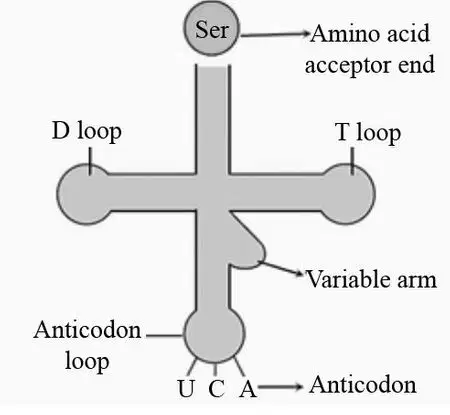
what is this
(a)

