
 Worksheets
Product Design Quiz
Total questions: 38
Worksheet time: 19mins
What does "form" refer to in the context of product design?
How a product works
How a product looks
The materials used in a product
The cost of a product
What does "function" refer to in the context of product design?
How a product looks
The cost of a product
How a product works
The materials used in a product
What are smart textiles capable of doing?
They can only change color.
They can sense, react, and adapt to conditions around them.
They can only be used in clothing.
They are only used for decorative purposes.
Which of the following is NOT a condition that smart textiles can react to?
Hot or cold temperature
Light
Sound
Pressure
Which of the following is a use of smart textiles?
Furniture
Protective clothing
Kitchenware
Stationery
What is one of the purposes of some smart materials?
To meet a real need and have specific functions
To be used only in art projects
To replace traditional textiles completely
To be used only in electronic devices
Which of the following is NOT listed as a use for smart textiles?
Medical textiles
Military uses
Baby products
Sports equipment
What is the primary characteristic of thermo chromic textiles?
They change color with light.
They change color with heat.
They change color with water.
They change color with pressure.
At what condition are thermo chromic textiles engineered to change color?
At a particular temperature.
At a particular humidity level.
At a particular light intensity.
At a particular pressure.
Which of the following is a serious medical use of thermo chromic textiles?
Color-changing mugs.
Baby sleep-suits to monitor temperature.
Color-changing T-shirts.
Color-changing rubber ducks.
Which of the following is an example of a novelty use of thermo chromic textiles?
Liquid crystal fabric strip thermometers.
Baby sleep-suits to monitor temperature.
Color-changing mugs.
Medical temperature monitors.
What are the color changing ducks covered with?
A layer of leuco dyes
A layer of thermochromic paint
A layer of photochromic paint
A layer of phosphorescent paint
What happens to the color changing ducks when they are exposed to cold?
They turn red
They turn blue
They turn green
They turn yellow
What happens to the color changing ducks when they are exposed to heat?
They turn red
They turn blue
They turn green
They turn yellow
What do photo chromic dyes react to?
Water
UV light
Heat
Pressure
What is one of the uses of photo chromic dyes mentioned in the text?
Monitoring the amount of time children spend in the sun
Changing the color of clothes in the rain
Detecting air pollution levels
Measuring temperature changes
What is the primary benefit of using photo chromic dyes for children?
To prevent sun-burn
To keep them cool
To make their clothes more colorful
To help them see in the dark
What are phosphorescent pigments used for?
To make textiles waterproof
To create glow-in-the-dark products
To increase fabric strength
To make textiles fire-resistant
Which of the following is an example of a product that might use phosphorescent pigments?
Waterproof jackets
Fire-resistant gloves
Glow-in-the-dark shoes
High-strength ropes
What is the primary feature of phosphorescent pigments?
They are waterproof
They glow in the dark
They are fire-resistant
They increase fabric strength
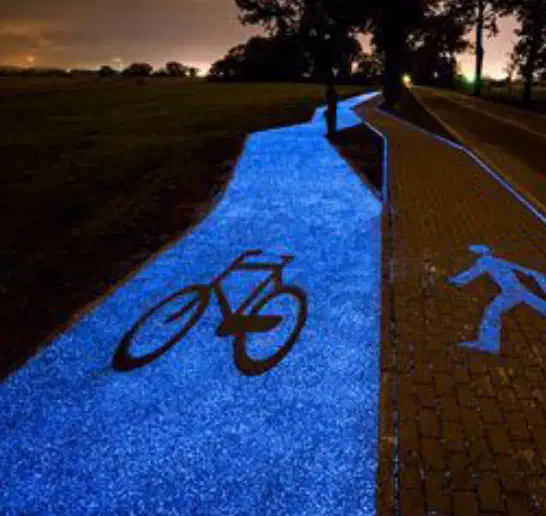
What innovation did Poland create to make it easier and safer for cyclists to travel in the dark?
Solar-powered street lights
Reflective road signs
Phosphorescent bike path
LED bike lights
What is D3o?
A type of memory foam
A soft malleable material that hardens on impact
A type of fabric used in clothing
A type of plastic used in packaging
What is a key characteristic of memory foam?
It is a soft malleable material that hardens on impact
It is temperature and pressure sensitive and moulds to the shape of the body
It is used primarily in packaging materials
It is a type of fabric used in clothing
What happens to D3o when it comes into contact with force?
It becomes softer
It hardens
It melts
It changes color
What does memory foam do when pressure is removed?
It hardens
It remains in the same shape
It returns to its normal shape
It becomes softer
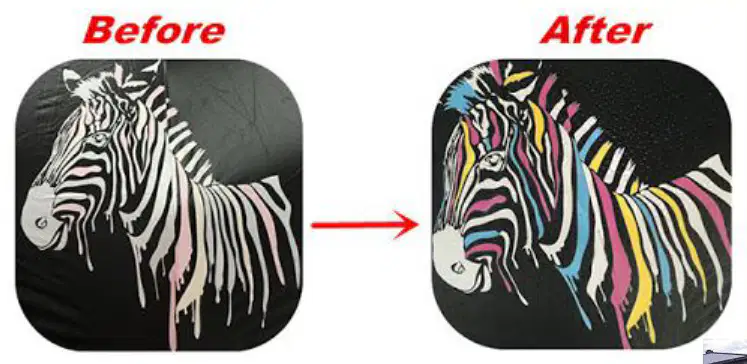
What is the main characteristic of Hydro Chromic Ink?
Changes color with heat
Changes color with water
Changes color with light
Changes color with pressure
What happens to materials made from Shape Memory Alloys (SMAs) when they are bent and deformed?
They remain deformed permanently.
They return to their original shape when heated or current is applied.
They change color.
They become brittle and break.
Which of the following is NOT a use of Shape Memory Alloys (SMAs)?
Glasses frame
Greenhouse window openers
Tweezers
Car tires
What is a disadvantage of using Shape Memory Alloys (SMAs)?
They are inexpensive.
They are difficult to manufacture.
Continuous use can cause metal fatigue.
They are not responsive to temperature changes.
Which of the following is a reason to use Shape Memory Alloys (SMAs)?
To increase the weight of a product.
To repair a damaged product, such as a glasses frame.
To make a product non-conductive.
To prevent a product from changing shape.
What are technical textiles developed for?
Aesthetic properties
Performance and functional properties
Cost-effectiveness
Environmental sustainability
What are technical textiles often made of?
Natural fibers
Microfibres
Metal threads
Plastic sheets
Which of the following industries does NOT use technical textiles?
Building Industry
Medical Industry
Transport Industry
Entertainment Industry
How much finer can microfibres be compared to human hair?
10 times finer
20 times finer
60 times finer
100 times finer
Which of the following is NOT listed as a use of technical textiles?
Agricultural Industry
Armed Forces
Performance Sportswear
Fashion Industry
What is Kevlar primarily used for?
Making lightweight clothing
Body armour
Insulating buildings
Making sports equipment
Which of the following is a characteristic of Kevlar?
Heavy and durable
Lightweight and bulletproof
Soft and flexible
Heat resistant
Which of the following items is NOT typically made from Kevlar?
Body armour
Bulletproof vests
Insulation for buildings
Protective helmets

