
 Worksheets
fsfddgd
Total questions: 142
Worksheet time: 2hrs 16mins
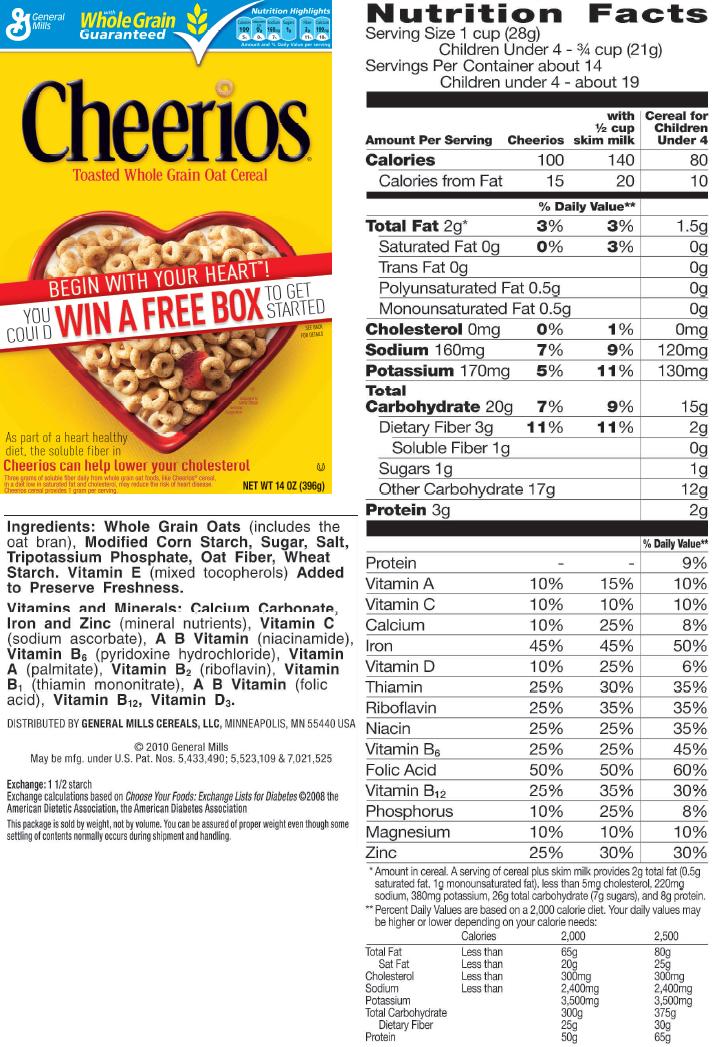
What is the main ingredient in this box of Cheerios?
Whole Grain Oats
Salt
Sugar
Corn Starch
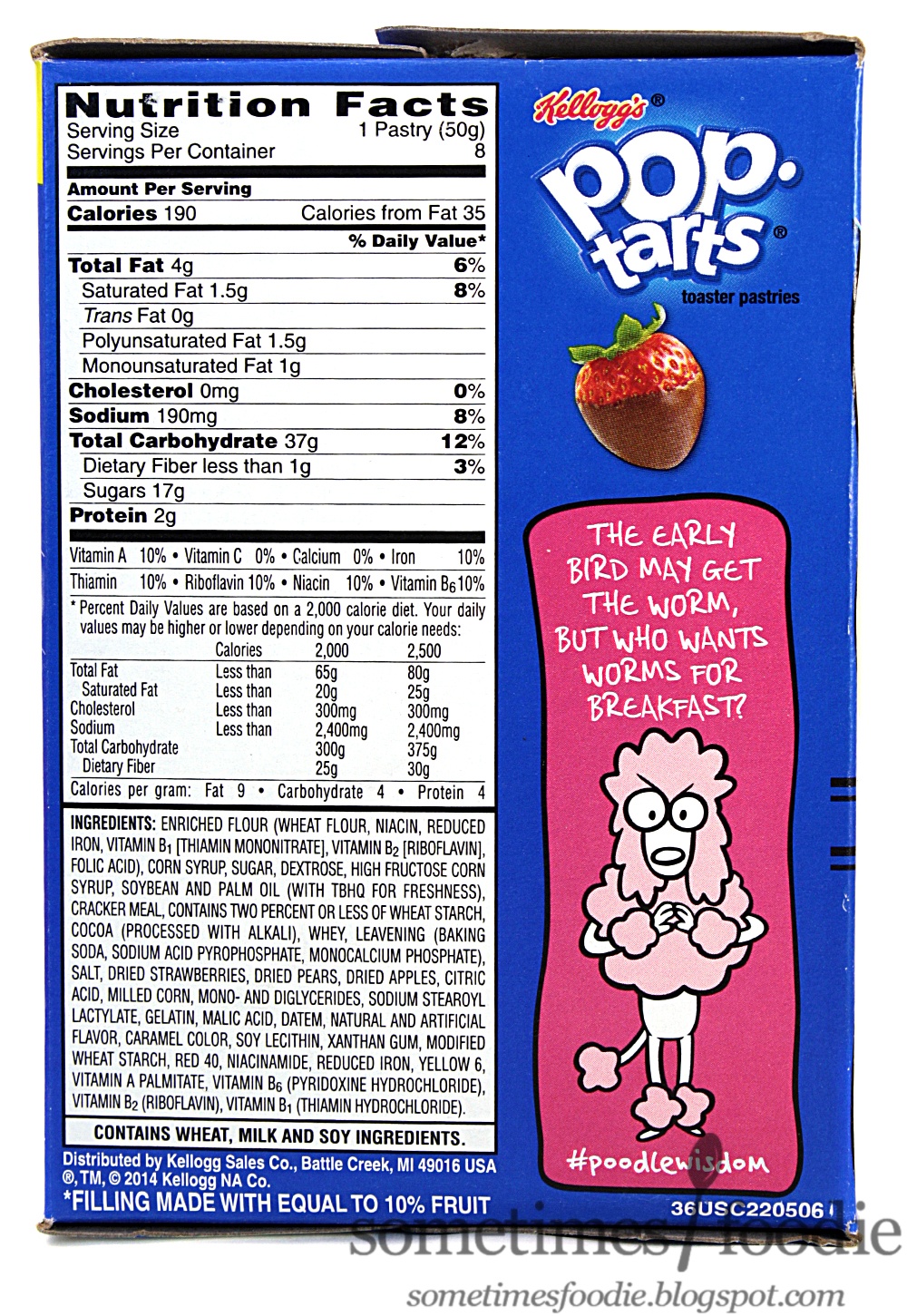
What is one serving size of a Pop Tart?
2 pastries (2 Pop Tarts)
1 pastry (1 Pop Tart)
3 pastries (3 Pop Tarts)
4 pastries (4 Pop Tarts)
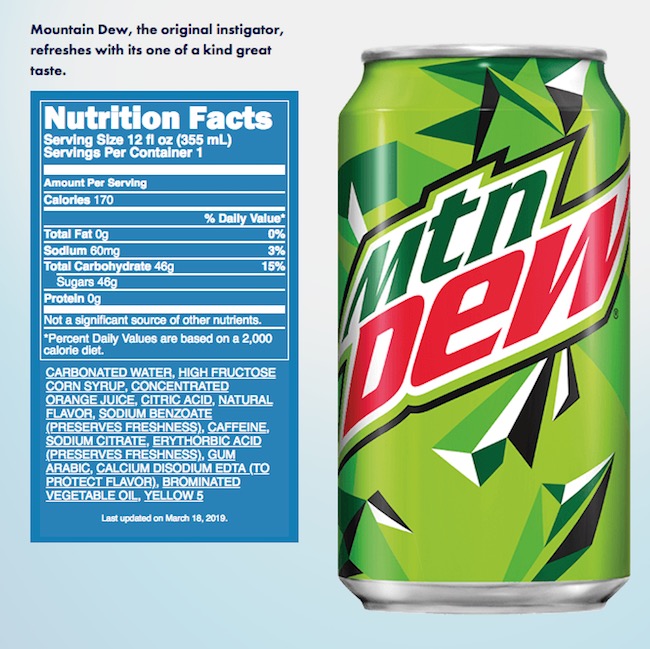
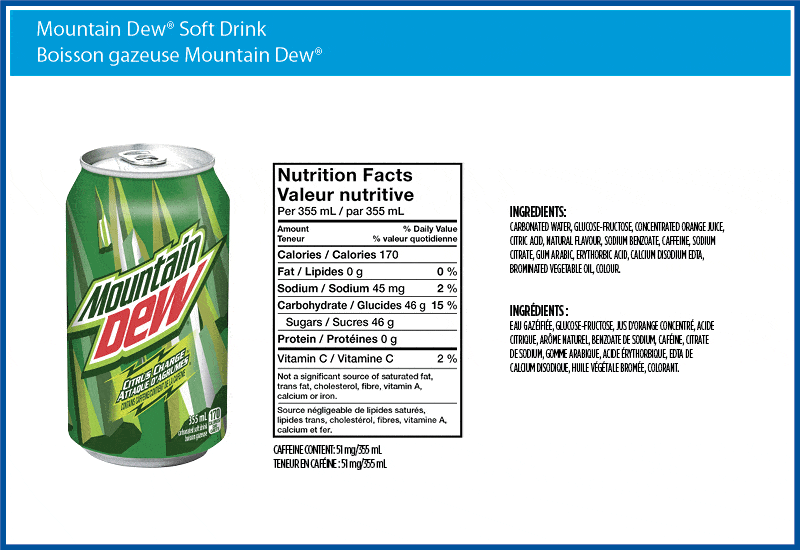
How many grams of sugar are in one can of Mountain Dew?
15 grams
20 grams
3000 grams
46 grams
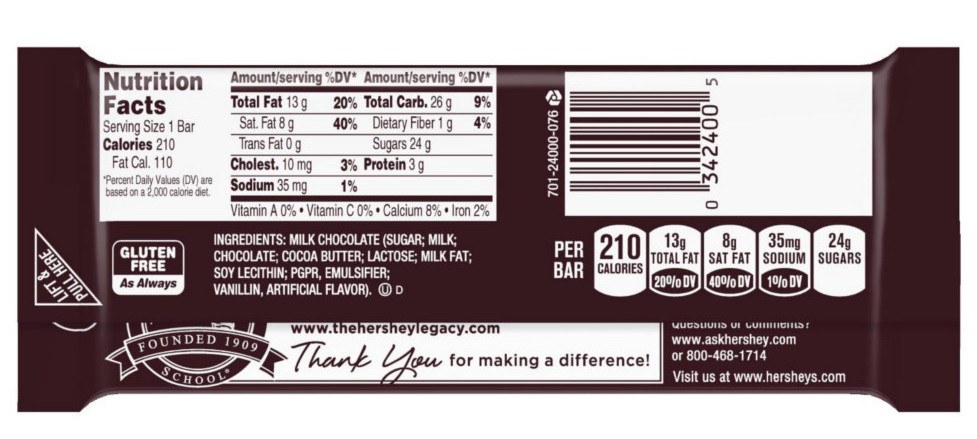
How many calories are in 1 Hershey's chocolate bar?
2000 calories
0 calories
210 calories
40 calories
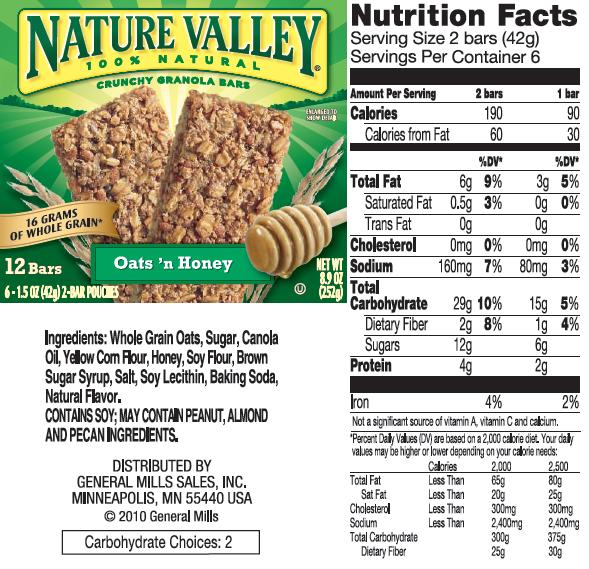
What is 1 serving size of the Nature Valley Granola Bars?
2 bars
3 bars
1 bar
4 bars
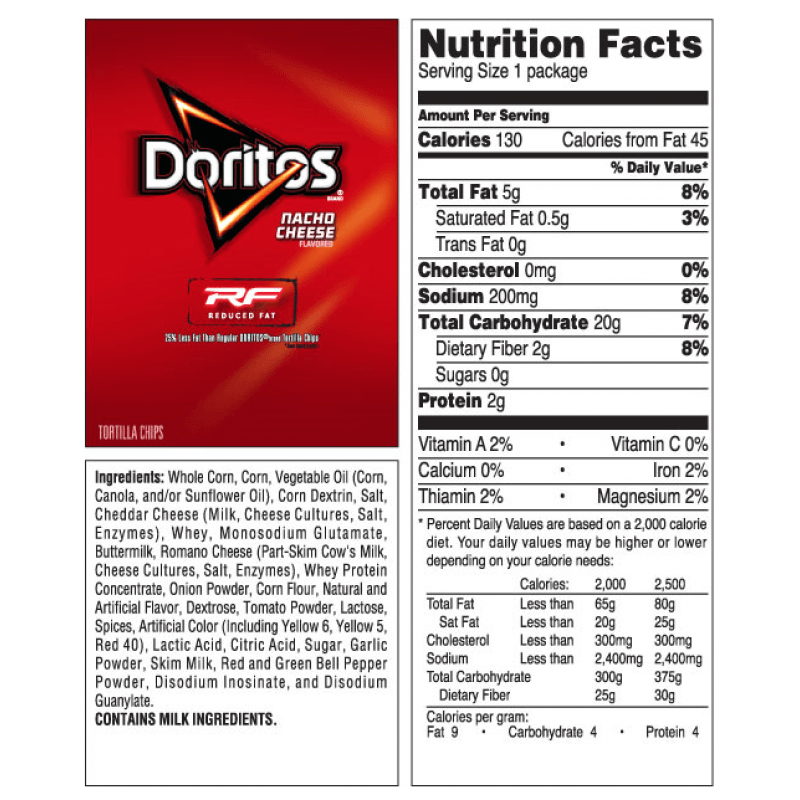
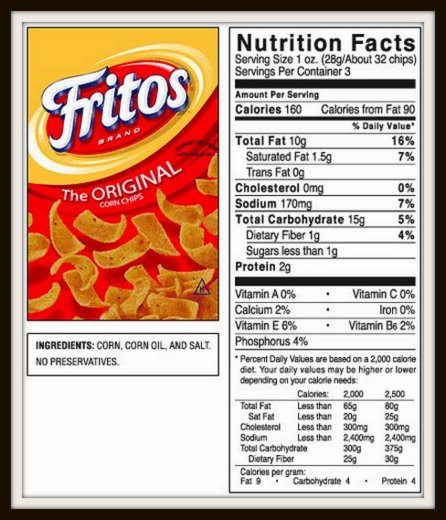
How many grams of protein are in one serving of Doritos?
0 grams
4 grams
6 grams
2 grams
Reading the nutrition label of foods can help you make better choices when eating?
True
False
You CAN NOT see what ingredients are in a food by looking at the nutrition label.
True
False
If you are allergic to certain foods like nuts or milk you should check the nutrition label before eating to make sure there are no ingredients you are allergic to.
True
False
Who should be reading a food label?
Everyone
People with allergies, diseases and those on a diet
For a Cheetos Packet, If the serving size is 21 chips, and the servings per container is 4, this means the whole packet has
21 chips
21x4 chips
4 chips
21x2 chips
1 serving of Nutella (6 tablespoons) has 540 calories. This means Nutella is:
High Calorie Food
Medium Calorie Food
Low Calorie Food
Other than Vitamins and Minerals, what nutrient do we want more of in a food label and in our food?
Fiber
Sugar
Saturated Fat
Protein
What should be the first ingredient in a healthy and energizing cereal/cereal bar
Whole grain flakes
Chocolate
Fiber
Milk
What is NOT true about percentage daily value (%DV)?
It allows you to compare 2 foods and find out which is healthier
It allows you to find out if a nutrient is medium low or high
You can use it to calculate how much gram (g) fat or protein is in more than one serving of a food
It is for an entire day, not just for one meal
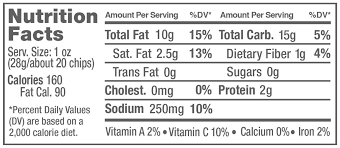
Which of the following is NOT required on the updated food label?
Vitamin D
Fe
K
Ca
Vitamin A

Which ingredient is there the most of in this lentil soup?
filtered water
lentils
onions
black pepper
Per can, this soup is a good source of
dietary fiber
sodium
saturated fat
Vitamin D
Per can, this soup is low in sodium
false
true
Per can, this soup is cholesterol-free.
false
true
Per can, this soup is low fat.
false
true
"Supports the immune system"
nutrient claim
structure-function claim
health claim
"Contains natural cancer fighters"
nutrient claim
structure-function claim
health claim
"An excellent source of fiber"
nutrient claim
structure-function claim
health claim
"Low in cholesterol"
nutrient claim
structure-function claim
health claim
"Starting your day with a big bowl of fiber-rich oatmeal can lower your risk of heart disease."
nutrient claim
structure-function claim
health claim
What is food considered as?
A. Fuel for the body
B. Alien spaceship
C. Scary words and numbers
D. Energy source for the planets
What is the unit used to measure energy obtained from food?
A. Calorie
B. Gallon
C. Ounce
D. Cup
Why is it important to know the serving size of food?
A. To determine the total calories
B. To know the type of fuel
C. To calculate the energy concentration
D. To measure the distance traveled
How should the calories listed on the label be interpreted?
A. Per serving
B. Per gallon
C. Per ounce
D. Per cup
Which ingredients provide energy in food?
A. Fats, carbohydrates, and proteins
B. Regular and premium grade
C. Fish and nuts
D. Processed carbohydrates
What is the most concentrated ingredient in food?
A. Fat
B. Sugar
C. Protein
D. Carbohydrates
What happens to carbohydrates if not burned right away?
A. They are stored
B. They turn into fat
C. They provide immediate energy
D. They become proteins
Which ingredient keeps the body healthy for many years?
A. Protein
B. Fat
C. Carbohydrates
D. Preservatives
Where are the ingredients listed on the food label?
A. At the bottom
B. At the top
C. In the middle
D. In a foreign language
Why should foods with a long list of ingredients be avoided?
A. They are unhealthy
B. They are processed
C. They contain fillers and preservatives
D. All of the above



Who should be reading a food label?
Everyone
People with allergies, diseases and those on a diet

The ingredients have to be listed how?
Most to least
Least to most
By how much energy they have
By weight
The calorie count tells us.....
How much energy is in the entire container.
How much energy is in one serving.
How many calories we should get in one day
How many calories we should get in one meal.

It tells you how the product will be called.
Product Name
Product Description
Advisory/ Warning Statement
Direction for Use and Storage
It tells you what the product contains and how healthy they are
Direction for Use and Storage
Nutrition Facts
Ingredients
Product Description
It tells you what the product is all about.
Direction for Use and Storage
Nutrition Facts
Ingredients
Product Description
It tells you until when the food will stay safe to be consumed
Direction for Use and Storage
Expiration or Best Before Date
Ingredients
Product Description
It tells you what vitamins, minerals and other nutrients the product contains.
Nutrition Facts
Expiration or Best Before Date
Ingredients
Product Description
It tells you what you should do or not to do about the product.
Nutrition Facts
Expiration or Best Before Date
Advisory/ Warning Statement
Product Description
It tells you how to use the product and how to best keep the product
Direction for Use and Storage
Expiration or Best Before Date
Advisory/ Warning Statement
Product Description

What kind of food label is the letter A on the picture below?
Direction for Use and Storage
Expiration or Best Before Date
Advisory/ Warning Statement
Product Description
What kind of food label is the letter B on the picture below?
Direction for Use and Storage
Expiration or Best Before Date
Advisory/ Warning Statement
Product Description
What kind of food label is the letter C on the picture below?
Direction for Use and Storage
Expiration or Best Before Date
Advisory/ Warning Statement
Product Description
What are the five parts of the Nutrition Facts label?
Serving size, calories, amount of nutrients, percent daily value, and the footnote portion
Serving size, calories, macronutrients, vitamins and minerals, and the footnote portion
Serving size, calories, amount of nutrients, percent daily value, and the recommended daily values
Serving size, calories, macronutrients, vitamins and minerals, and the recommended daily values
Why are serving sizes standardized on food labels?
To make it easy to compare similar foods
To encourage people to eat more
To confuse consumers
To increase sales of the product
What does the calorie section on a food label indicate?
The measurement of energy from food for your body
The amount of fat in the food
The amount of sugar in the food
The amount of protein in the food
Why is the serving size important to consider when reading a food label?
To accurately determine the nutritional content of the food
To determine the taste of the food
To know how much the food weighs
To compare the food to other similar foods
What are macronutrients?
Nutrients that provide calories or energy for your body
Nutrients that are only found in fruits and vegetables
Nutrients that are harmful to your body
Nutrients that are essential for brain health
Why are cholesterol, sodium, and sugar listed on food labels?
Because many people over consume these items
Because they are the most important nutrients
Because they are the only nutrients that matter
Because they are required by law to be listed
What do the percentages on the right side of the food label represent?
The percentage of the recommended amount of each item in a serving size
The percentage of the total calories in the food
The percentage of the total fat in the food
The percentage of the total carbohydrates in the food
Why do the recommended daily values change for energy nutrients but stay the same for cholesterol, sodium, and potassium?
Because energy nutrient needs vary based on a person's activity level
Because energy nutrients are more important than cholesterol, sodium, and potassium
Because cholesterol, sodium, and potassium are harmful to the body
Because the government wants to confuse consumers

How many calories are in a serving?
230
2/3 cup
8
55 g

How many servings are in this container?
1
8
2/3
55

If you consumed 2 servings of this food how many calories would that be?
500
230
460
475
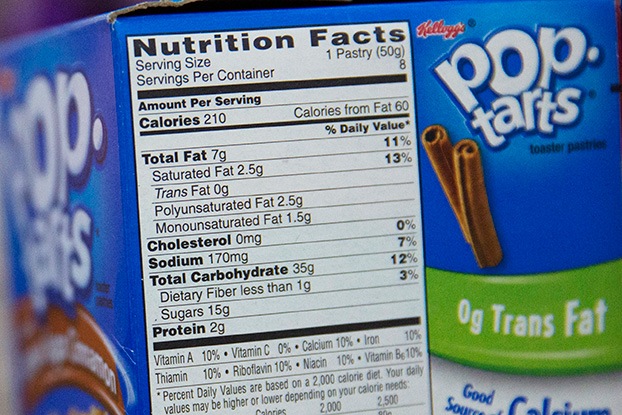
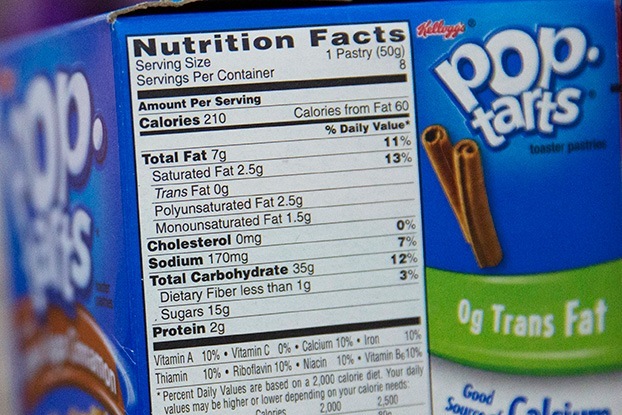
How many grams of sugar are in 1 poptart?
170
34
15
less than 2%

Which is the healthier option?
Product 1
Product 2

Which is the healthier option?
Label A
Label B
How many grams of sugar are in one can of Mountain Dew?
15 grams
20 grams
3000 grams
46 grams
How many calories are in 1 Hershey's chocolate bar?
2000 calories
0 calories
210 calories
40 calories
Reading the nutrition label of foods can help you make better choices when eating?
True
False
How many grams of protein are in one serving of Doritos?
0 grams
4 grams
6 grams
2 grams
What is an example of a carbohydrate?
cheese
chicken
banana
avocado
What is an example of a protein?
beef
apple
cake
corn
What is not an example of fat?
avocado
olive oil
cookie
salmon
What has a rich source of Vitamins?
fruit
cake
soda
water
What does not have fiber in it?
leafy greens
fruits
beans
cheese

What food has more calories?
Label A
Label B

What is the serving size of Label A and Label B?
2 cups
1 cup
1/2 cup
What food has a lot of Calcium?
milk
water
soda
juice

hair and nails
bones and teeth
arms and legs
eyes and ears

healthy
unhealthy
tired
weak

joy
peace
energy
laughter

measuring
hugs
shrinking
growth

Most fruits and vegetables have what nutrients?
Carbohydrates
Proteins
Vitamins and Minerals
Fats

This gives information about the food.
Food Label
Packaging
Food Types
Food Group
Broccoli is full of proteins.
True
False
Fish, meat and eggs are foods rich in _______
Carbohydrates
Fats
Proteins
Food label
The calorie count tells us.....
How much energy is in the entire container.
How much energy is in one serving.
How many calories we should get in one day
How many calories we should get in one meal.
Eggs are...
Proteins
Carbohydrates
Fats
Oils
What is a carbohydrate?
Fish
Rice
Melon
Meat
A diary product is...
a product you eat evaryday
a product coming from the Dia
aproduct coming from the milk
all answers are right
For _______, vegetarians should eat beans instead of meat.
carbohydrates
proteins
cholesterol
calories
Which mineral is needed for strong bones and teeth?
Zinc
calcium
sodium
masnesium
Which of these should we eat more frequently?
Bread
Coke
Pasta
Fruit

What is a balanced diet?
Eating food from the 4 food groups in the correct quantities
Don't eat any food
Eating food only from the fish and meat group
Eating food only from fruit and vegetables group

What are the main nutrients in this food group?
vitamins and minerals
proteins
carbohydrates
fats
What foods contain vitamins and minerals?
fish and meat
oil, chocolate and sweets
pasta, rice, bread and banana
fruit and vegetables

What nutrients do fish and meat contain?
proteins
fats
vitamins
minerals

Which nutrients help us to build strong bones and teeth?
vitamins and minerals
fats
proteins
carbohydrates

Whats are the main nutrients in this food group?
carbohydrates
proteins and carbohydrates
vitamines and fats
fats
Which food group give us energy that our body can store?
fruit and vegetables
fats
fish and meat
bread, pasta and rice

Which nutrients help our body to grow and repair?
fats
carbohydrates
vitamines and minerals
proteins
Which foods contain fats?
Tomato, carrots, lettuce and onion
Banana, pasta, rice and potatoes
Avocado, oil and chocolate
chicken, salmon and pig

Which food group give us energy?
Carbohydrates
Fats
Vitamines and minerals
Proteins

