
 Worksheets
Quarter 3 Review
Total questions: 110
Worksheet time: 5hrs 11mins


ice forming on a lake
dew forming on grass

flooding from rivers and streams

Water is changing from a gas to a solid.

Boston, Massachusetts, contains a high
amount of moisture. Which of the
following best explains why there is a
high amount of moisture in the air?
Boston is far north of the equator.


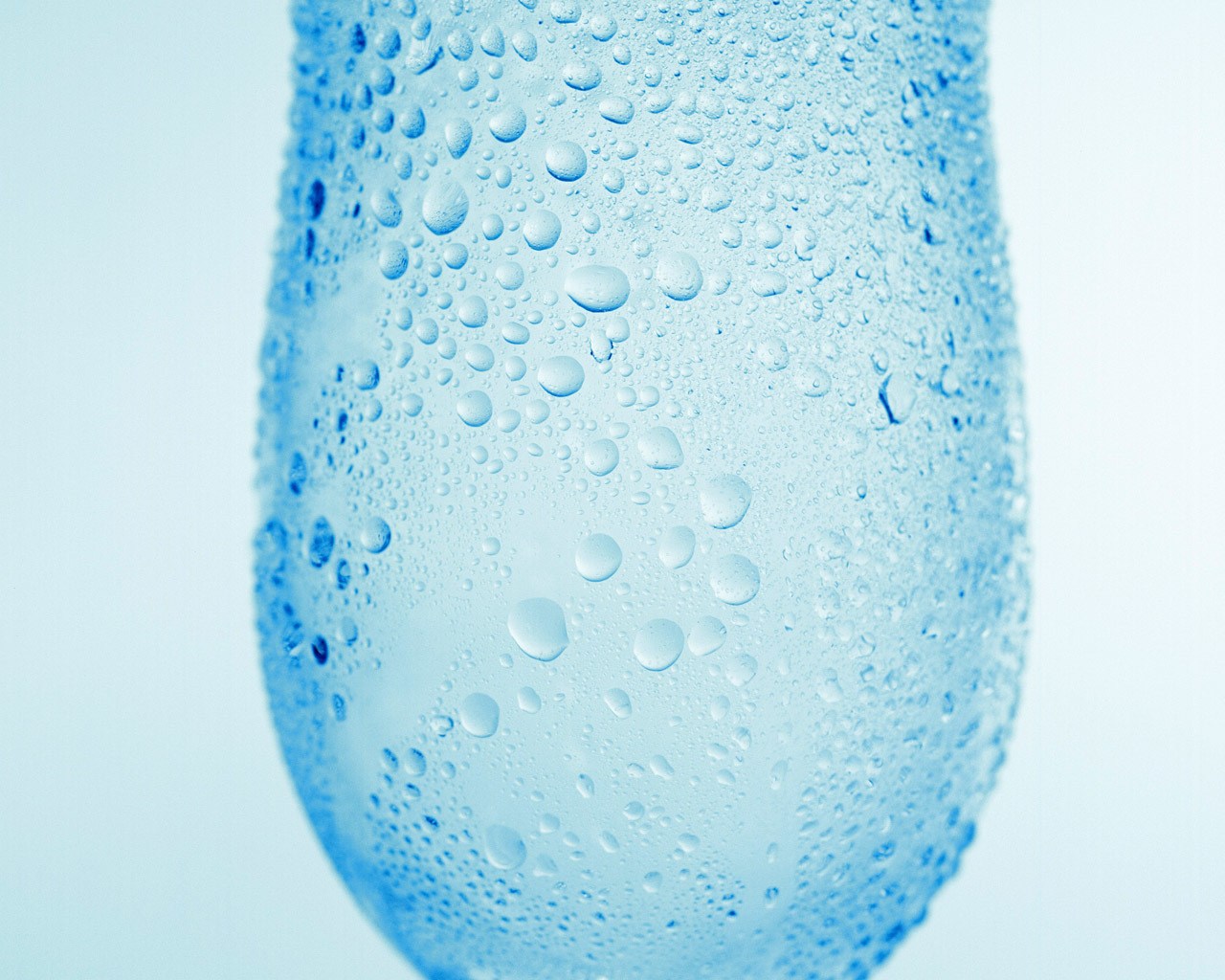

What are formed when water vapor condenses?
Clouds
Mountains
Transpiration
Valleys
Water in its gas form is called ____________________,
water vapor
precipitation
ice
air
True or False: The process by which water moves through the Earth and the atmosphere is called the nitrogen cycle.
True
False
What is it called when water seeps down into the ground?
Infiltration
Runoff
Transpiration
Condensation
What can cause a moving object to increase its speed in a forward direction?
a force pushing on the object from the opposite direction
force that moves continuously in the same direction as object
an increase in the mass of the object
A pencil falls off of a desk. What moves the pencil toward the floor?
mass
friction
gravity
speed
4 cars are at the starting line of a race. Which car will require the most force to start moving?
car with mass of 1200 kilograms
car with mass of 1500 kilograms
car with mass of 1700 kilograms
car with mass of 2000 kilograms
A model car travels 20 meters in 15 seconds. How many meters will it travel in 45 seconds?
0.4m
25m
30m
60m
A swimmer is moving at a speed of 2.0 meters/second. When will they hit 100 meters?
20 minutes
50 minutes
100 minutes
200 minutes

If a ball rolls from point A to point B, in what direction is it rolling?
northward
eastward
westward
southward
Which will most likely stop an object in motion?
mass
acceleration
force
Which is the force that pulls a ball to the ground after being dropped?
friction
air resistance
gravity

Which is a correct statement about the object shown in Graph W?
The object speeds up during the trip.
The object slows down during the trip.
The object travels at a constant speed during the trip.
What was the average speed of a car that traveled 180 miles in 3 hours? (speed = distance÷time)
55 mph
60 mph
180 mph
540 mph
How can the speed of an object best be determined?
distance traveled divided by time it took to travel
time it took to travel divided by distance traveled
distance traveled divided by speed traveled
speed traveled divided by distance traveled
Which best describes the rate at which an object changes its position over time?
force
distance
speed
direction
A ball was rolling fast and then slowed. Which most likelycaused the ball to slow?
heat
friction
momentum
wind
Which best describes the force of gravity?
a puling force
a pushing force
change in mass
change in speed

What question were they most likely trying to answer?
Does the mass of a car affect the change in motion?
Does the force on a car affect the change in motion?
Does the distance the car travels affect the time?
Does the mass of a car affect the distance the car travels?

Which of the following best explains the motion of the car represented in section “D” of the graph?
The car is stopped in section “D”.
The car is going faster than it was in section “B”.
The car is moving on level ground in section “D”.
The car is higher than it was in section “B”.

Which car won the race?
Car 1
Car 2
Car 3
Car 4

What would most likely happen to the motion of the box if you poured oil on the ramp?
It will slow the box because the force of friction will be increased.
It will speed up the box because the force of friction will be increased.
It will slow the box because the force of friction will be reduced.
It will speed up the box because the force of friction will be reduced.

Which of the following best explains what magnet “B” will do if it is free to move?
The force of gravity will pull it to the left.
The force of gravity will push it to the right.
The magnetic force will pull it to the left.
The magnetic force will push it to the right.

What was the most likely trying to model?
The speed of a car.
The forces acting on a car.
The distance a car might move.
The things that change the size of a car
If an unbalanced force acts on an object at rest, the object will move in the direction of the force. Which of the following best models an object with unbalanced forces acting on it?


A student wishes to design an investigation to determine the effect of changing the mass of an object when an unbalanced force is applied to the object. What should she use as the independent variable in her investigation?
time
force
mass
speed

How should he make the graph of his data?
He should make a line graph with mass on the “X” axis and distance on the “Y” axis.
He should make a line graph with mass on the “y” axis and distance on the “X” axis.
He should make a bar graph with mass on the “X” axis and distance on the “Y” axis.
He should make a bar graph with mass on the “y” axis and distance on the “X” axis.

Which hypothesis will most likely be supported by the results of the investigation?
When a balanced force is applied the block with the greatest mass will move fastest.
When an unbalanced force is applied the block with the least mass will move fastest.
When a balanced force is applied the speed of the object will not change.
When an unbalanced force is applied the speed of the object will not change.

Is her investigation a fair test?
No, because she has two responding (dependent) variables.
No, because she has two manipulated (independent) variables.
Yes, because she uses distance as a controlled variable.
Yes, because she uses time as the responding (dependent) variable.

Which of the following best describes the data in the graph?
Time is the dependent variable which is graphed on the “Y” axis.
Time is the dependent variable which is graphed on the “X” axis.
Distance is the dependent variable which is graphed on the “Y” axis.
Distance is the dependent variable which is graphed on the “X” axis.

Did the results support her hypothesis?
Yes, because more force reduced the time needed to travel 5 meters, so it was going faster.
Yes, because more force reduced the time needed to travel 5 meters, so it was going slower.
No, because more force reduced the time needed to travel 5 meters, so it was going faster.
No, because more force reduced the time needed to travel 5 meters, so it was going slower.
The arrows in the diagrams below represent the size and direction of the forces that are acting on a cart. Different forces were applied to carts. The mass of each cart is the same. If the carts started at rest, which one would speed up the most in a direction to the right of the page?


What is the first thing they should do according to the engineering design process?
Adjust the wheels of the car and determine if it works better.
Design a solution to make the wheels work better.
Ask what materials they could use to fix the problem.
Identify the problem that needs to be improved.

Which of the following best explains which material would work best for the warehouse floor?
The tile because it had the least friction.
The wood because it would be easiest to push the boxes on.
The dirt because it has the least friction.
The asphalt because it has the most friction.

Which design improvement would most likely increase the speed of the car?
Put oil on the nails on which the wheels turn to decrease the friction.
Decrease the size of the wheels so they can grip better.
Increase the size of the wheels so they can grip better.
Put glue on the nails on which wheels turn to increase the friction.

Which of the following improvements would most likely improve the speed of their car?
Add more K’NEX pieces to increase the mass.
Add a sail to decrease the friction.
Add larger tires to increase the volume.
Add lubrication to decrease the friction.
What is matter?
anything
something that has mass
anything that has mass and takes up space
what's the matter with you?
What are the characteristics of solid matter?
takes the shape of any container
molecules are packed closely together
objects have a definite shape
have a definite shape and molecules are packed closely together
Which describes liquid matter?
has a definite volume but no definite shape, takes the shape of every container
has a definite volume
it is wet
molecules are packed tightly together
Which description mostly explains a gas?
no specific shape
not a certain volume
it is all over
molecules move around freely, not tightly packed, no specific volume nor shape
What needs to be present in order for one phase to change from one to another?
space
increase in kinetic energy, resulting in temperature increasing
potential energy
evaporation
What is an example of evaporation?
rain water accumulating in a rain barrel
a puddle going away
leaves turning green
a ball rolling downhill
Which is NOT an example of condensation?
dew collecting on the grass in the morning
clouds filling with water vapor
water forming on the side of the glass of ice water
an oasis drying up in the desert
What describes "freezing" matter?
molecules moving rapidly
molecules not in motion and temperatures decreasing
molecules in motion
grass growing
The phase change sublimation is when matter changes from ....
solid turns to a liquid
solid turns directly to a gas
gas turns to a solid
liquid turns to a gas
In order for something to melt...
the objects temperature needs to be lowered
the molecules slow down to a "stand still"
you turn the air conditioner on
it requires the object's melting point to be reached
Which most often occurs when a pot of water boils?
Condensation
freezing
melting
evaporation
How is heat transferred in radiation?
through solids
through liquids
through time
through air
Which best explains why a wooden spoon can be used to stir hot soup on the stove?
Wood is a good conductor of heat and transfers energy to the spoon.
Wood is a poor conductor of heat and transfers energy to the spoon.
Wood is a good conductor of heat and does not allow the transfer of energy to the spoon.
Wood is a poor conductor of heat and does not allow the transfer of energy to the spoon.
Which shows an example of convection?
Jose cooks an egg in a pot of boiling water.
Clara burns her hand by touching a light bulb.
Lucy wraps herself in an electric blanket to keep warm.
Ben holds the end of a metal rod in a fire to cook hot dogs.
Which is an example of radiated heat for cooking?
cooking a pot of soup
scrambling eggs on the stove
grilling hot dogs over a campfire
frying hamburgers in a frying pan
Which substance will conduct the least amount of heat?
glass
copper
plastic
aluminum
Which is an example of radiation?
boiling a pot of noodles for dinner
getting hot from lying in the sun
feeling warm while taking a shower
burning yourself after touching a hot plate
Why does an ice cube melt when dropped into hot liquid?
The liquid absorbs heat from the ice.
Heat from the liquid transfers to the ice.
Heat from the ice transfers to the liquid.
Cold from the ice transfers into the liquid.
Which is the best example of conduction?
boiling a pot of water
feeling heat from a fireplace
a hot air balloon rising and falling
touching a hot handle and getting burned
Which best describes the transfer of heat due to the movement of gases and liquids?
radiation
convection
evaporation
condensation
Which is an example of heat being transferred by conduction?
a furnace heating the air in a school
an ice cube melting in a person's hand
a pot of water on a stove boiling
the sun heating water in a swimming pool
Which best explains why metal is a good material to make frying pans?
Metal is a good conductor of heat and transfers heat from the stove to the food.
Metal is a good conductor of heat and does not transfer heat from the stove to the food.
Metal is a poor conductor of heat and transfers heat from the stove to the food.
Metal is a poor conductor of heat and does not transfer heat from the stove to the food.
How does heat energy from the Sun reach Earth?
radiation
solar wind
conduction
convection
Which would most likely turn gas into a liquid?
cooling
boiling
warming
freezing
Sarah is stirring her hot chocolate with a metal spoon, and she notices that the spoon is getting hot. This is most likely caused by which type of heat?
conduction
convection
radiation
insulation
Ice cubes are placed in a glass of water that is at room temperature. Which statement best describes the temperature of the water after 10 minutes?
The temperature decreases because some of the water's heat is lost to the ice.
The temperature decreases because some of the ice's heat is lost to the water.
The temperature increases because some of the coolness of the water is absorbed by the ice.
The temperature increases because some of the coolness of the ice is absorbed by the water.



