wayground logo

Free Printable Worksheets

Font size

S
M
L
XL
Worksheets

Extra Practice

Total questions: 160

Worksheet time: 3hrs 48mins

Name
Class
Date
1.
Hot coffee is stirred with a spoon; the spoon gets hot due to
a)
conduction
b)
convection
c)
radiation
2.
In a swimming pool, water near the surface is slightly warmer. The warm water rises because of
a)
conduction
b)
convection
c)
radiation
3.
What happens when ice cubes melt in a glass?
a)
Heat travels from the ice to the warmer water.
b)
No energy is transferred.
c)
Heat is transferred from the warmer water to the ice cubes.
d)
The water warms up due to the humidity
4.
Is Wood a conductor or Insulator?
a)
Conductor
b)
Insulator
5.
Hot coffee is stirred with a spoon; the spoon gets hot due to
a)
conduction
b)
convection
c)
radiation
6.
A chair is several feet from a fireplace. The side of the chair facing the fireplace gets warm due to
a)
conduction
b)
convection
c)
radiation
7.
Near the ceiling of a room the air is warmer; the warm air rises because of
a)
conduction
b)
convection
c)
radiation
8.
In a swimming pool, water near the surface is slightly warmer. The warm water rises because of
a)
conduction
b)
convection
c)
radiation
9.
What happens when ice cubes melt in a glass?
a)
Heat travels from the ice to the warmer water.
b)
No energy is transferred.
c)
Heat is transferred from the warmer water to the ice cubes.
d)
The water warms up due to the humidity
10.
An aluminum plate and a plastic plate have been in the freezer all night long.  When you remove them the next morning, 
a)
the plates have the same temperature.
b)
the plastic plate has a higher temperature.
c)
the plastic plate has a lower temperature.
d)
the aluminum plate has a lower temperature.
11.
A house burns down. The vinyl siding of the house next door warps due to
a)
conduction
b)
convection
c)
radiation
12.
In what way does the Sun warm Earth? 
a)
radiation
b)
convection
c)
conduction
d)
condensation
13.
Which is NOT an insulator.
a)
Wool
b)
Plastic
c)
Copper
d)
Glass
14.
Is Wood a conductor or Insulator?
a)
Conductor
b)
Insulator
15.
What is the difference between a conductor and an insulator?
a)
An insulator allows electricity to flow through it easily and a conductor does not
b)
A conductor allows electricity to flow through it easily and an insulator does not.
c)
An insulator is magnetic and a conductor is not
d)
A conductor is magnetic and an insulator is not
16.
A great conductor of energy is:
a)
wood
b)
plastic
c)
metal
d)
cloth
17.
The plastic covering is there to:
a)
Provide a conductor for electrical energy to flow.
b)
Provide an insulator so that electrical energy will not pass outside of the wires.
c)
Provide a conductor so that electrical energy can NOT flow.
d)
Provide an insulator so that electrical energy can flow.
18.
The handle of a frying pan is often coated in rubber because rubber provides...
a)
Heat insulation
b)
Heat conduction
c)
A low melting point
d)
A nonstick surface
19.
Conductors are materials that...
a)
Allow heat to pass through
b)
Stop heat from passing through
c)
Allow cold to pass through
d)
Stop cold from passing through
20.
An object that doesn't conduct heat well is known as:
a)
a conductor
b)
an insulator
21.
Thermal energy travels...
a)
Hot to cold
b)
Cold to hot
c)
Inside to outside
d)
Outside to inside
22.
What is heat?
a)
a basketball team
b)
thermal energy
c)
electricity
d)
light energy
23.
The water that falls from the sky can be _______ or collected, and stored in rivers, lakes, and oceans.
a)
accumulated
b)
runoff
c)
ground water
d)
transpiration
24.
Water from rain or snow that flows over the surface of the land into streams, rivers, and lakes is called...
a)
accumulation
b)
runoff
c)
ground water
d)
surface water
25.
The process by which plants release water through the pores in their leaves is called...
a)
accumulation
b)
dormancy 
c)
photosynthesis 
d)
transpiration
26.
The transformation of water vapor back into liquid water by cooling is called...
a)
condensation
b)
evaporation
27.
If a rain drop lands in the ocean, it will eventually _______, and return to the clouds.
a)
condense
b)
evaporate
28.
After liquid water turns into water vapor, it goes into the air where it becomes a...
a)
glacier
b)
cloud
c)
surface water
d)
ground water
29.
Any form of water that falls from clouds and reaches Earth's surface as rain, snow, sleet, or hail is called...
a)
surface water
b)
precipitation 
c)
ground water
d)
runoff
30.
The energy that drives the water cycle comes from the...
a)
Sun
b)
Moon
c)
Clouds
31.
Is melting butter for popcorn a chemical or physical change?
a)
chemical
b)
physical
32.
A solid piece of chocolate is melted and changed to liquid form. Which property of the piece of chocolate will remain the same?
a)
Texture
b)
Temperature
c)
Shape
d)
 Mass
33.
Which of the following is NOT an example of a physical change?
a)
crumpled paper
b)
pencil sharpening
c)
shrunken clothing
d)
rust
34.
Freezing Juice?
a)
Physical Change
b)
Chemical Change
35.
A change where one or more new substances are created.
a)
Physical Change 
b)
Chemical Change 
36.
Change in color is a physical change.
a)
True
b)
False
37.
Fizzing, foaming, and burning are all examples of
a)
Chemical change
b)
Physical change
38.
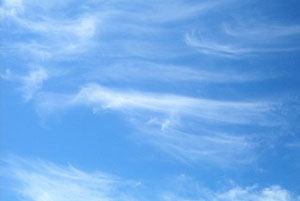
This type of cloud is thin, wispy, and made of ice crystals
a)
cumulus cloud
b)
stratus cloud
c)
cirrus cloud
d)
cumulonimbus cloud
39.
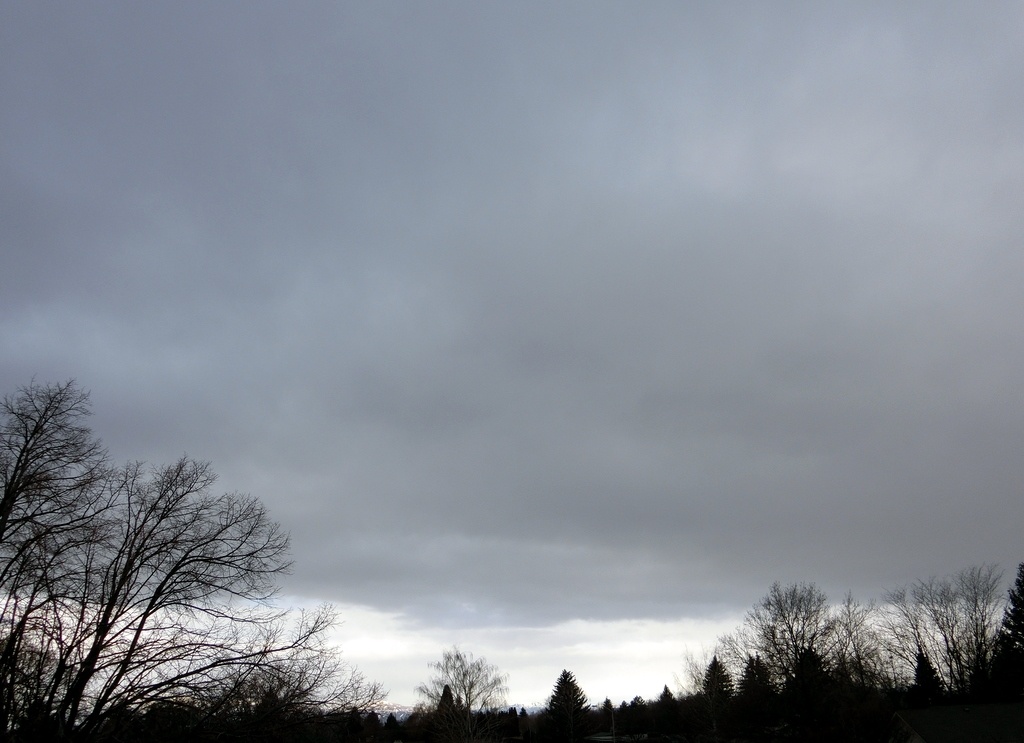
This type of cloud is thin and flat, and the edges are not clearly defined
a)
cirrus cloud
b)
cumulus cloud
c)
stratus cloud
d)
cumulonimbus cloud
40.
This type of cloud is thick and puffy on top, and generally flat on the bottom. It has well-defined edges and can change shape rapidly.
a)
cumulus cloud
b)
stratus cloud
c)
cirrus cloud
d)
cloud 9
41.
Nimbostratus and cumulonimbus clouds can signal what type of upcoming weather?
a)
fair skies
b)
hot, sunny weather
c)
windy weather
d)
rainy weather
42.
Cumulus and cirrus clouds can signal what type of upcoming weather?
a)
fair skies
b)
hot, sunny weather
c)
windy weather
d)
rainy weather
43.
Which most likely produces clear, cool weather?
a)
zero air pressure
b)
stable air pressure
c)
a low pressure system
d)
a high pressure system
44.
What other weather condition is more likely affected by rainfall during the summer season in North Carolina?
a)
fog
b)
humidity
c)
wind speed
45.
What happens to the temperature when a warm air mass replaces a cold air mass?
a)
Temperature rises.
b)
Temperature drops.
c)
Temperature stays the same.
d)
Temperature will drop; then rise.
46.
Which best describes the type of weather associated with low air pressure?
a)
clear and dry
b)
sunny and cold
c)
sunny with high winds
d)
cloudy with precipitation
47.

Winds are caused by

a)

equal heating

b)

unequal heating

48.

What is the jet stream?

a)

Precipitation in North Carolina

b)

Weather over a long period of time

c)

Strong winds above the Earth's surface

d)

Football flying over the Earth

49.

A narrow band of fast moving winds high in the atmosphere that move from west to east

a)

Jet Stream

b)

doldrums

c)

equator

d)

polar easterlies

50.
Which has the greatest effect on the movement of the jet stream? 
a)
size of clouds
b)
amount of precipitation
c)
differences in air temperatures
51.
How does the jet stream affect the weather?
a)
The jet stream transports weather systems that affect us.
b)
The jet stream does not affect the weather.
c)
The jet stream releases oxygen so we can breathe.
d)
The jet stream brings only bad weather.
52.

What will most likely result when the jet stream moves south of North

Carolina?

a)

North Carolina will experience tropical weather conditions.

b)

North Carolina will experience hot, dry weather.

c)

North Carolina will experience mild weather.

d)

North Carolina will experience cold weather.

53.

Which best explains what type of weather the Gulf Stream usually brings

to North Carolina?

a)

increased wind speed

b)

increased air pressure

c)

increased temperature

d)

increased evaporation

54.
How does the Gulf Stream affect weather conditions along the eastern coast of the United States?
a)
The Gulf Stream causes temperatures to decrease.
b)
The Gulf Stream causes temperatures to increase.
c)
The Gulf Stream causes more overcast skies.
55.

Which best describes the Gulf Stream?

a)

an ocean current which originates in the Gulf of Mexico and causes warm water to travel up the east coast of the United States

b)

an ocean current which originates in the Gulf of Mexico and causes cool water to travel up the east coast of the United States

c)

an ocean current which originates in the Gulf of Mexico and causes warm water to travel down the east coast of Mexico

d)

an ocean current which originates in the Gulf of Mexico and causes cool water to travel down the east coast of Mexico
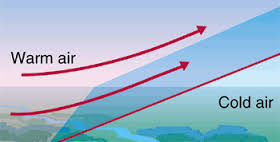

56.
A rapidly moving cold air mass runs into a warm air mass. The cold air slides under the warm air. This is called a(n)  .....
a)
cold front
b)
warm front
c)
stationary front
d)
occluded front
57.
When a warm air mass gently slides on top of a cold air mass, and you have drizzly rain and then warmer weather, what type of front is it?
a)
warm front
b)
cold front
c)
occluded front
d)
stationary front
58.
A front is
a)
where warm air is cooling at earth's surface
b)
a line where hot and cold air are separating
c)
a line where two different air masses meet
d)
where cold air is rising and forming rain clouds
59.
Which most likely produces clear, cool weather?
a)
zero air pressure
b)
stable air pressure
c)
a low pressure system
d)
a high pressure system
60.
Which type of front is pictured?
a)
Cold front
b)
Warm front
c)
Occluded front
d)
Stationary front
61.
What symbol is this?
a)
warm front
b)
cold front
c)
stationary front
d)
occluded front
62.
What type of air mass is the highlighted arrow?
a)
cold/dry
b)
cold/humid
c)
warm/dry
d)
warm/humid
63.
Which type of front is associated with the front not moving in either direction?
a)
Cold
b)
Warm
c)
Stationary
d)
Occluded
64.
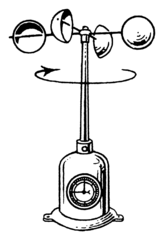
This weather instrument is a...
a)
anemometer
b)
barometer
c)
wind vane
d)
thermometer
65.
This weather instrument is a...
a)
thermometer
b)
wind vane
c)
anemometer
d)
rain gauge
66.
This weather instrument is a...
a)
rain gauge
b)
U.F.O.
c)
satellite
d)
anemometer
67.
This weather instrument is a...
a)
thermometer
b)
anemometer
c)
rain gauge
d)
barometer
68.
This weather instrument is a...
a)
anemometer
b)
Christmas ornament
c)
wind vane
d)
barometer
69.
This weather instrument is an...
a)
wind vane
b)
anemometer
c)
barometer
d)
thermometer
70.
What does the wind vane point towards.
a)
Where the wind is coming from
b)
Where the wind is blowing to
c)
the sun
d)
the moon 
71.
What instrument measures wind speed?
a)
thermometer 
b)
wind vane
c)
barometer
d)
anemometer 
72.
What instrument measures air pressure?
a)
barometer
b)
hydrometer 
c)
rain gauge
d)
anemometer 
73.
What instrument measures temperature?
a)
rain gauge 
b)
hydrometer
c)
thermometer 
d)
wind vane
74.
What instrument measures wind direction?
a)
wind vane
b)
hydrometer
c)
rain gauge
d)
barometer 
75.
What instrument measures the humidity?
a)
anemometer
b)
rain gauge 
c)
barometer
d)
hydrometer 
76.
This tool photographs clouds and sends data to meteorologists.
a)
camera
b)
iPhone 5
c)
satellite
d)
radar
77.
A rain gauge measures what?
a)
Air pressure
b)
Wind speed
wind speed
c)
Amount of rain fall
d)
Wind direction
78.
What trait might Juan have inherited from his parents?
a)
Scar on cheek
b)
Blue eyes
c)
Ability to play basketball
d)
Enjoying cooking
79.
Similarities are passed from parents to offspring through ___________
a)
Touch
b)
Genes
c)
Blood
d)
Learning
80.
What trait did an oak tree likely inherit from its parent?
a)
Broken branch
b)
Scar in bark
c)
Hollow in the trunk
d)
Leaf shape
81.
A blue bird is sitting on a nest of eggs. What reason explains why her baby birds will likely be blue?
a)
She wants the babies to be blue
b)
All baby birds are blue
c)
The mother bird is blue
d)
The father bird is red
82.
Why do most animals look similar to the parents?
a)
Traits are learned from parents.
b)
Traits are adapted to the environment.
c)
Traits are inherited from their parents.
d)
They do not look similar to their parents.
83.
Why might Nigel have curly black hair like his mother, but not be able to cook as well as her?
a)
Hair color is an inherited trait, but cooking is an acquired trait.
b)
Hair color is an acquired trait, but cooking is an inherited trait.
c)
Nigel chose to have black hair but not to learn to cook.
d)
Nigel will eventually be just as good a cook as his mother; he hasn't grown into it.
84.
Which is an example of an inherited trait?
a)
A person speaking Russian.
b)
A dog doing new tricks.
c)
A bird having feathers.
d)
A person learning to swim.
85.
Which trait would a parent not pass on to their child?
a)
Blue eyes
b)
Red hair
c)
Skin color
d)
Scars
86.
Which characteristic is NOT inherited?
a)
Hairline (straight or widow's peak)
b)
Spoken language (English, Spanish, etc...)
c)
Earlobes (attached or detached)
d)
Hair type (straight or curly)
87.
The following are inherited traits of humans except
a)
handwriting
b)
blue eyes.
c)
long eyelashes.
d)
small dimples.
88.
How does the muscular system depend on the nervous system?
a)
The nervous system transports blood to the muscles.
b)
the nervous system provides support for the muscles.
c)
The nervous system supplies food and oxygen to the muscles.
d)
The nervous system send signals to the muscles to cause movement.
89.
Which system is most closely associated with the brain?
a)
nervous
b)
muscular
c)
circulatory
d)
respiratory
90.
Which of the following best describes the job of the skeletal system?
a)
Gives shape and support to the body.
b)
Sends messages from the stomach to the brain.
c)
Brings in and breaks down all nutrients for the body.
91.
Which is a cardiovascular muscle?
a)
lung
b)
heart
c)
stomach
d)
diaphragm
92.
Karlie accidentally touches a hot surface and then quickly pulls her hand away.  Which two systems in the human body were involved with her action and reaction?
a)
nervous and muscular
b)
skeletal and circulatory
c)
nervous and respiratory
d)
muscular and respiratory
93.
How are multi-celled organisms different from single-celled organisms?
a)
Multi-celled organisms must reproduce.
b)
Multi-celled organisms must obtain energy.
c)
Multi-celled organisms have microscopic body structures.
d)
Multi-celled organisms have specialized cells to perform life functions.
94.
A unicellular organism is best described as being
a)
a complex organism.
b)
a microorganism.
c)
an organism with specialized cells.
d)
an organism with different types of tissues.
95.
Which statement would most likely be found in an article about multi-celled organisms like plants?
a)
Plants have a simple structure.
b)
Plants contain only one cell that performs all functions.
c)
Plants do not need to ear, remove waste, or reproduce.
d)
Plants contain many specialized cells that perform different functions.
96.
Which is an example of a single-celled organism?
a)
acorn
b)
amoeba
c)
honey bee
97.

Why do multicellular organisms need transport systems?

a)

Most have cells that are not able to exchange gases with the outside environment.

b)

Most have cells that are unable to grow and survive in their environment

c)

Most have cells that need food from sources outside their environment

d)

Most have cells that require more energy to survive than single-celled organisms.

98.

Which is a function of the cardiovascular system?

a)

to move water throughout the body

b)

to provide structural support for the body

c)

to eliminate waste from the body

d)

to transport gases throughout the body

99.

Which body system sends electrical signals to all other body systems?

a)

circulatory system

b)

digestive system

c)

muscular system

d)

nervous system

100.

Which system of the human body provides protection to most of the major organs?

a)

skeletal system

b)

circulatory system

c)

respiratory system

d)

muscular system

101.

Which example best shows structures that make up the digestive system in the human body?

a)

heart, blood, vessels

b)

nose, trachea, lungs

c)

brain, spinal cord, nerves

d)

esophagus, stomach, intestines

102.

Which body system processes foods into a useable source of energy?

a)

circulatory

b)

digestive

c)

nervous

d)

skeletal

103.
Which best describes the main job of most cells in multicellular organisms?
a)
Cells work to keep themselves alive.
b)
Cells work to keep the organism alive.
c)
Cells work to release needed materials.
d)
Cells work to store unneeded materials.
104.
Which organism performs all life processes in one cell?
a)
grass
b)
bacteria
c)
mushroom
d)
butterfly
105.
Which organisms are capable of surviving as a single cell?
a)
bacteria
b)
humans
c)
plants
d)
fish
106.
Which best explains why humans are multicellular organisms?
a)
Human cells are too small to function alone.
b)
Human cells join together to form one large cell.
c)
Humans need many cells to carry out life processes.
d)
Humans have many systems that perform the same function.
107.
How are algae able to survive?
a)
The algae get energy from other algae.
b)
The algae do not require energy to survive.
c)
The single cell controls all the algae’s life processes.
d)
Other multi-celled organisms provide food for the algae.
108.
Why do humans require many different types of cells to survive?
a)
Human cells are identical and work together to perform the same function.
b)
Human cells are specialized and work together to perform the same function.
c)
Human cells are identical and work independently to perform different functions.
d)
Human cells are specialized and work independently to perform different functions.
109.
How are single-celled organisms and multi-celled organisms similar?
a)
Both need food for energy and growth.
b)
Both have a skeletal system for support.
c)
Both require the interaction of many cells to survive.
d)
Both are able to carry out all life functions in only one cell.
110.
How are multi-celled and single-celled organisms different?
a)
Multi-celled organisms need energy to survive, while single-celled organisms need no energy to survive.
b)
Single-celled organisms can be seen without using a microscope, while multi-celled organisms are microscopic.
c)
Multi-celled organisms have large numbers of specialized cells to perform a variety of life functions, while single-celled organisms complete life functions with one cell.
d)
Single-celled organisms have large numbers of identical cells that all perform the same function, while multi-celled organisms have cells that are all different and perform different life functions.
111.
Fungi and bacteria are both single-celled organisms. What do they most likely have in common?
a)
Both fungi and bacteria are large organisms.
b)
Both fungi and bacteria can carry out all life functions in their one cell.
c)
Both fungi and bacteria need sunlight and nutrients from the soil to be able to grow.
d)
Both fungi and bacteria are highly specialized to do only one job so they must work with other cells to obtain food.
112.
What is a PUSH or PULL of an object?
a)
Motion
b)
Force
c)
Friction
d)
Gravity
113.
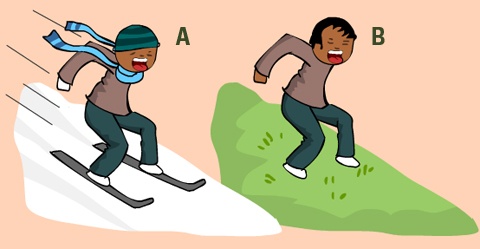
Why is it harder for the boy in Image B to get down the hill?
a)
Motion
b)
Friction
c)
Work
d)
Displacement
114.
What is a force that works AGAINST MOTION?
a)
Force
b)
Motion
c)
Gravity
d)
Friction
115.
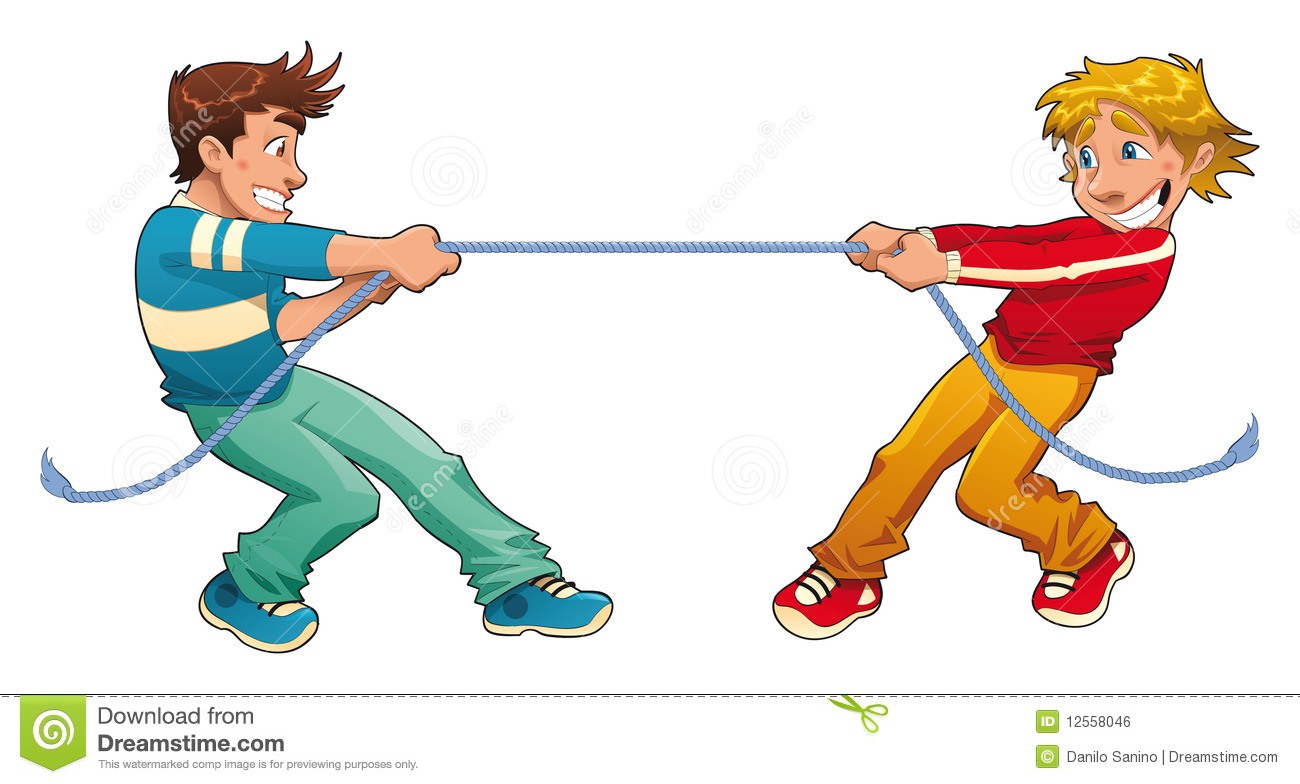
If these boys are pulling with the same amount of force.  What will happen?
a)
The boy in blue will win.
b)
They will not move at all.
c)
The boy in red will win.
d)
Both will fall down.
116.
What pulls a ball back to earth?
a)
Gas
b)
Gravity
c)
Friction
d)
Molecules
117.
Speed can be found my calculating...
a)
acceleration/velocity
b)
friction/gravity
c)
momentum/time
d)
distance/time
118.
When an object is getting faster, it is called....
a)
potential energy
b)
kinetic energy
c)
acceleration
d)
deceleration 
119.
Inertia is....
a)
for every action, there is an equal and opposite reaction
b)
larger objects take more force to move 
c)
an object in motion tends to stay in motion unless acted on by an opposite force
d)
a push that acts in the opposite direction and it slows down.
120.
If the forces are the same in Scenario A and Scenario C, which ball would move the fastest?
a)
both balls would move at the same speed
b)
there is no way to determine which ball would move the fastest
c)
the ball in Scenario C
d)
the ball in Scenario A
121.

Which of the following terms identifies a cause of a change in motion?

a)

inertia

b)

mass and force

c)

balanced forces

d)

unbalanced forces

122.
How is gravity affected by mass?
a)
the larger the mass of the object, the greater the gravity
b)
small objects have no gravity
c)
gravity is not affected by mass of objects, whether large or small
123.
This motion graph represents:
a)
constant speed
b)
acceleration
c)
body at rest
d)
slowing down
124.
This motion graph represents:
a)
constant speed
b)
acceleration
c)
body at rest
d)
slowing down
125.
This motion graph represents:
a)
constant speed
b)
body at rest 
c)
acceleration
d)
slowing down
126.
In this distance versus time graph...
a)
The green line is "faster"
b)
The red line is "faster"
c)
The green line is slowing down
d)
The red line is speeding up
127.
All of the nonliving parts of an ecosystem are __________.
a)
biotic
b)
biology
c)
abiotic
d)
biography
128.
A group of organisms of the same species living in the same area are called a/an __________.
a)
community
b)
habitat
c)
population
d)
ecosystem
129.
All of the living AND non-living things in an area that interact with each other are called a/an __________.
a)
community
b)
habitat
c)
population
d)
ecosystem
130.
A group of different species that live together and interact in an environment are called a/an __________.
a)
community
b)
habitat
c)
population
d)
ecosystem
131.
ALL energy flow for an ecosystem begins with ...
a)
plants
b)
the moon
c)
the sun
d)
algae
132.
What are biotic factors?
a)
dead things
b)
living things/ organisms
c)
weather
d)
plants
133.
Which is an example of an ABIOTIC factor?
a)
hummingbird
b)
water
c)
dead tree branch
d)
skunk
134.
Which are located at the very BOTTOM of an energy pyramid? 
a)
producers
b)
consumers - Level 1
c)
consumers - Level 2
d)
decomposers
135.
Organisms that hunt other organisms for food are called __________.
a)
predators
b)
prey
c)
producers
d)
heterotrophs
136.
An individual living thing is a/an ___________.
a)
habitat
b)
ecosystem
c)
organism
d)
population
137.
Which of the following is an example of an interaction between a living and nonliving organism?
a)
a snake using a mouse for food
b)
a worm using the soil as shelter
c)
a bird using an insect for food
138.
A deer eats from Farmer McClard's cornfield. A flood destroyed the field of crops. What will happen to the deer now that the corn is destroyed?
a)
The deer will plant more crops.
b)
The deer will leave the area to find food.
c)
None of the Above
139.
Which of these organisms is a producer?
a)
strawberries
b)
insect
c)
mouse
d)
owl
140.
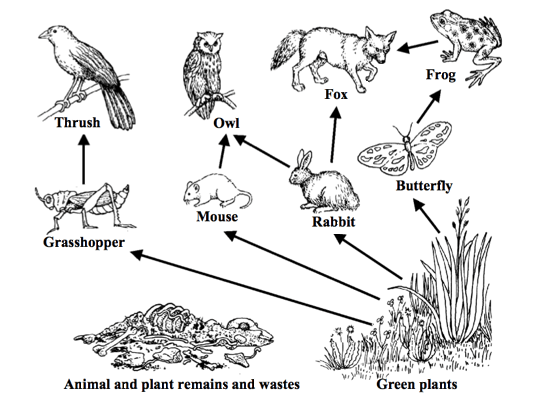
What is a source of energy for the mouse?
a)
strawberries
b)
insects
c)
other mice
d)
owls
141.
What would the insect be considered?
a)
Producer
b)
Consumer
c)
Fungus
142.
What could happen if all of the rabbits in the food chain died? (Remember the picture is out of order)
a)
The snakes would have to find a different source of food. They could die.
b)
The carrots could not eat.
c)
Nothing
143.
Which of the following organisms is a herbivore.
a)
butterfly
b)
snake
c)
fox
d)
ladybird
144.
Which of the following organisms is a carnivore.
a)
greenfly
b)
titmouse
c)
mouse
d)
buzzard
145.
The owl receives energy from which organisms?
a)
grasshopper and mouse
b)
mouse and rabbit
c)
rabbit and butterfly
d)
butterfly and frog
146.
The krill is eaten by which consumer?
a)
blue whale
b)
phytoplankton
c)
leopard seal
d)
penguin
147.
A large ecosystem is called a ______
a)
Ecosystem
b)
Habitat
c)
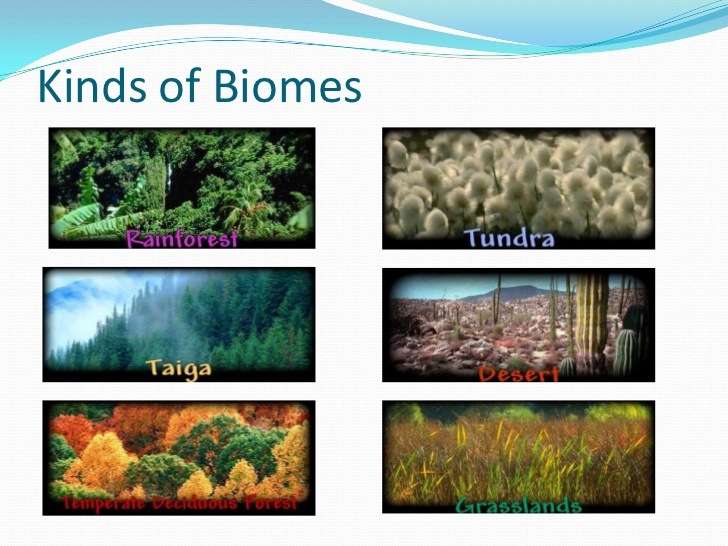
Biome
d)
Niche
148.
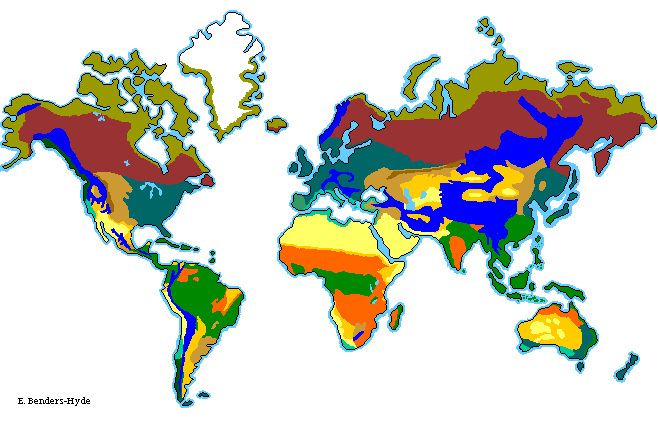
What is the main factor that separates the biomes?
a)
Land
b)
Water
c)
Climate
d)
Longitude
149.
Which biome is the driest?
a)
Desert
b)
Tundra
c)
Taiga
d)
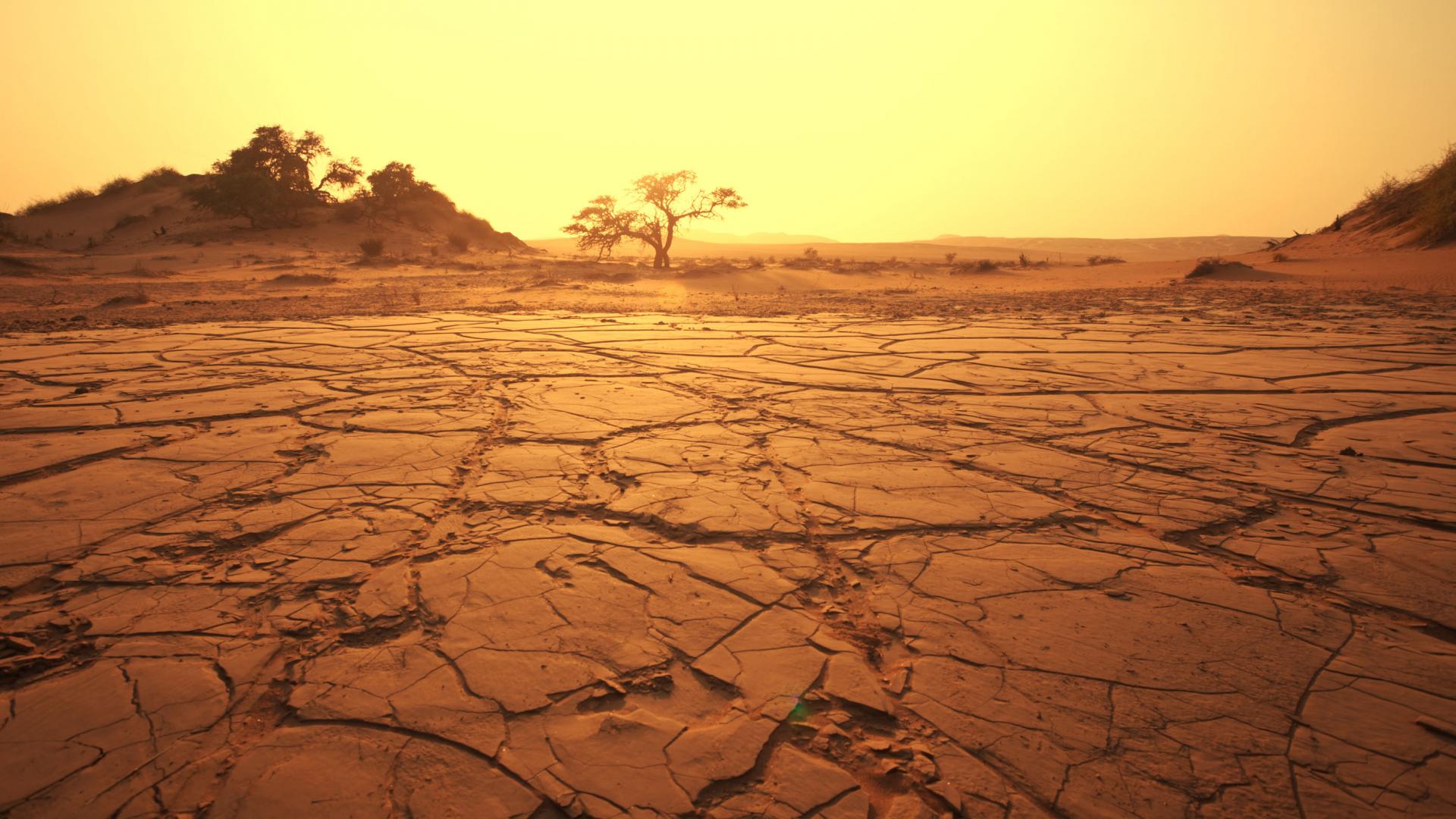
Rainforest
150.
Which Biome has permafrost?
a)
Temperate Forest
b)
Rainforest
c)
Taiga
d)
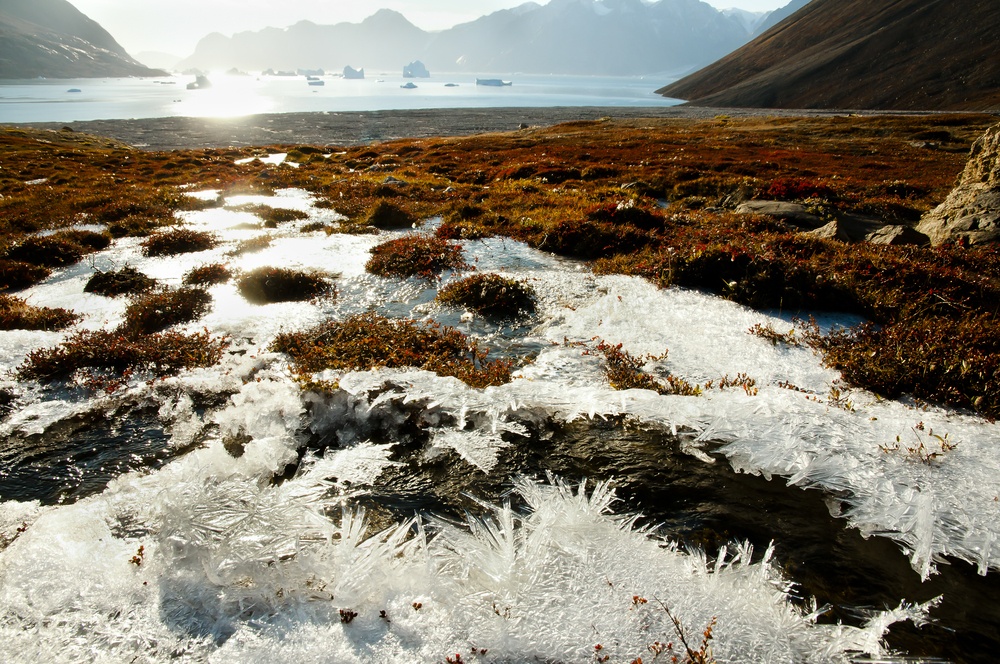
Tundra
151.
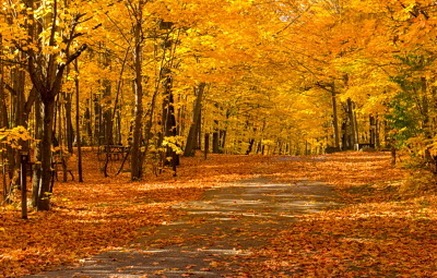
Which biome has deciduous trees (which lose their leaves)?
a)
Temperate Forest
b)
Rainforest
c)
Grasslands
d)
Taiga
152.
Which biome has coniferous trees (which don't lose their leaves)?
a)
Taiga
b)
Temperate Forest
c)
Tundra
d)
Grasslands
153.
Which biome has wide-open fields of grass?
a)
Taiga
b)
Grasslands
c)
Temperate Forest
d)
Rainforest
154.
Which biome has the most variety of plants and animals?
a)
Temperate Forest
b)
Rainforest
c)
Tundra
d)
Grasslands
155.
Which biome has 4 seasons?
a)
Taiga
b)
Tundra
c)
Grasslands
d)
Temperate Forest
156.
In which 2 biomes can only plants/animals with adaptations survive?
a)
Taiga/Temperate Forest
b)
Grasslands/Desert
c)
Tundra/Desert
d)
Rainforest/Tundra
157.
Forest biome with many different trees, mosses and ferns; most trees lose and regrow their leaves each year.
a)
temperate rainforest
b)
biome
c)
savannah
d)
boreal
158.
Northern biome with many coniferous trees; very cold temperatures in the winter months.
a)
Taiga
b)
tundra
c)
desert
d)
temperate rain forest
159.
Type of tree that loses and regrows leaves each year.
a)
deciduous
b)
coniferous
c)
pine tree
d)
oak tree
160.

A hunting dog is shown in the image. Which is most likely a learned characteristic of this animal?

a)

size of ears

b)

sharp teeth

c)

spots

d)

the ability to track rabbits.