
 Worksheets
Cells, organs, systems
Total questions: 82
Worksheet time: 59mins

Match each cell part to its function.
Nucleus
Contains the instructions for the cell
Cell membrane
Controls what enters and leaves the cell
Mitochondria
Powerhouse of the cell, produces energy
Cell Wall
Gives structure to the cell
Chloroplast
Generates energy from sunlight

Sort these cell parts into the correct group.
Cell membrane
Nucleus
Mitochondria
Cell wall
Chloroplasts
Vacuole
Place in order from smallest to largest
cell
tissue
organ
system
organism


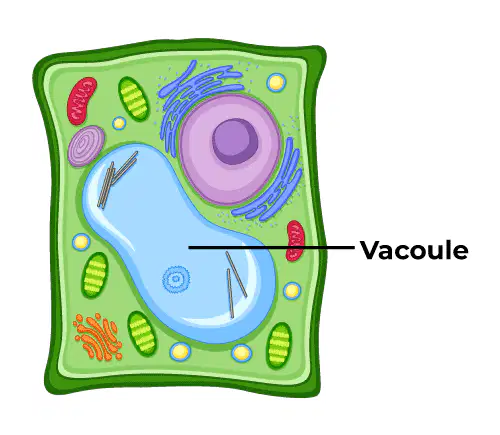
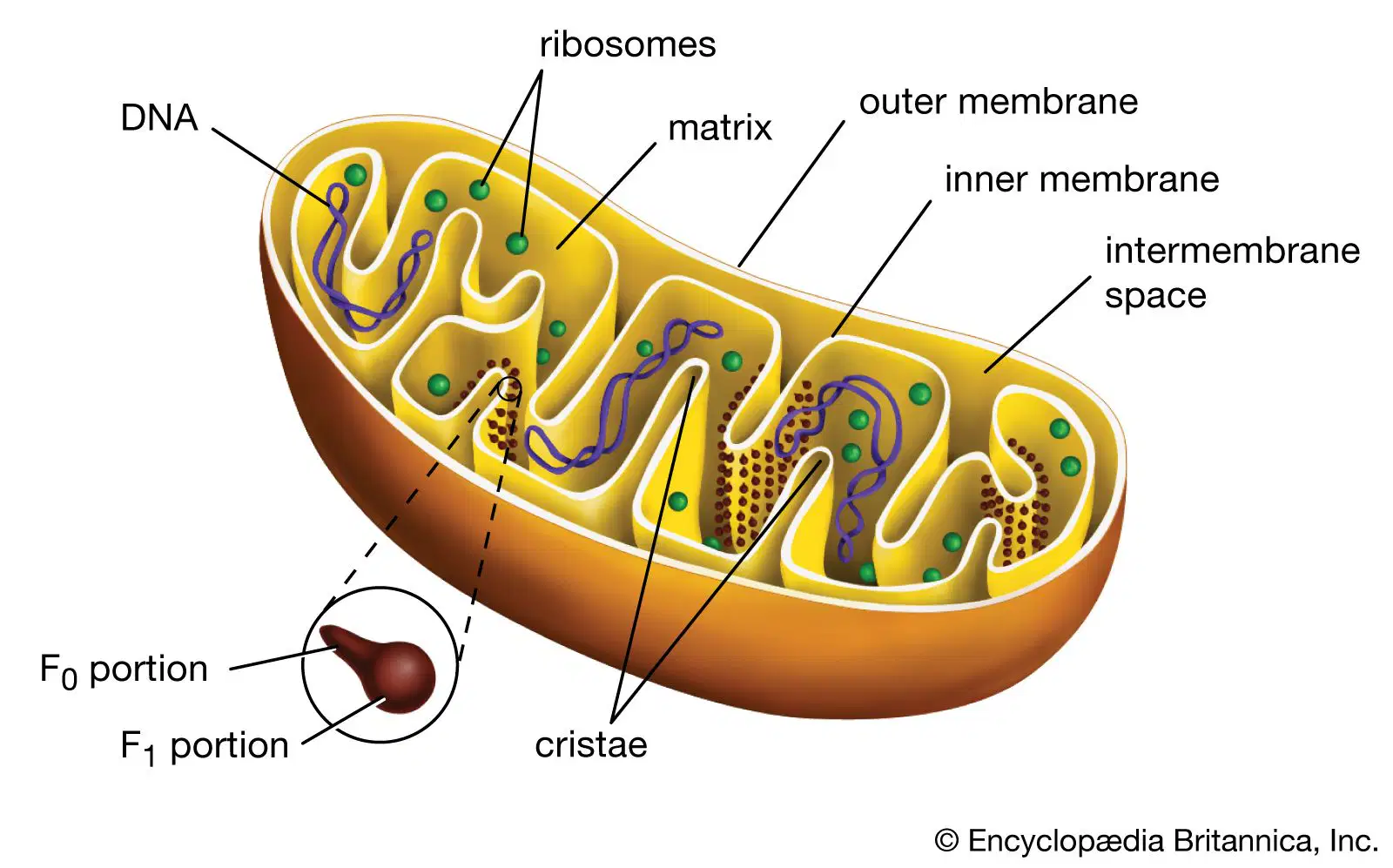
Which of the following converts food into energy for the cell?
vacuole
mitochondria
cytoplasm
cell membrane
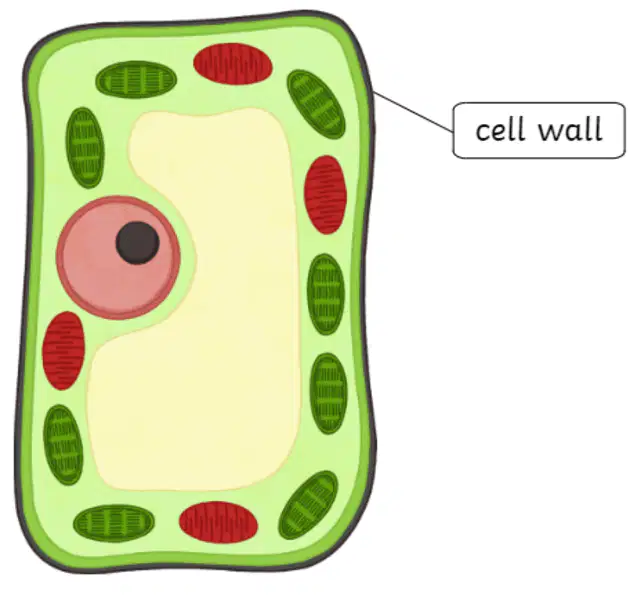
What do we call an organism that has only one cell
Unicellular
Multicellular
Bacteria
Animals
Plants
Fungi
Protists
All living things are made of (a)
arrange from smallest to largest
An atom
A virus
A bacteria
An animal cell
An organ
Plants have a cell wall
AS WELL as a cell membrane
INSTEAD of a cell membrane
Chewing food into smaller pieces.
Physical
Chemical
Saliva breaking down carbohydrates.
Physical
Chemical
Enzymes break down food nutrients.
Physical
Chemical
Food is mixed together.
Physical
Chemical
moves food from the mouth to the stomach
esophagus
small intestine
large intestine
pancreas
Which of these is NOT a function of the digestive system?
breaks down food
absorbs nutrients
eliminates waste
takes oxygen to body cells
organ where there is the most absorption of nutrients
stomach
small intestine
large intestine
liver
the organ which absorbs water
small intestine
stomach
villi
large intestine
waves of muscular contractions that move food through the digestive tract.
digestion
absorption
peristalsis
villi
finger-like projections in the small intestine that absorb nutrients
digestion
absorption
peristalsis
villi
Which organ produces bile that breaks down food?
pancreas
liver
gall bladder
stomach
Amylase in saliva changes starch into...
sugar
waste
stomach acid
chyme
Where does the digestion of proteins take place?
Mouth and stomach
Stomach and small intestine
Mouth and small intestine
Mouth, stomach and small intestine
Which organ stores bile?
gall bladder
villi
pancreas
liver
Which are the nutrients digested in the small intestine?
Carbohydrates and proteins
Proteins
Carbohydrates, proteins and lipids
Lipids and proteins
Lipids
What is the function of the villi?
To increase the absorption surface
To digest the last nutrients
To form feces
To comb the small intestine
Match the following
Stomach
Digests protein
Small intestine
Absorbs nutrients
Large intestine
Absorbs water
Liver
Produces bile
Oesophagus
Carries food from mouth to stomach
Match the following
Pancreas
Produces digestive enzymes
Villi
Increase surface area of small intestine
Hydrochloric acid
Made by stomach to break down protein
Peristalsis
Movements that push food through gut
Chewing
An example of mechanical digestion.
What is the main organ of the circulatory system?
Brain
Lungs
Heart
Blood Vessels

How big is your heart?
About the size of your brain
About the size of your lungs
About the size of a cell
About the size of your fist
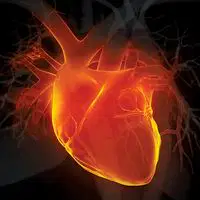
Which of the following are chambers of the heart?
Valves
Atrium and ventricle
Arteries and veins
Sinoatrial nerve
The pulmonary artery is the artery that carries the blood to your heart from your lungs.
True
False


How does the heart muscle move the blood between your heart, lungs and the rest of the body?
Magic
Diaphragm muscle pushes the blood around your body
Muscle contractions and relaxations
Who knows, ask a scientist

The heart is a
Voluntary muscle
involuntary muscle
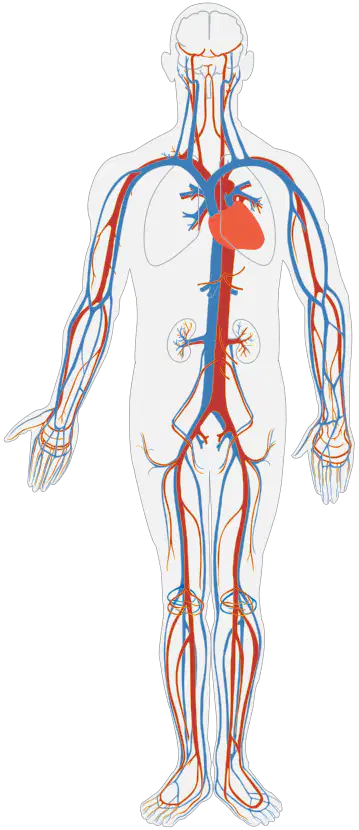
What is the circulatory system made up of
Heart
Blood Vessels
Blood
All of the above

After blood leaves the right atrium, what is the order that it reaches these five places.
Right ventricle
Pulmonary artery
Lungs
Pulmonary vein
Left atrium
Match the following
Ventricles
The lower chambers of the heart
Atria
The upper chambers of the heart
Left side of heart
Pumps blood to the body
Right side of heart
Pumps blood to the lungs
Septum
Divides the two side of the heart
Label this diagram of the heart:
Where does the right side of the heart send blood to?
(a)
The largest artery in the body
(a)
Which side of the heart sends blood around the whole body
(a)

The valves in the heart allow blood to flow.....
Forwards
In both directions
Not at all
Backwards
In most diagrams of the heart, the left chambers are on the right of the page.
True
False
Urine leaves the body through the
(a)

What is organ is #1?
Kidney
Stomach
Bladder
Heart
What organ is #3?
Kidney
Stomach
Bladder
Heart
Which structure transports urine from the kidney to the bladder?
Ureter
Urethra
Bladder
Kidney
The respiratory system takes in ________ and releases ___________.
Waste,Air
Air,Oxygen
Carbon Dioxide, Oxygen
Oxygen, Carbon Dioxide
What is the name of the muscle below the lungs that helps with breathing?
trachea
diaphragm
alveoli
bronchi

The windpipe is also called
trachea
alveoli
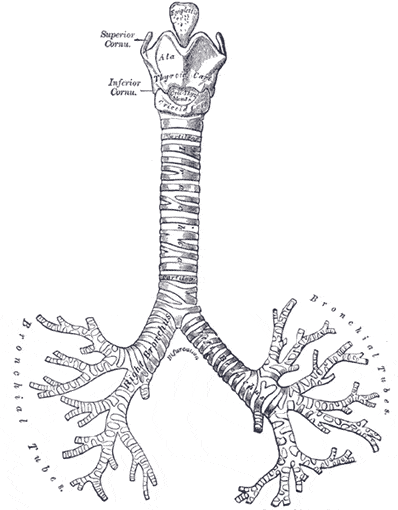
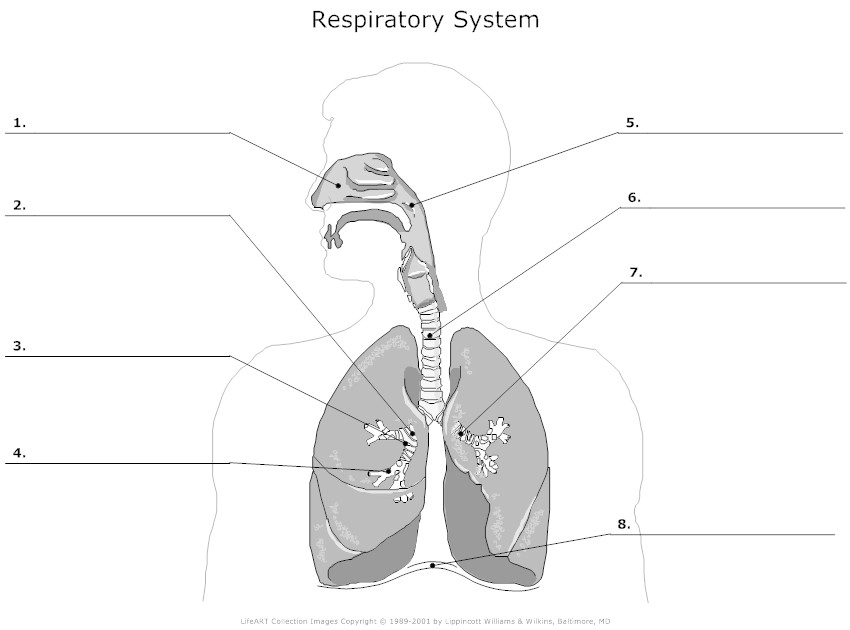

What is labeled F?
bronchioles
trachea
bronchi
diaphragm

What is labeled at E?
bronchi
trachea
pharynx
none of the above
A small flap of tissue that covers the trachea is called the
bronchi
larynx
pharynx
epiglottis

