
NEW
Font size
 Worksheets
Scientific Method and Lab Safety
Total questions: 41
Worksheet time: 48mins
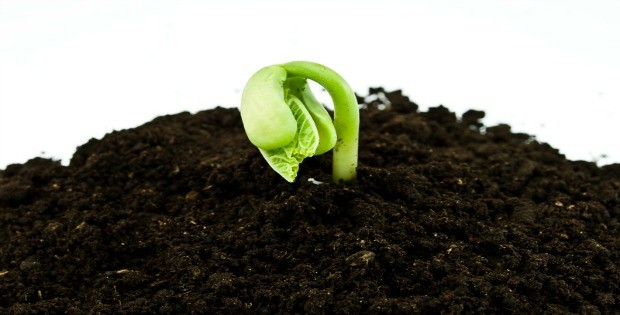
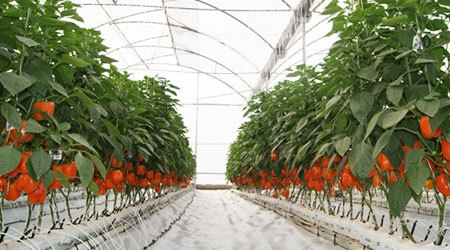
Bob read about growing plants in water. He wanted to know how plants could grow without soil.
coming up with a question
test the hypothesis with an experiment
form a hypothesis
draw conclusions
The information you collect while doing your experiment is called
conclusions
data
hypotheses
procedures
How many independent variables should you have in an experiment?
two
as many as possible
four
one
The variable that is being measured or observed is called the _______________. Hint: this is the variable that is the result or effect
independent variable
dependent variable
control variable
What is a constant/control in an experiment?
Things that do not change in a experiment. It's the variable that stays the same. You can have many variables stay the same.
It's the variables that the scientist changes in the experiment
It's the variables that are being measured in an experiment
If I floss more, then I will have fewer cavities. What is the independent variable?
Number of cavities
Amount of flossing
Type of floss used
Amount of brushing
If I put on a higher factor sunscreen, then I will burn less. What is the dependent variable?
Severity of sunburn
Factor of sunscreen
Time spent in the sun
Weather conditions

When moving chemicals during labs, you should;
Yell out "Code One" so that everyone clears a path for you to walk through
Walking very fast
Hold them securely and walk carefully

If you break a glass container during lab, you should ___________________
clean it up immediately
Tell your teacher immediately
leave it and tell your teacher after the lab is completed

Be alert and proceed with caution at all times in the lab. _______________ immediately of any unsafe conditions you see.
Call out, "Code 1"
Notify the teacher
Notify your lab partner

Clean up ___________________
only when you are asked
as directed by your teacher
is optional since a maid comes after school

Conduct yourself in a _____________ manner at all times in the laboratory.
honest
silly
responsible

Which of the following footwear is best in the laboratory?
sandals
rain boots
closed-toed shoes
heels

Horseplay or practical jokes in the laboratory are
always against the rules
OK
a must since they are fun

True or false: Hot glass looks the same as cold glass
true
false


If you do not understand a direction or part of a laboratory procedure, you should
figure it out as you do the lab.
try several methods until something works.
ask the teacher before proceeding.
skip it and go on to the next part.
Long hair in the laboratory must be
tied back or kept entirely out of the way with a hair band, etc.
always neatly groomed.
held away from the experiment with one hand.
cut short.
When using a razor blade or scalpel, always cut material
away from you.
toward you
in your hand
perpendicular
Before you leave the science room, you should
clean your work area and equipment.
return all equipment to the proper storage area.
wash your hands with soap and water.
all of the above
Consider every chemical to be ______________________________.
water
friendly
dangerous/hazardous
different
Which of the following is NOT a piece of safety equipment in the science lab?
Fire extinguisher
Eye wash station
Safety Goggles
Fire Blanket
Chair
Allison places a chemical into a test tube and begins to heat it over a Bunsen burner. Eager to see what is happening in the test tube, she holds it so she can see down the tube. Has she followed the correct procedure?
Yes
No
The lab instructions tell students to heat each element separately. Zak decides to heat elements A and B together to see what happens. Has Zak followed the correct procedure?
Yes
No
While Griffin and Hannah were conducting an experiment, Hannah accidentally splashed chemical in her eye. Griffin tells the teacher, asks Hannah if she is wearing contact lenses, and the teacher takes Hannah to the eye wash station where he flushes Hannah's eye with plenty of water. Have the correct procedures been followed?
Yes
No
Without reading the directions, Shane began the experiment because his brother already told him what to do and what to expect. Has he followed the correct procedure?
Yes
No
Haley cut her finger during an experiment. She was able to stop the bleeding and did not feel it was necessary to tell the teacher. Has she followed the correct procedure?
Yes
No

