
 Worksheets
Accounting Assumptions & Terms
Total questions: 40
Worksheet time: 23mins
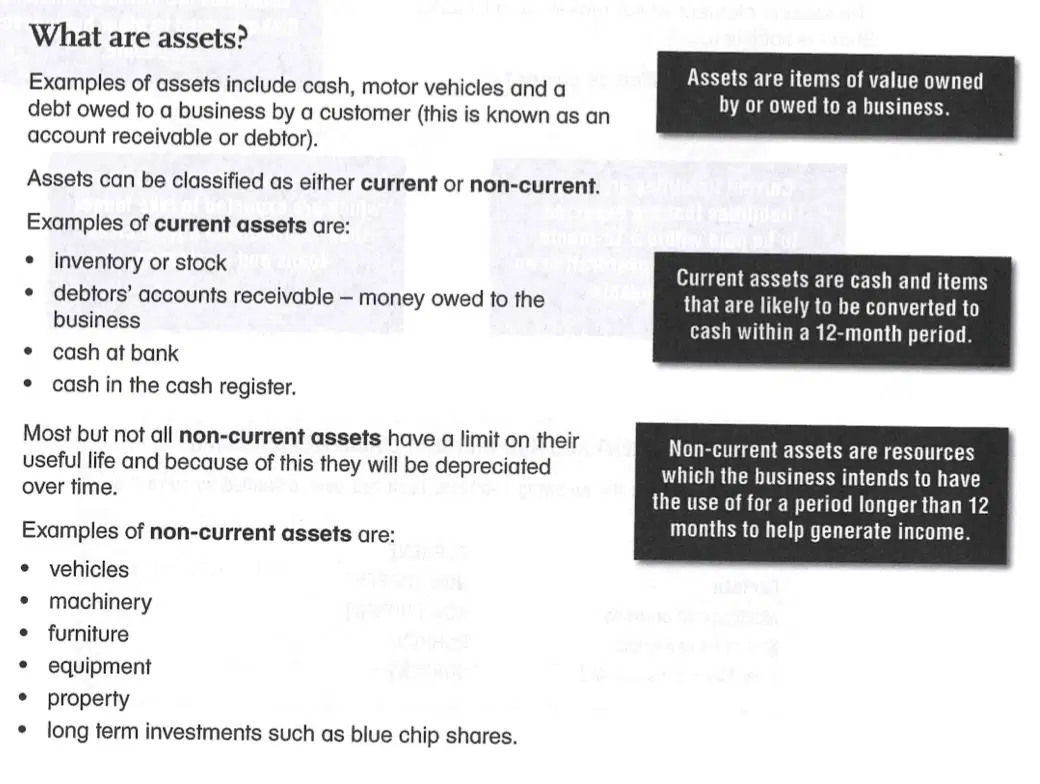
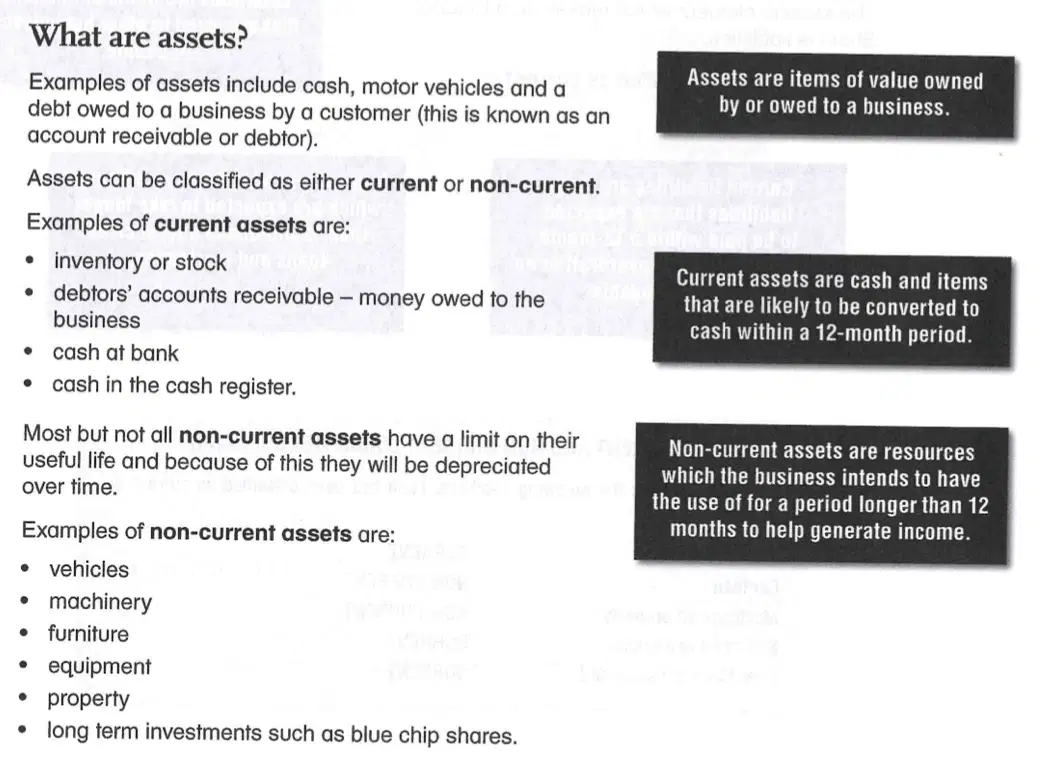
Which of the following is an example of a non-current asset?
Cash at bank
Debtors' accounts receivable
Inventory or stock
Machinery
What is an example of a long-term investment?
Cash at bank
Inventory or stock
Blue chip shares
Debtors' accounts receivable
Which of the following is classified as a current asset for a family?
Motor vehicle
Family home
Cash in the bank
Furniture

Which of the following is NOT an example of a current asset?
Cash at bank
Inventory or stock
Debtors' accounts receivable
Furniture
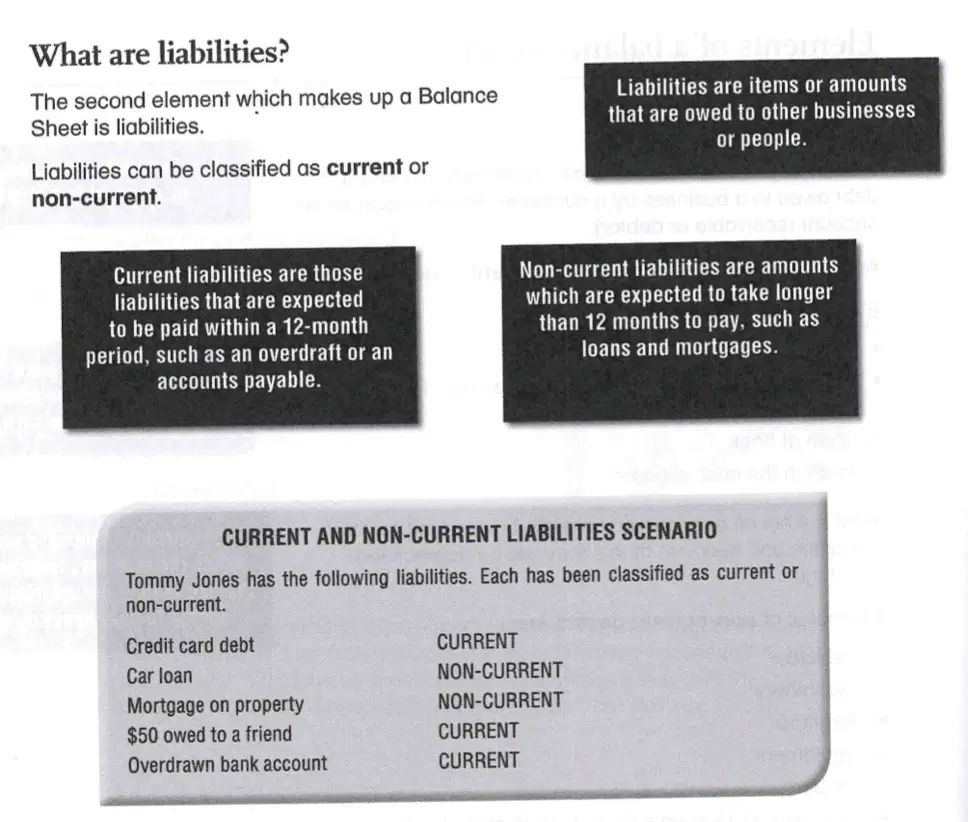
How can liabilities be classified?
Current or non-current
Short-term or long-term
Fixed or variable
Tangible or intangible
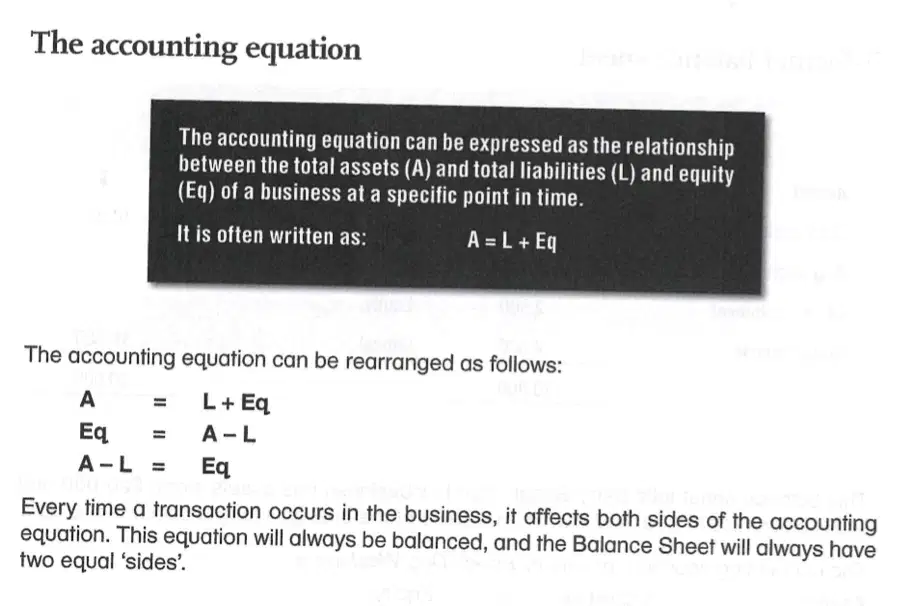
The accounting equation is ___=___+___
(a)
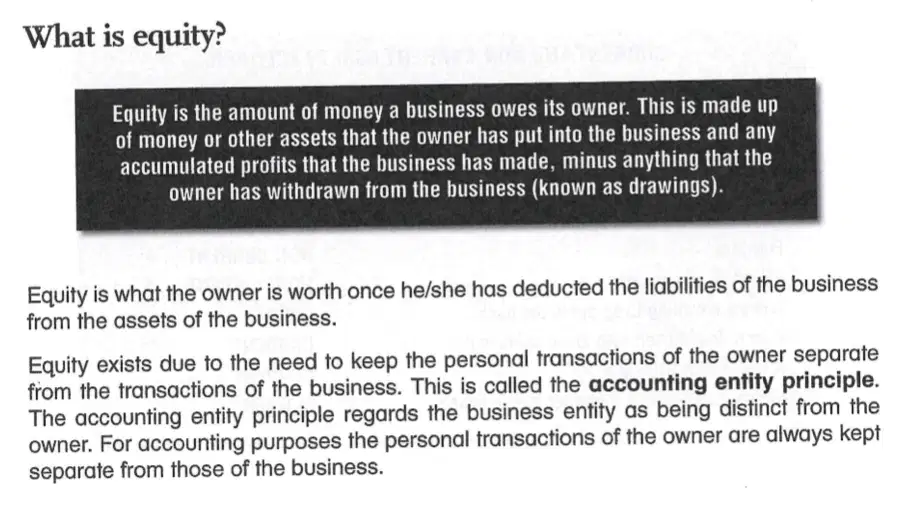
What does equity represent in a business?
The amount of money a business owes its owner
The amount of money a business owes to other businesses
The amount of money a business has borrowed
The amount of money a business has invested in assets
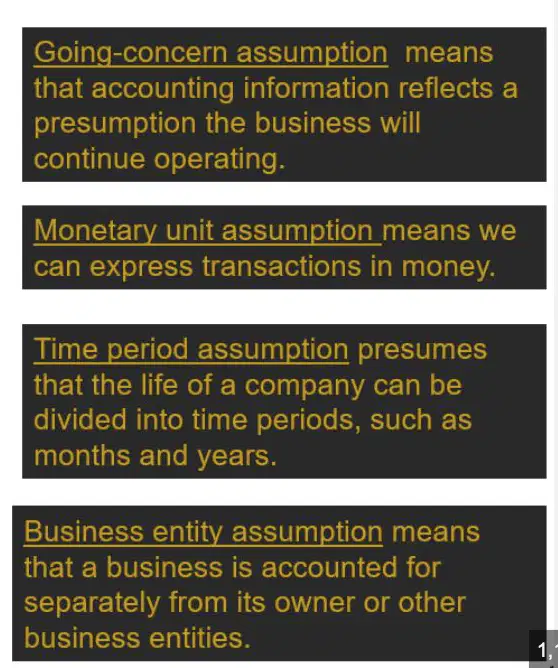
What is the accounting (economic) entity assumption?
The principle that regards the business entity as being distinct from the owner
The principle that combines the personal transactions of the owner with the business
The principle that ignores the liabilities of the business
The principle that only considers the assets of the business

A report showing all assets, liabilities, and owners equity of a business as of a specific date is called _____.
income statement
accountant
balance sheet
revenue report

The amount of money that a company earns is called _____________.
profit
paid expenses
revenue
loss
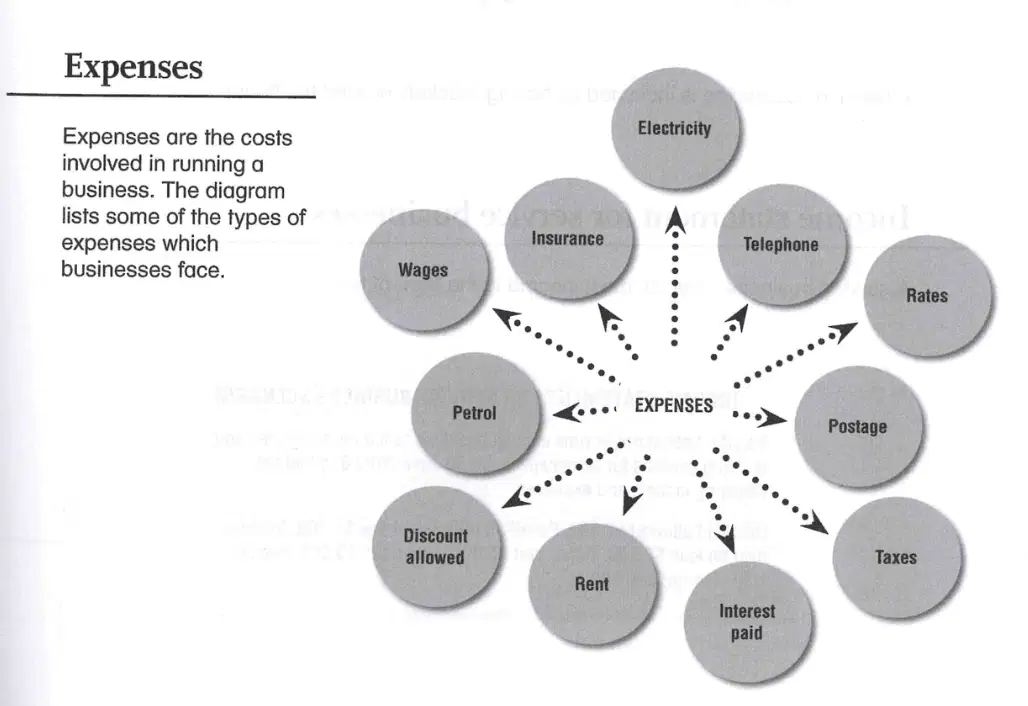
Costs of maintaining and operating a business, is a companies ____________.
resources
expenses
assets to be paid
loss
The results when a business' income is greater than its expenses.
revenue
loss
income increase
profit
-buildings
-office equipment
-land
within resources

The following three appear on a companies _______.
-assets
-liabilities
-owners equity
income statement
budget
balance sheet
statement of changes
Equity
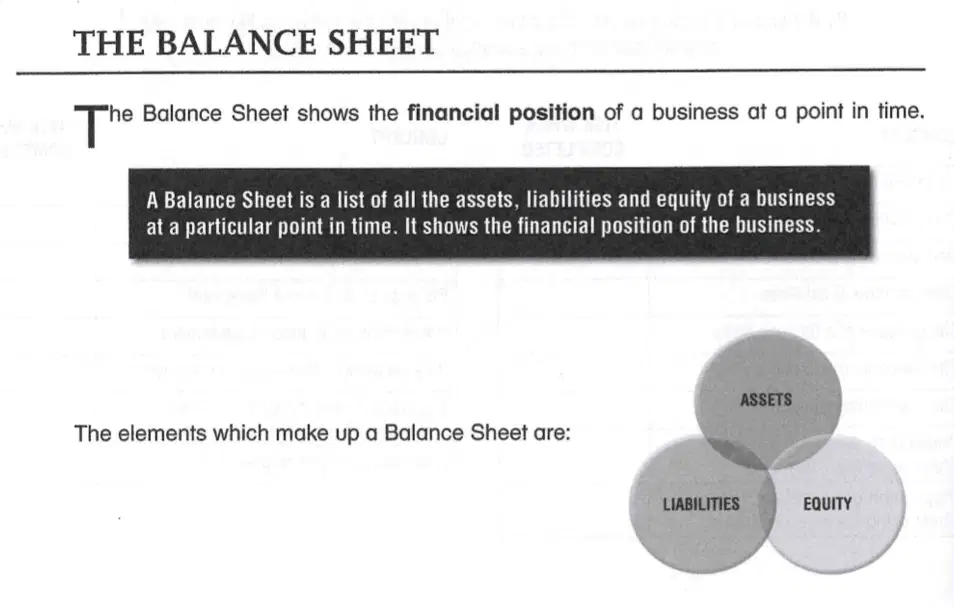
The Balance Sheet reports the financial position of a business at a specific point in time. Which is NOT listed on the Balance Sheet?
Assets
Liabilities
Revenue
Equity

What is the purpose of the Income Statement?
Measures the financial position of a business at a specific point in time.
Reports cash receipts and payments.
Measures the profit or loss for a period.
Records all business transactions.
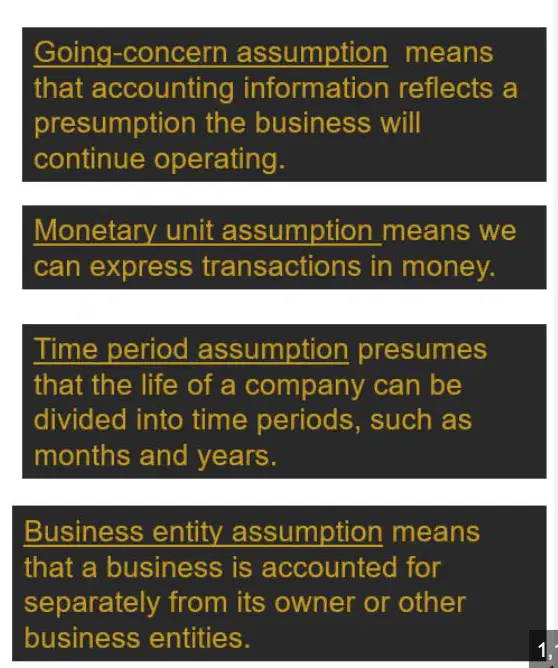
Which accounting principle requires that financial records be kept separate from the owner's personal records?
Going Concern
Monetary
Historical Cost
Economic/Accounting Entity
Liabilities are amounts owed by a business to outsiders.
True
False
The Monetary principle requires that all transactions be recorded in Australian dollars only (AUD).
True
False
What is the significance of the 'Going Concern' principle in accounting?
The (a) statement measures the profit or loss for a period.
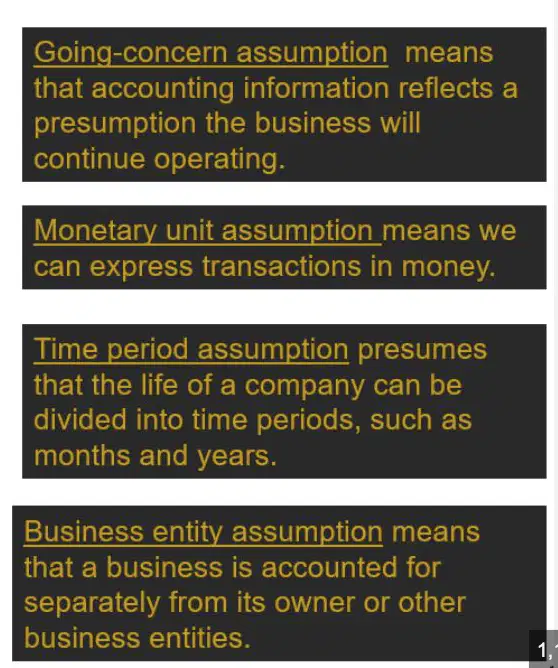
The assumption of (a) requires that financial records must be kept separate from the owner’s personal records to ensure the business is considered a separate entity.
The (a) reports the financial position of a business at a specific point in time.
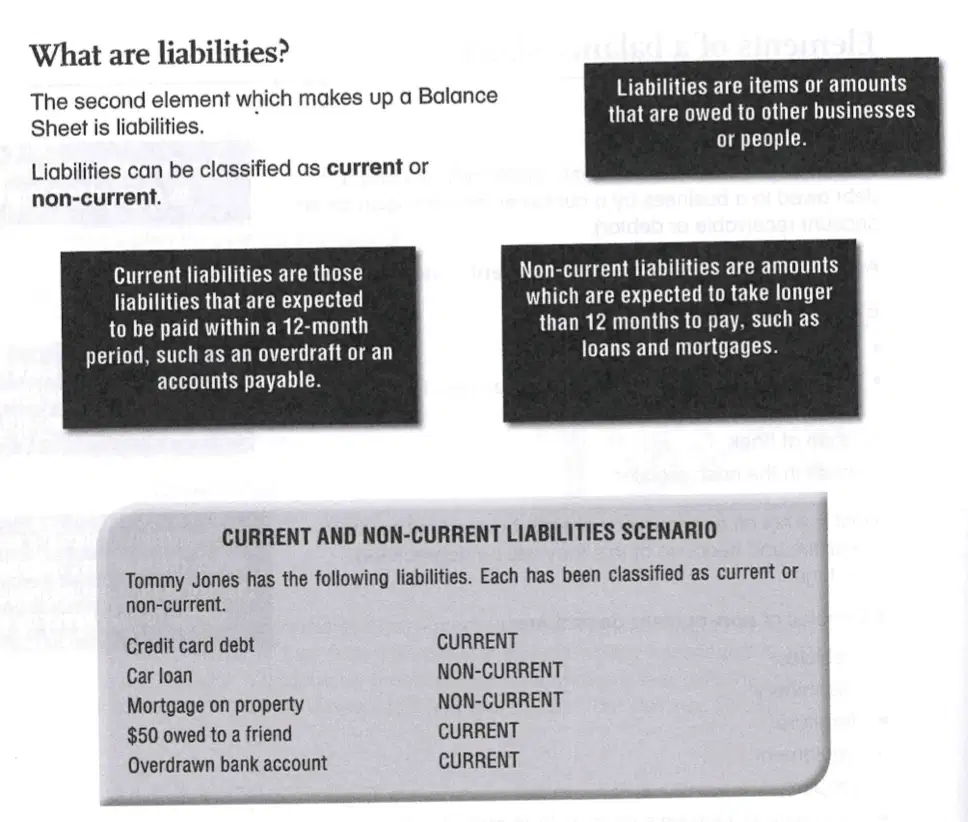
What does 'Accounts Payable' represent in accounting?
Money owed by the business for goods or services that the business bought on credit
Income received for renting out a building
Money owed to the business for goods or services that the business sold on credit
Cost paid to rent a building
What account type does 'Inventory' belong to?
Liability
Asset
Expense
Revenue
What does 'Capital' represent in accounting?
Money owed by the business for goods or services that the business bought on credit
The amount the owner invests in the business
Income earned from the sale of goods
An income received from the bank for saving money
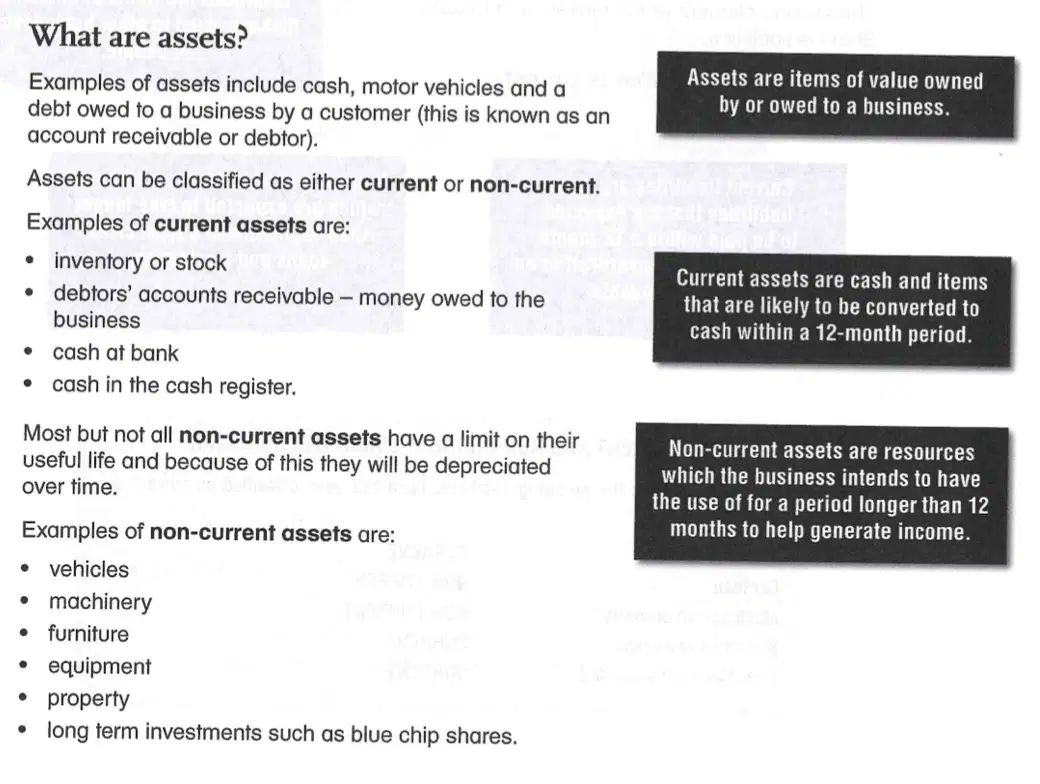
What does 'Accounts Receivable' represent in accounting?
Cost paid to rent a building
Money owed to the business for goods or services that the business sold on credit
Income received for renting out a building
Money owed by the business for goods or services that the business bought on credit
What does 'Drawings' represent in accounting?
When the owner withdraws money from the business for personal use
Items that the business owns to sell
A cost paid when borrowing money from the bank
An income received from the bank for saving money
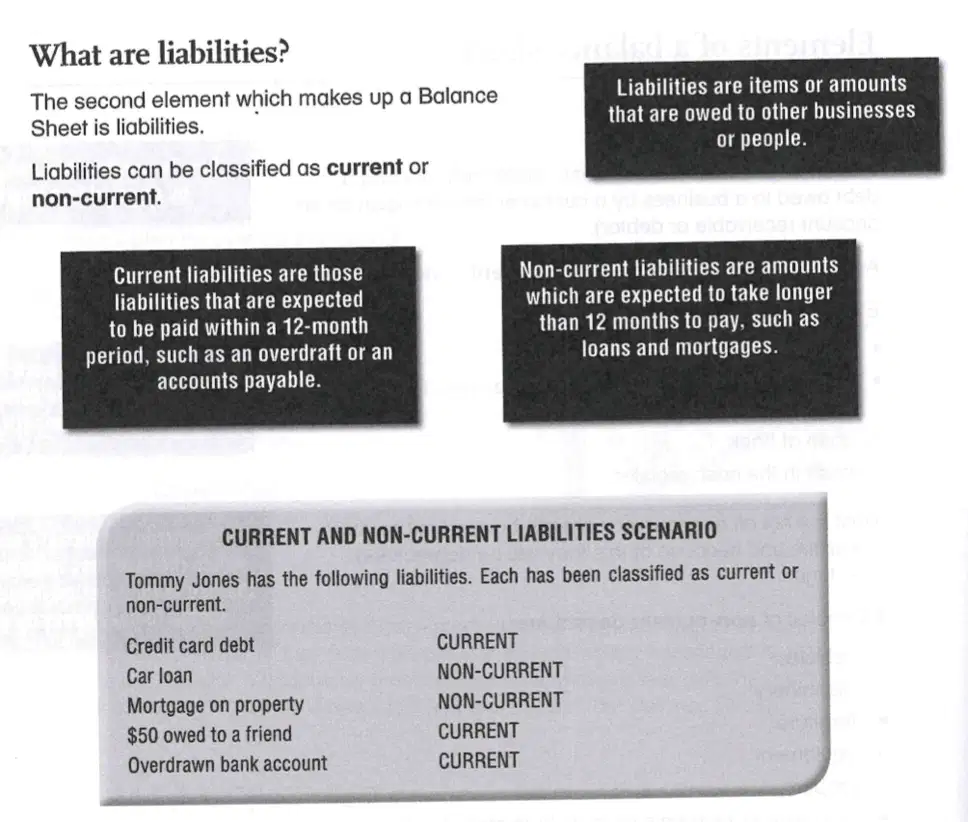
Supplies purchased on account (accounts payable) that will be paid for at a later date is a liability.
Equity
How will you calculate profit?
Income - Expenses
Income + Expenses
Income x Expenses
Capital - Expenses
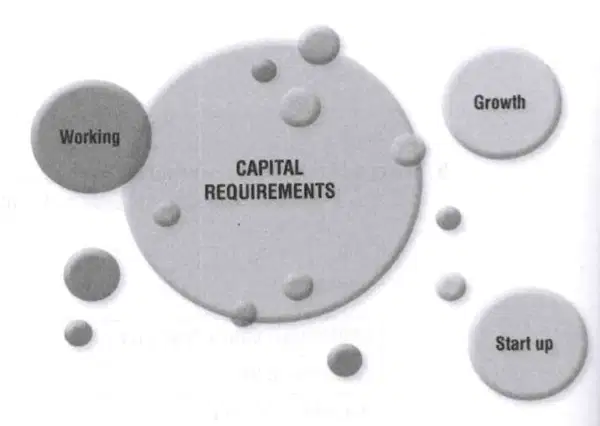
(a) capital is needed to purchase or begin a business
(a) capital is required to pay for everday costs

