
 Worksheets
Water and Life
Total questions: 66
Worksheet time: 3hrs 18mins

How does water flow through a plant (from entry to exit)?
stem-root-leaves
leaves-stem-root
root-stem-leaves
root-leaves-stem

Water absorbed by roots through a process called...
difussion
osmosis
respiration
photosynthesis

What are the products (result) of photosynthesis?
Carbon dioxide and water
Oxygen and glucose
Carbon dioxide and oxygen
Glucose and carbon dioxide

Which substance(s) enter the leaf as an ingredient for photosynthesis?
Glucose
Oxygen
Water
Carbon Dioxide
This gas is used by plants in photosynthesis
Nitrogen
Helium
Oxygen
Carbon dioxide
This gas is made by plants in photosynthesis
Nitrogen
Carbon dioxide
Helium
Oxygen
Plants get their water for photosynthesis from here
soil
air
river
pond
This green pigment absorbs energy from sunlight
chloroplast
chlorophyll
chromosome
chloramphenicol
This tissue in leaf is where most photosynthesis takes place
cuticle
lower epidermis
palisade mesophyll
spongy mesophyll
These tiny holes in a leaf allow gases to move in and out
stroma
thylakoid
cuticle
stomata
Describe how a plant obtain water
Describe how water is transported to the leaves of the plant
Water is transported from roots to shoots and leaves in:
Xylem
Phloem
Stomata
Cholorophyll
What is transpiration?
The evaporation and diffusion of water from inside leaves
The uptake of water through root hair cells
The loss of water from leaves by osmosis
The uptake of water through stem cells
What happens to the transpiration rate as light intensity increases?
It changes
It stays the same
It decreases
It increases
What happens to the transpiration rate as temperature increases?
It stays the same
It changes
It increases
It decreases

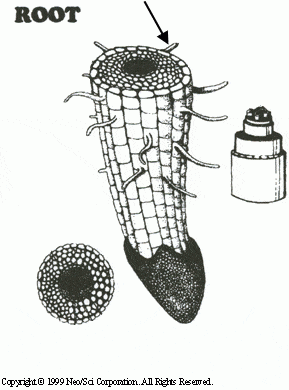
Look at the diagram above!
the function of the structure A is ....
transfer glucose
transfer carbon dioxide
transfer soil
transfer water
How do water enter the roots from the soil?
diffusion
osmosis
transpiration
active transport
Select all the functions that the root of a plant has:
food storage for the plant
anchors the plant to the ground
absorb water and minerals from the soil
keeps the plant alive in difficult conditions, when the above-ground parts die
Root hairs cells are specialised cells for plant growth because
they keep growing until they reach water and nutrients
they have a large surface area to allow for greater photosynthesis
they have a large surface area for absorbing water and nutrients
they keep growing until they reach sunlight for photosynthesis
Give two examples of mineral salts that are needed by plants!
Explain why a plant that does not have enough magnesium will not grow well?!
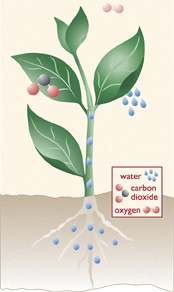
Water and minerals move in which direction within the plant
Upward
Down
Where does sugar transport begin?
Roots
Leaves
Root hairs
Vascular bundles
Three main things plants need to survive.
sunlight, oxygen, soil
soil, carbon dioxide, sunlight
sunlight, air, soil
sunlight, carbon dioxide, water
What role does the skin have in the excretory system?
Removing dead skin cells
Removing old hair follicles
Removing liquid waste in sweat
Protecting against infection
What organ is responsible for filtering the blood?
Lungs
Bladder
Kidneys
Heart
Which excretory organ eliminates water and some chemical wastes in perspiration (sweating)?
lungs
skin
liver
kidneys

Identify the structure labelled "A" in the diagram.
Kidney
Ureter
Bladder
Urethra
Identify the structure labelled "B" in the diagram.
Kidney
Ureter
Bladder
Urethra
Identify the structure labelled "C" in the diagram.
Kidney
Ureter
Bladder
Urethra
Identify the structure labelled "D" in the diagram.
Kidney
Ureter
Bladder
Urethra
All of these structures combined make up which system?
Integumentary System
Digestive System
Urinary System
Immune System

What gas do we breath out as waste?
Nitrogen
Oxygen
Hydrogen
Carbon Dioxide
Which organ filters blood?
Kidneys
Large Intestine
Lungs
Bladder
How many kidneys do you have?
1
3
5
2
True or False:
Kidneys filter waste from blood.
True
False

Select all the functions that the root of a plant has:
food storage for the plant
anchors the plant to the ground
absorb water and minerals from the soil
keeps the plant alive in difficult conditions, when the above-ground parts die
What type of bond is found BETWEEN water molecules?
hydrogen bonds
ionic bonds
nonpolar covalent bonds
polar covalent bonds

Which of the following can water NOT dissolve?
Salt
Sugar
Oil
Baking Soda
What is the correct chemical formula for water?
H2O
HO2
H2O2
2H1O
At what temperature does water Freeze?
0o C
100o C
32o C
-273o C
At what temperature does water Boil?
0o C
100o C
32o C
212o C

