
 Worksheets
Fitness and nutrition
Total questions: 87
Worksheet time: 43mins
Which of the following is NOT a good way to prevent dehydration?
Drink lots of caffeinated liquids
Take a drink of water every 15 minutes of exercise
drink at least ten eight ounce cups of water a day
Eat lots of fresh fruits and vegetables
The only healthy way to lose or gain weight is to
Not eat breakfast
Eat Healthy and play video games
Exercise and eat simple carbohydrates
Eat healthy AND exercise
Which of the following is considered a bad fat?
Monosaccharide
Unsaturated fat
Saturated fat
Carbohydrate

The ability of the heart and lungs to supply blood to the working muscles (to give them oxygen) in order to sustain exercise.
Muscular Endurance
Muscular Strength
Cardiovascular Endurance
Improving Muscular Strength

"The ability to exert a force against a resistance".
Put simply, strength is a measure of how much force your muscles can exert.
Cardiovascular Endurance
Muscular Strength
Muscular Endurance
Body Composition


The range of motion around a joint.
Flexibility
Body Composition
Improving Flexibility
Muscular Strength


The ability to control or stabilize your body when standing still or moving.
Coordination
Balance
Agility
Reaction Time
Which of the following activities does NOT use power?
Getting off of a football line
Lifting weights
A track start
Walking
Which of the following is an example of Speed?
Stretching
Playing a card game
Running
What is the ability to use the senses together with body parts during movement.
Balance
Coordination
Jogging in place
What is reaction time?
The time it takes for a person to recover from an injury.
The time it takes for a person to fall asleep.
The time it takes for a person to complete a task.
The time it takes for a person to respond to a stimulus or event.
What are some exercises that can help improve reaction time?
Doing crossword puzzles
Taking long walks
Listening to music
Some exercises that can help improve reaction time include: playing sports that require quick reflexes, such as tennis or basketball; practicing hand-eye coordination exercises, such as juggling or catching a ball; using reaction time training apps or games; and performing exercises that improve overall coordination and agility, such as ladder drills or agility ladder exercises.
What are some sports that require quick reaction time?
golf
yoga
tennis, basketball, boxing, table tennis, badminton
swimming
The ability to use the senses and body parts in order to perform motor tasks smoothly and accurately.
Reaction Time
Agility
Coordination
The ability to reach or respond quickly to what you hear, see or feel.
Reaction time
Balance
Power
The amount of time it takes the body to perform specific tasks.
Balance
Speed
Coordination
The ability to move quickly and easily.
Agility
Balance
Coordination
What are the health related fitness components?
Cardiovascular endurance, muscular endurance, muscular strength, flexibility, body composition.
Agility, Balance, Coordination, Speed, Reaction Time, Power
What are the skill related fitness components?
Cardiovascular endurance, muscular endurance, muscular strength, flexibility, body composition
Agility, Balance, Speed, Coordination, Power, Reaction Time

What skill- related fitness component is emphasize in the picture?
Reaction time
Speed
Power
Balance

What skill- related fitness component does the picture show?
Speed
Coordination
Balance
Power
This is the ability to change and control the direction and position of the body while maintaining a constant, rapid motion.
Agility
Power
Coordination
Balance
Mason wants to start a physical fitness program to help him get in shape. What activities should he practice for flexibility?
stretching exercises
cardiovascular exercises
resistance exercises
calisthenics
The amount of force that a muscle can produce
Muscular strength
Muscular strength endurance
Power
Speed
The ability to perform moderate to vigorous levels of activity and respond to physical demands is known as
Exercise
Physical fitness
Physical activity
Cardio respiratory fitness
What is one important thing protein does for the body?
A. helps make bones strong
B. keeps us from getting cold
C. helps build muscles
How much water does our body have?
50%
90%
75%
100%
Are AEROBIC exercises for a LONG duration or SHORT duration?
LONG
SHORT
Which type of exercise is best for building muscle and strength?
Aerobic
Anaerobic

Which type of exercise is jogging?
Aerobic
Anaerobic

Which type of exercise is weightlifting?
Aerobic
Anaerobic


Muscular Endurance is defined as:
Getting Big
Ability of a muscle to exert submaximal force repeatedly over time
Ability of a muscle to exert maximum force against resistance
None of the above
Agility is a _______________ fitness component.
health-related
skill-related
The ability to move quickly and easily?
speed
coordination
Agility
Sometimes
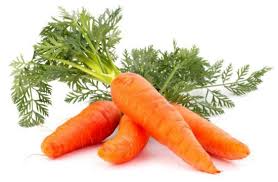
What food group is the above food in?
Dairy
Vegetable
Fruit
Protein
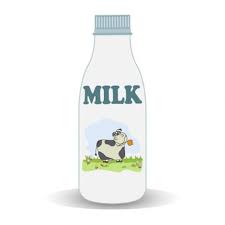
What food group is the above food in?
Vegetable
Fruit
Grain
Dairy
Which of the following foods is not a grain source?
Brown Rice
Nuts
Wheat Bread
Spaghetti
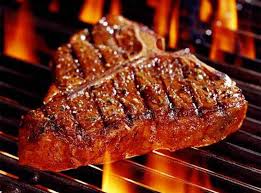
What food group is the above food in?
Grain
Protein
Vegetable
Dairy
Nutrient dense foods are....(choose 2 answers)
Full of calories without many nutrients
Usually healthy foods
Full of nutrients and some calories
Usually unhealthy foods
Which nutrient is the main energy source for organisms?
carbohydrate
protein
vitamins
water
Which nutrient is important in helping the body repair damaged tissue and also helps in growth?
carbohydrate
protein
vitamins
water

When you gradually increase the intensity and duration of your activity, which fitness principle are you following?
Overload
Progression
Balance
Variety


The ability to keep the body stable, when still or moving is called
agility
balance
power
speed
Which of these athletes needs the MOST amount of cardio respiratory endurance?


The percentage of body weight which is fat, muscle and bone is called
body composition
flexibility
balance
agility
Joycelyn goes to the studio for Yoga class. What Health Related Fitness Component is she working on?
muscular strength
flexibility
cardio respiratory endurance
agility
Joey goes for 45 minute bike ride. What Health Related Fitness Component is he working on?
muscular strength
cardio respiratory endurance
flexibility
power
The ability of a muscle to repeatedly use force over a period of time
muscular strength
muscular endurance
flexibility
heart and lung endurance
Coordination is the ability to select the right muscle at the right time with proper intensity to achieve proper action.
True
False
You should warm-up before exercising.
True
False
The ability of your muscles to exert force is called...
Stamina
Physical Activity
Strength
Exercise
The ability to keep up a physical activity without becoming tired; helps build stamina is called...
Endurance
Flexibility
Strength
Exercise
The ability to stick with an activity for a long period of time is called...
Stamina
Physical Activity
Exercise
Strength
A condition caused by the loss of too much water is called...
Stamina
Strength
Dehydration
Physical Activity
An activity that prepares your body for exercise is called...
Cool-Down
Warm-up
Heart Rate
Physical Activity
A gentle activity that slows you down after exercise is called...
Warm-up
Prevention
Heart Rate
Cool-Down

