Worksheets
CORE 2 - Body Systems
Total questions: 72
Worksheet time: 24mins
What type of bone tissue forms the actual shaft of long bones?
Cancellous bone
Compact bone
Spongy bone
Articular cartilage
What is the function of bone marrow?
Provides structure to the bone
Contains blood vessels, fat, and blood-forming tissue
Forms the outer part of the bone
Prevents jarring of bones
What is the purpose of directional terms in anatomy?
To identify the location of bones
To describe the shape of bones
To explain the function of bones
To classify types of bones
Which bone is found in the hand?
Metacarpals
Tarsal bones
Patella
Fibula
Which bone provides attachment between the shoulder girdle and the vertebral column?
Scapula
Clavicle
Humerus
Radius
Which bone is the major long bone in the upper arm?
Radius
Ulna
Humerus
Clavicle
What is the function of the ulna?
Provides structure to the forearm and allows it to rotate on the elbow joint
Provides mobility to the shoulder joint
Allows the arm to attach to the trunk portion of the skeleton
Supports the weight of the upper body
What is the primary function of synovial fluid?
To connect bones
To act as a lubricant and cushion between joint surfaces
To provide structural support to muscles
To produce red blood cells
What does synovial fluid carry away from the joint?
Nutrients
Waste products
Oxygen
Red blood cells
What is the main component of the joint capsule?
Tendons
Ligaments
Synovial fluid
Cartilage
What is the example of dorsi flexion?
Pointing toes to the ground
Twisting ankle out
Raising toes upwards
Palm facing up
What is the primary role of muscles in the human body?
To push
To contract
To relax
To expand
What is the origin of the triceps muscle?
Sternum, clavicle
Scapula, humerus
Base of skull
Posterior surface of pelvis
Which muscle contracts during the flexion of the arm?
Biceps
Triceps
Deltoid
Pectoralis major
What is the purpose of the table in the application section?
To list different sports
To list different types of muscle contractions
To list movements, bones involved, muscles and their roles, joint action, and type of contraction
To list dietary requirements
What is the function of the deltoid muscle?
Flexes the forearm
Extends the leg
Abducts the arm
Rotates the trunk
Which type of joint is found in the shoulder?
Hinge joint
Ball and socket joint
Pivot joint
Gliding joint
What is the primary function of red blood cells?
To fight infections
To carry oxygen
To clot blood
To provide energy
What is the primary function of ligaments?
To connect muscles to bones
To connect bones to other bones
To produce synovial fluid
To provide cushioning between joints
Which bone is the major long bone in the thigh?
Femur
Tibia
Fibula
Patella
What is the primary function of the quadriceps muscle group?
Flexes the knee
Extends the knee
Rotates the hip
Abducts the thigh
Which type of joint is found in the elbow?
Ball and socket joint
Hinge joint
Pivot joint
Gliding joint
Which type of bone is primarily found in the skull?
Long bone
Short bone
Flat bone
Irregular bone
What is the function of the patella?
Protects the knee joint
Supports the weight of the upper body
Allows for rotation of the forearm
Connects the ribs to the sternum
Which bone is the major long bone in the lower leg?
Femur
Tibia
Fibula
Patella
Which type of joint is found in the knee?
Ball and socket joint
Hinge joint
Pivot joint
Gliding joint
Which type of joint is found in the hip?
Ball and socket joint
Hinge joint
Pivot joint
Gliding joint
What is the primary function of the hamstring muscle group?
Flexes the knee
Extends the knee
Rotates the hip
Abducts the thigh
Which muscle is primarily responsible for the extension of the elbow?
Biceps
Triceps
Deltoid
Pectoralis major
Which type of joint is found in the wrist?
Ball and socket joint
Hinge joint
Pivot joint
Gliding joint


Which type of bone is the carpal bone classified as?
Long bone
Short bone
Flat bone
Irregular bone
Part of the bone that has compact bone. It is called the shaft of the long bone.
epiphysis
cancellous
diaphysis
osseous
The tough layer of connective tissue surrounding the bone and allowing for attachment to tendons and ligaments is called what?
Diaphysis
Epiphysis
Epiphyseal Plate
Periosteum

The bone at label (e) is an example of which type of bone?
Irregular bone
Long bone
Sesamoid bone
Short bone
Which of the following are examples of short bones?
Femur and tibia
Carpals and tarsals
Radius and ulna
Scapula and clavicle
Which of the following are examples of flat bones?
Femur, Tibia
Humerus, Radius
Skull, Ribs, Sternum
Carpals, Tarsals
Which of the following is an example of an irregular bone?
Femur
Skull
Vertebrae
Radius
What are the three types of muscle tissue?
The three types of muscle tissue are skeletal, cardiac, and smooth muscle.
Round, square, triangle
Hard, soft, medium
Red, blue, green
Which of the following descriptions explains the role of muscles in body movement?
Muscles are responsible for generating force and producing movement by contracting and relaxing.
Muscles only provide support for the body
Muscles have no role in movement
Muscles are only responsible for maintaining body temperature
What is the main function of smooth muscle tissue?
To support and protect internal organs
To produce voluntary movements
To control the contraction of internal organs, such as the intestine and blood vessels
To regulate body temperature
What is the difference between voluntary and involuntary muscle movements?
Voluntary muscle movements occur only during sleep, while involuntary muscle movements occur during wakefulness.
Voluntary muscle movements are faster than involuntary muscle movements.
Voluntary muscle movements are under conscious control, while involuntary muscle movements occur without conscious control.
Voluntary muscle movements are only found in the arms and legs, while involuntary muscle movements are found in the torso.
What is the function of tendons in the muscular system?
Tendons in the muscular system function to connect muscles to bones, allowing for movement and stability.
Tendons in the muscular system function to produce hormones
Tendons in the muscular system function to regulate body temperature
Tendons in the muscular system function to store excess fat
After exercising for a long time without rest, the effectiveness of muscle contractions:
Increases
Decreases
Does not change
Heats up
What type of muscle is under conscious control?
Skeletal
Cardiac
Involuntary
Smooth
What are the functions of the muscular system?
allows the body to move
digest food
pumps blood around the body
allows the body to stand upright
all of the above
The main muscles of the inner thighs
triceps brachii
adductors
quadriceps femoris
hamstrings
The large triangular muscle in the lower back
adductor
epicranius
latissimus dorsi
adductor
The antagonists of the quadriceps, located in the posterior thigh
latissimus dorsi
quadriceps femoris
hamstrings
tibialis anterior
The prime mover in forearm extension
biceps brachii
triceps brachii
adductors
tibialis anterior
Which component of blood plays a role in the clotting of blood?
Plasma
Erythrocytes
Platelets
Leucocytes
Which blood vessel type is responsible for returning blood at low pressure to the heart?
Artery
Capillary
Vein
Arteriole
What is the name of the liquid part of the blood?
serum
plasma
hemoglobin
platelets
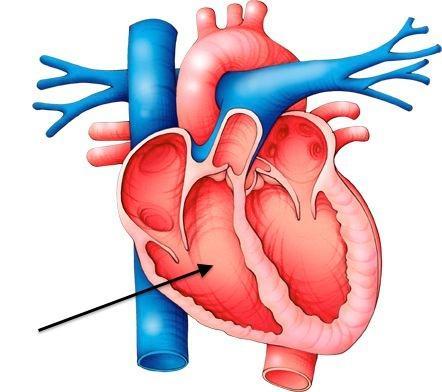
What is the name of the valve that separates the left atrium and left ventricle in the heart?
pulmonary valve
mitral valve
tricuspid valve
aortic valve
What is the name of the large blood vessel that carries oxygenated blood away from the heart?
artery
capillary
aorta
vein
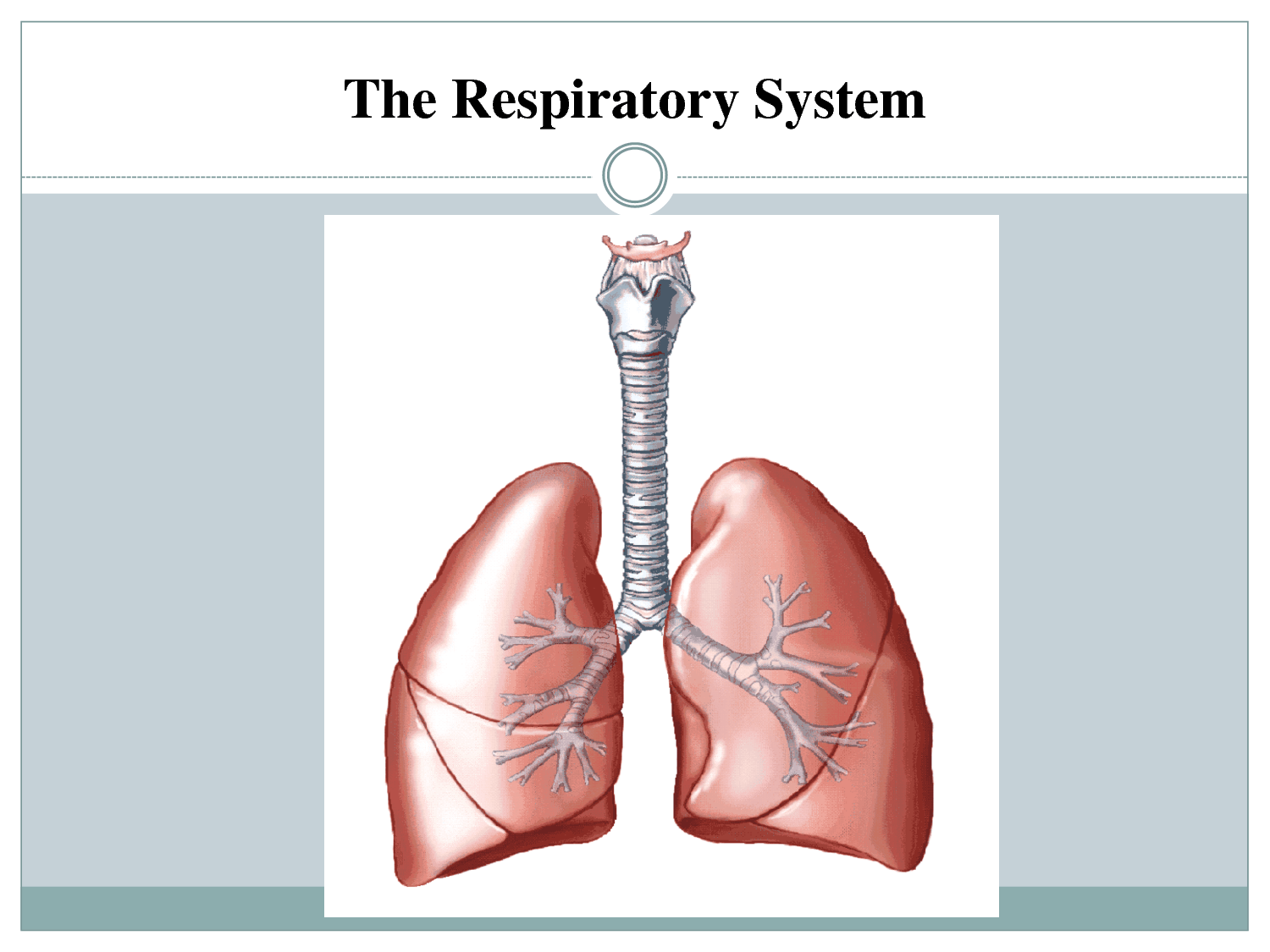
What is the name of the small air sacs in the lungs where gas exchange occurs?
trachea
pleura
bronchioles
alveoli
What is the main function of the respiratory system?
Produce hormones
Facilitate gas exchange
Filter waste products
Regulate body temperature
Which organ is responsible for the exchange of oxygen and carbon dioxide in the body?
heart
stomach
liver
lungs
Your heart is a _____________.
tube
muscle
vein
Type of circulation that refers to blood flow from the heart to the lungs and back to the heart again?
Systemic circulation
Renal circulation
Portal circulation
Pulmonary circulation
Type of circulation that refers to the blood flowing through the entire body?
Systemic circulation
Renal circulation
Portal circulation
Pulmonary circulation

The main vein(s) that brings blood to the right atrium?
Aorta
Pulmonary veins
Superior and Inferior vena cava
Jugular vein