
Font size
 Worksheets
#2 Personal Finance Basics
Total questions: 41
Worksheet time: 23mins
The primary purpose of a spending plan is to achieve which of the following goals?
Create a document you can send to your credit card company when you want to increase your spending limit
To give to the bank to keep on file so you can have a checking account with them
To help you see the amount of income you have each month, pay all of your expenses, and put money into savings
To remind yourself you will never get ahead when things become difficult
Which of the following is NOT a way to earn income?
Part-time or full-time job
Doing chores for your neighbor
Volunteering at church
Earning interest on a savings account
A monthly utility bill is an example of which of the following expenses?
Discretionary
Fixed
Variable
Secure
A rent payment is an example of which type of expense?
Discretionary
Fixed
Variable
Secure
Donating to the local animal shelter is an example of which of the following types of expenses?
Discretionary
Fixed
Variable
Secure
Why do stores intentionally put small and inexpensive items near the checkout lines?
So shoppers will buy them without much thought
To allow more room in other areas of the store
So shoppers will not get bored standing in line
To allow less clutter in the aisles
Which of the following types of goals best describes something you can achieve in more than 12 months, but less than five years?
Short-term goals
Intermediate goals
Long-term goals
Future goals
Which of the following types of goals best describes something you can achieve in more than five years?
Short-term goals
Intermediate goals
Long-term goals
Future goals
Which of the following types of goals best describes something you can achieve in less than 12 months?
Short-term goals
Intermediate goals
Long-term goals
Future goals
Which of the following is the first step in developing your goals?
Identify your personal goals
Prioritize your personal goals
Develop a plan of action to achieve your personal goals
Determine your personality
Which of the following should NOT be considered when choosing a bank?
Fees you will be charged for the services you use
The location of the bank in relation to where you live and work
The type of services offered
The size of the bank
Which type of bank is most widely used?
Commercial banks
Credit unions
Brokerage firms
Virtual banks
Which type of bank has customers who are also owners?
Commercial banks
Credit unions
Brokerage firms
Virtual banks
Which type of bank offers full investment services as its main business?
Commercial banks
Credit unions
Brokerage firms
Virtual banks
Which type of bank does not have an actual physical location?
Commercial banks
Credit unions
Brokerage firms
Virtual banks
Which of the following is NOT an item you need to take with you when you open a new account?
Photo ID which includes your signature
Tax identification card
Money to deposit
Proof of an account at another bank
Of the following, which type of identification can you use for your tax identification number?
Social Security card
Driver’s license
Birth certificate
Marriage license
Which of the following is an acceptable form of a photo ID?
Birth certificate
Student ID
Senior pictures
Sports cards
Who can sign up for online banking and a debit card?
Bank tellers
President of the bank
Customers
Accounts manager
When opening a new account, you are most likely to deal with which member of the following group?
Loan officer
Inside bank teller
New accounts manager
Online application
What is the purpose of providing a bank statement to a customer?
To provide tax information throughout the year
To provide a snapshot of activity on the account during a specific time period
To make sure the customer has not withdrawn money from an account which isn’t his/hers
To help a customer see his/her budget
Which of the following is NOT one of the main components of a bank statement?
The opening balance
The closing or ending balance
Listing of deposits made during the previous three months
Listing of withdrawals made during the previous one month
You should keep all deposit receipts as well as receipts for purchases until which of the following happens?
Reconciliation process
Tax time
Budget process
Opening balance process
Why is the closing date listed at the top of your statement important information?
It provides you with a cutoff date for transactions included in the statement.
It lets you know if you have closed the account.
It is provided so the bank will know what date the statement was mailed.
It provides a way to organize your files.
The opening balance of your most recent statement should equal which of the following?
Closing balance of your last statement
Closing balance of your next statement
Opening balance of your next statement
No balance should equal the opening balance
The phrase “take-home pay” refers to which of the following?
Money employers pay on behalf of employees for taxes
Money paid to the employee after taxes
Money paid to the employee before taxes
Money paid by the employee to the IRS
If you have $350 income as your “take-home pay”, you have fixed and variable expenses of $275 and you pay $25 into your savings account, how much will you have as discretionary income?
$100
$25
$0
$50
Which of the following is the last step in developing your goals?
Identify your personal goals
Prioritize your personal goals
Develop a plan of action
Determine your personality
How often can you change your goals?
Never
As often as desired or as needed
Only once in a lifetime
Every six months
When you receive your paycheck through direct deposit, what does this mean?
You took the check to the teller inside the bank
You mailed the check to the bank, along with a completed deposit slip
Your employer deposited your check electronically into your account
Your money is used directly to pay bills
Which of the following services takes money out of your account at the time a purchase is made?
Debit card
Credit card
Gift card
Rewards card
Which of the following services is used to move money between a checking and a saving account?
Automatic transfer
Online bill pay
Direct deposit
Debit card
Which of the following is NOT one of the acceptable forms of initial deposit?
Cash
Cashier’s check
Money order
Check card
Checks or debit purchases you have made, but do not show up on your bank statement are referred to as which of the following?
Non-reconciled
Outstanding
Cleared
Completed
Which of the following should you do after you reconcile your statement?
Keep your receipts for five years.
Shred all receipts.
Throw away all receipts.
Make copies of all receipts.
Anything that you spend money on.
income
expense
deposit
withdrawal
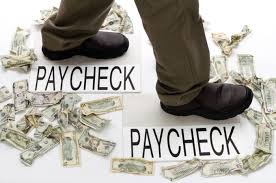
What is a reason for why so many Americans live paycheck-to-paycheck?
Many people are paying themselves first and then spending
Many people only buy what they NEED, not what they WANT
Many people impulse shop
Many people spend within their budget

When we budget or buy things what do we need to know?
How much you will get paid next week.
How much money you have
Weekend plans
Kylie plans on using the 50/30/20 rule for budgeting. How will she split her budget?
50% needs, 30% wants, 20% savings
50% budget, 30% needs, 20% wants
50% saving, 30% needs, 20% wants
$50 needs, $30 wants, $20 savings
Making a ________ helps you see how much $ you have and decide how much you can spend.
savings account
job
check book
budget

