
 Worksheets
Review Chapter 2
Total questions: 47
Worksheet time: 26mins
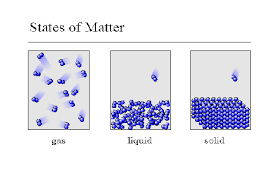

Particles of a liquid
are tightly packed together and stay in a fixed position.
are free to move around one another but still touch.
The slower the particles in a substance move,
the colder it is.
the warmer it is.
the more energy it has.
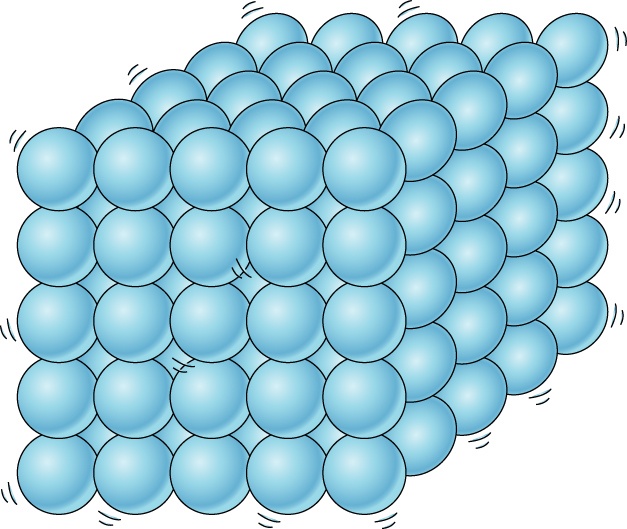
What state of matter?
Solid
Liquid
Gas
Plasma!!!
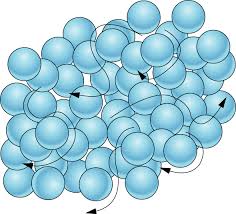
What state of matter?
Solid
Liquid
Gas
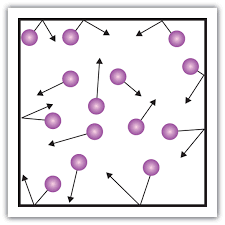
What state of matter?
Solid
Liquid
Gas
What is the phase change of a solid to a liquid?
freezing
melting
boiling
condensation
Change from Liquid to Solid is called ...
fusion
Freezing
sublimation
evaporation
Change from liquid to gas is called....
expansion
evaporation
condensation
sublimation
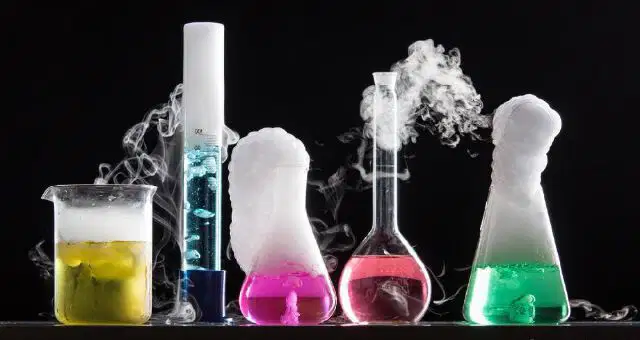
What is a chemical reaction?
A chemical reaction is a biological process.
A chemical reaction is a physical change in matter.
A chemical reaction is a process that leads to the transformation of one set of chemical substances to another.
A chemical reaction is a mathematical equation.
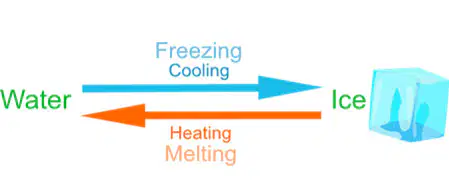
Give an example of a reversible reaction.
Photosynthesis
Rusting of iron
Formation of water from hydrogen and oxygen gas
Combustion of wood
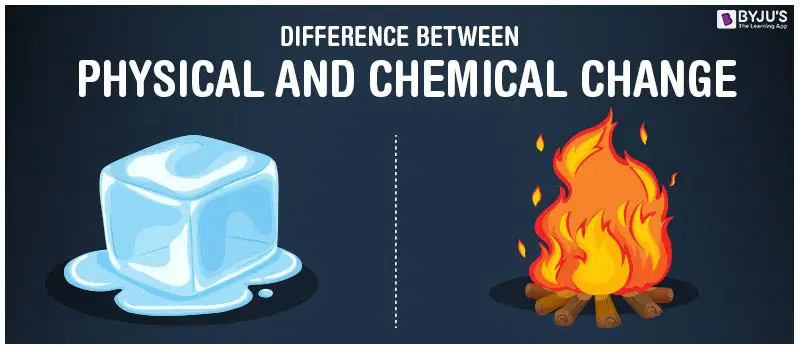
Explain the difference between a physical change and a chemical change.
Physical changes involve a change in color, while chemical changes involve a change in state.
Physical changes are reversible and do not involve the formation of new substances, while chemical changes are irreversible and result in the formation of new substances.
Physical changes are irreversible and result in the formation of new substances, while chemical changes are reversible and do not involve the formation of new substances.
Physical changes always involve a change in temperature, while chemical changes do not.
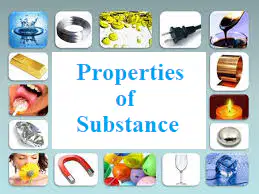
What are the properties of a substance?
Color and shape
Taste and smell
Size and weight
Physical and chemical characteristics
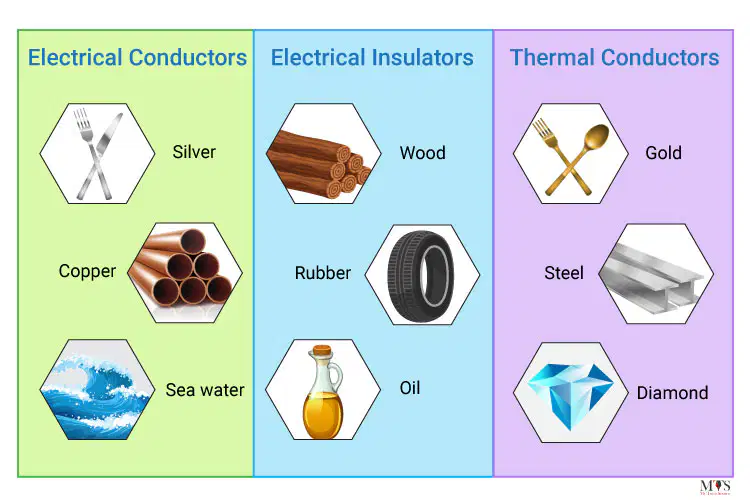
How do thermal conductors differ from electrical conductors?
Thermal conductors transfer heat, while electrical conductors transfer electricity.
Thermal conductors transfer electricity, while electrical conductors transfer heat.
Thermal conductors do not transfer any form of energy, while electrical conductors transfer electricity.
Thermal conductors transfer light, while electrical conductors transfer sound.
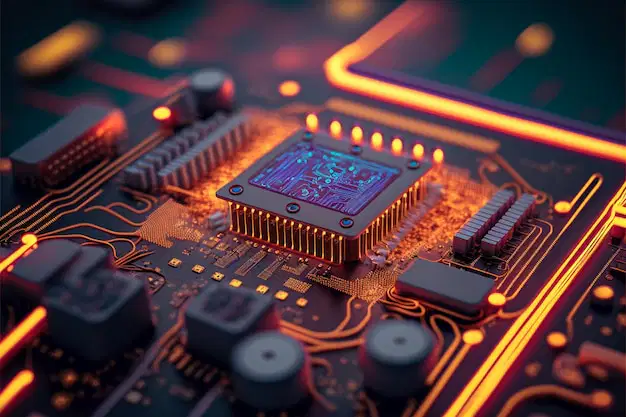
Describe an experiment to test the conductivity of a material.
Submerge the material in water and observe if it floats or sinks
Set up a circuit with a power source, wires, the material to be tested, and a light bulb or multimeter. Pass electricity through the material and observe if the light bulb lights up or the multimeter shows a reading.
Rub the material with a magnet to test its conductivity
Place the material in a microwave and see if it heats up
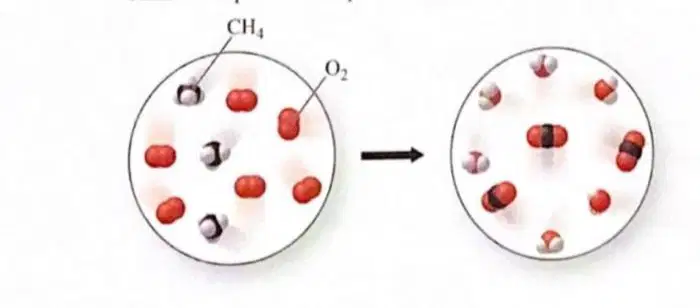
What happens during a chemical reaction at the molecular level?
Electrons change color
Atoms disappear and reappear
Bonds between atoms are broken and new bonds are formed.
Molecules are created out of thin air
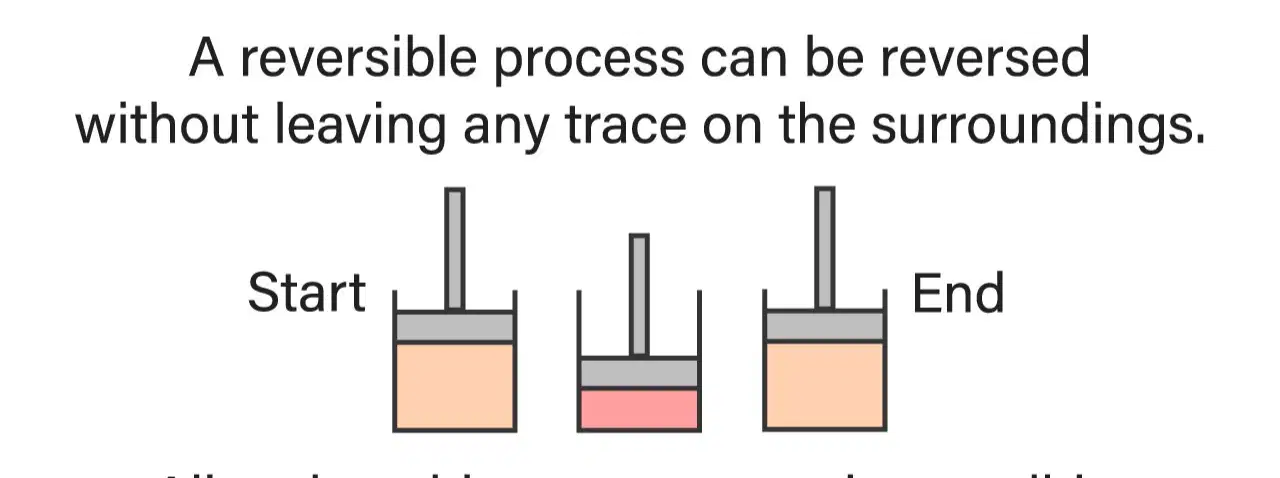
How can you identify if a reaction is reversible?
Check if the reaction can proceed in both the forward and reverse directions by observing if the products can react to form the original reactants.
Determine if the reaction rate is slow
Check if the reaction produces a single product
Observe if the reaction only occurs in one direction
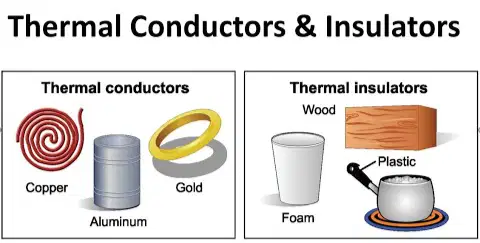
Give an example of a substance that is a good thermal conductor.
Copper
Rubber
Wood
Plastic
What does the temperature at which a substance changes state represent?
Its density
Its volume
Its property
Its color

Which of the following is a difference between boiling and evaporation?
Boiling occurs only on the surface, while evaporation occurs throughout the liquid.
Boiling requires higher temperatures than evaporation.
Boiling is a slow process, while evaporation is rapid.
Boiling and evaporation are the same process.
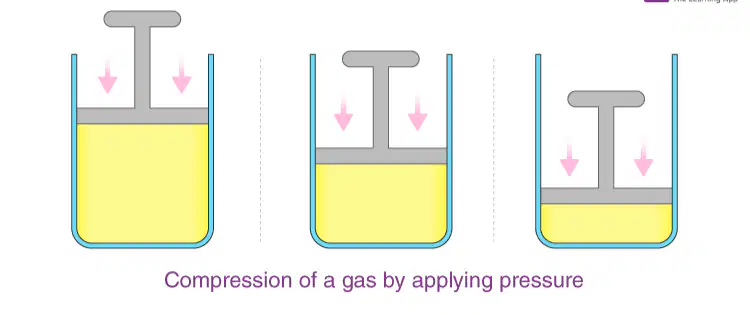
Which property do gases possess?
has weight
has density
has temperature
has volume
What are electrical conductivity and thermal conductivity examples?
Chemical properties
Physical properties
Biological properties
Mechanical properties
What are reversible physical changes characterized by?
Being irreversible
Being permanent
Being unpredictable
Being temporary
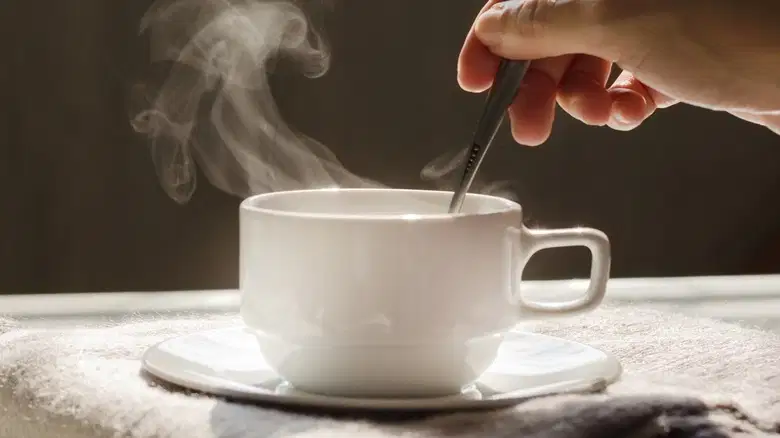
How does an increase in temperature affect the dissolution of solids in liquids?
It decreases the rate of dissolution.
It does not affect the rate of dissolution.
It increases the rate of dissolution.
It changes the state of the solid to a gas.
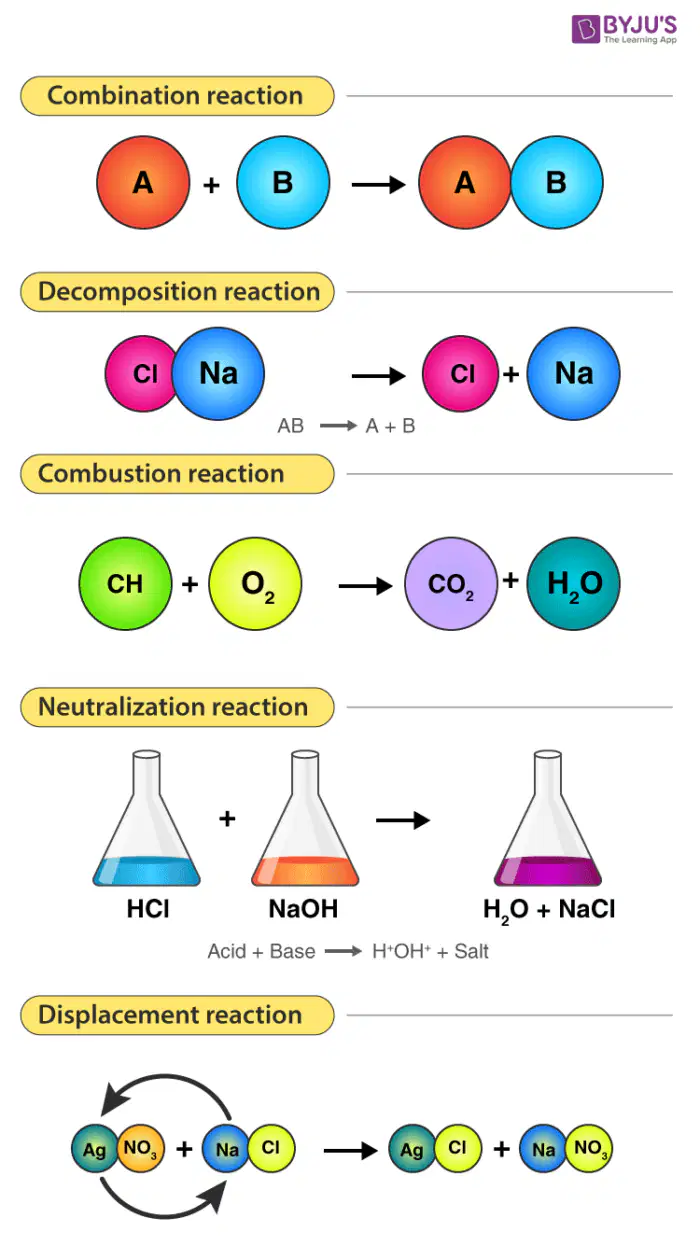
What do chemical reactions involve?
Only liquids
Only solids
Only gases
Substances interacting to form new substances
What evidence indicates that a chemical reaction has occurred?
A gas being produced
A change in shape
A change in texture
A change in volume
When cooking gas burns in oxygen, carbon dioxide and water formed. Which is reactant?
Water
Oxygen
Heat
Carbon dioxide
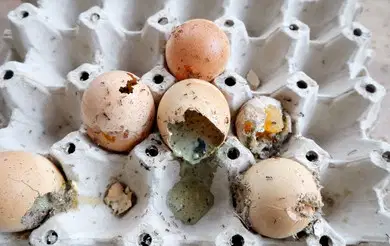
Eggs rotting is an example of chemical reactions because...
A gas that smells bad formed
The egg shrinks
The egg yolk and egg white separate from each other
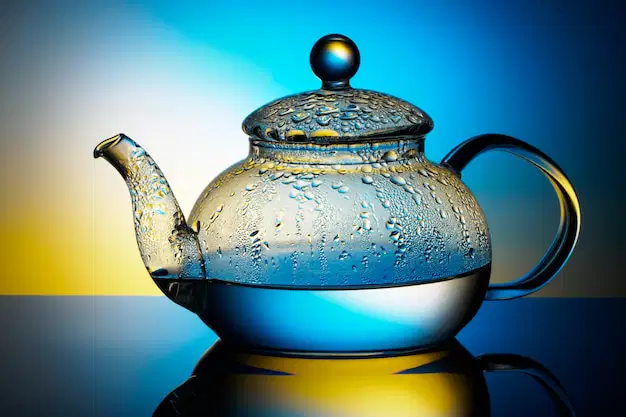
Which of the following is not an evidence that a chemical reaction has occurred?
Color of solution changing from clear to yellow
Formation of smoke when a candle burns
Formation of liquid droplets above the solution
Which is not an example of a physical change?
Crushing a Can
Mixing sand and water
Melting an ice cube
Rusting of an iron pan
Objects that allow heat (thermal) energy to move through easily are called:
Conductors
Insulators
Objects that do not allow the flow of heat are called:
Conductors
Insulators

Is an oven mitt a conductor or insulator?
Conductor
Insulator

Is a copper penny a conductor or insulator?
Conductor
Insulator

is a glass test tube or a conductor or insulator?
Conductor
Insulator

Are gold coins a conductor or insulator?
Conductor
Insulator

Is a metal pan a conductor or insulator?
Conductor
Insulator

Is a metal paper clip a conductor or insulator?
Conductor
Insulator

Are rubber rain boots a conductor or insulator?
Conductor
Insulator

Is a Styrofoam cup a conductor or insulator?
Conductor
Insulator

Is a wooden spoon a conductor or insulator?
Conductor
Insulator

Is Copper Wire Inside a conductor or insulator?
Conductor
Insulator

Is the plastic outer coating a conductor or insulator?
Conductor
Insulator

Is plastic wrap a conductor or insulator?
Conductor
Insulator

Is aluminum foil a conductor or insulator?
Conductor
Insulator

