
 Worksheets
Biochemistry Review
Total questions: 46
Worksheet time: 29mins
What suffix is used to name enzyme?
-logy
-ase
-cule
-lyst
Speeds up chemical reactions by lowering activation energy.
Hydrolysis
Biological Catalyst/Enzyme
Denature
An enzyme/protein is severely damaged and has unfolded. Because structure affects function these proteins/enzymes will no longer work. What has happened?
Water is added to sucrose to split it into smaller sugars.
An enzyme or protein is denatured
What is the model used to describe how an enzyme fits with a substrate?
Denature
Lock and Key Model
Hydrolysis
Activation Energy
Enzymes help speed up chemical reactions by lowering activation energy. What are the structural components?
A. CHO
B. CHON
C. CHONP
D. CH

Which macromolecule function is incorrectly listed?
Lipids
Proteins
Nucleic Acids
Carbohydrates
What is the name for a protein that speeds up chemical reactions without having to change the temperature of your body?
A. Enzyme
B. Glycerol
C. Nucleotide
D. Fatty Acids
What is the term used to describe the energy needed to start a reaction?
Activation Energy
Enzyme
Denature
Hydrolysis
What factors DO NOT affect how well an enzyme works (some of these could denature the enzyme)?
Temperature
Concentration
pH
Color
True or False: Monomers are single subunits that are linked together to form polymers.
True
False
What elements make up Nucleic Acids?
Carbon, Hydrogen, Oxygen, Nitrogen, Phosphorus (CHONP)
Carbon, Hydrogen, Oxygen (CHO)
Carbon, Hydrogen, Oxygen, Nitrogen (CHON)
A polysaccharide is a _________.
Carbohydrate
Lipid
Nucleic Acid
Protein
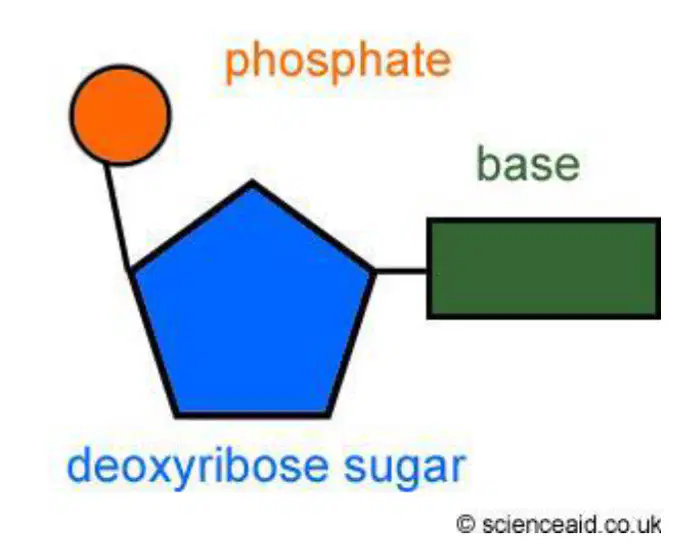
Identify the following image.
Carbohydrate
Nucleic acid
Protein
Lipid
Which of the following organic compounds is the main source of energy (quick energy source) for living things?
Nucleic Acids
Lipids
Carbohydrates
Proteins
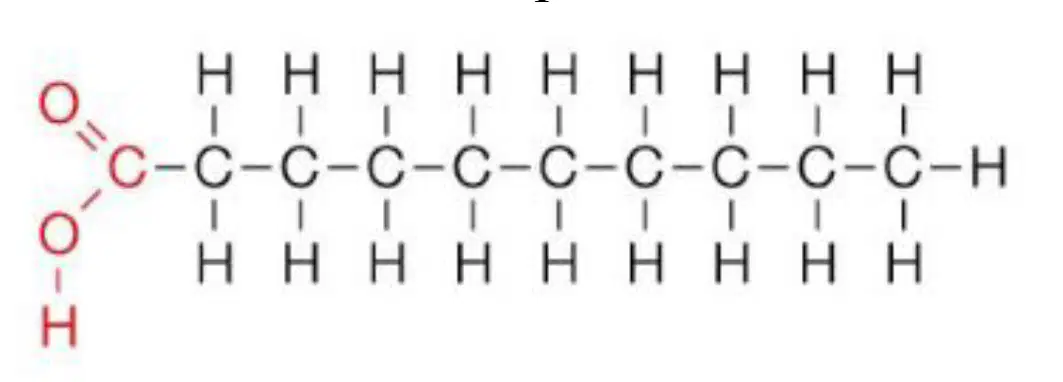
Identify the following image.
Carbohydrate
Nucleic acid
Protein
Lipid
What are the monomers for lipids?
Nucleotides
Amino Acids
Fatty Acids and Glycerol
Monosaccharides
Which is an example of lipids?
Sugar
Oil
Salt
Grain
What is a function of carbohydrates?
Genetic Material
Immune Response
Short-term (quick) Energy
Make Cell Membrane
What is the monomer of nucleic acids?
Glycerol
Amino Acids
Polysaccharides
Nucleotides
What are 2 examples of Nucleic Acids?
Fatty Acids and Glycerol
Saturated and Unsaturated Fats
DNA and RNA
Amino Acids and Enzymes
Which macromolecules are enzymes?
Carbohydrate
Lipid
Nucleic Acid
Protein
What is an enzyme?
A protein
A carbohydrate
A catalyst
Label the parts of the enzyme model
Substrate
Products
Enzyme
Active site
Which of the of the following is true of enzymes?
Enzymes are made of lipids.
Enzymes are made of proteins.
Enzymes are made of carbohydrates.
Enzymes are made of nucleic acids.

Enzymes
When active site gets deformed and loses its shape it causes a loss of biological activity
lock & key model
renaturation
the dying of an enzyme
denaturation
If the enzyme is denatured…
No effect
Reaction rate increases
Reaction rate decreases
Reaction stops
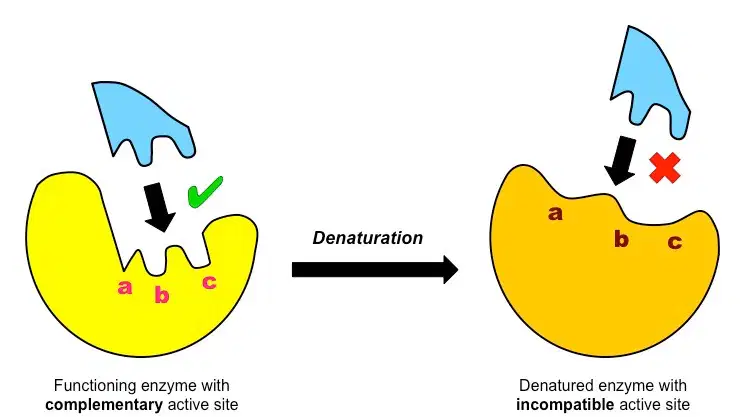
What does it mean for an enzyme to denature?
Enzymes can denature (change shape) when the temperature gets too high.
Enzymes can only be used once in a chemical reaction.
Extreme pH can denature enzymes.
Enzymes speed up chemical reactions.
Question 74
What happens when an enzyme is denatured?
It folds into a compact 3D shape
It binds to an active site
It unfolds and stops working
It unfolds and works faster
Abigail is conducting a biology experiment in her school lab. She is studying the effects of different factors on enzyme activity. She wants to know which two factors can denature an enzyme. Can you help Abigail?
pH and light
pH and concentration
pH and temperature
temperature and light
In our enzyme lab, we tested how well peroxidase from celery cells worked under different conditions by measuring the amount of bubbles that were produced. What is the independent variable in that experiment?
The amount of bubbles produced
The carrot cells
The different conditions
the test tubes
Which will most likely occur if there is a significant change in the temperature or pH of an enzyme?
The enzyme will become one of the products.
The enzyme will be unable to catalyze the reaction.
The enzyme will change the products of the reaction.
The enzyme will cause the rate of reaction to increase.

Using the diagram, match the following.
A
Substrate
B
Enzyme
C
Active Site
D
Product
E
Enzyme Substrate Complex
What are two factors that can affect an enzymes ability to function?
No changing
temperature and pH
night and day
hot and cold
Enzymes can be affect by: (select all that apply)
Temperature
Shape
pH
Color
Enzymes are very (a) . Meaning they need the right (b) and (c) or they will (d) (break).
Which will most likely occur if there is a significant change in the temperature or pH of an enzyme?
The enzyme will become one of the products.
The enzyme will be unable to catalyze the reaction.
The enzyme will change the products of the reaction.
The enzyme will cause the rate of reaction to increase.
Which best explains why the rate of a biochemical reaction decreases at high temperatures?
The activation energy increases.
The shape of the enzyme changes.
The enzyme-substrate complex forms.
The bonds between substrates are broken.
Which best explains how the structure of enzymes is related to their function?
Enzyme structures release the energy in their substrates.
Enzyme structures react with their substrates.
Enzymes’ unique active site allows it to fit with only one substrate molecule.
Enzymes interact with their substrates like welders building a steel skyscraper.

