
 Worksheets
(A) Nature of Science Science Quiz
Total questions: 44
Worksheet time: 22mins

What is science?
the systematic study of the natural world through observation, experimentation, and evidence-based reasoning.
A form of art that implies questioning and organizing object
A type of sport that involves high level of athletism
A political ideology

Science is simply a ______ way of thinking about the world.
logical
random
chaotic
irrational
Scientists use ______ about the world around them to make ______ (logical guesses or predictions).
observations, inferences
guesses, observations
inferences, observations
predictions, guesses
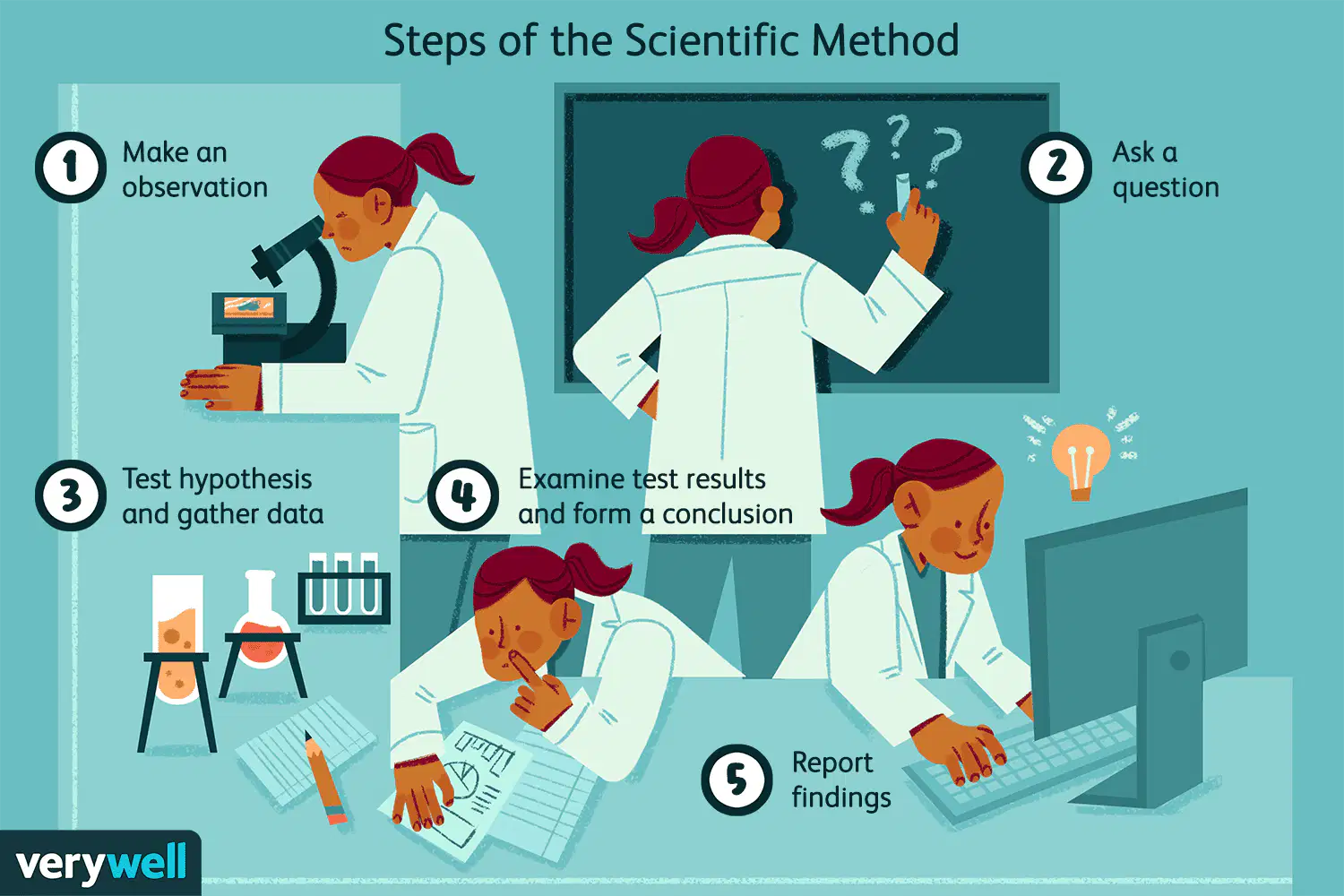
The scientific method is a process used for:
Conducting experiments
Writing essays
Painting
Cooking
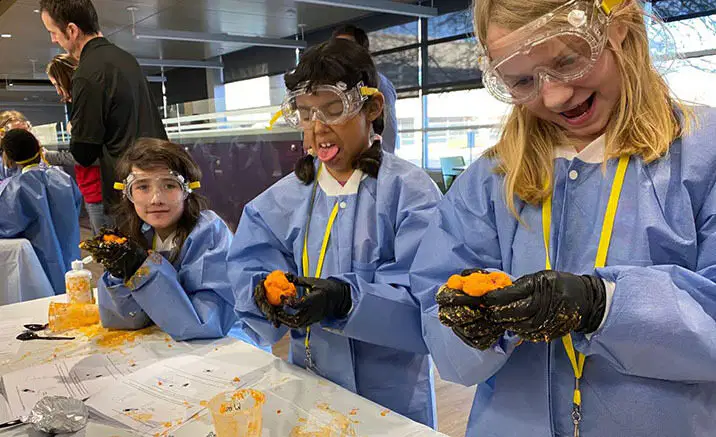
The scientific method is the way ______.
in which scientists gather and use information
in which scientists guess outcomes without evidence
in which scientists ignore data
in which scientists rely on intuition

Give an example of how the scientific method could be used in daily life.
Testing a new recipe by changing one ingredient at a time
Reading a book
Watching a movie
Going for a walk

How is a hypothesis formed?
By making an educated guess
By conducting an experiment
By analyzing data
By reviewing literature

A hypothesis is a ______ explanation for a question or problem.
testable
random
unrelated
impossible
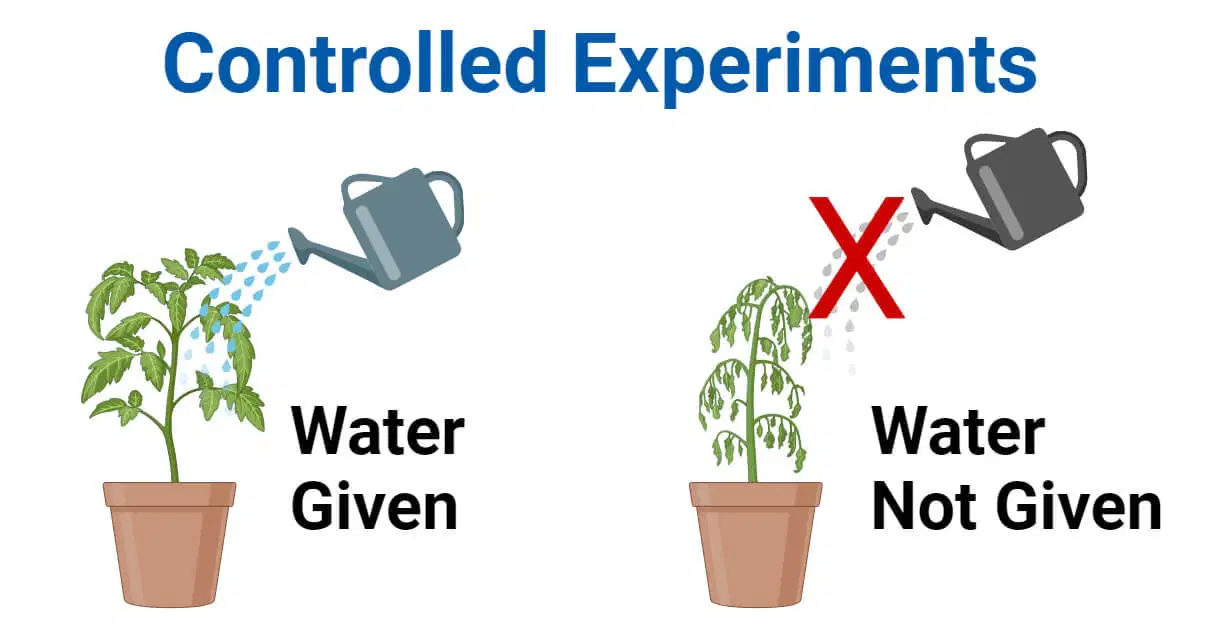
What is a controlled experiment?
An experiment where all variables are kept constant except the one being tested
An experiment where all variables are changed simultaneously
An experiment without any variables
An experiment conducted in a natural setting
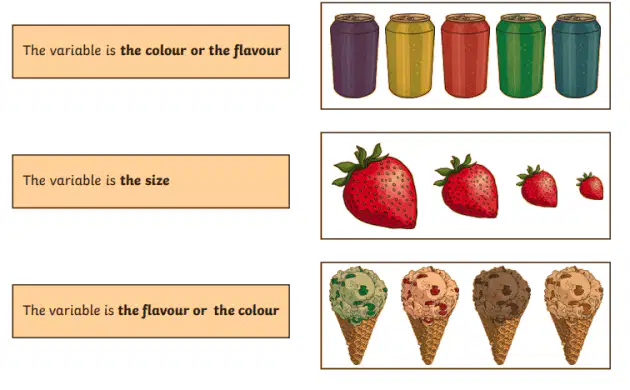
A controlled experiment is one that ______.
only changes one variable at a time
changes multiple variables at once
does not change any variables
is not repeatable
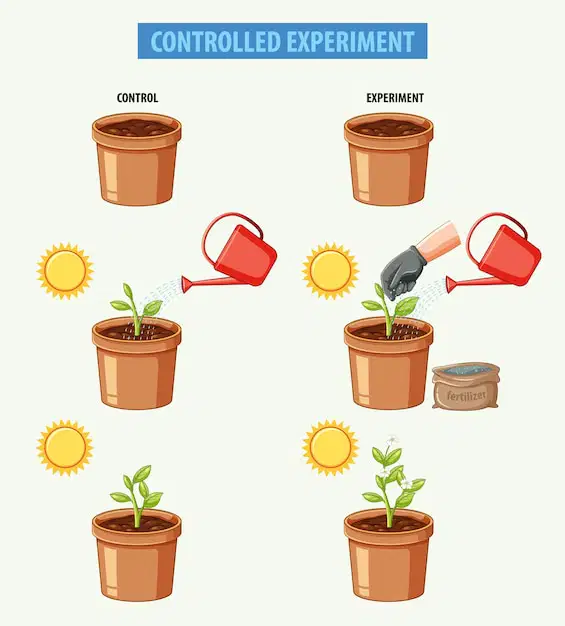
What are the parts of a controlled experiment?
Independent variable, dependent variable, control group, experimental group
Hypothesis, theory, law, observation
Question, research, hypothesis, conclusion
Observation, question, hypothesis, experiment
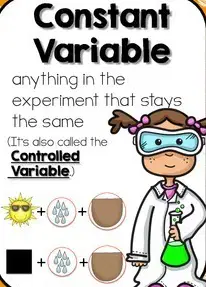
Controls or constants are the
Variables that are changed
Variables that are kept the same
Variables that are measured
Variables that are ignored
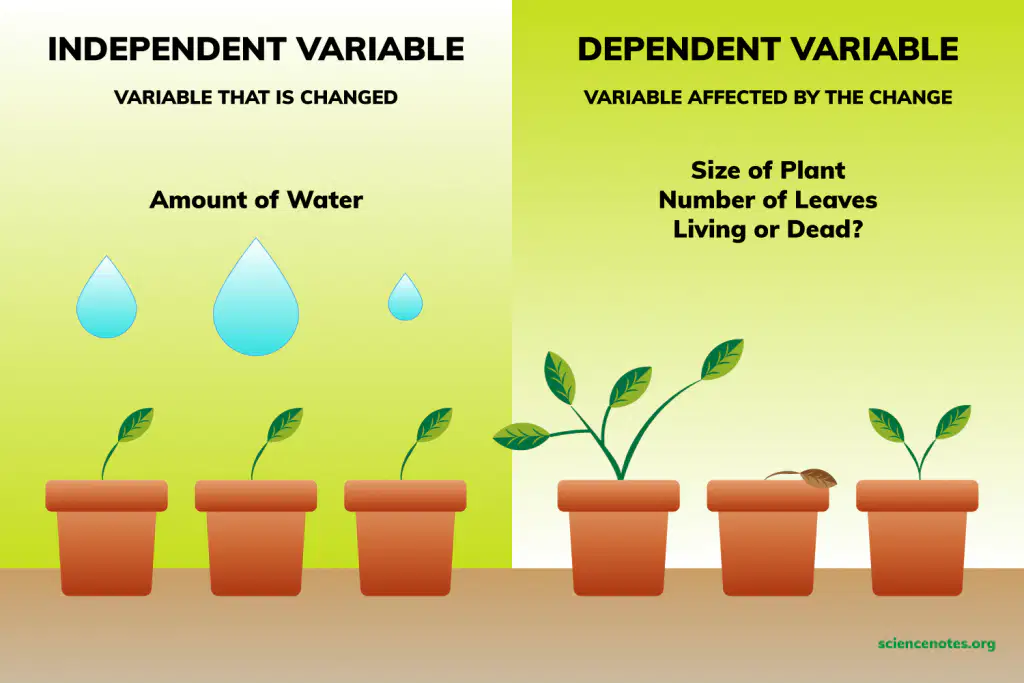
Independent variable is
The variable that is measured
The variable that is kept constant
The variable that is changed
The variable that is dependent
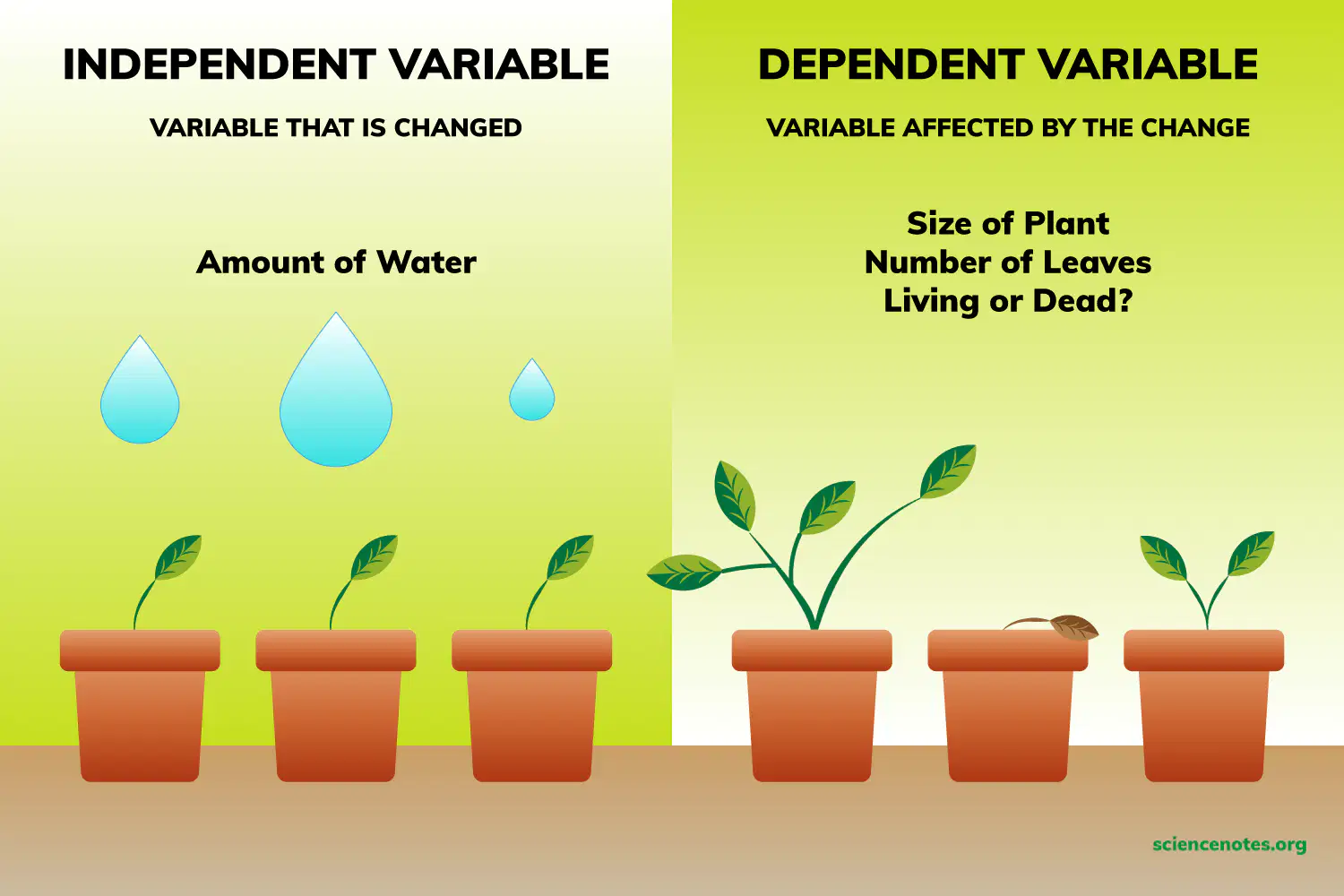
Dependent variable is
The variable that is manipulated
The variable that is measured
The control variable
The independent variable
What is science?
The study of the natural world
A type of art
A form of literature
A branch of mathematics
What is the scientific method?
A systematic process for conducting experiments and analyzing results
A random approach to solving problems
A method of memorizing facts
A way to create scientific laws without evidence
How is a hypothesis formed?
By making an educated guess
By conducting an experiment
By analyzing data
By writing a report
The information collected from an experiment is called ________.
information
tables
graphs
data
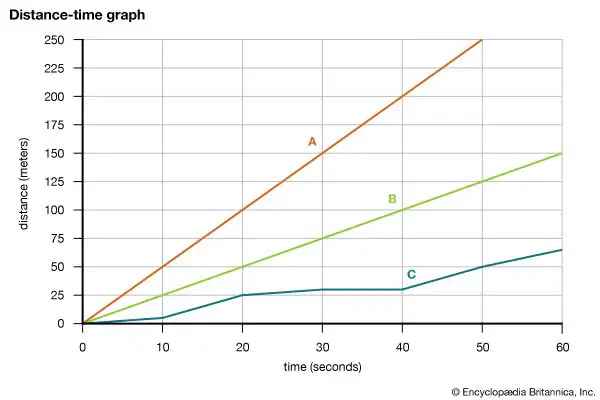
Is the data in the graph above qualitative or quantitative? ________
Quantitative
Qualitative
Categorical
Nominal

A conclusion either ________ or ________ the hypothesis.
supports or rejects
justifies or rejects
is correct or incorrect
Science is not used to ________ that something is true.
prove
understand
By ________ the experiment, we can be more confident of our results.
repeating
ignoring
halting
skipping
Scientific data can be organized into ________, ________, or ________.
charts, graphs, tables
lists, paragraphs, sentences
images, videos, audios
points, lines, shapes
A conclusion either ________ or ________ the hypothesis.
supports, rejects
ignores, accepts
denies, confirms
questions, validates
Sharing ________ with others helps the whole scientific ________ to further our knowledge.
data, community
ideas, world
information, society
results, group
Conclusions can ________ the hypothesis, especially if the experiment is ________.
support, repeated
disprove, flawed
ignore, irrelevant
contradict, biased
When an experiment is complete, the scientist often submits the results for peer review. Peers = __________ at the same level of education or specialization.
individuals
students
teachers
administrators
If the peer reviewers are __________, the experimental results may be published in a scientific journal.
satisfied
uninterested
confused
displeased
Peer review is one of the __________ important ways the scientific community guards against faulty science.
most
least
somewhat
not
A scientific theory explains a __________ and is supported by many different fields of evidence.
phenomenon
hypothesis
guess
assumption
Scientific theories are __________ explanations that apply to many situations.
broad
narrow
specific
limited
Ethics = the branch of knowledge that deals with __________ principles.
moral
financial
scientific
legal
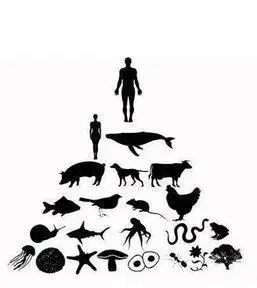
Which ethical world-view places the most value on human populations and human welfare?
Anthropocentrism
Biocentrism
Ecocentrism
Which ethical world-view places value on each and every organism, including humans?
Anthropocentrism
Biocentrism
Ecocentrism
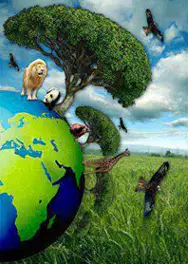
Which ethical world-view places value on the ecosystem or community as a whole rather than individuals?
Anthropocentrism
Biocentrism
Ecocentrism
Scientific results can be submitted for __________ and may provide support for a larger scientific theory.
peer review
publication
archiving
presentation
All experiments must consider the __________ consequences of their processes and conclusions.
ethical
financial
technical
legal
Peer review is:
A process where experts evaluate the quality of a colleague's work
A method of self-assessment
A type of literature review
A form of peer pressure
What is a scientific theory?
A well-substantiated explanation of some aspect of the natural world
A random guess
An untested hypothesis
A personal belief
How do ethics affect scientific processes?
They ensure integrity and credibility.
They slow down progress.
They have no impact.
They only affect medical research.

A scientific theory is
the highest level of explanation in science
a guess
an assumption
someone's opinion
belief
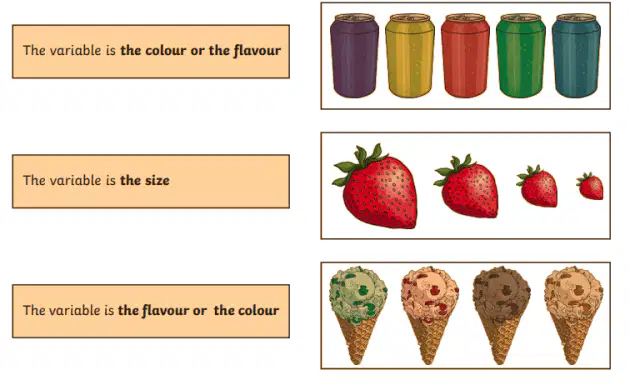
What is variable?
any factor, trait, or condition that can exist in different amounts or types, meaning it can change or be changed within an experiment

Science data can be organized into ________, ________, or ________.
a big pile of information
charts, graphs, and tables
baskets
books
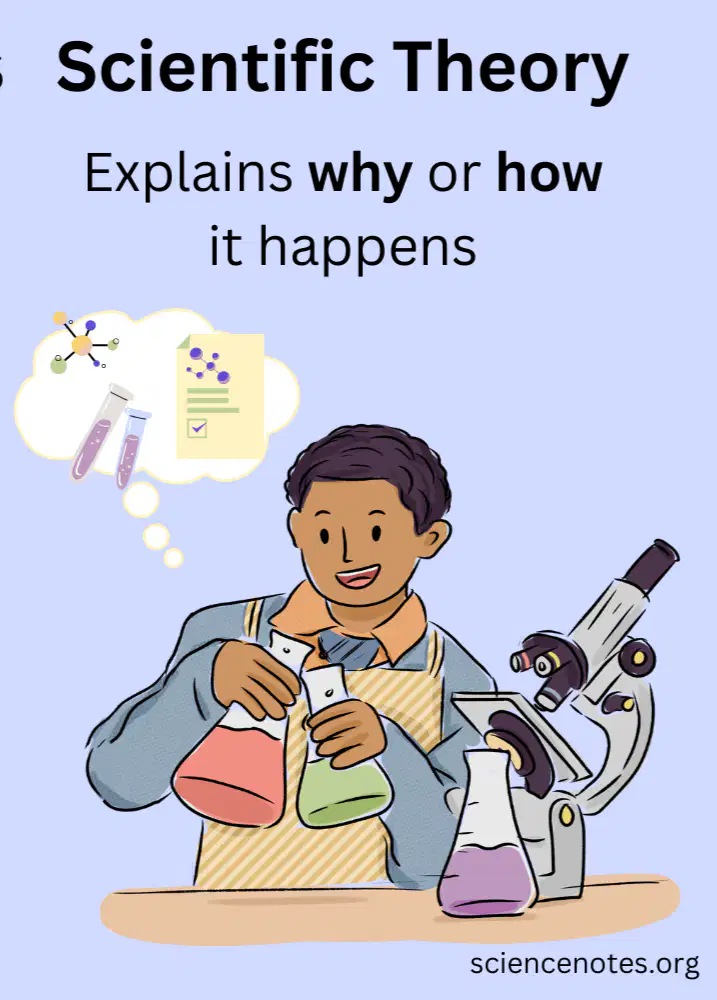
Some features of scientific theories are that they:
have been thoroughly tested over an extended period
provide accurate explanations and predictions for a wide range of phenomena
are widely accepted by the scientific community
demonstrate strong experimental and observational support.
False
True

