
 Worksheets
APES Quiz 1 (intro and plate techtonics) (24-25)
Total questions: 65
Worksheet time: 52mins
The study of how humans interact with the environment
environmental science
biology
ecology
physics
Which of the following is a natural resource
electricity
gasoline
sunlight
wifi
Resources that cannot be replaced quickly
renewable resource
nonrenewable resource
sunlight
wind
The introduction of harmful levels of chemicals or waste material into the environment
extinction
biosphere
pollution
renewable
What is a hypothesis?
a guess
a testable explanation
a theory
a law
How many variable should be adjusted in an experiment?
1
2
3
4
The consumption crisis is more severe in
developed countries
developing countries
rural areas
complex ecosystems
trees

What is the definition of ecological footprint?
is the footprint of ecologist
is a measure of the impact living things have on the environment.
is a kind of plant that grows in the rainforrest.
a measure of the amount of land needed to support one person in a particular country.
More- Developed Countries are....
industrialized with high average income
industrialized with low average income
have high poverty rates
have low ecological footprints
The study of the interactions of living organisms with one another and their environment.
Biology
Ecology
Environmental Science
Social Science

Which one is a limited renewable resource?
coal
animals
sunlight
natural gas

Which one is a completely renewable resource?
Oil
Sunlight
Coal
Fresh water

True or False? Humans affect the environment but the environment does NOT affect us.
True
False
Less-Developed Counties are...
industrialized with low average income
are less economically developed and have a less average income
US and Canada
Most European countries
A point source pollutant is
any single identifiable source of pollution from which pollutants are discharged
pollutants that come from many different sources that are hard to pinpoint
runoff from crops
pollutants from residential areas
A nonpoint source pollutant
are pollutants that come from many different sources that are hard to pinpoint
exhaust from motor vehicles
industrial sewage
any single identifiable source of pollution from which pollutants are discharged
Affluence is
high level of resource consumption, which can result in an improvement in quality of life
high level of resource production
low level of resource consumption

Which country has the the largest ecological footprint?
Unites States
Canada
China
Africa

Which country has the largest ecological footprint out of Asia, Africa, South America, and Australia?
Asia
Africa
South America
Australia
Poverty effects harmful environmental effects in terms of sustainability because they
are desperate for the short term and don't think of the long term effect
are desperate for the long term and don't think of the short term effect
Environmental ethics is
the study of varying beliefs of what is right and wrong with how people treat the environment
the study of which foods are healthy and not healthy for people
the study of world economics and environmental degradation

What was the Independent Variable?

Numbers obtained by counting or measuring
Qualitative data (Categorical)
Descriptive data
Quantitative data
Observations
Descriptive information; characteristics that cannot be expressed as a number
Qualitative data (Categorical)
Measurements
Quantitative data
Variables
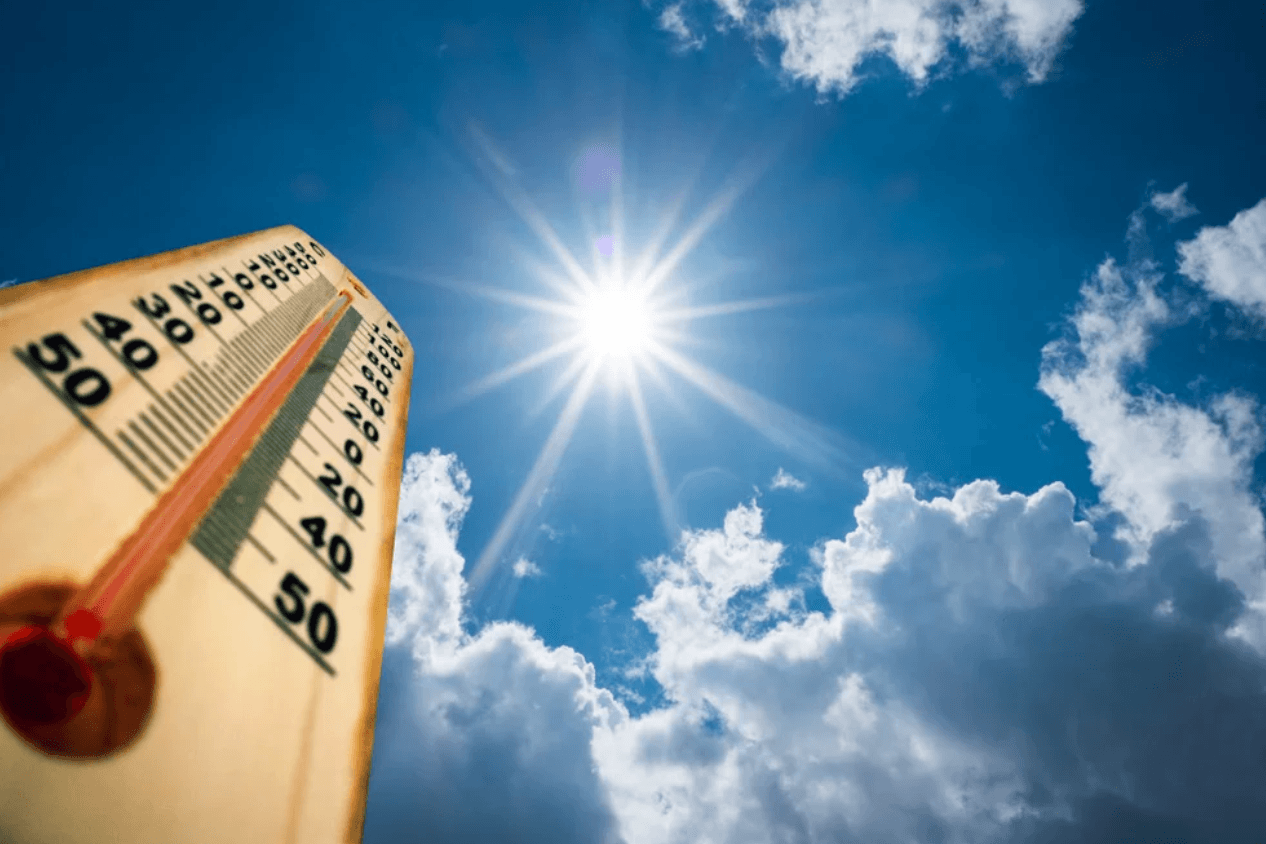
Temperature
Biotic (living)
Abiotic (non-Living)

Mushroom
biotic (livng)
Abiotic (non-living)
The 1st law of Thermodynamics
Energy can not be created or destroyed. It just changes forms.
Energy can only be created by the sun
Some energy is lost to the environment.
2nd law of thermodynamics
Every time energy changes form, some of it is lost to the environment
Energy can't be created or destroyed
All energy generates heat
Which type of boundary results in the creation of mountains, island arcs, earthquakes, and volcanoes?
Convergent
Divergent
Transform
Which type of boundary results in the creation of rift valleys, volcanoes, seafloor spreading, and earthquakes
Convergent
Divergent
Transform
Transform boundaries mainly result in
Island Arcs
Seafloor spreading
Earthquakes
Mountains
Which of the following occur when stress overcomes a locked fault, releasing stored energy.
Rift Valleys
Volcanoes
Mountains
Earthquake
The huge blocks of the earth's crust that slide around slowly are called
Volcanoes
Tectonic Plates
Rift Valleys
Mid ocean ridges
As oceanic plates move apart rising magma forms new oceanic crust this is known as
Volcanoes
Seafloor spreading
Mid-ocean ridges
Mountains

Where oceanic plates meet continental plates, old oceanic crust is pulled downward and the heavier oceanic crust slides underneath the lighter continental plate. This is called
Seafloor spreading
Abduction
Subduction
Convection
when a plate moves over a hot spot and the heat form the rising mantle plume will melt the crust
Volcanoes
Mountains
Earthquakes
Subduction
When plates move away from each other and creates new lithosphere
Divergent plate boundary
Convergent
Transform
When plates move toward one another and collide.
Divergent
Convergent
Transform
When plates slide past one another.
Divergent plate boundary
Convergent plate boundary
Transform plate boundary
The San Andreas fault is which type of plate boundary?
Divergent plate boundary
Convergent plate boundary
Transform plate boundary

In the diagram, A represents a
Convergent plate boundary
Divergent plate boundary
Transform plate boundary

In the diagram, at which letter are you most likely to have island arcs.
A
B
C
D

Seafloor spreading, rift valleys, volcanoes, and earthquakes will be found at what letter
A
B
C
D

What type of boundary is shown in the picture
Convergent plate boundary
Divergent plate boundary
Transform plate boundary

In the diagram, C represents which type of plate boundary
Convergent
Divergent
Transform
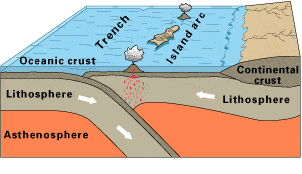
Observe this diagram of a plate boundary. One statement BEST describes what is happening. It is that
the oceanic crust is melting.
the denser ceanic crust is subducting under the less dense oceanic crust
volcanic islands are forming.
the tectonic plates are moving away from each other.


What type of boundary is shown in the diagram?
Divergent
Convergent
Transform
Tectonic plates “float” on
the lithosphere
the mantle
the ocean
the asthenosphere
Which layer of the Earth consists of tectonic plates?
asthenosphere
mantle
mesosphere
lithosphere

