
NEW
Font size
 Worksheets
FIRST QUARTER EXAM-SCIENCE 7
Total questions: 50
Worksheet time: 24mins
1. What is the main purpose of a scientific model?
To collect data
To explain and predict phenomena
To replace experiments
To solve mathematical problems
It is considered as a step-by-step process of solving a problem.
Scientific Model
Scientific Calculator
Scientific Method
Scientific Problem
A 3D model of the Banaue Rice Terraces can be used in studies to understand water flow and soil erosion. What kind of scientific model is this?
Physical model
Conceptual model
Mathematical model
Simulation model
What is a solution?
A combination of any two substances
A homogeneous mixture of two or more substances
A mixture that always contains water
A mixture where one substance sinks to the bottom
In a saltwater solution, what is the solute?
Water
Salt
Both salt and water
Neither salt nor water
A solution that contains less solute than it can theoretically hold at a given temperature is called:
Saturated
Supersaturated
Unsaturated
Concentrated
Which term refers to a substance that gets dissolved? Ang matunaw.
Solvent
Solute
Solution
Solubility
A scientist is using a model to predict sea level rise. What type of model is likely being used?
Conceptual model
Mathematical model
Economic model
Social model
What is the first step in the scientific method?
Make an observation
Ask Questions
Formulate hypothesis
Draw conclusion
Which of the following is a correctly stated hypothesis?
Water boils at 100°C.
If plants receive more sunlight, then they will grow taller.
Earth revolves around the sun.
Gravity pulls objects towards the Earth.
What variable can be changed or manipulated?
independent variable
experimental variable
dependent variable
uncontrolled variable
What do you call an idea or explanation that you test through study and experimentation?
question
hypothesis
conclusion
observant
Which refers to scientific procedure undertaken by scientists to test a hypothesis and make a discovery or demonstrate a known fact?
theory
inference
conclusion
experiment
In a situation where you are asked to find a solution to the problem in your house. What do you call a series of logical steps that will help you in solving your problem?
model method
scientific theory
scientific way
scientific method
What substance can dissolve other substance in a solution?
solute
mixture
solvent
both solute and solvent
Which of the following refers to the solution that contains as much solute as can dissolve at a given temperature?
solubility
dilute solution
saturated solution
unsaturated solution
To make a solute dissolve more quickly in a solvent, which would you do?
Stir it-"kotawon"
Do not stir the solution
Let the solute settle down
Nothing to do with the solute.
What are the two components of solution?
solute and soluble
solvent and salute
solute and solvent
solute and soluble
What is the main purpose of conducting an experiment in the scientific method?
To prove a hypothesis
To test the hypothesis
To find errors in the hypothesis
To make a discovery
Which state of matter has molecules that move freely and are far apart from each other?
Solid
Liquid
Gas
Plasma
The arrangement of molecules in a liquid is described as:
Fixed and orderly
Free and not so close together
Random and widely spaced
Tightly packed and immobile
Which of the following explains the behavior of gas molecules?
They are packed tightly and only vibrate.
They slide past each other but remain close.
They are far apart and move randomly at high speeds.
They are arranged in a regular, fixed structure.
What type of solution contains the maximum amount of solute that can dissolve at a given temperature?
Dilute solution
Saturated solution
Supersaturated solution
Unsaturated solution
When more solute can still be dissolved in a solution at a given temperature, the solution is said to be:
Saturated
Concentrated
Unsaturated
Supersaturated
Which atomic model is often referred to as the "plum pudding model"?
Dalton's model
Rutherford's model
Bohr's model
Thomson's model
What type of model is a scaled-down replica of a volcano?
Physical model
Mathematical model
Economic model
Conceptual model
What is the SI unit of length?
meter
gram
second
kelvin
Which unit is used to measure mass?
liter
kilogram
newton
amper
Which quantity is measured in amperes (A)?
Electric current
Voltage
Resistance
mass
What is the SI unit of temperature?
Degree Celsius
Fahrenheit
Kelvin
Joule
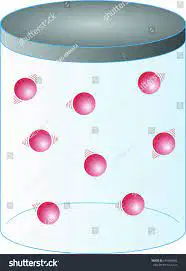
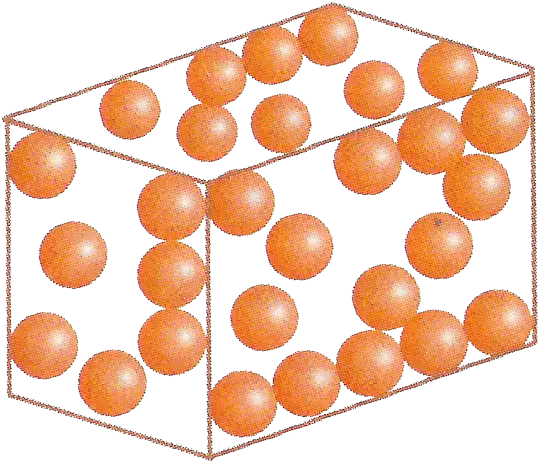
Which of the following represents solid molecules?


PAGASA (Philippine Atmospheric, Geophysical and Astronomical Services Administration) uses models to predict the path and strength of typhoons. What type of scientific model is this?
Conceptual model
Physical model
Mathematical model
Historical model
A 3D model of the Banaue Rice Terraces can be used in studies to understand water flow and soil erosion. What kind of scientific model is this?
Physical model
Conceptual model
Mathematical model
Simulation model
A Filipino student wants to find out if fertilizers affect the growth of rice plants. What is the first step in her investigation?
Conduct an experiment
Ask a question
Analyze the data
Draw a conclusion
A Filipino marine biologist conducts an experiment to test the effect of water temperature on the growth of corals. After collecting data, what should she do next?
Form a new hypothesis
Conduct more experiments
Analyze the data
Change the experiment
What is the next step after formulating a hypothesis in the scientific method?
Conduct an experiment
Draw conclusions
Analyze data
Publish results
What is the primary reason for repeating an experiment?
To speed up the experiment
To verify and ensure the reliability of the results
To change the hypothesis
To increase the sample size
You are preparing lemonade by dissolving sugar in water. The sugar in this scenario is the:
Solvent
Solute
Solution
Dilute
What is a hypothesis?
A proven fact
A random guess
A testable prediction or educated guess
A theory
When a solid changes to a liquid (melting), what happens to the particles?
They become more tightly packed.
They start to move faster and can slide past one another.
They stop moving completely.
They spread out in all directions.
During freezing (liquid to solid), what happens to the arrangement of particles?
The particles move farther apart and become less organized.
The particles vibrate faster and break free from each other.
The particles slow down and arrange themselves in a fixed, orderly pattern.
The particles start moving randomly.
What color does blue litmus paper turn in the presence of an acid?
BLUE
RED
YELLOW
GREEN
Which piece of safety equipment is essential for protecting your eyes in the lab?
Lab coat
Safety goggles
Gloves
Face mask
Which state of matter has particles that are packed tightly and only vibrate in place?
Gas
Solid
Liquid
Plasma
Which of the following statements is true according to the particle model of matter?
Particles in a solid can move freely.
Particles in a gas are far apart and move freely.
Particles in a liquid are packed tightly and vibrate in place.
Particles in a solid can move randomly in all directions.
Which process involves particles in a liquid gaining enough energy to become a gas?
Condensation
Freezing
Evaporation
Melting
When a gas cools down and changes into a liquid, the process is called:
Condensation
Freezing
Sublimation
Melting
In an experiment, what is the variable that is deliberately changed or manipulated?
Dependent variable
Independent variable
Control variable
Constant
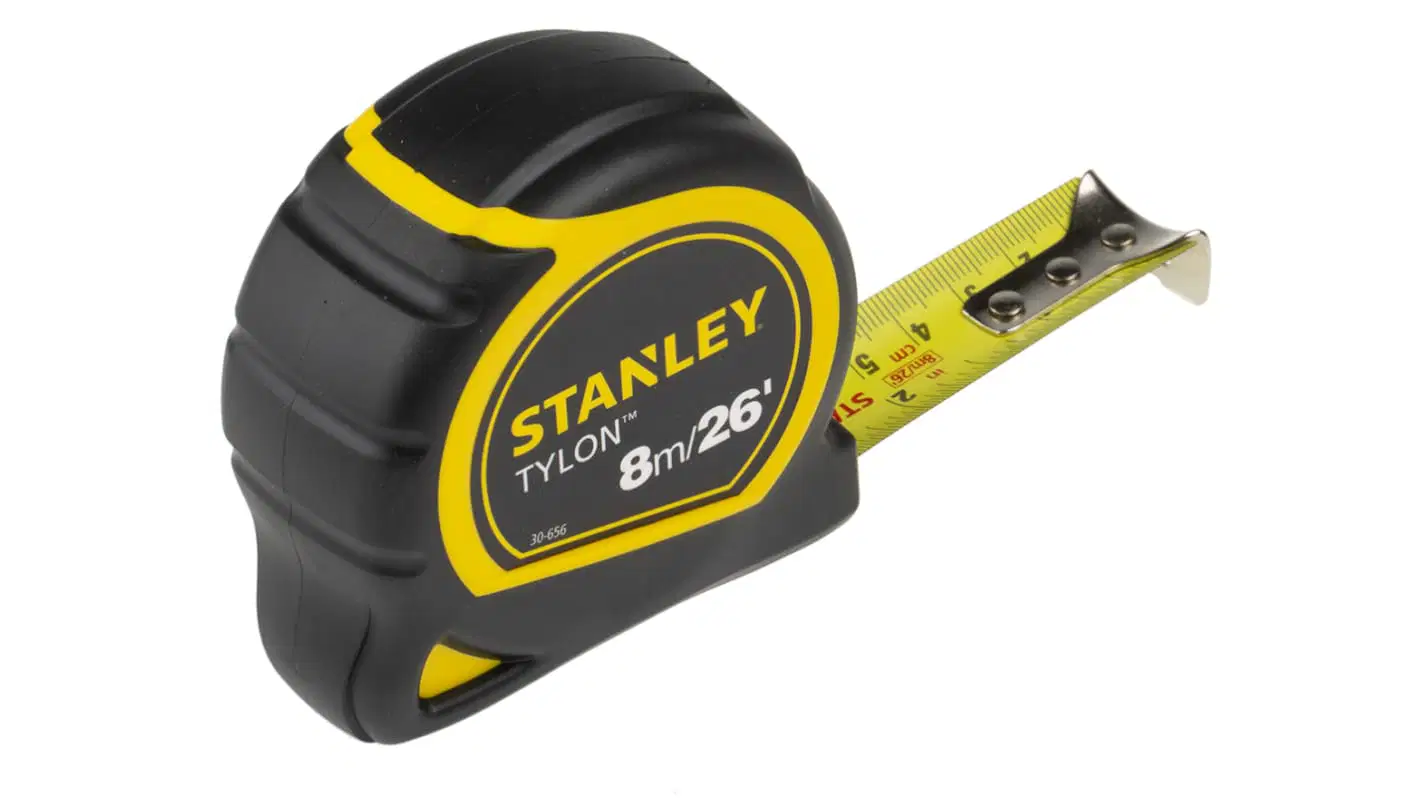
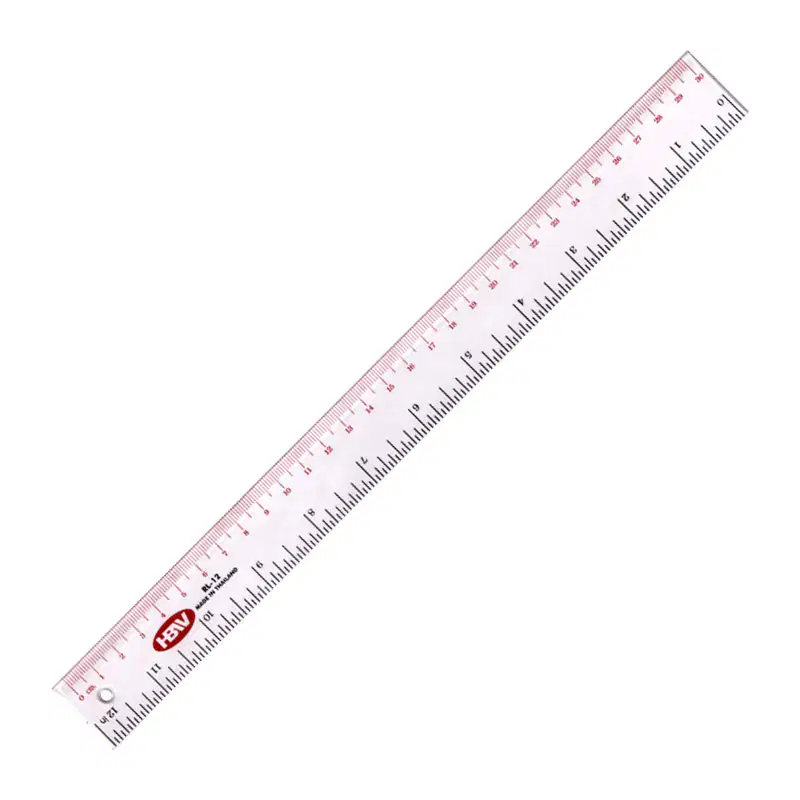
Which of the following does not belong to the group?


Which of the following describes a dilute solution?
It has more solute than solvent.
It has more solvent than solute.
It is saturated with solute.
It cannot dissolve any more solute.

