
 Worksheets
Y9 Unit 2 Revision
Total questions: 163
Worksheet time: 3hrs 44mins
Match the following key terms to their definition
Atomic Number
The number of protons in the nucleus of an atom
Mass number
The total number of protons and neutrons in an atom's nucleus
Electron shells/Energy Levels
Regions around the nucleus where electrons are likely to be found
Electronic structure
Atoms of the same element with different numbers of neutrons
Electrostatic forces
the forces of attraction between particl

What are the rows in the periodic table called?
Rows
Periods
Groups

In which group of the periodic table is magnesium?
Group 1
Group 2
Group 3
Group 4
In which group of the periodic table is carbon?
Group 1
Group 2
Group 3
Group 4
Which of the following is NOT a metal?
Calcium
Lithium
Iron
Sulfur

Which part of an atom has a positive charge?
Proton
Neutron
Electron
Which part of an atom has a negative charge?
Proton
Neutron
Electron
Which part(s) of an atom contribute to most of its mass?
Electrons
Protons and electrons
Protons and Neutrons
Just the neutrons

What does the atomic number tell you?
The number of protons in an atom of a certain element
The number of neutrons in an atom of a certain element
The number of atoms in a certain element

What does the relative atomic mass number tell you?
The number of protons + neutrons in an atom of a certain element
The number of electrons + protons in an atom of a certain element

What is the atomic number of helium?
2
4
6
What is the atomic number of potassium?
39
19
20
True or False: The number of protons in an atom is the same as the number of electrons
True
False
How many electrons in an atom of nitrogen?
7
14
21
Atoms of which element have the most protons?
Hydrogen
Magnesium
Phosphorous
Sodium
Atoms of which element have 8 neutrons?
(remember, the relative atomic mass tells you the number of protons + neutrons)
nitrogen
oxygen
fluorine
Atoms of which element have 10 neutrons?
(remember, the relative atomic mass tells you the number of protons + neutrons)
nitrogen
oxygen
fluorine
What is the maximum number of electrons that can be in the inner most shell of an atom?
1
2
8
How many electrons would be in the outer shell of a carbon atom?
2
6
4
8
Add the correct labels

Carbon has an electronic configuration of 2,4. If you add these numbers together you get the total number of electrons which is (a) . The electron configuration 2,8,7 give us an total number of electrons of (b) so this element is (c) .
Reorder the following group 1 metals from least reactive to most reactive:
Li
Na
K
Cs
Fr
Group 1 metals react the same way because...
they all have 1 electron in their outer shell
they all sound the same
they are all the same size atoms
they have the same total number of shells
Group 1 metals all have one electron in their outer shell so they all become...
+1 ions
-1 ions
+1 atoms
-1 atoms
Group 1 is also known as the ______ ______
(a)
The alkali metals become more reactive as you go down the group
As you go down the group you add another (a) of electrons each time.
So the (b) shell electrons get further from the positively charged (c)
This means the attraction between the outer shell electrons and the positive nucleus is (d) and the outer shell electron is easier to (e) .
The alkali metals react with water to create metal hydroxide and hydrogen.
Match the following to describe the reactivity of Li, Na and K.
Fizzes slowly
Floats
Moves slowly
Lithium
Fizzes quickly
melts into a ball
floats
moves quickly
Sodium
Fizzes very quickly
Melts into a ball
Floats
Moves very quickly
Burns with lilac flame
Potassium
Match the following reactions:
lithium + water →
lithium hydroxide + hydrogen
sodium + water →
sodium hydroxide + hydrogen
potassium + water →
potassium hydroxide + hydrogen
to test for hydrogen...
add a lit splint you will get a squeaky pop
when potassium is added to water is ignites with a...
lilac flame
Match the following electron configurations:
Na
2,8,1
Li
2,1
K
2,8,8,1
Which of these is NOT a physical property of the alkali metals?
are soft and can be cut with a knife
low density
low melting point
hard

Match the following:
neutral subatomic particle
neutron
negative subatomic particle
electron
positive subatomic particle
proton
electrons
have negligible mass
protons or neutron
have a relative mass of 1

An atom is made up of three different subatomic particles. The protons have a (a) charge and the neutrons are (b) and both of these are found in the (c) . Electrons are (d) and are found in (e) around the nucleus.
Add the labels to the diagram

Lithium and sodium both have 1 electron in their outer shell so are found in (a) . Carbon and silicon are both in group 4 because they both have (b) in their (c) . Fluorine and chlorine are both in (d) because they have 7 electrons in their outer (e) .
Match the following to their correct group (Count the electrons in the outer shell)

Group 1

Group 7

Group 2

Group 4
Numbers of electrons allowed in each shell?
2,8,8
Number of electrons able to fit in first shell?
2
Number of electrons able to fit in second shell?
8
Number of electrons in outer shell of 2,8,5?
5
An ion is an atom which has gained or lost (a) . Metals (b) electrons and (c) gain electrons. They do this to get a (d) stable outer shell. Group 1 elements will all lose their (e) outer shell electron and become +1 ions when they react.
the name of group 1
(a)
the name of group 7
(a)
the name of group 8
(a)
What is the small, DENSE REGION consisting of protons and neutrons at the CENTER of an atom?
Molecules
Nucleus
Subatomic particle
Atoms


At what part of the atom is the arrow pointing?
nucleus
energy level
electron
proton
The mass of an atom is
equal to the number of protons
the protons + electrons
the protons + neutrons
the protons + neutrons + electrons

A certain atom has 26 protons, 26 electrons, and 30 neutrons. What is its mass number?
26
30
52
56

Electrons can best be described as having a
large size, positive charge.
very small size, positive charge.
large size, negative charge.
very small size, negative charge.
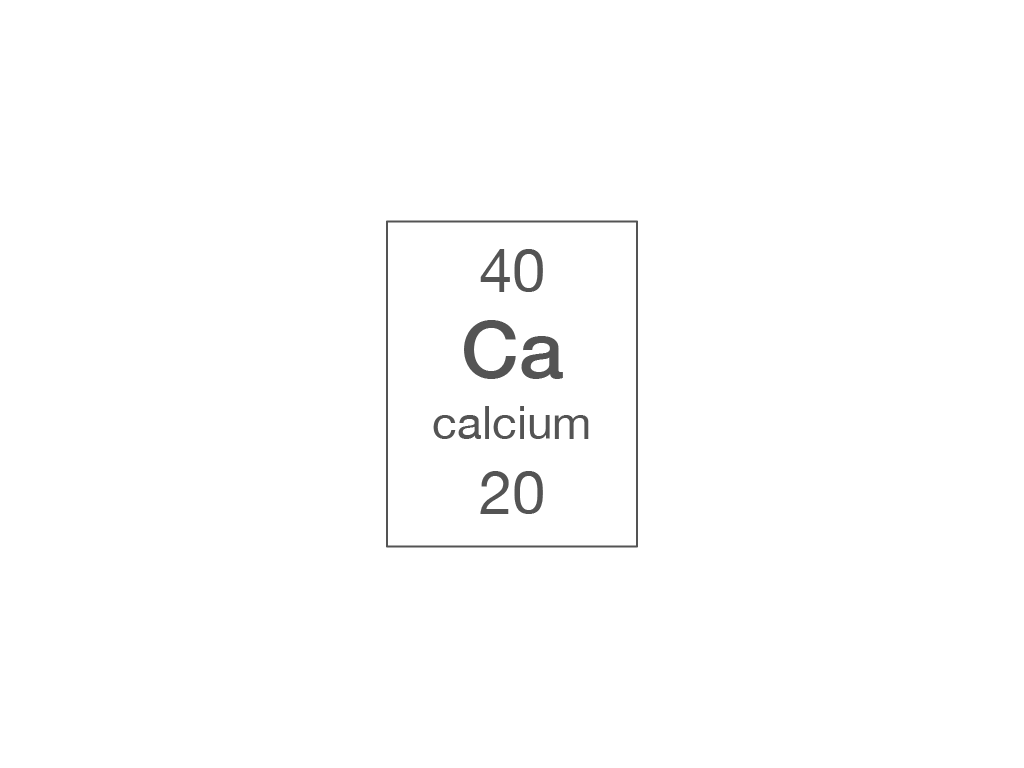
How many electrons are there in the highest energy level of a calcium atom?
2
8
10
6
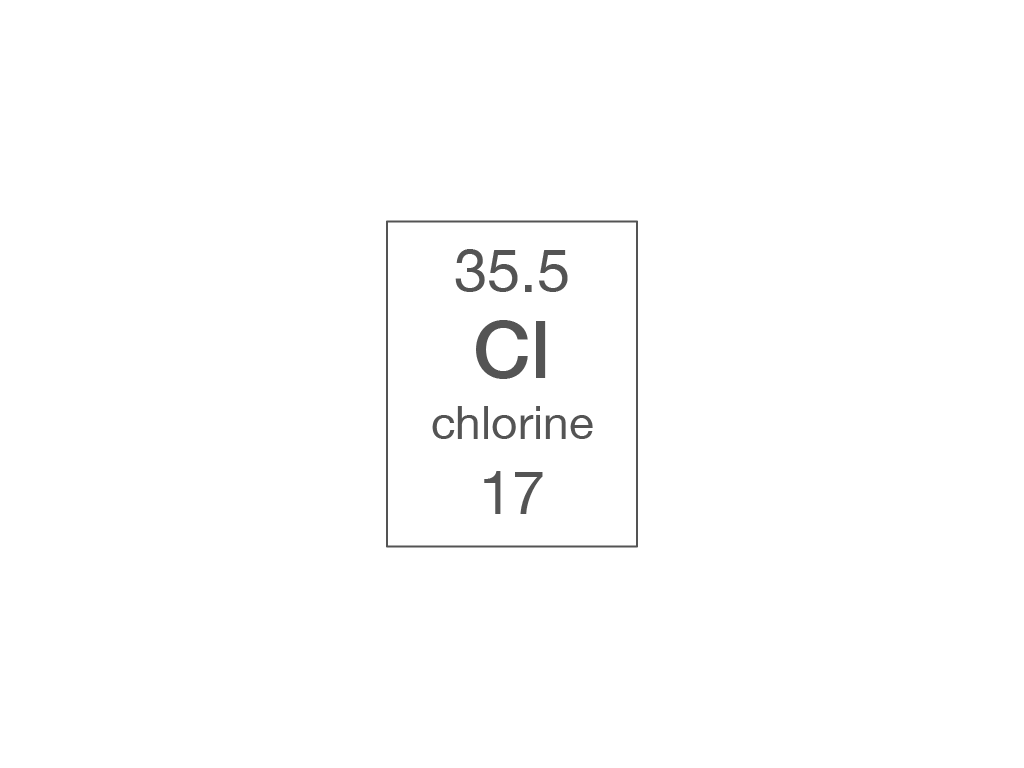
What is the electronic structure of chlorine?
2,8,7
2,7,8
17
278
What shell represents the lowest energy level of an atom?
The 1st shell
The 3rd shell
The 2nd shell
The 4th shell
The correct electron configuration for sodium is....
2, 8, 2
2
2, 8
2, 8, 1
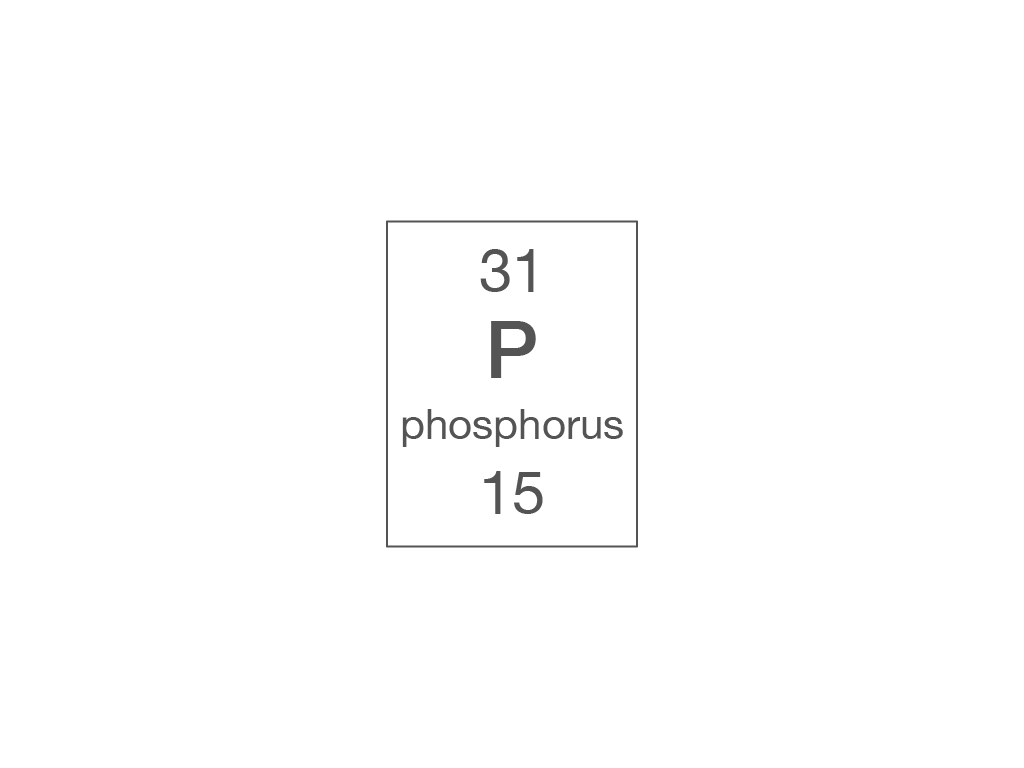
How many electrons are there in a phosphorus atom?
15
31
16
47
Aluminium has 13 electrons. What is the electron configuration of aluminium?
10.3
2.8.3
8.2.3
13
What is the chemical symbol for Chlorine?
(a)
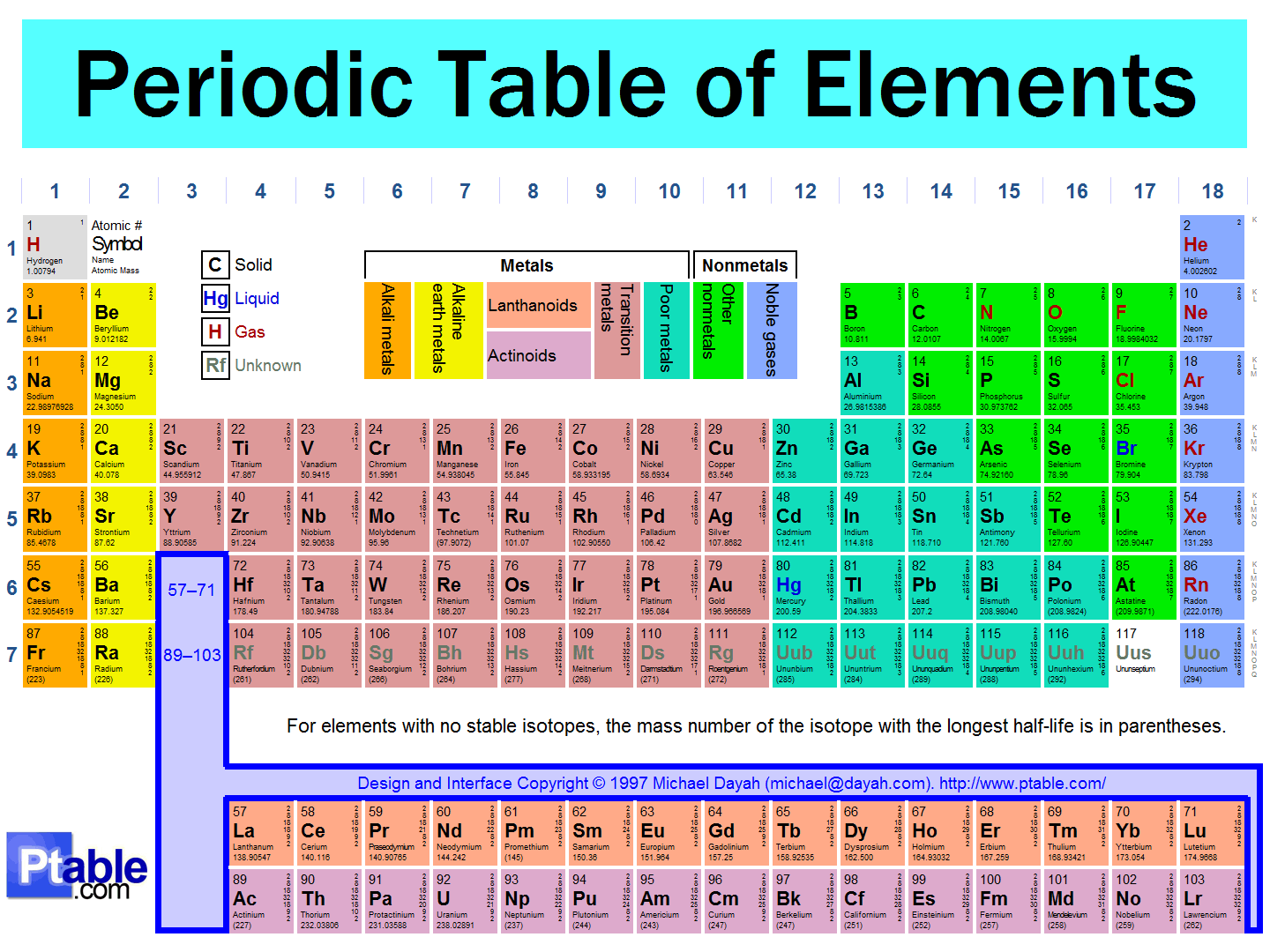
The vertical (up and down) columns in the Periodic Table are called
groups
towers
periods
atomic numbers

Is this the correct Bohr model for silicon (Si)?
Yes
No

Is this the correct Bohr model for carbon (C)?
Yes
No

An atom has a full first energy level and 7 electrons in its second level. How many electrons does this atom have?
2
7
9
Need more information
An atom has a full first and second energy level and 1 electron in its third level. This atom is neutral. What element is this atom?
Potassium
Argon (Ar)
Magnesium (Mg)
Sodium

What atom does this Bohr Model represent?
(a)

What is the correct electron configuration for this bohr model?
2,8,6
8,8,2
2,8,8
8,8,8

How many valence (outer) electrons does an Oxygen atom have?
2
6
8
16

Which element is this?
Calcium
Chlorine
Silicon
Potassium

Which Element is this?
Cobalt (Co)
Nitrogen (N)
Silicon (Si)
Aluminum (Al)

Which Element is this?
Helium (He)
Chromium (Cr)
Carbon (C)
Magnesium (Mg)

Which Element is this?
Vanadium (V)
Boron (B)
Sodium (Na)
Magnesium (Mg)
Which alkali metal is most reactive out of the following
rubidium
potassium
sodium
lithium
How many electrons do the alkali metals have in their outer shell?
1
2
8
7
What happens to the melting point of the alkali metals as you move down the group?
decreases
increases
How does a group 1 metal atom form an ion?
lose 1 electron
lose 2 electrons
gain 1 electron
gain 2 electrons
What is the charge of a group 1 metal ion?
1+
2+
1-
2-
Which of the following is NOT a property of group 1 metals?
More dense than water
less dense than water
low melting point
soft
Which alkali metal has the electron configuration 2.1?
lithium
potassium
sodium
rubidium
Which alkali metal is the least reactive?
lithium
sodium
potassium
rubidium
The largest atom in the alkali metal group belongs to ___.
Li
K
Cs
Na
Is hydrogen an alkali metal?
no
yes
maybe

What element is this?
Getium
Tungsten
I think I see hydrogen there...
??Drawium??
In what form can an ionic compound conduct electricity? [Select 2]
molten (liquid)

What is the the name of the ionic compound of lithium + chlorine?
(a)
The electrostatic force of attraction that holds together positive and negative ions is a(an):
ionic compound
ionic bond
electrolyte
crystal
Which one of these is an ion?
Na
Na+
Cl2
H2O
What has happened to make Na+ a positive ion?
Gained a positive proton from another atom
Gained an electron
Been charged up with electricity
Lost an electron

What has happened to make this chloride ion?
Lost a positive proton from its nucleus
Gained an electron
Been charged up with electricity
Lost an electron
What type of structure do diamond and graphite have?
Giant covalent structure
Ionic structure
Simple molecular structure
Metallic structure
How many covalent bonds does each carbon atom form in diamond?
Six
Four
Two
Three
What makes diamond very hard?
Hexagonal layers
Regular tetrahedral network structure
Delocalised electrons
Ionic bonding
Why does diamond not conduct electricity?
Because it is a liquid at room temperature
Because it has no free electrons
Because it has a high melting point
Because it has delocalised electrons
Why can graphite conduct electricity?
Because it has a high melting point
Because it has ionic bonds
Because it has delocalised electrons
Because it is a metal
What property makes graphite useful as a lubricant?
Its hardness
Its layers can slide over each other
Its ability to conduct electricity
Its high melting point
How many covalent bonds does each carbon atom form in graphite?
Two
Five
Four
Three
What is a common use for diamond due to its hardness?
In batteries
As a lubricant
For conducting electricity
For cutting tools
How many covalent bonds does graphene make?
5
4
2
3
Does diamond conduct electricity?
Yes
No
Which pair of elements will MOST LIKELY form an ionic bond?
neon and argon
beryllium and lithium
magnesium and sulfur
phosphorus and oxygen
Which of these BEST describes why an ionic compound is a good conductor of electricity while a covalent compound is a poor conductor of electricity.
Ionic compounds form charged particles in solution, and electricity will only flow if charged particles are present.
Covalent compounds form charged molecules in solution, and I mean covalent compounds are just that.
NaCl, LiF, BeCl2
Do these compounds above require high temperatures to melt?
Yes, because they are ionic bonds that have a strong force holding them together
No, because they have weaker forces holding them together
Yes, because they are covalent bonds
No, because they melt easily

The following properties are all characteristics of ionic compounds EXCEPT
solid at room temperature
soft
crystal lattice structure
conduct electricity when dissolved in water
Which types of elements become cations?
non-metals
metals
metalloids
Ionic bonds could be best described as:
A bond formed when 2 atoms share electrons
A firm handshake
An electrostatic attraction between oppositely charged ions
An electrostatic attraction between anions
Which type of bond is formed from the sharing of electrons?
ionic bond
covalent bond
What set of elements is most likely to form a covalent compound?
Na and O
Na and K
O and C
Molten or dissolved compound conducts electricity.
ionic compound
covalent compound
Which of the following describes covalent bonds?
Bonds form because of opposite charges
electrons are shared to fill outer electron shells
Electrons are transferred between atoms
Covalent bonds are magical
Why do atoms form bonds?
to increase their potential energy by filling up their valence shell
to lower their potential energy by filling up their valence shell
to increase their atomic number

Ionic compounds conduct electricity when dissolved in water. Which statement below best explains the property?
Ions are free to move.
Electrons are free to move.
Bonds are strong.
There are weak intermolecular forces of attraction.
A small group of atoms bonded covalently is called...
a metallic lattice
an ionic lattice
covalent network
covalent molecule
Which structure will have low melting and boiling points?
metallic lattice
ionic lattice
covalent molecular
covalent network
Do covalent compounds conduct electricity?
Yes
No

Which line in the table shows the properties of a covalent network compound?
A
B
C
D

Which line in the table shows the properties of an ionic compound?
A
B
C
D
Which of the following diagrams can be used to show the structure of sodium chloride?


The diagram shows a structure of a substance.
What is represented?
diamond
silica
graphite
ethane

The diagrams show the structures of two forms, P and Q, of a solid element.
What are suitable uses of P and Q, based on their structures?
use of solid P: drilling
use of solid Q: drilling
use of solid P: drilling
use of solid Q: lubricating
use of solid P: lubricating
use of solid Q: drilling
use of solid P: lubricating
use of solid Q: lubricating
Rescuers are drilling through fallen rock in order to rescue some men trapped in a cave. The drill needs lubricating from time to time.
The following statements were made about the materials used for the drill tip and the lubricant and the reasons for their use.
Which statements are correct?
Diamond was used for the drill tip as it does not conduct electricity.
Diamond was used for the drill tip as it is very hard.
Graphite was used as the lubricant as it conducts electricity.
Graphite was used as the lubricant as it is soft and flaky.
Graphite is a form of carbon.
Why can graphite be used as a lubricant?
Graphite contains delocalised electrons which move throughout the structure.
Graphite contains weak covalent bonds so the atoms move easily.
Graphite has a low melting point so it easily turns into a liquid.
Graphite has weak forces of attraction between layers so they can move.
Which statements are correct about diamond and graphite?
They are different solid forms of the same element.
They each conduct electricity.
They have atoms that form four equally strong bonds.
Which statement about graphite and diamond is correct?
Diamond has a high melting point but graphite does not.
Graphite and diamond both conduct electricity.
Graphite and diamond both have giant structures.
Graphite is ionic and diamond is covalent.
each molecule contains 1 O and 2H atoms


What type of forces act between the ions in an ionic compound?
Electrostatic
Frictional
Gravitational
Magnetic

Why is graphite so soft and slippery?
It is made of layers of atoms
It is made of small molecules
It is an ionic compound


Is this a molecule, compound or both?
O2
Molecule
Compound
Both
Is this a molecule, compound or both?
H2O
Molecule
Compound
Both
Is this a molecule, compound or both?
C12H22O11
Molecule
Compound
Both
Is this a molecule, compound or both?
P4
Molecule
Compound
Both
Is this a molecule, compound or both?
C3
Molecule
Compound
Both
Correct diagram for HF


Correct diagram for CF4


Correct diagram for CO2


Correct diagram for N2


Correct diagram for O2


Correct diagram for CaF2


Which of these electron configurations is not that of a noble gas?
2
2.8
2.8.8
2.7
The reason that Noble Gases do not react is because
Their outer electron shell is filled
Their inner electron shell is filled
They are able to bond to fill their outer shell
None of the above, Noble Gases are highly reactive

All Halogens are Toxic.
True
False
Match the following electron configurations (Hint: Look at the outer shell!)

Group 2

Group 1

Group 7

Group 0

Group 4
The nucleus of which halogen is best at attracting electrons?
fluorine
iodine
bromine
chlorine
Which halogen is the most reactive?
iodine
chlorine
bromine
fluorine
Which halogen is the least reactive?
iodine
chlorine
bromine
fluorine
Which halogen has the biggest atoms?
iodine
chlorine
bromine
fluorine
As you move down the group, halogens' reactivity...
increases
decreases
doesn't change
shows no trend.

The atomic number and atomic mass of halogens:
increase down the group
decrease down the group
remains constant
none

The melting and boiling points of halogens:
decrease down the group
increase down the group
remain constant
none

Bromine is _____________ at room temperature.
gas
liquid
solid
none
What is the name of an ionic compound with sodium and nitrogen?
(a)
What is the name of an ionic compound with magnesium + fluorine?
(a)

