
 Worksheets
Chemical and Physical Changes Review
Total questions: 40
Worksheet time: 2hrs 49mins
Which one shows that a chemical reaction has occurred?
dissolving
melting
formation of a gas
bending
heat or light is produced
A chemical change differs from a physical change because
Chemicals are used
Molecules do not physically touch
A new substance is formed and in a physical no new substance is formed
The change can be seen but in a physical change it cannot
Changing the state of water from ice melting into water is a
catalyst
physical change
chemical change
Precipitate

Is frying an egg a physical or chemical change?
Physical Change
Chemical Change

Is crumpling paper a physical or chemical change?
Physical Change
Chemical Change

Is food rotting a physical or chemical change?
Physical Change
Chemical Change

Is salt dissolving in water a physical or chemical change?
physical change
chemical change

Is copper tarnishing a physical or chemical change?
Physical Change
Chemical Change
Which of the following is a chemical change?
water freezes to form ice
sugar dissolves in water
wood burns in a campfire
a piece of metal expands when heated
All of the following are indicators of a chemical reaction except one. Which one is NOT an indicator that a chemical reaction has taken place?
the production of heat or light
a color change
the production of gas bubbles
the dissolving of one substance in another
A clear liquid from a flask is poured into another clear liquid in a beaker. Which of the following results of this procedure would indicate a new substance was formed?
The level of the substance in the beaker is higher after the other liquid is added.
A yellow solid forms and then settles to the bottom of the beaker.

Is digesting food (food being broken down in the stomach) a physical or chemical change?
Physical Change
Chemical Change
Two clear liquids are mixed together in a test tube. A cloudy white solid appears. This substance is called ___.
a change in state.
a precipitate.
a reactant.
malleable.
Martin decides to cook breakfast for his family. Which part of his preparation is a chemical change?
Mixing the pancake batter
Melting butter in the pan
Cooking the eggs
Slicing the strawberries
What is the main difference between physical and chemical changes?
Physical changes only affect the physical properties of a substance, while chemical changes result in the formation of new substances.
Physical changes only affect the chemical properties of a substance, while chemical changes result in the formation of new substances.
Physical changes involve a change in state, while chemical changes involve a change in color.
Physical changes are reversible, while chemical changes are irreversible.

Sugar is mixed and dissolved into water.

Melting Chocolate
chemical change
physical change
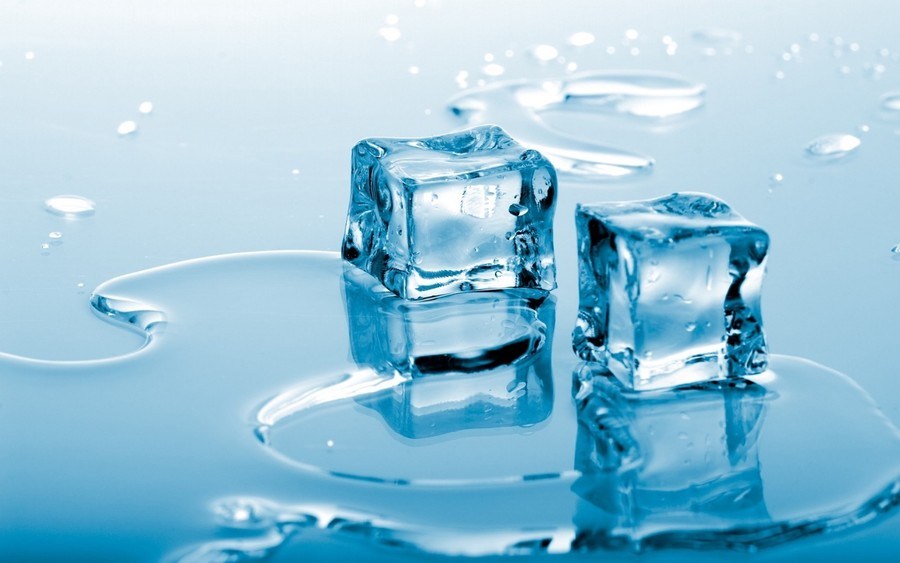
Water freezing into Ice
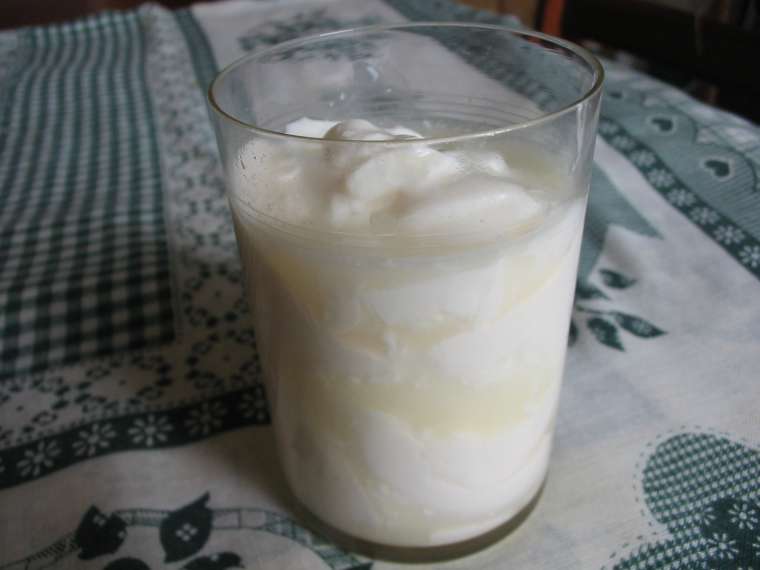
Milk curdling/souring.


Adding food dye to water
Chemical change
Physical Change
All of these are example of a physical change EXCEPT .....
Melting butter
Flattening a piece of metal
Cutting paper
Tarnishing silver vase
All these are example of a chemical change EXCEPT .....
Change in state
Change in color
Change in temperature
Change in order
Which of the following is the BEST evidence that rusting is a chemical property rather than a physical property of iron?
Rust forms slowly
Rust can form on any material made of iron
Rust cannot be turned back into iron
Rust does not look the same as iron.
Students collect rock samples on a field trip and test them for different properties. Which of the following is a chemical property of a rocks?
Having a white color
Reacting when test with a drop of acid
Having a rough surface
Being easy to scratch with a piece of metal.


