
 Worksheets
Unit 3 - TEST Review 7.6CDE Physical/Chemical Aqueous Sol
Total questions: 89
Worksheet time: 2hrs 39mins
A property that is observed without making changes to the substance.
Chemical Reaction
Chemical Property
Physical Property
Physical Reaction
When baking soda mixes with vinegar, a chemical reaction occurs. This reactivity is an example of a _______________.
Chemical Property
Physical Property
Which of the following is an example of a chemical change?
Cutting paper
Sugar burning
Freezing water
What are the units for volume?
g
mL
g/mL
mL/g
What are the units for mass?
g
mL
g/mL
mL/g
Solubility is an example of a....
Physical Property
Chemical Property
Flammability is a ________ property.
Physical
Chemical


A gel ice pack getting cold after you put it in the freezer for an hour.
Chemical Change
Physical Change
Melting
change of state from solid to liquid
change of state from liquid to solid
When we cut a piece of paper into triangles, which physical properties change?
The smell and taste
The texture and smell
The size and shape

Which of the following is an example of a physical change?
A glass falling and shattering on the floor.
Baking a birthday cake.
Burning a piece of paper.
Baking soda and vinegar mixing together.
What is the example of the physical change?
Burning firewood
Rotting Banana
Pencil breaking
What kind of change occurs if matter changes in amount, size, or shape?
substance change
physical change
chemical change
elemental change
What are the three states of matter?
gas, liquid, mass
solid, liquid, gas
mass, solid, magnet
density, volume, mass
An older bicycle shows wear and tear. Which of the following signs show that a chemical change has occurred to the bicycle?
rust on the wheel
broken light
torn seat cover
bent handle bar
A physical change is
a change where the characteristics do not change the substance
a change where the characteristics do change the substance
a change where the chemistry changes
What is the definition of chemical change?
any change that results in the formation of one (or more) new chemical substance(s)
changing of only the appearance of the object
matter cannot be created or destroyed, only change form
changes affecting the form of a chemical substance, but not its chemical composition
Sugar dissolving in water is a
Chemical Change
Physical Change
Which of the following is NOT an indicator of chemical changes?
Unexpected color change
Dissolving
Light production
Gas formation
Select ALL the characteristics of a physical change.
changes in appearance only
a new substance is not created
changes the pH level
chemical bonds are not created or broken
burning and fire
What is the term used to describe the substance that is dissolved in a solution?
Solvent
Solute
Concentration
Dilution
Jackson is preparing a saltwater solution for his science experiment. Which of the following describes the concentration of the solution?
The amount of solute in a given amount of solvent
The temperature of the solution
The color of the solution
The volume of the solvent
What happens to the concentration of a solution when more solvent (water) is added?
It increases
It decreases
It remains the same
It doubles
Which factor does NOT affect the rate of dissolution of a solid solute in an aqueous solution?
Temperature
Surface area
Agitation
Color of the solute
If you increase the temperature of a solution, what generally happens to the rate of dissolution of a solid solute?
It decreases
It increases
It remains the same
It doubles
How does increasing the surface area of a solid solute affect its rate of dissolution?
It increases the rate
It decreases the rate
What is the effect of stirring (agitation) on the rate of dissolution of a solid solute in an aqueous solution?
It decreases the rate
It increases the rate
Which of the following is an example of a solvent in an aqueous solution?
Sugar
Water
Salt
Sand
What is the process of reducing the concentration of a solute in a solution called?
Saturation
Dilution
Evaporation
Precipitation
Which of the following best describes an aqueous solution?
A solution where water is the solute
A solution where water is the solvent
A solution with no water
A solution with only solid components
If a solid solute is broken into smaller pieces, how does this affect its dissolution rate?
It decreases the rate
It increases the rate
Which of the following is NOT a method to increase the rate of dissolution of a solid solute?
Increasing temperature
Decreasing surface area
Stirring the solution
Increasing surface area
How does temperature generally affect the solubility of a solid solute in water?
Solubility decreases with increasing temperature
Solubility increases with increasing temperature
Which of the following actions would decrease the concentration of a solution?
Adding more solute
Adding more solvent
In Michael's science experiment with salt water, NaCl (salt) would be considered the ______.
Solution
Solute
Solvent
Solvation
Avery is conducting a science experiment. When water is added to a solution it is called a ______________
dilution
concentration
heterogeneous solution
dissociation
Luna and Daniel are conducting an experiment to see how much __________ can dissolve in a solvent to create saturated, unsaturated, and supersaturated solutions.
sugar
liquid
solution
solute
A solution that contains all of the solute that it can hold at a given temperature.
unsaturated solution
homogeneous solution
In a science experiment, Avery dissolved sugar in water. What is the substance in which the sugar is dissolved?
sands
solvent
alloy
negative particles

Aria is making lemonade. She adds sugar to the water. The sugar is a
solute
solution
science
Which of the following best describes a homogeneous mixture?
A mixture where the components are not uniformly distributed
A mixture where the components are uniformly distributed
A mixture of solids only
A mixture of gases only
Describe the effect of increasing temperature on the rate of dissolution of a solid solute in water.
It decreases the rate of dissolution
It has no effect on the rate of dissolution
It increases the rate of dissolution
It first increases then decreases the rate of dissolution
Explain how surface area affects the rate of dissolution of a solid solute in an aqueous solution.
Larger surface area decreases the rate of dissolution
Larger surface area increases the rate of dissolution
Surface area has no effect on the rate of dissolution
Smaller surface area increases the rate of dissolution
Which of the following is an example of a solute in an aqueous solution?
Water
Salt
Air
Oil
How does agitation (stirring) affect the rate of dissolution of a solid solute in water?
It decreases the rate of dissolution
It has no effect on the rate of dissolution
It increases the rate of dissolution
It first increases then decreases the rate of dissolution
Given a solution of saltwater, identify the solute and solvent.
Solute: Water, Solvent: Salt
Solute: Salt, Solvent: Water
Solute: Water, Solvent: Carbon dioxide
Solute: Carbon dioxide, Solvent: Water
Predict what will happen to the rate of dissolution if the temperature of the solvent is decreased.
The rate of dissolution will increase
The rate of dissolution will decrease
The rate of dissolution will remain the same
The rate of dissolution will first increase then decrease
A student dissolves sugar in water and notices that it dissolves faster when stirred. Explain why this happens.
Stirring decreases the temperature of the solution
Stirring increases the surface area of the solute
Stirring increases the interaction between solute and solvent particles
Stirring decreases the surface area of the solute
What is the primary characteristic of a pure substance?
It contains a mixture of different substances
It has the same atomic makeup and chemical properties throughout
It can be separated into different components by physical means
It is always a solid
Compare the rate of dissolution of a solid solute in hot water versus cold water.
The rate is higher in cold water
The rate is higher in hot water
The rate is the same in both
The rate is higher in cold water initially, then higher in hot water
A student adds a solid solute to water and observes that it dissolves faster when the solute is crushed into smaller pieces. Explain why this occurs.
Crushing the solute decreases its surface area
Crushing the solute increases its surface area
Crushing the solute decreases the temperature of the solution
Crushing the solute increases the temperature of the solution
Explain why carbon dioxide is considered a solute in soda.
Because it is the substance that dissolves other substances
Because it is the substance being dissolved in water
Because it is a solid
Because it is a liquid

When you dye Easter eggs, you mix food coloring and vinegar into boiling water to create the dye. Is this considered an aqueous solution?
yes
no
What is the main difference between a solution and a mixture?
Solutions can only be liquids, while mixtures can be in any state of matter
Solutions are always clear, while mixtures are cloudy
Solutions are homogeneous, while mixtures can be heterogeneous
Mixtures can be separated by physical means, while solutions cannot

Which of the following refers to substances that do not mix together and look different throughout?
homogeneous mixture
solution
heterogeneous mixture
solubility curve

Which of the following refers to the substance that is being dissolved in a solution?
solvent
solute
mixture
Which of the following is an example of a solvent?
sugar
salt
copper sulphate
water

Based on the solubility curve, how many grams of sugar will dissolve in a 100 mL of water at 20°C?
100 g
150 g
200 g
250 g

Which is an example of a solution?
Salt and Sugar
Salt Water
Jelly beans
Concrete

Which of the following should be done to make the solute dissolve faster in the solvent?
stir the solute
freeze the solute
decrease the temperature of the solvent
increase the particle size of the solute

To make a solute dissolve more quickly in a solvent which would you do?
Put it in cold water and stir it
Put it in warm water and stir it

Which of the following actions will NOT increase the rate of dissolution (dissolving)?
Stirring the solution
Decreasing the temperature
Increasing the surface area of the
solute
Increasing the temperature
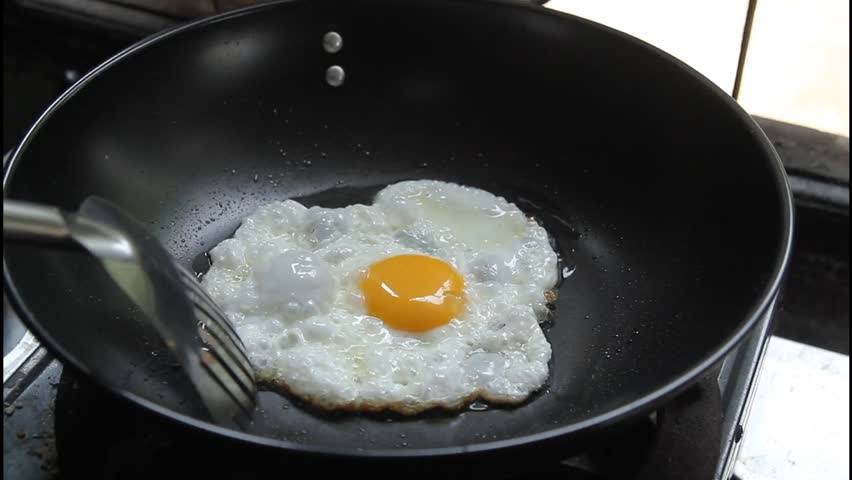
What kind of change is frying an egg?
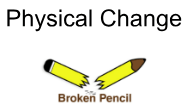
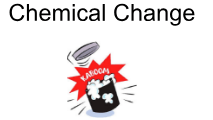
Physical Properties are
properties that can only be observed by the eyes
properties that can only be measured
properties that describe how a substance changes into a completely new substance
properties that can be observed without changing the identity of the substance
When a new substance is formed with different properties than the original substance it is called a...
Chemical change
Physical change
Change in State
Change in appearance only.

Identify what type of change happening in the picture below...
Chemical Change
Physical Change
Endothermic Reaction
Exothermic Reaction

Two solutions are added together and the new solution becomes hot. This tells you that
a gas is being produced.
the solutions are not soluble.
the physical properties are the same.
a chemical change is taking place.
What process is it called when a solid turns into a liquid and then turns into a gas? What are the TWO names of this type of change?
______ change
change in _______ of _______
phase
physical
state of matter
point of view
chemical

