
 Worksheets
Biomolecules
Total questions: 127
Worksheet time: 4hrs 26mins
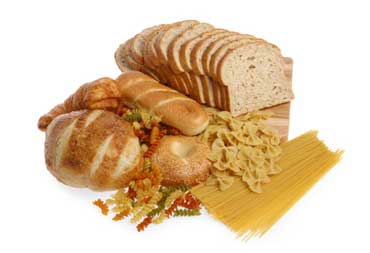

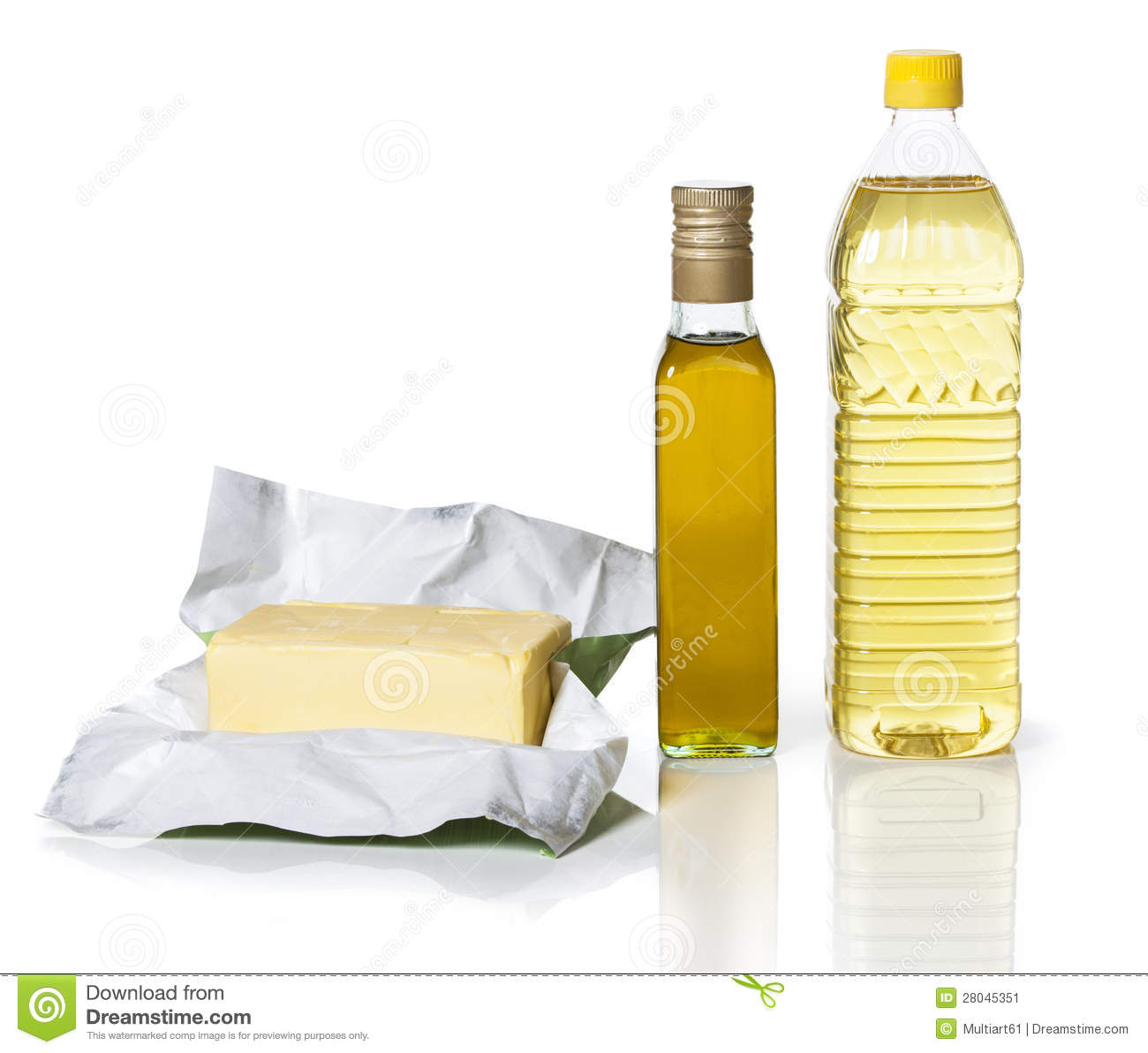
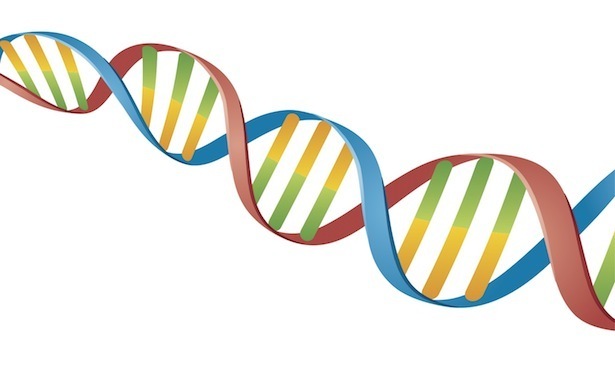
Which biomolecule helps form muscles?
Nucleic Acid
Carbohydrate
Protein
Lipids
Which biomolecule is made of nucleotides and contains your DNA?
Carbohydrate
Lipids
Protein
Nucleic Acid
Which biomolecule helps form muscles?
Nucleic Acid
Carbohydrate
Protein
Lipids

What are lipids?
Polymers made of amino acids
Monomers that store and transfer genetic information
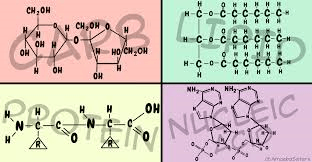
Fatty acids not generally soluble in water
Complex carbohydrates like starch

Which biomolecule makes up cell membranes?
Protein
Carbohydrate
Lipid
Nucleic acid

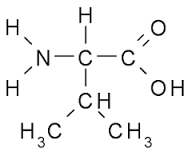
Identify the biomolecule
Carbohydrate
Lipid
Protein
Nucleic Acid
What is the monomer of a carbohydrate?
Monosaccharide
Amino acid
Triglyceride
Nucleotide
What biomolecule is responsible for immune support such as antibodies?
Nucleic Acid
Lipid
Protein
Carbohydrate
Which of the following is a complex polysaccharide?
Starch
Glucose
Glycerol
Phosphate
How do animals store complex sugars?
In the form of glycogen
In the form of cellulose
In the form of chitin
None of the above
Which triglyceride is solid at room temperature?
Unsaturated
Saturated
Amino Acids
Nucleotide
Which biomolecule includes RNA as an example?
Protein
Lipid
Nucleic Acid
Carbohydrate
Which element is found in only proteins and nucleic acids?
Nitrogen
Hydrogen
Helium
Oxygen
What is homeostasis?
Keeping something at an ideal position/setting
A species of hominids
The category in which we put biomolecules
A mixture that is fully blended (with all biomolecules equal)
What are the FOUR most common elements in living things?
Carbon
Silicon
Nitrogen
Hydrogen
Oxygen
What is the function of carbohydrates?
Perform cell's functions/tasks
Fast energy
Energy storage
Alter other biomolecules
Store information for cells
Carbohydrates are primarily made out of...
Carbon
Hydrogen
Oxygen
Nitrogen
Phosphorus
What is the function of proteins?
Perform cell's functions/tasks
Fast energy
Energy storage
Alter other biomolecules
Store information for cells
Proteins are primarily made out of... (and sometimes Sulfur)
Carbon
Hydrogen
Oxygen
Nitrogen
Phosphorus
What is the function of nucleic acids?
Perform cell's functions/tasks
Fast energy
Energy storage
Alter other biomolecules
Store information for cells
Nucleic acids are primarily made out of...
Carbon
Hydrogen
Oxygen
Nitrogen
Phosphorus
What is the function of lipids?
Perform cell's functions/tasks
Fast energy
Energy storage
Alter other biomolecules
Store information for cells
Lipids are primarily made out of...
Carbon
Hydrogen
Oxygen
Nitrogen
Phosphorus
Your friend is really irritable while sitting in class. He feels lightheaded and dizzy. He is also feeling a bit of confusion and brain fog.
What inferences are most realistic to make about the biomolecules in your friend's body?
He is running low on fast sources of energy
Proteins are being broken down or reshaped
The coding information in the cell is incorrect or incomplete
There is not enough insulation or energy storage
Your friend is really irritable while sitting in class. He feels lightheaded and dizzy. He is also feeling a bit of confusion and brain fog.
What biomolecule does your friend need?
Carbohydrates
Lipids
Proteins
Nucleic Acids
Dystrophin is a molecule that holds muscle fibers together. In people with muscular dystrophy, a genetic disease that causes people to lose the ability to walk at a young age, dystrophin molecules never develop.
What can you infer about the biomolecules of affected individuals? (select all correct answers)
There is a lack of sources of fast energy
A biomolecule is missing
The coding information in the cell is incomplete or incorrect
If removes insulation and long term energy storage
Dystrophin is a molecule that holds muscle fibers together. In people with muscular dystrophy, a genetic disease that causes people to lose the ability to walk at a young age, dystrophin molecules never develop.
What biomolecule is this person missing?
Carbohydrates
Lipids
Proteins
Nucleic Acids
Bowhead whales can have a specialized layer of blubber up to 30 cm’s thick. This acts as a special insulation that traps the heat their muscles create from movement.
What biomolecule is the blubber primarily made of?
Carbohydrates
Lipids
Proteins
Nucleic Acids
Helicase is an example of a biomolecule that can destroy bonds between DNA strands during DNA replication.
What biomolecule is helicase?
Carbohydrate
Lipid
Protein
Nucleic Acid
A scientist discovers new life on a distant planet. While watching the alien species live on the planet, scientists begin to notice that in order to hunt this species will attack another smaller species and inject them with some sort of liquid. After a short time, the smaller organism develops a sort of necrosis which is when a small portion of the organism's flesh begins to break down. Soon after necrosis begins the smaller organism dies.
What can you infer about the function of the poison?
It decreases fast sources of energy
Proteins are being broken down or reshaped
The coding information in the cell is altered
If removes insulation and long term energy storage
A scientist discovers new life on a distant planet. While watching the alien species live on the planet, scientists begin to notice that in order to hunt this species will attack another smaller species and inject them with some sort of liquid. After a short time, the smaller organism develops a sort of necrosis which is when a small portion of the organism's flesh begins to break down. Soon after necrosis begins the smaller organism dies.
What biomolecule are the aliens injecting?
Carbohydrates
Lipids
Proteins
Nucleic Acids
There is a person with Albinism. This individual does not produce melanin. Melanin allows for people to be protected from the sun. Since Albinos do not produce this protein they are prone to getting sunburns.
What inferences are most realistic to make about the biomolecules in this individual's body?
He is running low on fast sources of energy
Proteins are being broken down or reshaped
The coding information in the cell is incorrect or incomplete
There is not enough insulation or energy storage
There is a person with Albinism. This individual does not produce melanin. Melanin allows for people to be protected from the sun. Since Albinos do not produce this protein they are prone to getting sunburns.
What biomolecule results in the individual having albinism?
Carbohydrates
Lipids
Proteins
Nucleic Acids
What is the function of carbohydrates?
Provide energy
Build muscle
Insulate the body
Store genetic information
What are the monomers of carbohydrates called?
Monosaccharides
Fatty acids
Amino acids
Nucleotides
What are lipids commonly known as?
Proteins
Carbohydrates
Fats
Nucleic acids
What is the function of lipids in insulation?
Store energy
Build muscle
Provide structure
Keep warm
What are the monomers of lipids called?
Monosaccharides
Fatty acids
Amino acids
Nucleotides
What is the function of proteins in the body?
Provide energy
Insulate the body
Build muscle
Store genetic information
What are the monomers of proteins called?
Monosaccharides
Fatty acids
Amino acids
Nucleotides
What is the function of nucleic acids in the body?
Provide energy
Insulate the body
Build muscle
Store genetic information
What are the monomers of nucleic acids called?
Monosaccharides
Fatty acids
Amino acids
Nucleotides
Which elements are common to all 4 biomolecules?
Carbon, Hydrogen, Oxygen
Carbon, Hydrogen, Oxygen, Nitrogen
Carbon, Hydrogen, Oxygen, Phosphorous
Carbon, Hydrogen, Nitrogen, Phosphorous
Which biomolecule helps form muscles?
Nucleic Acid
Carbohydrate
Protein
Lipids
The four most common elements found in living organisms are Oxygen, Nitrogen, Hydrogen and
Carbon
Fluorine
Sodium
Potassium
An atom has equally numbered positive & negative charged particles, which makes the net charge
positive
negative
no charge (neutral)
Wait...I have to do math?
Elements such as iron, aluminum, oxygen, and hydrogen can be further broken down into their simplest form of the particular (a) that form them.

Another way of describing a compound is to say,
Different groups of atoms combining together
More than one element combines with a molecule
Molecules composed of more than one different atom
The bonded pairing of different elements to form new substances

How are elements different from compounds?

When is an ionic bond formed?
when electrons are shared
when protons are shared
when oppositely charged atoms gain or lose electrons
when oppositely charged atoms gain or lose a proton

What makes carbon so important to life?
bonding properties
its place on the Periodic Table
it is a reactant in all chemical reactions
it is an enzyme

What gives water so many important properties for life?
adhesion and cohesion
the amount of carbon in each molecule
energy released exothermically
hydrogen bonds give it polarity

What makes a chemical reaction?
matter is conserved
breaking and forming of chemical bonds
when products form reactants
when you do a lab
What are the smallest basic units of matter?
molecules
atoms
elements
7th graders
Exothermic reactions
absorb more energy than they release
are cold
do not use bond energy for activation
release more energy than they absorb

Which of the following solutions has the highest Hydrogen ion concentration?
a solution with a pH of 1
a solution with a pH of 4
a solution with a pH of 7
a solution with a pH of 10
A catalyzed reaction
increases the products made
uses less activation energy to get started
has a slower reaction rate
uses more reactants throughout the reaction
Enzymes act on
products
proteins
amino acids
substrates
Atoms that share electrons are
in a covalent bond
in an ionic bond
are usually salts
always metals

What are the reactants in this chemical equation?
CH4 and 2O2
carbon and oxygen
CO2 and 2 H2O
water and methane
Activation energy
is the term for the amount of energy in each reactant
helps the enzyme to increase the rate of the reaction
is the term for the amount of energy that needs to be added for a chemical reaction to start
is the term for the amount of energy released by the reaction after it starts
What are the 4 types of carbon-based molecules in organisms?
carbohydrates, lipids, fatty acids, and monomers
polymers, monomers, acids, bases
adhesion, cohesion, evaporative cooling, and high specific heat
nucleic acids, proteins, lipids, and carbohydrates
What are proteins made of?
amino acids
monosaccharides
nucleic acids
fatty acids
Which carbon-based molecule includes sugar and starches?
carbohydrates
lipids
proteins
nucleic acids
What is the primary function of DNA?
to make nucleic acids
long term energy storage
store genetic information
to function as RNA

What are the products in this chemical reaction?
calcium and oxygen
Ca and CaO
2Ca and O2
2CaO

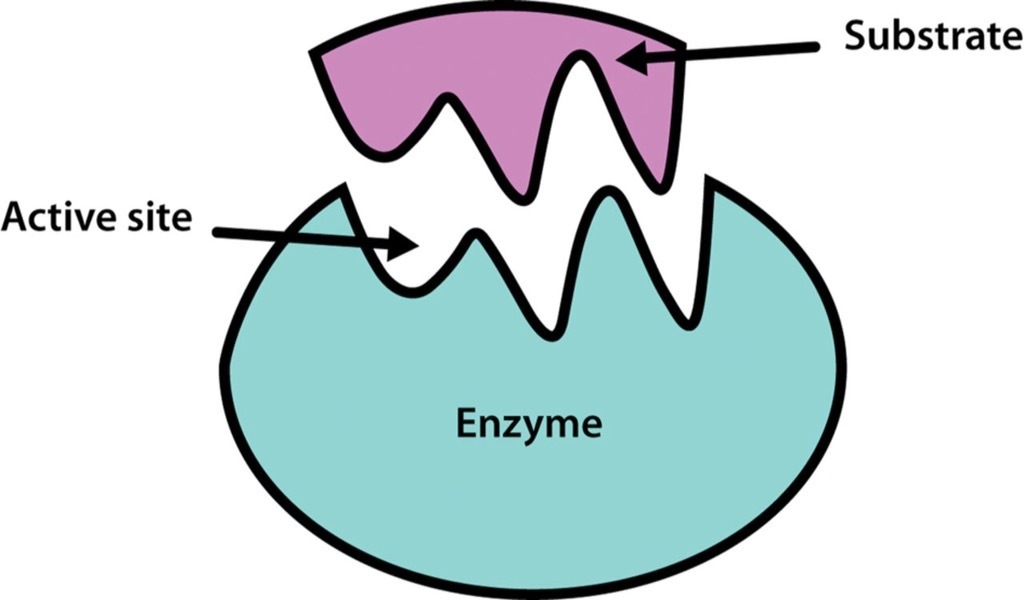
What is happening in this picture?
an enzyme is binding a substrate together to form a product
an enzyme is breaking down a substrate to release new products
the active site of the enzyme does not fit the substrate
a change in pH has damaged the enzyme

The building blocks of most living things contain the element
carbon
nitrogen
calcium
sodium
Changes in the pH, temperature, enzyme concentration, and/or substrate concentration can negatively affect
the activation energy of chemical reactions
the bond energy released by reactants in a reaction
the efficient function of an enzyme or catalyzed reaction
the polarity of water used for evaporative cooling

