
 Worksheets
Unit 2 Study Guide Cells and Cell structure
Total questions: 54
Worksheet time: 32mins

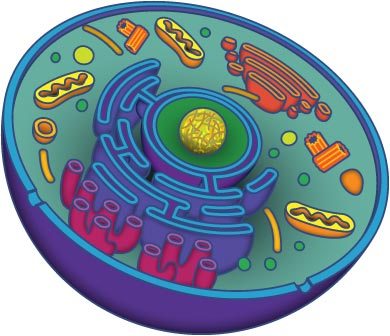
Unicellular organism that lacks a nucleus
Prokaryotic Cell
Eukaryotic Cell
Organism whose cells contain a nucleus
Prokaryotic Cell
Eukaryotic Cell
Assembles proteins and lipids
Two types: Rough and Smooth
nucleus
mitochondria
chloroplast
endoplasmic reticulum
Converts solar energy to chemical energy stored in food
nucleus
mitochondria
chloroplast
endoplasmic reticulum
Which organelle contains genetic material?
Endoplasmic Reticulum
Golgi Complex
Nucleolus
Nucleus




What is a fun way to remember what the Endoplasmic Reticulum does?
transportER
I am a mighty powerhouse
Im the control center

Which organelle receives proteins and materials from the ER, packages them and distributes them
Vacuoles
Golgi Bodies
Nucleus
Chromatin

Which organelle is found inside the nucleus and produces ribosomes
Nucleolus
Cell Membrane
Lysosome
Golgi Bodies

What is the function of the cell membrane?
To control what comes in and out of the cell
To break down food inside the cell
to serve as a barrier
to eat the cells food
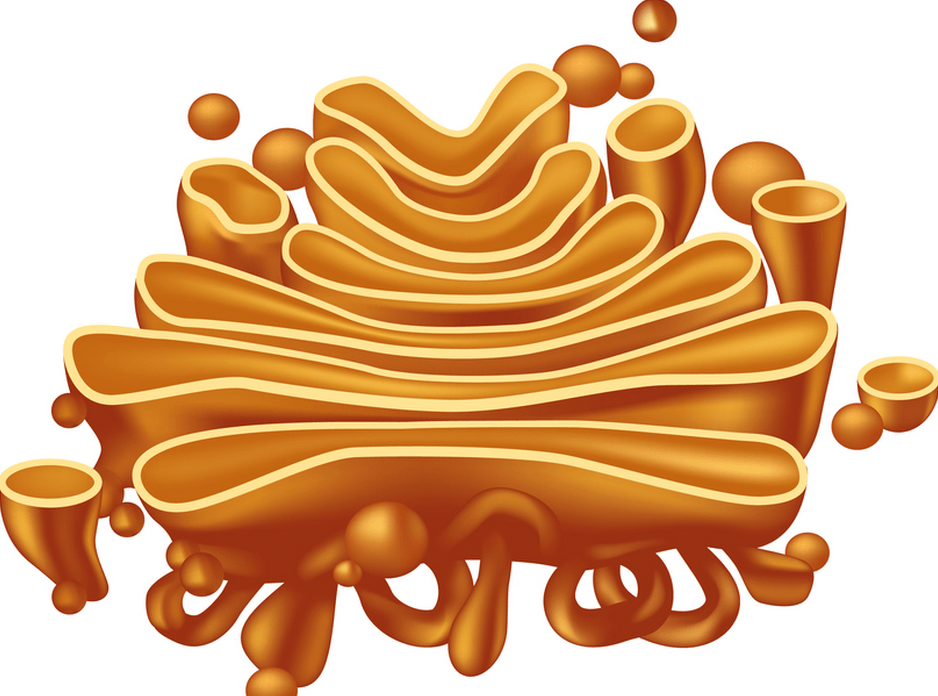
Which organelle is for packaging and shipping?
vacuole
ribosome
endoplasmic reticulum
golgi apparatus
The rough endoplasmic reticulum, has what organelle attached to it?
vacuoles
ribosomes
lysosomes
mitochondria
Organelle in a cell that receives proteins and other newly formed materials from the endoplasmic reticulum, packages them, and distributes them to other parts of the cell
Golgi Apparatus
Lysosome
Endoplasmic Reticulum
Chloroplast
All of the following contain a cell wall except:
prokaryotes
animal cells
plant cells
bacteria
Which do BOTH prokaryotes and eukaryotes contain?
nucleus
mitochondria
ribosomes
cell wall
Which type of plant cell would have more chloroplasts than others?
Leaf cell
Root cell
Stem cell
Root epidermal cell

A table with characteristics of three different cells is shown. Cell 1 is a _____.
prokaryote
eukaryote
A table with characteristics of three different cells is shown. Cell 2 is a _____.
prokaryote
eukaryote
Which cell type tends to be smaller?
Prokaryote
Eukaryote
there is not a size difference
The flu, which is caused by Influenza, is caused by a?
Bacteria
Virus
Which pathogens are largest in size?
Viruses
Bacteria
Both viruses and bacteria are about the same size
Composed of a protein coat called a capsid which contains DNA or RNA, or never both?
Viruses
Bacteria
Both viruses and bacteria
These are considered to be living organisms _________________.
Viruses
Bacteria
Both viruses and bacteria
These are considered to be non-living particles __________________.
Viruses
Bacteria
Both viruses and bacteria
Which one(s) reproduce by hi-jacking a host cell machinery?
Viruses
Bacteria
Both viruses and bacteria
Antibiotics can treat infections caused by __________________.
viruses
bacteria
viruses or bacteria
anything
What is a host?
An organism that eats another organism
An organism or a cell that the virus needs to reproduce in
Something that causes harm to the cell
The person that greats you at a resturant
Contain a large central vacuole
animal cells
plant cells
both
neither
Contains chloroplasts
plant cells
animal cells
both
neither
Contains a cell membrane
animal cell
plant cell
both
neither
Contains a cell wall
animal cell
plant cell
both
neither
A group of organs form
Cells
Tissue
Organs
Organ systems
A group of tissue form
Cells
Tissue
Organs
Organ systems
A group of cells form
Cells
Tissue
Organs
Organ systems
What acronym helps us remember the levels of organization?
CTOS
(Cells, Tissue, Organs, Organ systems)
G Triple C For Real
Triple C
(Cell wall, Chloroplast, Central vacuole)
My Very Excellent Mother Just Served Us Nachos
What acronym helps us remember the what plant cells have that animals cells do not?
CTOS
(Cells, Tissue, Organs, Organ systems)
G Triple C For Real
Triple C
(Cell wall, Chloroplast, Central vacuole)
My Very Excellent Mother Just Served Us Nachos

