
Font size
 Worksheets
Lab Exam 1: Exercises 1-6
Total questions: 89
Worksheet time: 1hrs 5mins
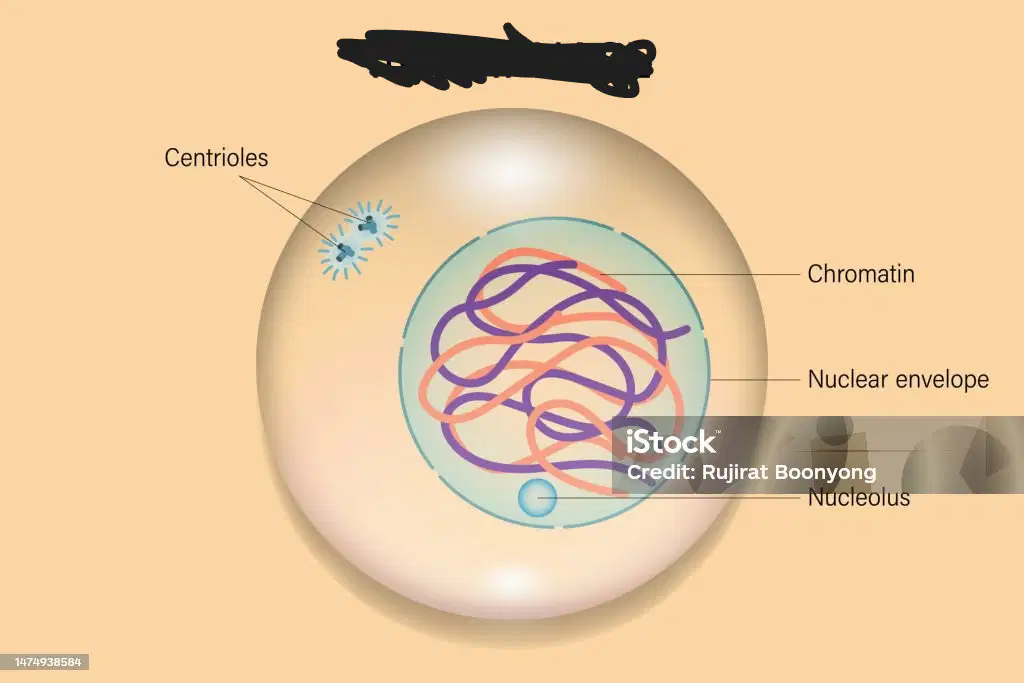
Which Cell phase is this?
Interphase
Metaphase
Prophase
Anaphase

Which Cell phase is this?
Interphase
Prophase
Metaphase
Anaphase
The final stage of cell division is which phase? (Hint: Daughter cells are developed)
Interphase
Metaphase
Telophase
Anaphase
Which cell phase do the chromatids seperate?
Interphase
Anaphase
Prophase
Telophase

Name the part
Course adjustment knob
Mechanical Stage
Base
Fine adjustment Knob

Name the part
Fine adjustment knob
Stage
Base
Arm

Name the part
Eyepieces (Ocular lens)
Arm
Objective lens
Diaphragm

Name the part
Arm
Base
Eyepieces
Lightswitch
What is the total magnification on high power?
4
100
40
400
What is the total magnification of low power?
4
40
100
400
Which part of the microscope should you use to sharpen the image?
Diaphragm
Coarse adjustment
Stage
Fine adjustment
Which objective should be used to first find an image?
Low power
Medium power
High power

What piece holds and turns the objective lenses into viewing position?
Aperture
Objective
Nosepiece
Stage Clips

What is the name of this part?
arm
eyepiece/ocular lens
nosepiece
objective lens

What is the name of this part?
stageclips
stage
objective lens
slide
How many mm is there for scanning?
4.6mm
1.8mm
0.46
How many mm is there for low power?
4.6mm
1.8mm
0.46
How many mm is there for high power?
4.6mm
1.8mm
0.46
Convert this DNA to mRna:
C A T G T A
(a)
During which phase of the cell cycle does the cell actually separate into 2 daughter cells?
interphase
prophase
cytokinesis
metaphase
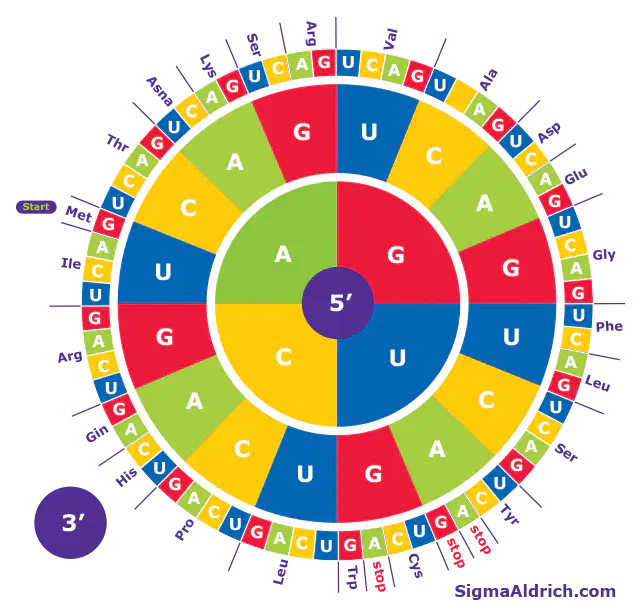
Use the chart to determine the amino acids for:
G U A & CAU
Leu
His
Thr
Pro

Identify the tissue
Simple Squamous Epithelium
Stratified squamous epthelium
Simple Columnar epithlium

Identify the location of this tissue
lungs
Esophagus
skin
stomach

Identify the function of this tissue
Absorption of materials
Secrete and absorption
Protection
the nucleus fades away and chromosomes become visible
Prophase
Anaphase
Telophase
Metaphase
the chromosomes line up in the middle of the cell
Anaphase
interphase
Metaphase
prophase
the sister chromatids move apart to separate sides of the cell
Interphase
Anaphase
Metaphase
Telophase
the division of the cytoplasm creating 2 daughter cells
Anaphase
Cytokinesis
Telophase
Metaphase
the division (cleavage) of two cells appear. 2 nuclei are visible
Prophase
Metaphase
Telophase
Anaphase
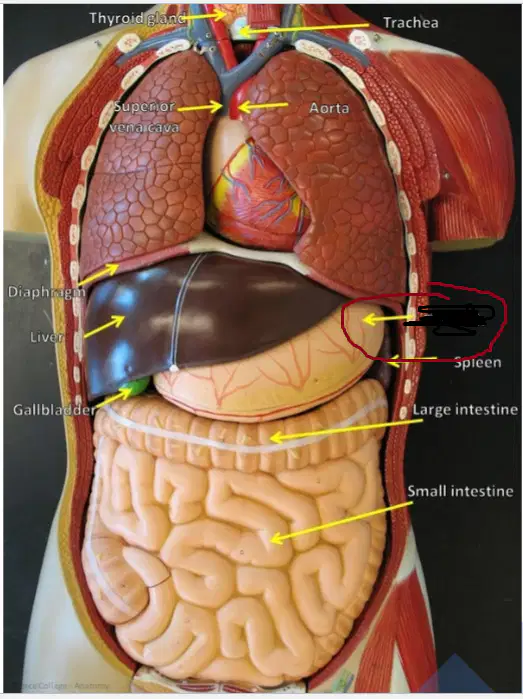
Which Organ is covered
Stomach
Small intestine
Spleen
Pancreas

Which type of tissue lines the surfaces of the body?
epithelial
connective
muscular
nervous

Which type of tissue contracts to cause movement?
epithelial
connective
muscular
nervous

Which type of tissue supports and separates other tissues and organs?
epithelial
connective
muscular
nervous
What is the term for cells grouped together to perform a specific function?
cell
tissue
organ
organ system
What is the term for a group of organs that break down food so that it can be used for energy, cell growth and repair?
circulatory system
digestive system
excretory system
muscular system
nervous system
What is the term for the control center for the entire body that sends signals from throughout the body to the brain?
circulatory system
respiratory system
excretory system
muscular system
nervous system
What is the term for the organ system that provides oxygen to the blood and removes carbon dioxide from the blood?
circulatory system
respiratory system
nervous system
muscular system
digestive system
What is the term for the organ system that allows for the body’s movement, including voluntary and involuntary movement?
excretory system
respiratory system
nervous system
muscular system
digestive system
What organ system are the kidney part of?
digestive system
excretory system
muscular system
nervous system
circulatory system
What organ system are blood vessels part of?
digestive system
respiratory system
muscular system
nervous system
circulatory system
What organ system are the small and large intestine part of?
digestive system
respiratory system
muscular system
nervous system
excretory system
This blood vessel carries blood away from the heart
veins
arteries
capillaries
blood

Which artery is directly connected to the heart and travels down the chest and torso? (highlighted in green)
Carotid
Aorta
Renal
Femoral

Which artery travels up into the head from the neck? (highlighted in green)
Brachial
Pulmonary
Carotid
Iliac

Which artery is located in the proximal part of the leg? (Highlighted in green).
Radial Artery
Renal Artery
Pulmonary Artery
Femoral Artery

Which vein delivers blood to the superior part of the heart? (Highlighted in green)
Inferior Vena Cava
Superior Vena Cava
Jugular Vein
Portal Vein

The main vein(s) that brings blood to the right atrium?
Aorta
Pulmonary veins
Superior and Inferior vena cava
Jugular vein
The sac that surrounds and protects the heart?
endocardium
epicardium
myocardium
pericardium

Name part N.
Right atrium
left atrium
right ventricle
left ventricle

Name part A.
Pulmonary artery
Pulmonary vein
Superior vena cava
Aorta

Name part B.
Pulmonary arteries
Pulmonary veins
Superior Vena cava
Aorta
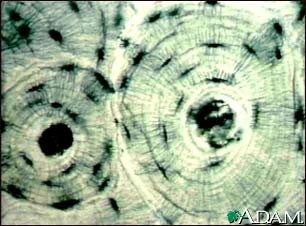
smooth muscle
bone
nerve
blood

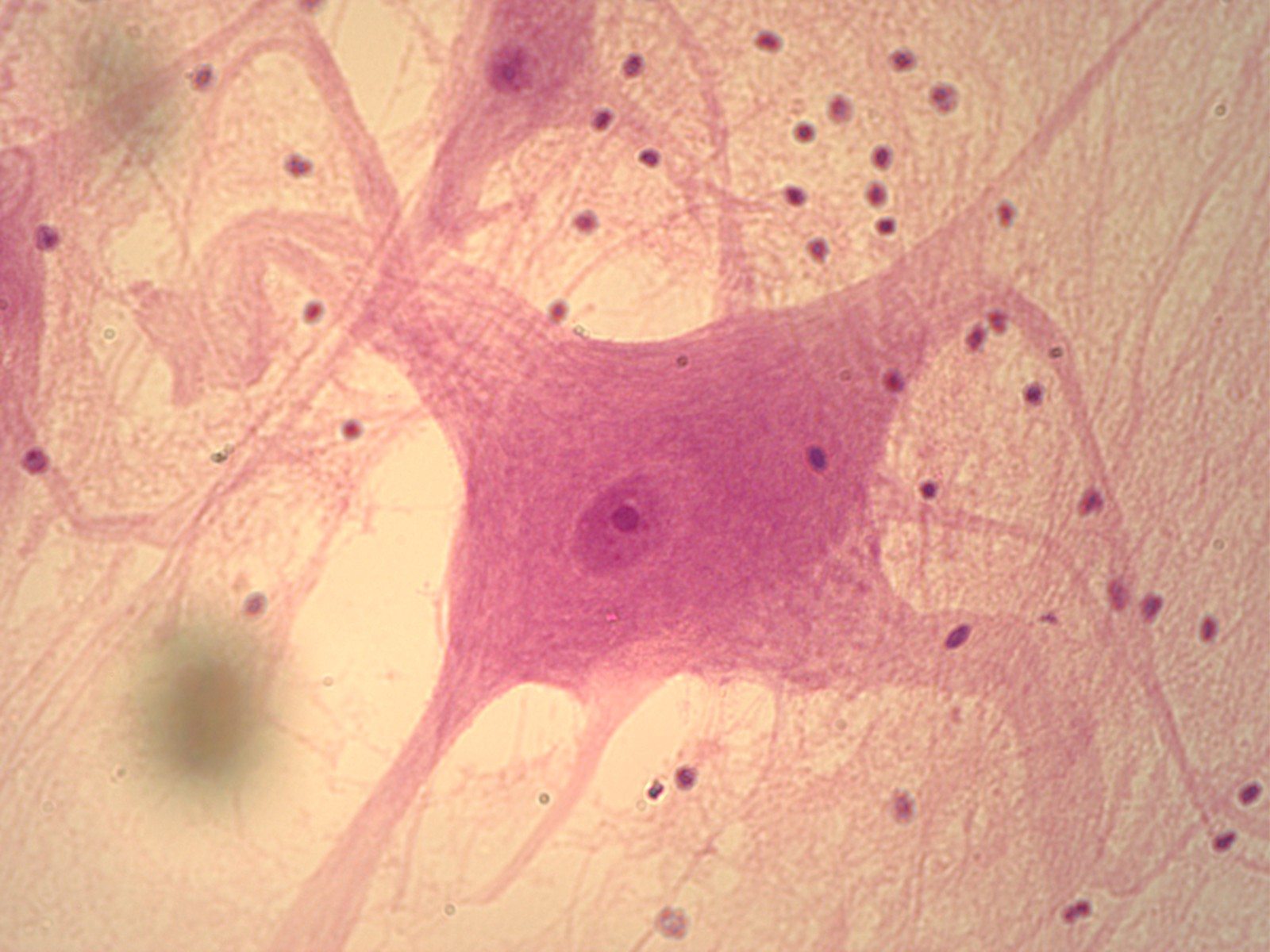

Chondrocytes secrete an intercellular material that contains thickened ground substance in which type of tissue
compact bone
dense connective tissue
cartilage
skeletal muscle
Covers the body surface and forms the lining for most internal cavities.
epithelial tissue
connective tissue
muscle tissue
nervous tissue
episodic tissue

What tissue is this?
Connective
Epithelial
Nervous tissue
Muscular
muscles are located in all the following EXCEPT
Inside bones
In the heart
Attached to bones
In the digestive tract

Hyaline cartilage
Adipose tissue
Elastic cartilage
Areolar tissue

Blood cells
Reticular tissue
Adipose tissue
Dense irregular connective tissue

Fibrocartilage
Areolar tissue
Reticular tissue
Red blood cells

Fibrocartilage
Adipose tissue
Elastic cartilage
Hyaline cartilage

Compact (bone)
Elastic connective tissue
Fibrocartilage
Dense regular connective tissue

Hyline cartilage
Elastic cartilage
Elastic connective tissue
Adipose tissue

Elastic connective tissue
Dense regular connective tissue
Fibrocartilage
Areolar connective tissue
Which is known as fat?
areolar
adipose
fibrous
Which makes up tendons and ligaments?
areolar
adipose
fibrous
Which is found between vertebrae?
hyaline
elastic
fibrocartilage
What type of tissue is strong but not so elastic?
adipose
elastic
collagenous
loose
What is the most abundant tissue of the body?
epithelium
connective
nerves
muscular

What type of cartilage is this?
Hyaline
Fibro
Elastic

What type of cartilage is this?
Hyaline
Fibro
Elastic

What type of tissue is this?
Adipose
Areolar
Reticular
Dense
The heart is a part of which body system?
Nervous
Muscular
Circulatory
Respiratory
What is carried through our blood to different parts of our body?
Carbon Dioxide
Protein
Oxygen
blood

Teisus
(a)
The organ that helps break down fatty food
stomach
liver
pancreas
bladder
The organ that helps digest proteins and starches.
liver
stomach
pancreas
gall bladder
Choose all correct answers.
The organs that help with digestion are:
mouth- tongue, salivia, teeth
kidneys and bladder
stomach
liver and pancreas
large and small intestines
The organ responsible for pumping oxygenated blood throughout the body is
lungs
heart
stomach
sensory organs
The function of the lungs is to take in ________ and remove _____________ from the body.
carbon dioxide...oxygen
blood...carbon dioxide
oxygen...carbon dioxide
air...nitrogen
Select all that apply.
Which correctly describes the function of muscles?
Skeletal muscles are attached to bones and help us move.
Smooth muscles are attached to organs to help them do their jobs.
Cardiac Muscle is another name for the heart and pumps blood to the body.
Smooth muscles are voluntary muscles that we control.
Smooth muscles are involuntary muscles that we do not control.
The breaking down of food into nutrients that the body can use is
circulation
digestion
removing waste
breathing

