wayground logo

Free Printable Worksheets

Font size

S
M
L
XL
Worksheets

Units Extension!

Total questions: 51

Worksheet time: 1hrs 9mins

Name
Class
Date
1.

The ________ controls the movement of materials into and out of the cell.

a)

cell membrane

b)

nucleus

c)

cytoplasm

d)

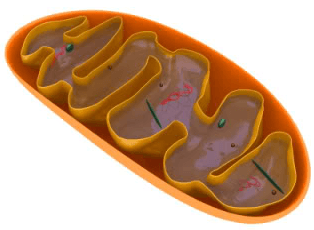
mitochondrion

2.

What structure in a plant cell enables the cell to capture energy from the Sun?

a)

cell wall

b)

chloroplast

c)

mitochondrion

d)

central vacuole

3.

The __________ is the control center of a cell.

a)

mitochondrion

b)

nucleus

c)

vacuole

4.

The DNA is found in the ________ of a prokaryote.

a)

cytoplasm

b)

nucleus

5.

Both plant and animal cells have a cell membrane.

a)

True

b)

False

6.

Follows the instructions of the nucleus and creates proteins

a)

Endoplasmic reticulum

b)

Golgi Bodies

c)

Ribosomes

d)

Nucleus

7.
Which of the following is an example of a prokaryotic cell? 
a)
Virus 
b)
Plant Cell 
c)
Bacteria 
d)
Animal Cell 
8.
What are tiny organelles that convert glucose into ATP?
a)
Ribosomes
b)
Vesicles
c)
Cytoskeleton
d)
Mitochondria
9.

All viruses are different, but what are two parts that a virus must have?

a)

Genetic Information (DNA or RNA)

b)

a lipid membrane

c)

a nucleus

d)

a protein coat

10.

Which of these statements is true?

a)

A virus is unicellular, it has only one cell.

b)

A virus may sometimes be multicellular, have many cells.

c)

A virus has no cells

11.

Cell membranes of living organisms are made of a bilayer (2 layers) of

a)

lipids

b)

proteins

c)

carbohydrates

12.

What part of a virus houses the genetic material (DNA/RNA)?

a)

tail

b)

nucleus

c)

capsid

d)

lipid

13.
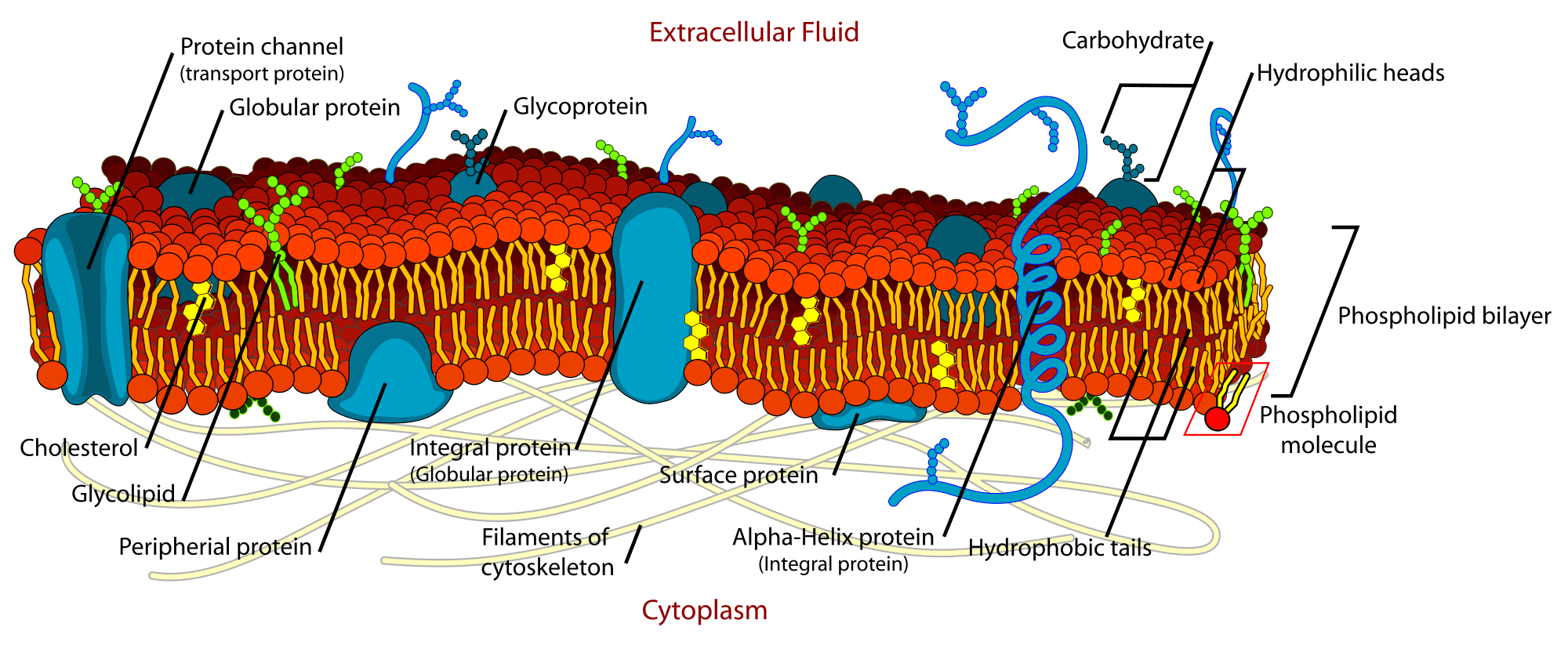
What is this image?
a)
cell membrane
b)
proteins
c)
carbohydrates
d)
lipids
14.
The function of the plasma membrane is....
a)
to regulate what enters and leaves the cell.
b)
fight bacteria and viruses that enter the cell.
c)
provide rigid support and protection to the cell.
d)
make sure each cell can move
15.
What is the diffusion of water?
a)
osmosis
b)
active transport
c)
diffusion
d)
facilitated diffusion
16.
Which type of movement requires energy?
a)
osmosis
b)
active transport
c)
diffusion
d)
facilitated diffusion
17.
What are the three types of passive transport?
a)
osmosis, diffusion, active transport
b)
active transport, facilitated diffusion, osmosis
c)
diffusion, osmosis, facilitated diffusion
d)
facilitated diffusion, active transport, diffusion
18.
Which type of movement has channels that help large molecules move through the cell membrane?
a)
active transport
b)
diffusion
c)
osmosis
d)
facilitated diffusion
19.
What biomolecule do enzymes belong to? 
a)
Carbohydrate
b)
Lipid
c)
Nucleic Acid
d)
Protein
20.
Which biomolecule is a main source of quick energy?
a)
Nucleic Acid
b)
Protein
c)
Lipid
d)
Carbohydrate
21.
Which biomolecule is found in fats, oils, and waxes and is a source of long-term energy
a)
Proteins
b)
Nucleic Acid
c)
Lipids
d)
Carbohydrate
22.
What is the function of a nucleic acid?
a)
Stores genetic information
b)
Stores energy
c)
Quick source of energy
d)
Builds structures
23.
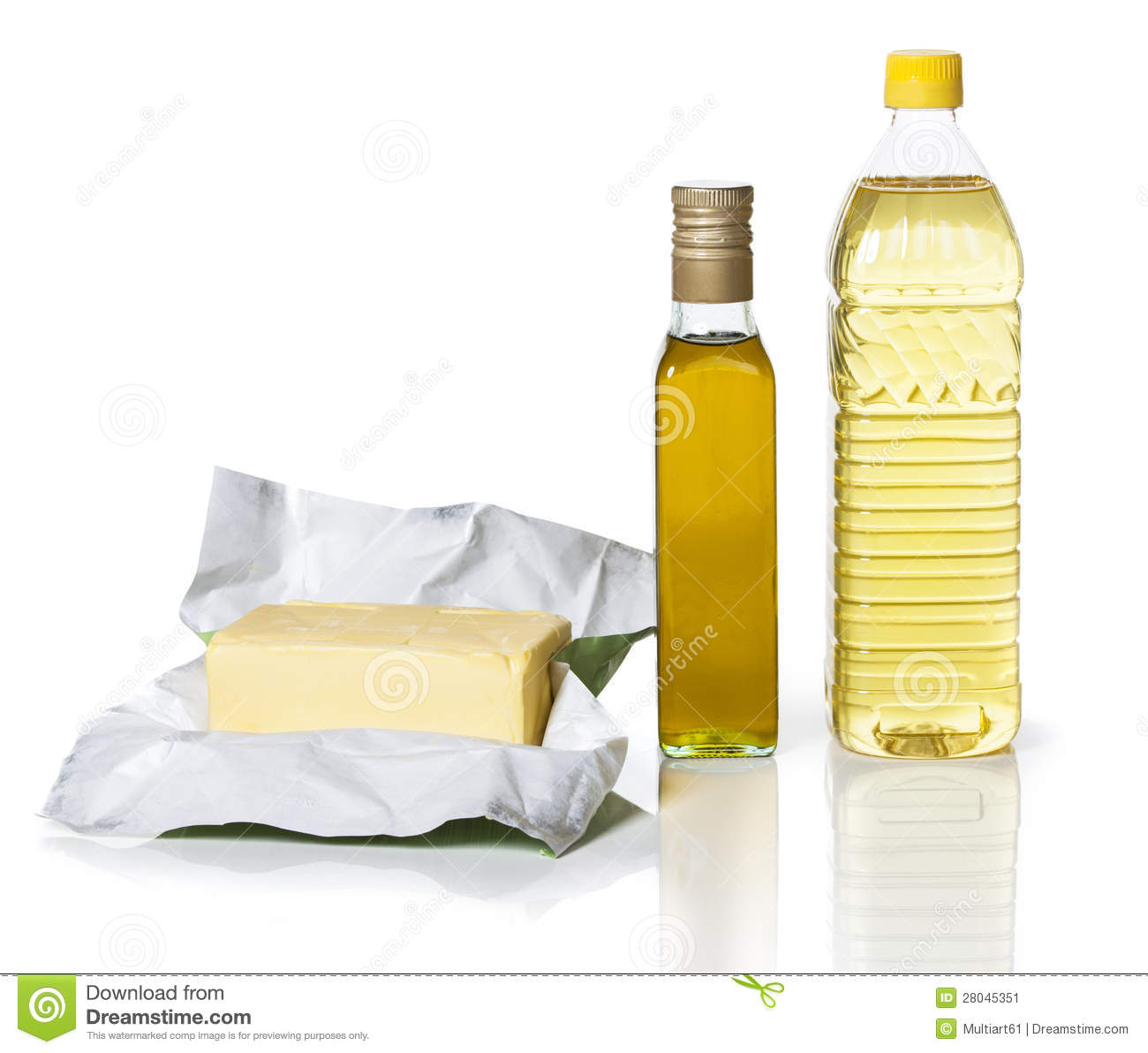
What type of molecule is this?
a)
Nucleic acid
b)
Protein
c)
Carbohydrate
d)
Lipid
24.
A monomer is ...
a)
a single atom
b)
a building block for polymers
c)
a single element
d)
is an inorganic molecule
25.
What is the purpose  of an enzyme?
a)
give permission for the reaction
b)
raise activation energy
c)
speed up reactions
d)
control how many reactions occur
26.

The substance that binds to an enzyme is called a?

a)

Polypeptide

b)

Co-enzyme

c)

Vitamin

d)

Substrate

27.

The ____________________ mechanism describes how each substrate must fit into the enzyme.

a)

lock and key

b)

hammer and nail

c)

jigsaw puzzle

d)

seesaw

28.

Where do substrates bind to an enzyme?

a)

calcium channels

b)

active site

c)

receptor molecules

d)

voltage-gated channels

29.

Once a new product leaves an enzyme, the enzyme is unchanged and ready for the next substrate. What is this called?

a)

fragile

b)

reusable

c)

specific

d)

catalyst

30.
What is a substance called if it speeds up a chemical reaction?
a)
reusable
b)
catalyst
c)
specific
d)
fragile
31.
With what 3 letters do enzymes typically end?
a)
-ose
b)
-ase
c)
-ese
d)
-tic
32.
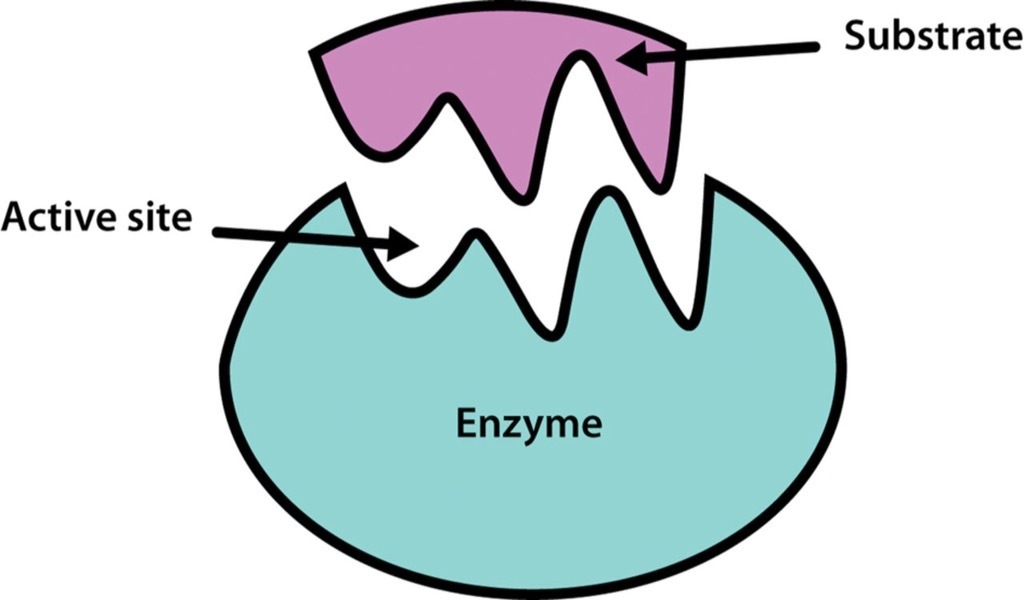
What is structure A?
a)
Substrate
b)
Active site
c)
Enzyme
d)
Products
33.
What is structure D?
a)
Substrate
b)
Active site
c)
Enzyme
d)
Products
34.
What are the products of photosynthesis?
a)
oxygen and carbon dioxide
b)
oxygen and glucose
c)
carbon dioxide and water
d)
water and glucose
35.
What is the chemical formula for glucose?
a)
C6H12O6
b)
C6H6O12
c)
C12H6O12
d)
C6O2H6
36.

Why are plants usually green?

a)

Because the chlorophyll reflects green light

b)

Because the chlorophyll absorbs green light

c)

Because the accessory pigments combine to make green

d)

Because the accessory pigments only absorb green light

37.
Which of these conditions would decrease the rate of photosynthesis in a plant?
a)
Above average precipitation
b)
Changing the daylight hours from 14 hrs to 10 hrs
c)
Changing the CO2 concentration from 380 ppm to 410 ppm
d)
All of these choices
38.
Which choice correctly shows the gases that enter and exit plants during photosynthesis?
a)
Enter: Oxygen
Exit: Carbon dioxide
b)
Enter: Water vapor
Exit: Glucose
c)
Enter: Carbon dioxide
Exit: Oxygen
d)
Enter: Light
Exit: Water vapor
39.
After photosynthesis, plants store their energy as _________ .
a)
chlorophyll
b)
pigment
c)
glucose (sugar)
d)
Oxygen
40.
If carbon dioxide is completely removed from a plant’s environment, what would you expect to happen to the plant’s production of high-energy sugars (rate of photosynthesis)?
a)
Sugar production will likely increase.
b)
Sugars will not be produced.
c)
The rate of sugar production will decrease .
d)
Fewer sugars will be produced at first, but then the plant will recover.
41.

Why does the rate of photosynthesis decrease at high temperatures?

a)

Enzymes are denatured

b)

Enzymes do not have enough kinetic energy

42.

Which organelle is responsible for capturing sunlight to use in photosynthesis?

a)

Cell Membrane

b)

Nucleus

c)

Chloroplast

d)

Mitochondria

43.
The purpose of cellular respiration is to 
a)
make water
b)
make ATP
c)
make glucose
d)
make  oxygen
44.

In which way are photosynthesis and cellular respiration different?

a)

Cellular respiration stores ATP, while photosynthesis releases ATP.

b)

Cellular respiration produces oxygen, while photosynthesis uses oxygen.

c)

Photosynthesis releases glucose, while cellular respiration stores glucose.

d)

Photosynthesis uses carbon dioxide, while cellular respiration produces carbon dioxide.

45.

What is the correct equation for cellular respiration?

a)

6O2 + C6H12O6 -> 6CO2 + 6H2O + ATP

b)

6O2 + C6H12O6 + ATP -> 6CO2 + 6H2O

c)

6CO2 + 6H2O -> 6O2 + C6H12O6 + ATP

d)

6CO2 + 6H2O + ATP -> 6O2 + C6H12O6

46.

Which organism go through cellular respiration?

a)

animals

b)

plants

c)

both animals and plants

d)

none

47.

Cellular respiration occurs in what cell organelle?

a)

chloroplast

b)

cytoplasm

c)

mitochondria

d)

nucleus

48.
What are the reactants of cellular respiration?
a)
glucose & carbon dioxide
b)
glucose & oxygen
c)
water & oxygen
d)
water & carbon dioxide
49.

What are the products in cellular respiration?

a)

H20 and CO2

b)

H20 and C6H1206

c)

O2 and H20

d)

C6H12O6 and CO2

50.

How can energy from the sun be transferred to animals?

a)

The sun's energy is transformed into food by plants, and animals eat plants so that they can transform that food into energy.

b)

Plants produce energy using the sun's energy, and animals then eat that energy.

c)

Plans transform the sun's energy into gases that animals can breath in to use as energy.

d)

Animals produce their own food using energy from the sun. They don't need plants.

51.

The energy stored in glucose is transferred to ________________.

a)

A molecule known as ATP

b)

A molecule known as ADP

c)

water molecules

d)

oxygen molecules