
 Worksheets
1st Nine Weeks Standard Review
Total questions: 55
Worksheet time: 59mins
What two organelles can ONLY be found in animal cells? Ex: Found in a fish but NOT corn
centrioles and lysosomes
chloroplast and cell wall
mitochondria
cytoplasm and cell membrane
Which of the following examples is correctly matched with its level of organization
A monarch butterfly is an organ system
The brain is a type of tissue.
A mitochondrion is an organelle.
A liver is a type of cell.
The cell membrane is:
completely permeable
permeable
semi-permeable
rigid
The cell membrane is arranged in a ___________________
phospholipid bilayer
single layer of phospholipids
triple layer of phospholipids
protonlipid bilayer
What does "denature" an enzyme mean?
enzyme attached to the substrate.
enzyme decomposed and disappeared.
enzyme unfolded/changed shape and no longer functions.
enzyme sped up the process of breaking down a substrate.
Which cell component is present in a bacterial cell but absent in a virus?
nucleus
DNA
ribosomes
protein capsid
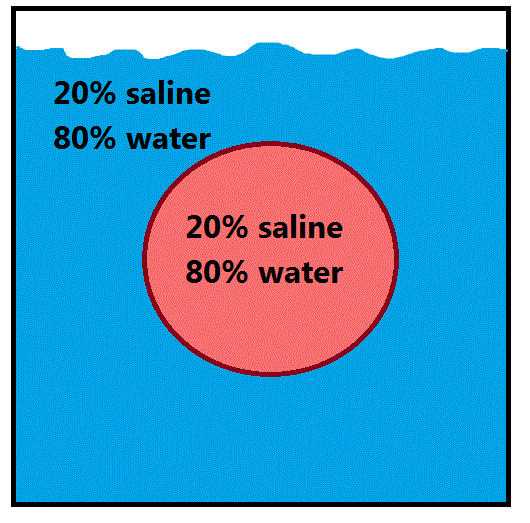
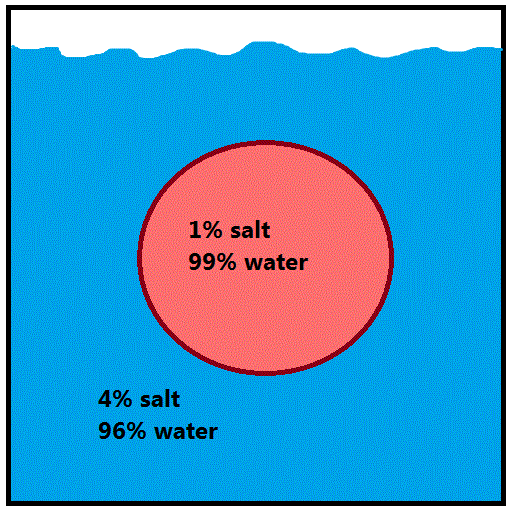
In a HYPOtonic solution the cell?
Get Bigger, Swell
Get Smaller, Shrink
Stay the Same Size
In a HYPERtonic solution the cell will:
Get Bigger, Swell
Get Smaller, Shrink
Stay the Same
What do centrioles do?
break down with digestive enzymes
used in cell division
provide energy/ATP
surround and protect the cell
Enzymes ALWAYS
LOWER activation energy
INCREASE activation energy
STABLIZE activation energy
What do enzymes do to chemical reactions?
they slow them down
they speed them up/accelerate them
they stop them from happening
they don't do anything
Define a Virus:
Outside of a host cell, viruses are little more than bits of DNA or RNA surrounded by a protein coat.
Viruses can remain dormant for long periods of time until they come in contact with a host cell.
The infected cell begins replicating the virus and/or making viral proteins
A virus is a typical type of cell with a nucleus
Select the correct choice concerning a protein:
Proteins are made of repeating units called amino acids. The sequence of the amino acids determines the job of the particular protein.
Proteins are made of repeating units called nucleotides. The sequence of the nucleotides determines the job of a particular protein.
Proteins form a bilayer to build selectively permeable cell membranes.
Proteins are similar to sugars and provide quick energy for cellular functions.
Osmosis is always:
a type of passive transport that moves water
a type of passive transport that moves sugar
a type of active transport that moves water
a type of active transport that moves oxygen
Enzymes are a type of protein that:
use amino acids to build polypeptides
work as quick sugars
catalyze chemical reactions
primarily make up the cell membrane
holds the DNA which contains the instructions necessary for protein production
nucleus
mitochondria
cholorplast
ribosome

What is the function of the mitochondria?
Structure that manufactures ribosomes
Structures that converts nutrients to energy
Stack of membranes that packages chemicals
Structure that contains DNA and directs the cell

Where does photosynthesis occur?
mitochondria
stomata
xylem
chloroplast


I make proteins for the cell. What am I?
ribosome
mitochondria
chloroplast
lysosome
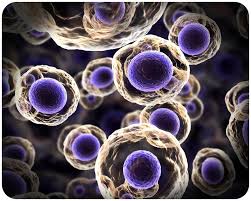


Structures that package/modify proteins for the cell
Ribosomes
Lysosomes
Organelles
Golgi Bodies

Which of the following contains DNA surrounded by a nuclear envelope?
Eukaryotic
Prokaryotic
Which of the following contains membrane-bound organelles?
Eukaryotic
Prokaryotic
Which of the following contains a circular piece of DNA floating in the cytoplasm?
Eukaryotic
Prokaryotic
Which of the following contains mitochondria, ER, and Golgi bodies?
Eukaryotic
Prokaryotic
Which of the following are larger cells and are found composing multicellular organisms?
Eukaryotic
Prokaryotic
____ is credited with being the first scientist to observe cork cells.
Leewenhoek
Schleiden
Schwann
Hooke
An organism made of only one cell is called _____ .
eukaryotic
multicellular
unicellular
prokaryotic
Which statement is a part of the cell theory?
all cells come from preexisting cells
bacteria are prokaryotic cells
humans are multicellular
eukaryotic cells are complex
This scientist concluded that animals are made of cells:
Hooke
Leeunwenhoek
Schleiden
Schwann
This scientist proposed that all cells come from other cells:
Hooke
Virchow
Schleiden
Schwann
This scientist concluded that plants are made of cells:
Hooke
Virchow
Schleiden
Schwann
Which of the following correctly describes a living organism
the ability to adapt to changes in their environment
exist without using energy
move freely throughout the environment
respire/breathe

A virus ALWAYS need a
hat
coffee
canes chicken tender (Canes chicken, whats kicken)
a HOST cell
Active transport moves in a direction from:
HIGH to LOW concentration
LOW to HIGH concentration


What is the plasma membrane made of?
sugars
phospholipids
nucleic acids
proteins
Which organelle is responsible for maintaining homeostasis?
Cell Wall
Chloroplasts
Lysosomes
Cell Membrane
The type of cellular transport that does not require energy is
Sodium Potassium Pump
Passive Transport
Active Transport
Endocytosis
Which type of cellular transport moves from low concentration to high?
Active Transport
Osmosis
Passive Transport
Facilitated Diffusion
Cell transport in which waste or hormones are released through the cell membrane by vesicle
Endcytosis
Sodium Potassium Pump
Osmosis
Exocytosis


Passive transport requires no
concentration gradients
osmosis
motion
energy

