
 Worksheets
Understanding Jet Streams and Weather
Total questions: 80
Worksheet time: 59mins
What is the jet stream?
A river of fast-moving water
A narrow band of fast-moving air in the atmosphere
A type of ocean current
A strong hurricane in the Atlantic
How high up in the atmosphere is the jet stream located?
2-3 miles
4-5 miles
6-9 miles
10-12 miles
The jet stream moves in which direction?
North to south
East to west
West to east
South to north
How does the jet stream affect weather?
It makes the ocean cooler
It influences air temperatures and weather patterns
It causes ocean currents
It only affects air travel, not weather
What is the Gulf Stream?
A current of cold water in the Pacific Ocean
A river that flows through Europe
A warm water current in the Atlantic Ocean
An air current in the atmosphere
Where does the Gulf Stream carry warm water from?
The Arctic Ocean
The Gulf of Mexico
The Indian Ocean
The Pacific Ocean
How does the Gulf Stream affect the weather?
It cools the land along the coast
It warms the coastal areas, especially in winter
It creates stronger winds inland
It causes more precipitation in the northern U.S.
What is El Niño?
A warm weather event in the Pacific Ocean
A cold weather event in the Atlantic Ocean
A hurricane in the Gulf of Mexico
A strong wind pattern in the atmosphere
What does El Niño typically cause?
Warmer ocean temperatures and increased rainfall
Colder temperatures and more snow
Stronger winds and cooler temperatures
Drier conditions in the northern U.S.
What is La Niña?
A warm weather event that brings rain to North America
A cool weather event in the Pacific Ocean
A current that forms in the Gulf of Mexico
A hurricane that forms near the equator
How does La Niña affect weather?
It causes warmer winters in the northern U.S.
It brings more rain to the southern U.S.
It results in cooler ocean temperatures and colder winters in the northern U.S.
It has no impact on weather patterns
When does a sea breeze typically occur?
At night, when land cools down
During the day, when the land heats up faster than the ocean
During the winter, when cold air moves inland
During summer, when winds move from the ocean to land
What is a land breeze?
A breeze that moves from land to sea at night
A breeze that moves from sea to land during the day
A breeze that forms over mountains
A strong wind that forms during hurricanes
How do hurricanes form?
Over cold ocean water
Over warm ocean water, driven by global weather patterns
By air pressure changes over deserts
From cool ocean breezes
How does the jet stream affect North Carolina’s weather in winter?
It brings warm air and increases temperatures
It causes cooler air from the Arctic to move south
It has no effect on North Carolina’s weather
It makes the weather more humid
How does the Gulf Stream affect marine life?
It cools the water, reducing marine biodiversity
It increases rainfall and flooding in coastal areas
It warms the ocean, creating a suitable environment for various marine species
It has no effect on marine life
Imagine you are flying from California to New York. How might the jet stream affect your flight time?
The jet stream would slow the flight down because it moves from east to west.
The jet stream would speed up the flight because it moves from west to east.
The jet stream would have no effect on the flight time.
The jet stream would make the flight shorter by causing turbulence.
How would North Carolina's winter be affected if the jet stream moved farther north than usual?
North Carolina would experience much colder temperatures and more snow.
North Carolina would have warmer temperatures because Arctic air wouldn’t reach it.
There would be no change in weather.
North Carolina would have more hurricanes.
If the Gulf Stream suddenly became weaker, what would be the likely impact on coastal areas in the U.S.?
Coastal areas would become warmer.
Coastal areas would have milder winters.
Coastal areas would experience cooler temperatures and more extreme winters.
There would be more frequent hurricanes.
How might El Niño impact weather patterns in areas prone to drought?
El Niño would likely increase rainfall, reducing drought conditions.
El Niño would make the drought worse by decreasing rainfall.
El Niño would bring cooler temperatures but no rain.
El Niño would have no effect on drought areas.
Which of the following best describes how a sea breeze forms?
Warm air rises over the ocean, and cool air moves inland.
Warm air rises over the land, and cool air moves from the ocean to the land.
Warm air rises over the land, and cool air moves from the land to the ocean.
Warm air rises over the ocean, and cool air moves toward the mountains.
What kind of weather conditions can El Niño cause in North and South America?
Colder winters with more snow
Drier and cooler conditions
Warmer temperatures and more rain
Stronger winds and more hurricanes
Which factor contributes to the formation of hurricanes?
Cold air from the jet stream mixing with warm ocean water
Warm ocean water and low-pressure areas
Strong winds from the land moving toward the ocean
Cool ocean currents moving over the equator
How do land and sea breezes affect coastal weather?
They only impact inland weather, not coastal areas.
Sea breezes cool coastal areas during the day, while land breezes cool coastal areas at night.
Land breezes warm coastal areas at night, and sea breezes make coastal areas cooler in the winter.
Sea breezes and land breezes have no impact on temperature or wind patterns.
Why does the Gulf Stream help create milder winters for coastal regions?
It brings cold water from the Arctic down to the coast.
It carries warm water from the Gulf of Mexico, which heats the air and land nearby.
It moves warm air from the Pacific Ocean to the east coast.
It pushes cold air away from the coast, making winters harsher inland.

Study the map of the polar jet stream below.
What type of weather would MOST likely appear at the location marked X?
A. cold and dry
B. cold and wet
C. warm and dry
D. warm and wet
Can a jet stream affect weather?
No, winds like the jet stream do not move weather.
Yes, but only if the jet stream drops to Earth's surface and becomes a sea breeze.
Yes, jet streams can impact wind, precipitation, and temperature.
No, it is too high to affect weather.
What is true about the jet stream?
it is warm water that moves along the Atlantic coast of North America
it is air moving across North America from west to east and sometimes north to south
it is air moving across North America from east to west and sometimes north to south
it is cold warm water that moves along the Pacific coast of North America
How does the jet stream affect weather?
As it moves, it can cool down coastal areas
As it moves, it can warm coastal areas
As it moves, it can destroy homes with its violently rotating clouds
As it moves, it can damage huge areas with intense rain and flooding
How does the Gulf Stream affect weather patterns on the east coast of the United States?
It causes more frequent hurricanes.
It leads to cooler summer temperatures.
It results in warmer winter temperatures.
It has no significant effect.
What is the primary cause of the Gulf Stream?
The rotation of the Earth
Differences in water temperature
Wind patterns
Salinity differences in the ocean

A warm-water event that can change weather patterns causing heavy rains or droughts:
El Niño
La Niña
Sunspots
Global Warming
What is the cause of rising surface temperatures of the Pacific Ocean,
drought in the western United States, and flooding on the Pacific coast of
South America?
the Gulf Stream
the jet stream
La Niña
El Niño

The diagram shows the movement of air.
Which factor is MOST responsible for the movement of the air shown?
A. uneven heating of the air
B. imbalance in organisms breathing the air
C. sunlight getting blocked by the land
D. different levels of liquid in the air

The arrow above the water is coming down and is blue because
the water is warm so it warms the air and warm air sinks.
the water is cold so it warms the air and cool air sinks.
the water is cold so it cools the air and cool air sinks.
the water is warm so it warms the air and cool air sinks.
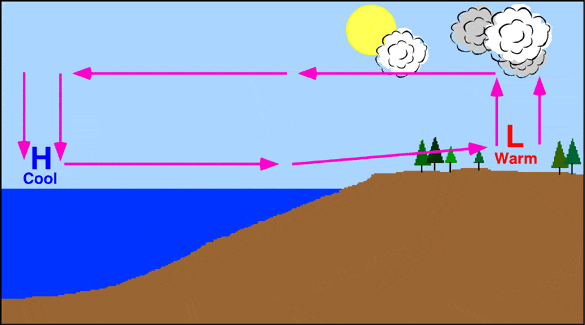

The arrows in the diagram below show the circulation of air on a sunny day.
The air circulation shown is caused by
both hot air and cool air sinking
both hot air and cool air rising
hot air sinking and cool air rising
hot air rising and cool air sinking
Luis walked to school one morning. It was very warm and cloudy. While at school a high pressure cold front moved through. When he walked home, what was the weather most likely like?
warmer and wet
cooler and wet
cooler and stormy
cooler and sunny
Which of the following is a consequence of climate change?
Decrease in global sea levels
Increase in global biodiversity
More frequent and severe weather events
Stabilization of global temperatures
On Tuesday, the weather is cold and cloudy. On Wednesday, the weather is sunny and warm. Which change most likely occurred from Tuesday to Wednesday?
from high to low temperature
from low to high pressure
from low to high wind speed
from low to high precipitation
A cold front is expected to affect the local area over night. Which
weather condition will most likely occur?
cloudy skies, precipitation, and increased temperatures
cloudy skies, precipitation, and decreased temperatures
clear skies, no precipitation, and increased temperatures
clear skies, no precipitation, and decreased temperatures
In North Carolina, the wind is blowing from the north. If the wind changes direction and begins to blow from the south, what will most likely result?
The temperatures will increase.
The temperatures will decrease.
The air pressure will increase.
The wind speeds will decrease.
What can be an effect of climate change on weather patterns?
Decreased variability in weather patterns
More predictable weather
Increased frequency and intensity of extreme weather events
A permanent shift to colder weather globally
What is the main driver of the Earth's climate system?
The Earth's core
Solar radiation
The Moon
Human activities
What is the impact of melting polar ice caps on global sea levels?
Sea levels decrease due to the cold water
Sea levels remain unchanged
Sea levels increase, leading to coastal flooding
The change in sea levels is unpredictable
What role do oceans play in climate change?
Oceans store and distribute solar energy, affecting global climate patterns.
Oceans produce greenhouse gases that contribute to climate change.
Oceans reflect sunlight, significantly cooling the Earth.
Oceans absorb all excess CO2, preventing climate change.
Climate is a regions _________ term weather pattern. Chapter 1
Long
Short
Day by Day
A cold front moved through Austin, Texas. Which statement BEST describes the changes in Austin's weather after the cold front moved through?
The weather became cooler and rainy, because a cold front moves cool, moist air from north to south.
The weather became cooler and clear, because a cold front moves cool, dry air from north to south.
The weather became warmer and rainy, because a cold front moves warm, moist air from north to south.
The weather became warmer and clear, because a cold front moves warm, dry air from north to south.
What is the primary effect of the polar jet stream on weather patterns?
It causes warmer temperatures in polar regions
It influences the movement of weather systems
It creates more hurricanes in tropical areas
It has no effect on weather patterns
Which of the following best describes a sea breeze?
A breeze that moves from land to sea during the day
A breeze that moves from sea to land during the day
A breeze that forms over deserts
A strong wind that forms during thunderstorms
How does El Niño typically impact the weather in the southern United States?
It causes drier conditions
It leads to increased rainfall
It results in colder temperatures
It has no significant impact
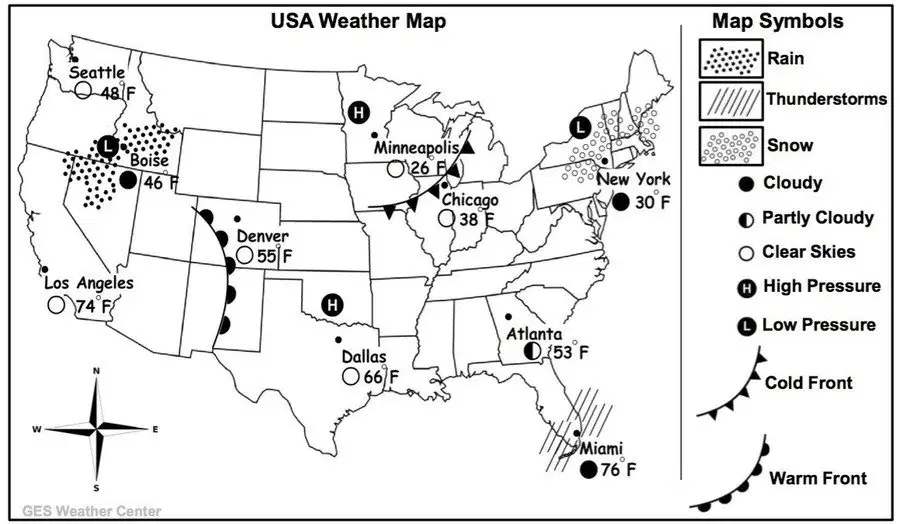
Which city is currently experiencing a snow storm?
Seattle
Los Angelas
Chicago
New York
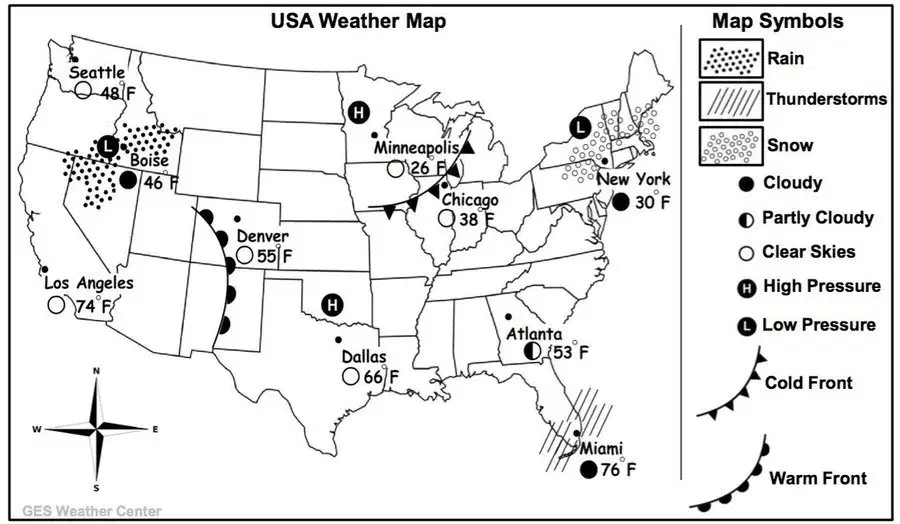
Which city has the highest temperature?
Dallas
Chicago
Los Angelas
Miami
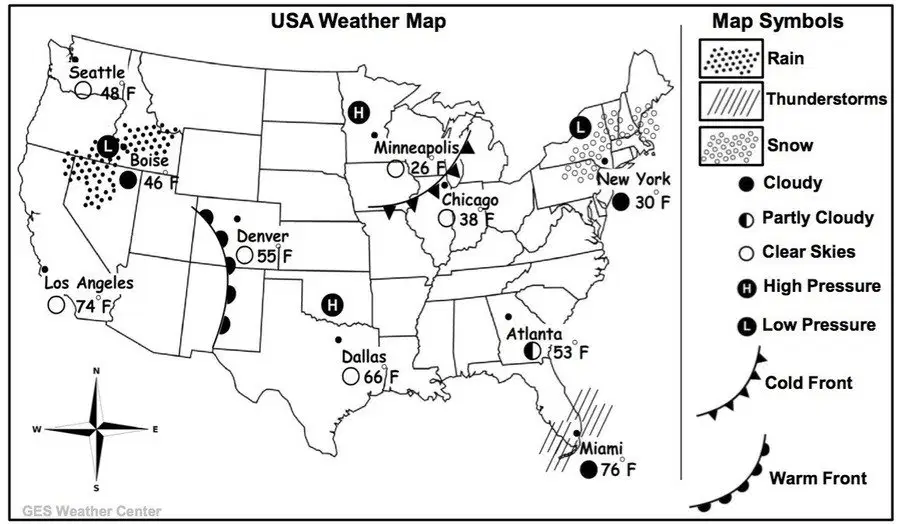
Which city is partly cloudy?
Boise
Atlanta
New York
Dallas

A cold front is approaching Minneapolis. What will happen to the air temperature?
Stay the same
Increase
Decrease
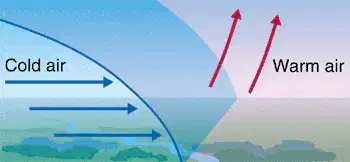
Which type of front is displayed?
Cold Front
Stationary Front
Occluded Front
Warm Front
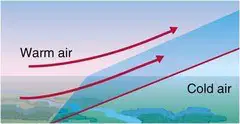
What type of front is displayed
cold
warm
stationary
occluded
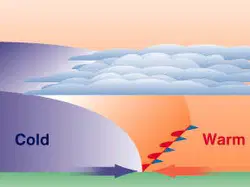
Which type of front is displayed?
Cold
warm
stationary
occluded
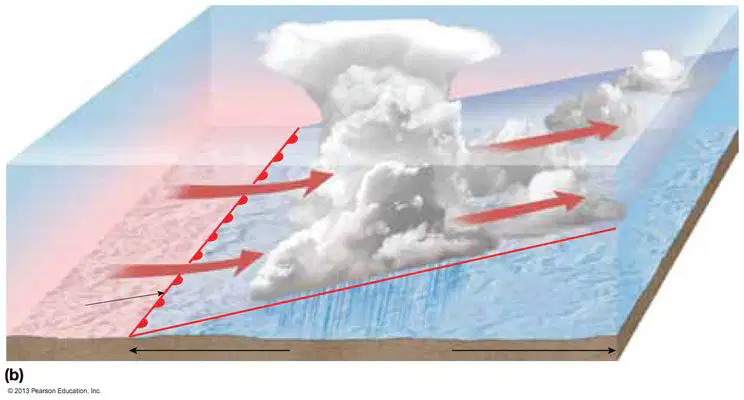
What type of front is displayed?
Warm
Cold
Stationary
Occluded
What type of weather would you expect to see after a cold front has passed through an area?
cool and clear skies
warm and humid
thunderstorms
Foggy
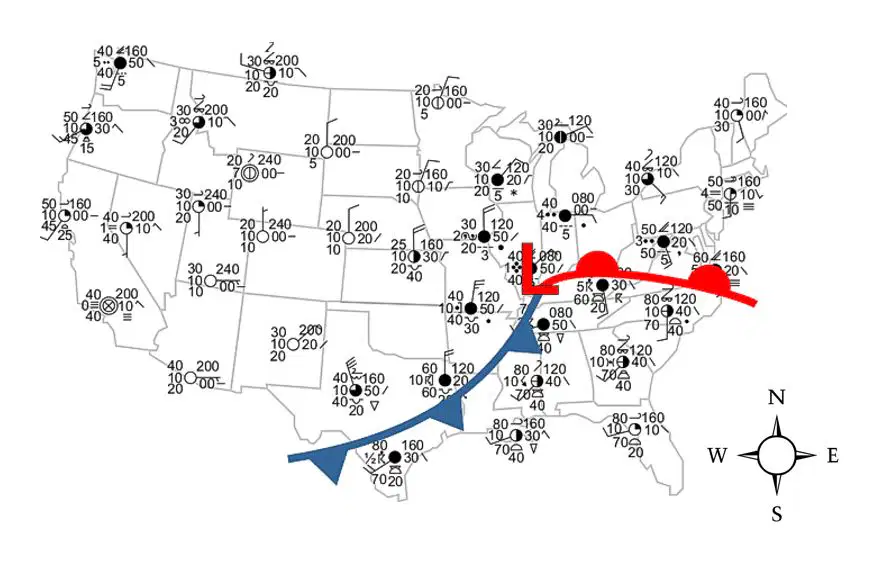
What direction is the cold front moving on the map?
Southwest
Northwest
Southeast
Northeast
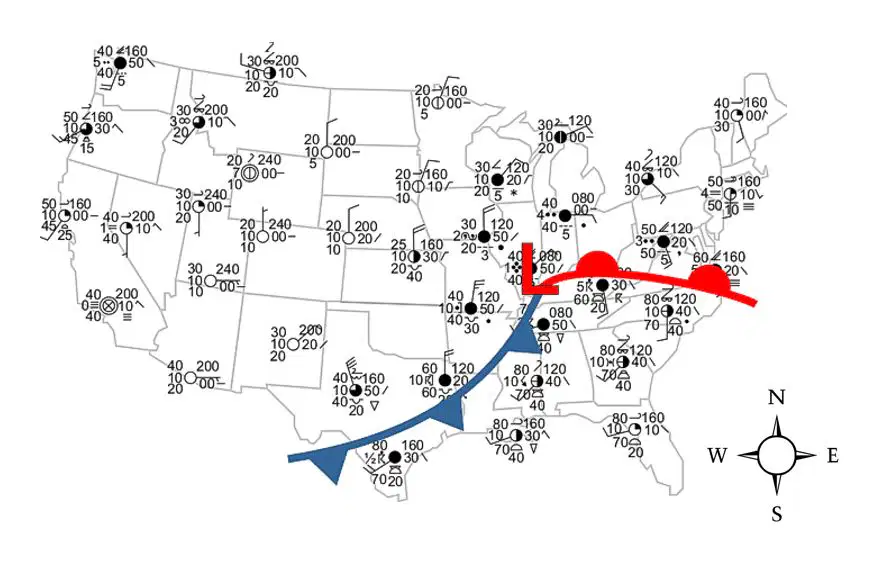
What direction is the warm front moving on the map?
North
South
East
West
On a cold, cloudy day the local meteorologist predicts that a high pressure system will be moving into the area in the next twenty-four hours. Which weather condition will this system most likely bring to the area?
The high pressure system will bring stormy weather conditions into the area.
The high pressure system will bring sunny weather conditions into the area.
The high pressure system will bring a snowstorm into the area.
The high pressure system will bring warmer temperatures into the area.

If the jet stream moves north of North Carolina, what will most likely be the resulting weather pattern?
North Carolina will experience cooler weather.
North Carolina will experience constant temperatures.
North Carolina will experience more snow.
North Carolina will experience warmer weather.
What global weather pattern is most responsible for the changes in North Carolina’s daily weather?
El Niño
Gulf Stream
Jet Stream
La Niña
Which of the following best explains how the jet stream moves weather fronts across the United States?
The jet stream moves weather fronts from east to west across the United States.
The jet stream moves weather fronts from west to east across the United States.
The Jet Stream moves weather fronts from south to north across the United States.
The Jet Stream moves weather fronts from north to south across the United States.
Which of the following regions of the United States are most likely affected by hurricanes?
The Atlantic and Gulf Coast regions of the United States are most likely affected by hurricanes.
The Desert and Pacific Coast regions of the United States are most likely affected by hurricanes.
The Great Lakes and Plains regions of the United States are most likely affected by hurricanes.
The Northwest and Mountain regions of the United States are most likely affected by hurricanes.
Which of the following best describes the Gulf Stream?
The Gulf Stream is an ocean current which begins in Canada and causes cool water to travel south along the east coast of the eastern United States.
The Gulf Stream is an ocean current which begins in the Gulf of Mexico and causes warm water to travel north along the east coast of the United States.
The Gulf Stream is an ocean current which begins in the Gulf of Mexico and causes warm water to travel south along the east coast of Mexico.
The Gulf Stream is an ocean current which begins in the Gulf of Mexico and causes cool water to travel north along the east coast of Mexico.

The local meteorologist shows the map below on the evening news. Which state most likely will be forecasted to receive decreased temperatures in the next 24 hours? Select the state (hotspot) from the map below that correctly answers the question. Choose from the states (outlined in blue) North Carolina (NC), Texas (TX), Iowa (IA) and Arizona (AZ).
Arizona
Texas
North Carolina
Iowa
Tori walked outside her house and looked at the sky and said, “I bet it will rain in a couple of days.” Based on Tori’s statement, what type of clouds do you think she saw when she walked outside of her house?
Cumulus
Cirrocumulus
Cirrus
Stratus
On Monday, Joseph noticed a wind vane pointing to the east. On Tuesday, he noticed a wind vane pointing to the west.
Joseph made the hypothesis that the wind changed direction from the previous day. Which pattern of evidence would support Joseph's hypotheisis?
The wind changed direction from blowing towards the east to blowing towards the west.
The wind changed direction from blowing towards the north to blowing towards the south.
The wind changed direction from blowing towards the west to blowing towards the east.
The wind changed direction from blowing towards the south to blowing towards the north.
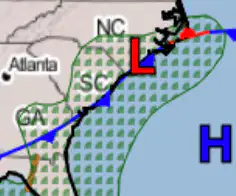
Find South Carolina on the map. What weather can you predict we will have based on the weather symbols you see?
Sunny skies through the whole state
No rain in any part of South Carolina
Warm temperartures moving through the state.
Rainy weather, strong winds, and colder temperatures.
A student observes and records cloud cover throughout the day. Which event could the student most likely predict if they observe increasing cumulonimbus clouds?
Sunny SKies
Precipitation
Cooler Temperatures
Warmer temperatures
The forecast said a high pressure system will arrive this weekend. Benito and his friends want to go camping. Should they plan to go?
Yes, the high pressure system will create clear, sunny skies.
No, the high pressure system will create storm clouds and tornadoes.
Yes, the high pressure system will create skies filled with cumulus clouds.
No, the high pressure system will increase humidity and cause rain clouds to form.
Why is it important to know the different types of clouds?
Clouds can indicate the time of day that it is.
Clouds can indicate the type of weather that will occur.
Clouds can indicate the temperature of different layers of the atmosphere.
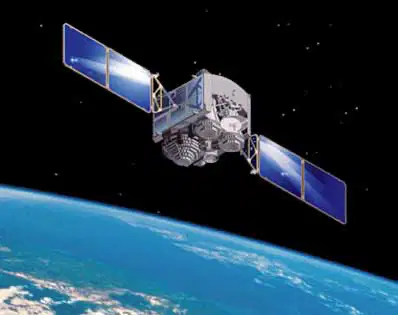
This weather instrument is a _______________ - it orbits Earth's atmosphere gathering data.
Rain Guage
U.F.O
Satellite
Anemometer
Tim said that Chicago is most likely to experience rainy weather. Jennifer thinks that Dallas is most likely to experience rainy weather.
Which student is correct?
Tim because Chicago is the closest to a low pressure system and they produce precipitation.
Jennifer because high pressure systems produce precipitation
Both students are correct because all systems produce precipitation
Neither of the students are correct because the cities are not close enough to the system.

