wayground logo

Free Printable Worksheets

NEW

Font size

S
M
L
XL
Worksheets

Nutrition

Total questions: 50

Worksheet time: 54mins

Name
Class
Date
1.
Which of the following nutrients provides energy to the body?
a)
carbohydrates
b)
vitamins
c)
water
d)
minerals
2.
Which of the following nutrients is important for body, cell, and muscle growth and repair?
a)
vitamins
b)
fats
c)
proteins
d)
carbohydrates
3.
Which nutrient supplies the most energy per gram? 
a)
carbohydrates
b)
fats
c)
protein
d)
water
4.

Which nutrient helps your digestive system work efficiently and cause you to feel full longer?

a)

fiber

b)

carbohydrates

c)

protein

d)

vitamins

5.
WHAT ARE THE 6 NUTRIENTS?
a)
Carbs, Meats, Fibers, Water, Protein, and Dairy
b)
Fruits, Milk, Fibers, Water, Pork, and Vitamins
c)
Carbs, Fats, Minerals, Water, Proteins, and Vitamins
d)
Carbs, Fats, Fibers, Cheese, Protein, and Vegtables
6.
How does calcium help our body?
a)
Builds muscle
b)
Helps eyesight
c)
Develops red blood cells
d)
Strong bones
7.
If a product has 3 grams of FAT in it, how many CALORIES does it produce?
a)
27 calories
b)
15 calories
c)
12 calories
d)
9 calories
8.
The amount of energy the body gets from food is measured in.
a)
Metabolism
b)
Diet
c)
Calories
d)
Protein
9.

Which of the following is considered a bad fat?

a)

Monosaccharide

b)

Unsaturated fat

c)

Saturated fat

d)

Carbohydrate

10.

If an egg has 6 g of protein. How many calories come from the protein?

a)

12

b)

54

c)

24

d)

6

11.
This nutrient provides long-term and steady energy.
a)
complex carbohydrates
b)
fiber
c)
simple carbohydrates
12.
Water can be found in fruits and vegetables.
a)
True 
b)
False
13.
Water is extremely important to your health because it
a)
makes us sweat
b)
gives us energy
c)
is vital in all of the bodies major functions
d)
is helps make our blood thicker so it can carry more oxygen
14.

Partially Hydrogenated Oils are also known as

a)

Saturated Fats

b)

Unsaturated Fats

c)

Trans Fats

d)

Monounsaturated Fats

15.

What is causing the most problems in our diet?

a)

Too much fat consumption

b)

Too much protein consumption.

c)

Too much sugar consumption.

d)

None of it!

16.

What is the most important thing you should know about reading a label?

a)

the amount of calories

b)

the amount of sugar

c)

the amount of saturated fats

d)

the serving size

17.

What are the two types of vitamins?

a)

Vit. D

b)

Fiber and Simple

c)

Water soluble and fat soluble

d)

Vit. C

18.

What mineral is an electrolyte needed by the body to help with muscle contraction.

a)

Vitamin A

b)

potassium

c)

Vitamin D

d)

Iron

19.

How many grams of protein are contained in the entire jar?

a)

3

b)

15

c)

2.5

d)

5

20.

If you only were to consume one granola bar, how many calories would you conusme?

a)

190

b)

90

c)

60

d)

30

21.

How many total grams of fat are contained in a subway meatball sandwich?

a)

71

b)

1

c)

9

d)

23

22.

How many calories is your recommended daily value based on?

a)

1200

b)

2000

c)

3000

d)

5000

23.
Which nutrient should be consumed after intense workouts or games for recovery of damaged muscle tissue?
a)
Protein 
b)
Carbohydrate 
c)
Fat
d)
Water
24.
Which one of the following is a protein source? 
a)
Banana
b)
Beans 
c)
Bagels
d)
Breakfast Bar 
25.
When you don't drink enough water you can become:
a)
silly
b)
hyper
c)
intoxicated 
d)
dehydrated 
26.
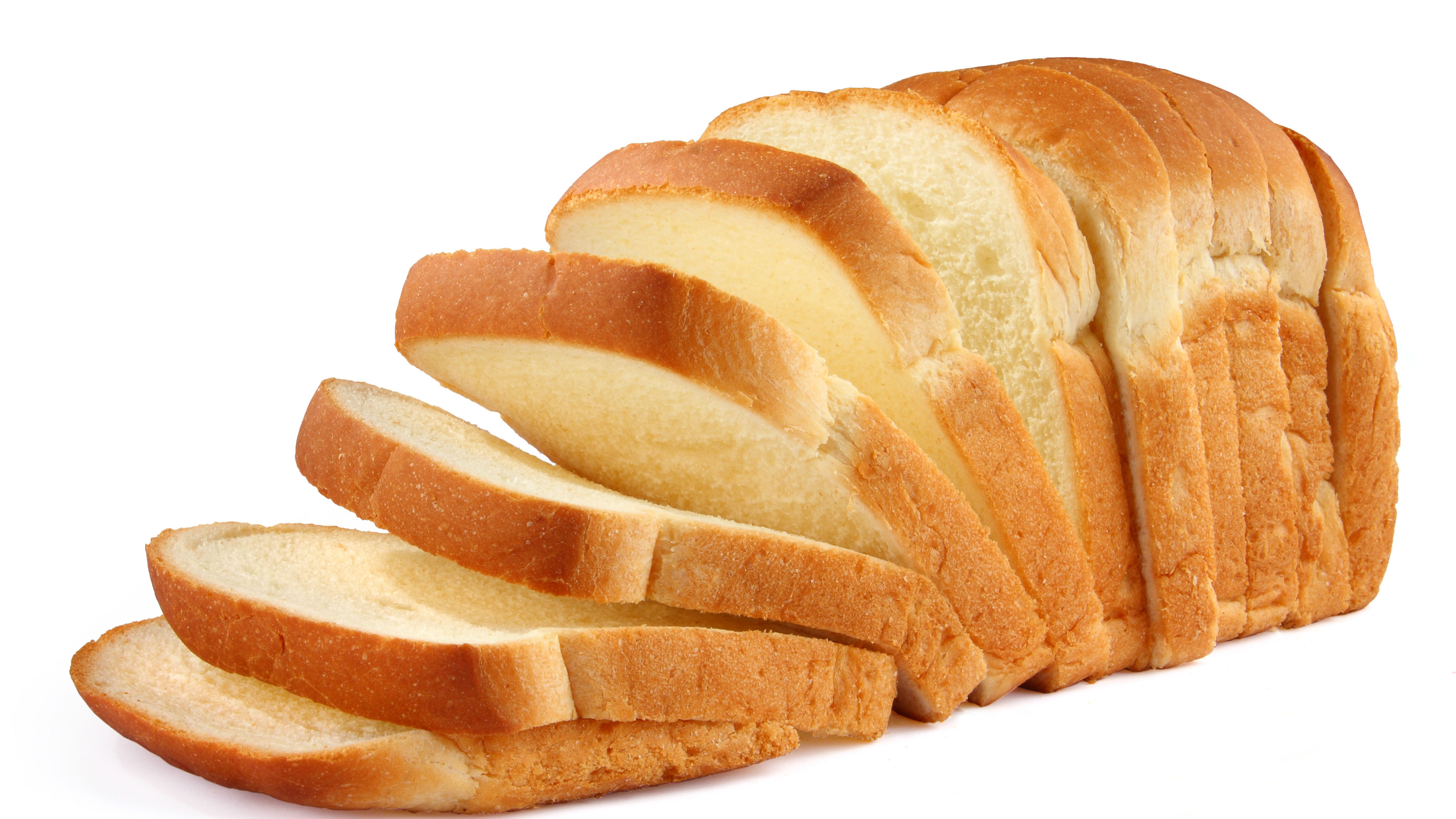
Bread is a great source of which energy nutrient?
a)
Carbohydrates
b)
Fats
c)
Proteins
d)
All of the above
27.
Fish, nuts, oils and avocado are health sources of....
a)
Fiber
b)
Protein
c)
Minerals
d)
Fat
28.
The process of breaking down food into a form the body can use.
a)
Diet
b)
Metabolism
c)
Calories
d)
Digestion
29.
Organic compounds that control several body functions. e.g. A, C, K
a)
Carbohydrates
b)
Metabolism
c)
Vitamins
d)
Digestion
30.
The process of converting the energy in food into energy the body can use.
a)
Metabolism
b)
Diet
c)
Digestion
d)
Calories
31.
A pattern of eating that includes how much, what, and how often a person eats.
a)
Metabolism
b)
Diet
c)
Calories
d)
Vitamins 
32.
An athlete is preparing to run a marathon (26.2 miles), decide which of the following meals she should eat the night before to provide the most energy for the race?
a)
eat a steak and drink a coffee
b)
load up on candy bars and chips
c)
eat pasta and drink water
d)
eat a bowl of cereal and drink an energy drink
33.
What is the main reason for eating a wide variety of foods? 
a)
to learn the food label
b)
to provide all the nutrients you need 
c)
to keep from getting bored with your diet 
d)
to help improve physical fitness 
34.
Which of the following is true about most fast foods? 
a)
they are low in nutrient density 
b)
they are high in fat and calories 
c)
they are low in vitamins and minerals 
d)
all of the above  
35.

You can spot a fad diet by asking yourself _______ .

a)

Will this make me lose 10 pounds before next week’s prom?

b)

Is this the diet Kim Kardashian followed last week?

c)

Is it really okay to eat only cabbage for 7 days?

d)

all of the above

36.

Which diet promotes weight loss by reducing calorie intake and increasing physical activity?

a)

Calorie deficit diet

b)

High-protein diet

c)

Fasting diet

d)

Low-carb diet

37.

Which diet excludes all animal products, including dairy and eggs?

a)

Vegan diet

b)

Mediterranean diet

c)

Ketogenic diet

d)

Paleo diet

38.

Which diet is based on the theory that our bodies are designed to eat a certain way based on our ancestors?

a)

Keto diet

b)

Vegan diet

c)

Atkins diet

d)

Paleo diet

39.

Vitamins

a)

Small units that are bound together chemically to form proteins.

b)

Any product that contains one or more vitamins or other dietary substances lacking in the diet.

c)

Measure of how much body fat a person has compared to muscle and bone

d)

Nutrient that is made by living things and assist in chemical reactions in the body.

40.

Saturated Fats

a)

Term used to describe a person who is lighter than the standard for the person's height

b)

Nutrient that is made by living things and assists in chemical reactions in the body

c)

Small units that are bound together chemically to form proteins

d)

Fats that are usually solid at room temperature

41.

Small units that are bound together chemically to form proteins

a)

Nutrients

b)

Appetite

c)

Amino acids

d)

Antioxidants

42.
What is the word for the nutrition information printed on the side of a food container?
a)
food label
b)
preservative
c)
additive
43.
If a person has a deficiency in vitamin C, they may have...
a)
scurvy
b)
Rickets
c)
Osteoporosis
d)
Anemia
44.
Eating foods rich in calcium can help reduce the risk of osteoporosis. 
a)
True
b)
False
45.
This nutrient makes up 75% of your body:
a)
water
b)
vitamin A
c)
carbohydrates 
d)
protein 
46.
Which is an example of a nutrient dense food?
a)
cake
b)
low-fat yogurt
c)
candy
d)
soft drinks
47.
Nutrients that occur naturally in rocks and soil and are required only in small amounts are
a)
supplements
b)
antioxidants
c)
minerals
d)
vitamins
48.

Which of the following is NOT a good way to prevent dehydration?

a)

Drink lots of caffeinated liquids

b)

Take a drink of water every 15 minutes of exercise

c)

drink at least ten eight ounce cups of water a day

d)

Eat lots of fresh fruits and vegetables

49.
Which of the following is the best advice for eating a healthy diet?
a)
Obtain all of your protein from meat
b)
Drink lots of fruit juice
c)
Make half of the grains you eat whole grain
d)
Consume more solid fat than liquid fat
50.
Carbohydrates should make up________ percent of your daily caloric intake.
a)
20-45
b)
10-25
c)
45-65
d)
30-45