
Font size
 Worksheets
Book I Unit 1 Review
Total questions: 119
Worksheet time: 10hrs 55mins
1,221 km = ________ m
1,221 m
1,221,000 m
1.221 m
12,210 m
435 mL = _____ cL
4350 cL
43.5 cL
4.35 cL
0.435 cL
29 mm = ______ m
0.029 m
290 m
0.29 m
0.0029 m
117 cm = _____ dm
1.17 dm
0.117 dm
1170 dm
11.7 dm
35,400 mg = ________g
3.5400 g
3,540 g
35.4 g
354,000 g
0.563 L = _____ mL
5,630 mL
5.63 mL
56.3 mL
563 mL
2319 kL = _______ mL
2,319,000 mL
2,319,000,000 mL
2.319 mL
0.0002319 mL
34 m = _____ mm
340 mm
3400 mm
0.034 mm
34,000 mm
The base unit for volume is the ______?
milliliter
centiliter
deciliter
liter
1 mL = _____L
0.001 L
0.1 L
0.01 L
1000 L
To convert from the base unit to milli you multiply by how many factors of ten?
1
2
3
0
Which measurement is the smallest?
1 mm
0.01 cm
0.001 m
0.0001 km

7,000 g = ____ kg
70
700
7
0.07

648 g = ____ mg
6,480
64,800
648,000
64.8
What is the basic unit of mass in the metric system?
Liter
Meter
Gram
Kilometer
Select the largest unit.
kilogram
centigram
decigram
decagram

1000 grams = _____ kilograms
0.0001
1,000,000
10
1

3 km = ___________ mm
30
300
3,000
3,000,000

68 cm = ___________ mm
0.68
6.8
68
680
480 cm = _____m
48
4800
4.8
48,000
1,221 km = ________ m
1,221 m
1,221,000 m
1.221 m
12,210 m
34 m = _____ mm
340 mm
3400 mm
0.034 mm
34,000 mm
Select the smallest unit.
milliliter
centiliter
hectoliter
liter
Which of the following options is the base unit?
kilometer
centimeter
meter
millimeter
Select the largest unit.
kilogram
centigram
decigram
decagram

1000 grams = _____ kilograms
0.0001
1,000,000
10
1
What is energy?
The ability to cause a change
Anything that is made up of matter
Anything that takes up space
The ability to undergo a chemical reaction
Which type of energy is the energy of motion?
Kinetic
Potential
Which type of energy is stored energy?
Kinetic
Potential
Which one of the following is NOT a type of potential energy
Mechanical energy
Nuclear energy
Elastic energy
Chemical energy
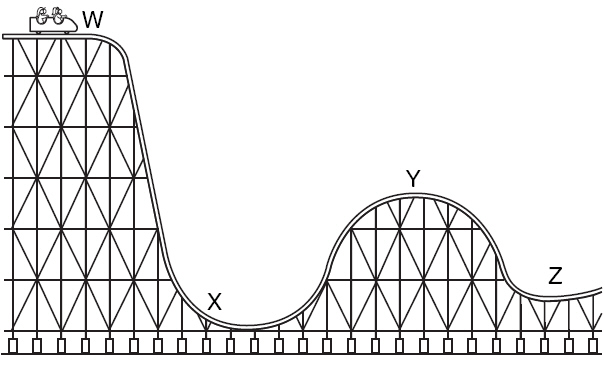
A roller coaster at the top of a hill (before it goes down) has ________ energy.
Potential
Kinetic
Heat
Sound
A roller coaster rolling down a hill has ________ energy.
Potential
Kinetic
Light
Sound
Ryan rubs two sticks together quickly. When he stops rubbing the sticks, he notices that they are warm where he rubbed them. What type of energy has been produced?
Sound energy
Thermal energy
Light energy
Which one of these is NOT a type of kinetic energy?
Thermal energy
Gravitational energy
Sound energy
Electrical energy
What is the main type of energy shown by a person running?
Electrical
Mechanical
Sound
Chemical
What is the type of energy in food?
Thermal
Kinetic
Sound
Chemical
What is the type of energy when someone is speaking?
Thermal
Kinetic
Sound
Chemical
What is the type of energy when you use an oven?
Thermal
Elastic
Sound
Chemical
What is the type of energy shown by a torch in the dark?
Sound
Light
Electrical
Elastic

What is the type of energy that comes out of a power socket?
Sound
Light
Electrical
Potential
Nuclear energy, which is energy stored in atoms, is an example of ______
Kinetic energy
Potential energy
Elastic energy, which is energy stored in compressed gases or springs, is an example of ______
Kinetic energy
Potential energy
Electrical energy, which is energy of moving electrons, is an example of ______
Kinetic energy
Potential energy
Thermal energy, which is energy of moving particles, is an example of ______
Kinetic energy
Potential energy
Mechanical energy, which is energy of moving objects, is an example of ______
Kinetic energy
Potential energy
Radiant energy, which is energy of electromagnetic waves, is an example of ______
Kinetic energy
Potential energy
What is an example of Electric Energy
Apple
Rubber Bands
Car Battery
Table
Which statement is true?
Oranges contain Elastic Energy
Food contains Chemical Energy
Phone on the table doesn't contain Gravitational Energy
Radiator contains Nuclear Energy

What type(s) of energy does a fridge contain?
Sound Energy
Thermal Energy
Mechanical Energy
All of the above
Which is Potential Energy?
Radiant Energy
Mechanical Energy
Chemical Energy
Sound Energy
Heat Energy is called:
Radiant Energy
Chemical Energy
Thermal Energy
Mechanical Energy
Energy is found in many different forms, but it can be classified into two distinct categories: kinetic energy and ________________ energy.
electrial
potential
radiant
thermal
When a firecracker explodes, stored chemical energy turns into sound and light energy. What other type of energy is also released?
mechanical
potential
electrical
thermal
Potential energy is energy of position and is also sometimes called ______________ energy.
stored
chemical
radiant
elastic
Electrical Energy is
kinetic energy
potential energy
Elastic Energy is
Kinetic Energy
Potential Energy
Sound Energy is
Kinetic Energy
Potential Energy

Identify the type of energy represented by the illustration.
thermal energy
chemical energy
nuclear energy
elastic energy
Energy is the ability to do work or cause changes.
True
False
Vibrations produce _______ energy.
chemical
sound
potential
light
Objects with a higher temperature have particles that are vibrating _______.
faster
slower
Pushing a filing cabinet across the room is an example of ________ energy.
light
thermal
chemical
mechanical
A boy lifts a 30N toy car 2 meters above the ground. How much work did the boy do on the car?
60 Joules
30 Joules
15 Joules
no work
If you are in a car that is being pulled down a 56.0 m path with a force of 12.5 N, what is the work done on the car?
44 Joules
68.5 Joules
700 Joules
No work
A force of 15 N was used to push a box a distance of 3.4 meters. How much work was done?
51 Joules
20 Joules
30 Joules
No work
Amy uses 20N of force to push a lawn mower 10 meters. How much work does she do?
20 Joules
200 Joules
2 Joules
no work
How much work does an elephant do while moving a circus wagon 20 meters with a pulling force of 200N?
4000 Joules
2000 Joules
1000 Joules
500 Joules
It took 500 newtons of force to push a car 4 meters. How much work was done?
500 Joules
1000 Joules
2000 Joules
no work
A football player with the force of 500 N leaps 2 m into the air. How much work was done?
1000 Joules
250 Joules
500 Joules
no work
A weightlifter raises a 700 N barbell a distance of 3 m. How much work was done?
2100 Joules
500 Joules
1000 Joules
100 Joules
Some threw a boomerang with 40 N of force and it went 300 meters. How much work was done?
600 Joules
300 Joules
12000 Joules
no work
A field goal kicker, kicks a football with 15 Newtons of force 35 meters. How much work was done?
50 Joules
525 Joules
100 Joules
no work

The energy that exists before baking soda and vinegar combine to create carbon dioxide gas.
A child on his way down a playground slide.
Ocean waves
Exploding fireworks.
Boiling water.
The flexed string of an archer’s bow.
A glowing neon sign.

What are the two factors that affect kinetic energy?
time and energy
power and mass
mass and velocity
time and work
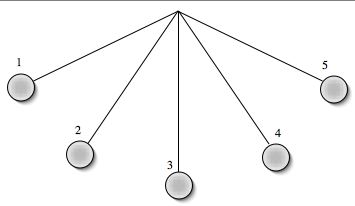
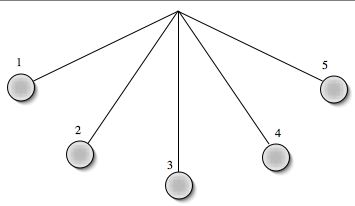

At what point does the roller coaster have the most potential energy?
A
C
G
E

At what point does the roller coaster have the most kinetic energy?
A
C
F
G

Explain the conversion of energy that occurs from "A" to "C"
potential to kinetic
kinetic to potential
both answers are correct
none of these are correct

Explain the conversion of energy that occurs from "F" to "G"
potential to kinetic
kinetic to potential
both answers are correct
none of these are correct
Which battery has more potential energy, a AA battery or a car battery and why?
AA battery because of its shape
Car battery because it is bigger
AA battery because it is smaller
Car battery because of its shape
Why is food considered potential chemical energy?
food can be stored on a high shelf
food has more potential energy right before it hits the floor
food releases energy
food build energy as it falls

the freefall ride gets pulled up to the top of the tower. As it ascends upward, what is taking place?
it is gaining potential energy
it is gaining kinetic energy
it is gaining momentum
it is gaining inertia
What type of energy conversion is taking place as an avalanche rushes down a hill?
potential to kinetic
kinetic to potential
all kinetic
all potential
Potential energy is the energy of...
motion
stored energy
gravity
the time
kinetic energy is the energy of...
motion
stored energy
gravity
the world
the capacity necessary to do work; controls the amount of change that can occur within a system
speed
joule
momentum
energy
energy cannot be created or destroyed, only transferred
Law of conservation of matter
Law of conservation of energy
Law of energy transfer
Law of the universe
Which object has the most potential energy?
A ball resting on the ground.
A ball being thrown at 100 miles per hour.
A ball on top of a refrigerator.
A ball resting on the edge of a cliff.
When does a yo-yo have the most potential energy?
When it's at its highest point.
When it's at its lowest point.
When it's moving between its highest and lowest points.
When it's moving at its top speed.

