
Font size
 Worksheets
Unit 2 Test Review
Total questions: 60
Worksheet time: 58mins
Which does only eukaryotic cells contain?
nucleus
DNA
cell membrane
ribosomes

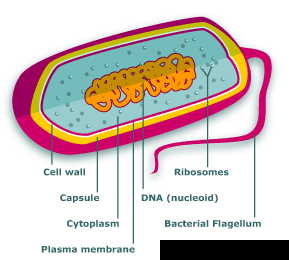
virus

Which organelle is the location where protein is made?
Ribosome
Nucleus
Cytoplasm
Nucleotide

Why do viruses have projections on the outside?
To send signals to other viruses.
To maintain their structure.
To attach to the host cell.
To reproduce.
takes over the cell's functions.
Which of the following can be used to prevent a viral infection?
Vaccine
Antibiotic
Probiotic
Anti-inflammatory

Which of the following would contain DNA?
A and B
A and C
A and D
all of these
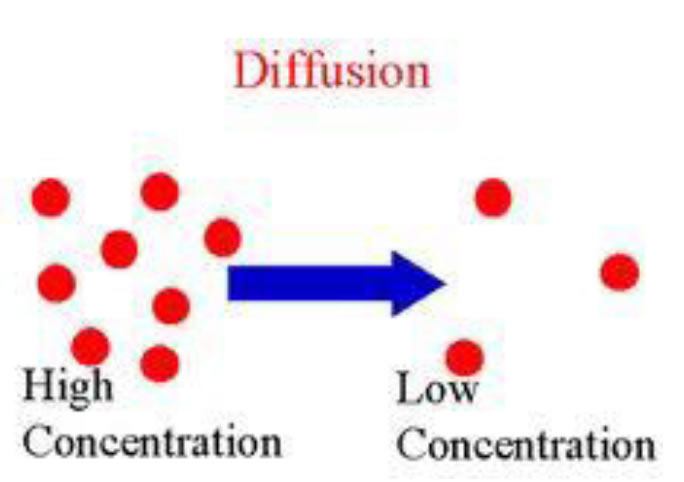
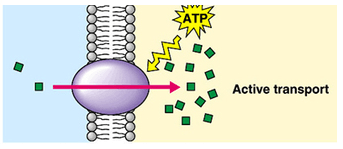
What is it called when molecules move across the cell membrane from an area of high concentration to an area of low concentration through a channel protein?
Passive Transport
Active Transport
The concentration of water is higher in the soil than in plant root cells. Water moves into root cells of a plant by...
Osmosis
Simple Diffusion
Active Transport
Due to the higher concentration of oxygen in the air than your blood, oxygen goes from the lungs into the red blood cells by....
Osmosis
Diffusion
Active Transport
Which statement is correct? (choose 2)
In passive transport; particles move against the concentration gradient
In passive transport; particles move up the concentration gradient
In passive transport; particles move with the concentration gradient
In passive transport; particles move down the concentration gradient

What is the definition of Selective Permeability?
The movement of materials across the cell membrane that requires NO ENERGY from the cell.
The movement of materials through (or across) the cell membrane
The ability of the cell membrane to allow some things to pass through while preventing other things from passing through.


An animal cell placed in a hypertonic (salty) solution will
Stay the same
Shrink- get smaller
Swell- get bigger

If you looked at red blood cells under a microscope and saw the blood cells exploded, what would you say happened?
The cells were placed in a hypotonic solution.
the solution was isotonic.
The solution was hypertonic.
Place the following labels in the correct category
nonliving
made of protein
living
A table comparing the characteristics of four samples is shown. Click on the sample name that is most likely a prokaryote.

Match the following
Prokaryotes DNA
free floating in the cytoplasm
Eukaryotes DNA
located in the nucleus
Both
contain genetic material (DNA)
Sort the following statements based on if the statement is talking about prokaryotes or eukaryotes
Put them in order from smallest to biggest
virus
prokaryote
eukaryote
Which of these are viruses?


Which of these are bacteria?

Which letter on the diagram points to the genetic material of the virus?
a
b
c
d
e
Label the Virus
Diffusion is moving from (a) to (b) , which is (c) the concentration gradient. Energy?? (d)
Active is moving from (a) to (b) , which is (c) the concentration gradient. Energy?? (d)
Match the word to the definition
Facilitated
Passive, with a protein, high to low
Simple
Passive, straight through membrane
Osmosis
Passive, move water, high to low
Active
With energy, low to high
Exocytosis
With energy, vesicle leaves the cell
These are all examples of passive transport.
Diffusion
Endocytosis
Facilitated diffusion
Exocytosis
Osmosis
These are all examples of active transport.
Protein Pumps
Endocytosis
Exocytosis
Osmosis
Facilitated diffusion

Match the following functions to each biomolecule in the cell membrane:
cell recognition
carbohydrates
transport LARGE/charged molecules through the membrane
proteins
allow small molecules to pass through the membrane
phospholipids
Active transport (a) require energy because it moves (b) the concentration gradient, from (c) .
Passive transport (a) require energy because it moves (b) the concentration gradient, from (c) .

What is the correct description of the transport in the image?
small molecules crossing the lipid bilayer (diffusion)
large molecules crossing through a protein (facilitated diffusion)
many molecules coming into the cell using a membrane vesicle (endocytosis)
many molecules coming out of the cell using a vesicle to fuse with the membrane (exocytosis)
Organize these options into the right type of transport:
does NOT require energy
requires energy
molecules move WITH the gradient
molecules move AGAINST the gradient
molecules move from high concentration to low
molecules move from low concentration to high
Which of the following images show transport that DOES NOT require energy? (more than one answer is correct!)


What type of solution was this plant placed in?
hypertonic
isotonic
hypotonic

What type of solution was this plant placed in?
hypotonic
isotonic
hypertonic

This a picture of an animal and plant cell placed in a solution. Describe the solution?
Isotonic
Hypotonic
Hypertonic

This a picture of an animal and plant cell placed in a solution. Describe the solution?
Isotonic
Hypotonic
Hypertonic
Which chemical reaction shows the correct equation for photosynthesis?
oxygen + glucose -> carbon dioxide + water + ATP
oxygen + glucose + ATP -> carbon dioxide + water
carbon dioxide + water -> oxygen + glucose + sunlight
carbon dioxide + water + sunlight -> oxygen + glucose

Which of the following processes adds oxygen to the atmosphere?
cellular respiration
combustion
decomposition
photosynthesis

Which of these is created in the mitochondria?
glucose
ATP
protein
nutrients

Which of the following lists the reactants (inputs) needed for photosynthesis to take place?
oxygen, carbon dioxide, glucose
light energy, water
water, carbon dioxide
light energy, carbon dioxide, water

