
 Worksheets
Phylum Mollusca, Arthropoda, and Echinodermata
Total questions: 55
Worksheet time: 1hrs 29mins

What TYPE of mollusk is this?
Bivalve
Gastropod
Cephalopod

What TYPE of mollusk is this?
Bivalve
Gastropod
Cephalopod

What TYPE of mollusk is this?
Bivalve
Gastropod
Cephalopod

What TYPE of mollusk is this?
Bivalve
Gastropod
Cephalopod

What TYPE of mollusk is this?
Bivalve
Gastropod
Cephalopod
Which TYPE of mollusk is most intelligent?
Bivalve
Gastropod
Cephalopod
Which TYPE of mollusk has two shells?
Bivalve
Gastropod
Cephalopod
Which TYPE of mollusk has ONE or NO shell?
Bivalve
Gastropod
Cephalopod
True/False: Arthropods inhabit all ecosystems.
True
False
True/False: Arthropods have a closed circulatory system.
True
False
Subphylum Crustacea includes which of the following organisms?
Insects
Millipedes
Scorpions, Spiders, Ticks
Crabs, Lobsters, Crayfish, Shrimp, Barnacles
True/False: Arthropods have an ectoskeleton.
True
False
True/False: Arthropods have developed sensory organs (true eyes and antennae)
True
False
The phylum arthropoda is the largest animal group on the planet.
True
False
Molting is the process by which an arthropod sheds its exoskeleton to make room for a new, larger one.
True
False
Arthropods are
Carnivores
Herbivores
Omnivores
Carnivores and omnivores
Carnivores, herbivores, and omnivores
Which of the following is not an arthropod?
Corals
Lobster
Ticks
Millipede
All arthropods have body segments.
True
False
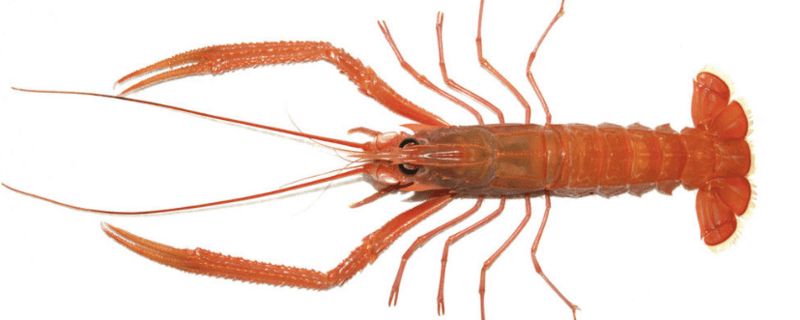
Arthropods have ____________ symmetry.
radial
none
jointed
bilateral
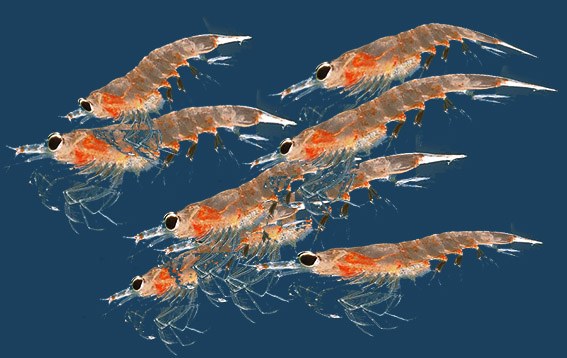
this crustacean is common food for whales and fish in polar waters
amphipods
copepods
krill
barnacles
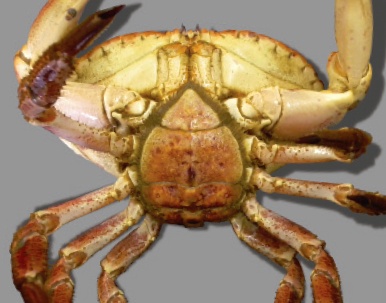
Male crabs have a ____ -shaped abdomen while a female crabs abdomen is ____ -shaped
U;V
W;C
V;U
T;U
The term 'arthropod' literally means
bent leg
jointed foot
bent foot
jointed skeleton
Another name for the pincers/ claws are
swimmeretts
thorax
chelipeds
mandibles
To what phylum do Sea Fans, Sea Cucumbers, and Sea Urchins belong?
Mollusca
To what phylum do Snails, Clams and Squid belong?
Mollusca

What type of echinoderm is this?

What type of echinoderm is this?
sea star

What type of echinoderm is this?
sea star

What are these external, fluid-filled muscular tubes found in echinoderms that serve as organs of locomotion.
Tube feet
Regeneration
Test
Aristotle's Lantern
Sea stars grow back severed limbs.
True
False

To which Phylum does this animal belong to?
Cnidaria
Mollusca
Ctenophora
Porifera

To what phylum does this squid belong?
Porifera
Cnidaria
Mollusca
Ctenophora

To which Class of mollusks does this squid belong?
Cephalopoda
Bivalvia
Gastropoda

To which Class of mollusks do these clams belong?
Cephalopoda
Gastropoda
Bivalvia

To which class of mollusk does this snail belong?
Gastropoda
Bivalvia
Cephalopoda
Polyplacophora

The brown, red and yellow colors seen in this section of squid skin are controlled by what structures?
Iridophores
Leucophores
Photophores
Chromatophores
A network of water filled canals with thousands of tubes connected to it.
tube feet
sea star
water vascular system
endoskeleton
An echinoderm with fragile branched arms.
sea star
brittle star
sea urchin
sand dollar
Echinodermata means...
stomach foot
spiny skin
segmented body
jointed foot
Sand dollars and sea urchins both have mouth structures called...
Plato's Closet.
Aristotle's Lantern.
Socrates' Dentures.
Democritus' Facepalm

tube feet
stone canal
digestive glands
madreporite

Starfish are in the CLASS
asteroidea
echinoidea
crinoidea
echinodermata
Echinoderms are exclusively _____ animals.
marine
terrestrial
freshwater
all of the above

What is this structure, used by mollusks to drill holes into shells of prey, shred flesh or tear through kelp?
Tube feet

