Wayground logo

Free Printable Worksheets

Font size

S
M
L
XL
Worksheets

Ch. 3 & 4 Practice Quiz

Total questions: 54

Worksheet time: 37mins

Name
Class
Date
1.
Mitochondria and chloroplasts are both sites of
a)
energy conversion.
b)
energy manufacturing.
c)
photosynthesis.
d)
protein synthesis
2.
Which model did scientists develop to describe the cell membrane?
a)
phospholipid model. 
b)
dynamic model
c)
fluid mosaic model
d)
transport model
3.
The cell theory states that all organisms are made of cells; cells are the most basic unit of life; and
a)
all existing cells from by  free-cell formation
b)
all cells are eukaryotic
c)
all existing cells are produced by other living cells
d)
all cells have a nucleus.
4.
Which organelles contain enzymes that break down old cell parts?
a)
centrosomes
b)
lysosomes
c)
vacuoles
d)
chloroplasts
5.
As a cell’s size increases, its ratio of surface area to volume decreases.
a)
True
b)
False
6.

Which of the following has the largest surface area to volume ratio?

a)

A

b)

B

c)

C

d)

D

7.
Which of the following is NOT part of the cell membrane?
a)
Lipids
b)
Carbohydrates
c)
Proteins
d)
Nucleic Acids
8.
Which organelle is only found in a plant cell? 
a)
nucleus
b)
chloroplast
c)
mitochondria
d)
cell membrane
9.
Which of the following is directly involved in the transportation of materials inside/within the cell?
a)
Endoplasmic Reticulum
b)
Vacuole
c)
Lysosome
d)
Mitochondria
10.
I am a protein packaging and shipping machine! Who am I?
a)
vacuole
b)
ribosome
c)
mitochondrion
d)
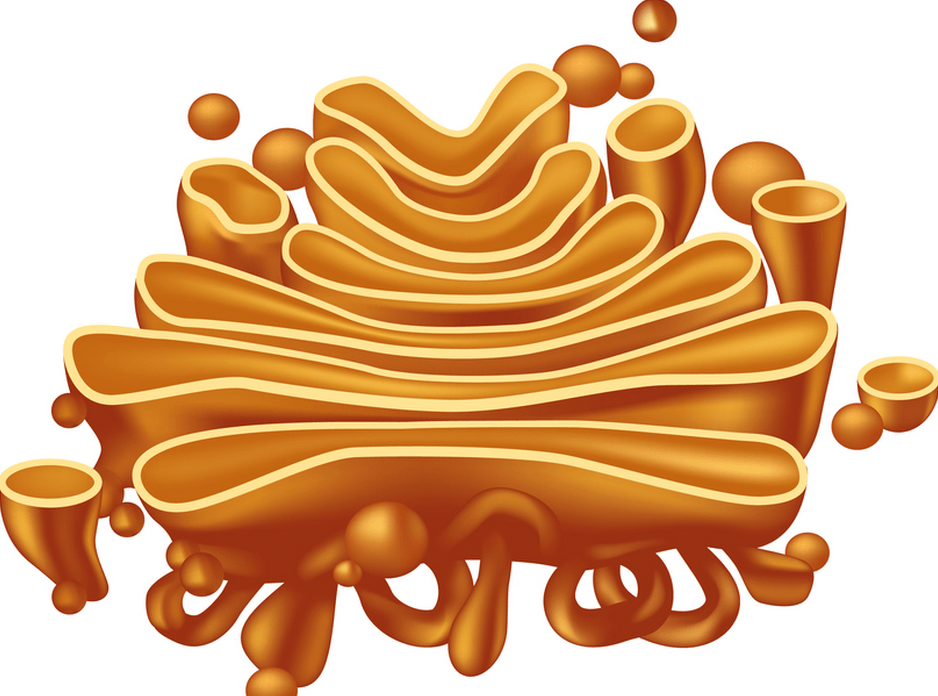
golgi apparatus
11.
What is the name of the genetic material that is inside the nucleus?
a)
ER
b)
ATP
c)
YOLO
d)
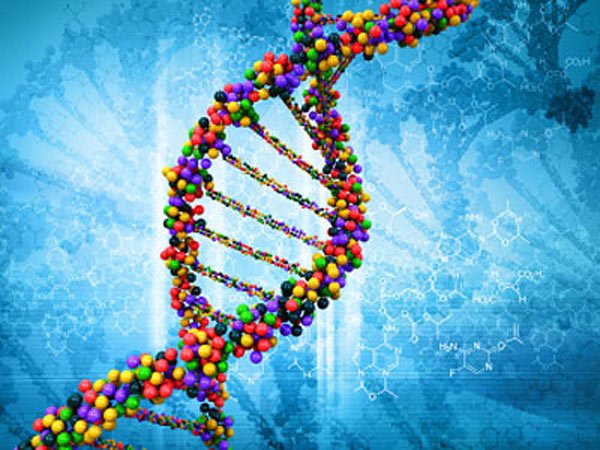
DNA
12.
Which part of the cell is often called "the brain of the cell"?
a)
nuclear membrane
b)
endoplasmic reticulum
c)
nucleus
d)
mitochondria
13.
What is found in both plant and animal cells but is much larger in plant cells?
a)
Nucleus
b)
Mitochondria
c)
Chloroplast
d)
Vacuole
14.
Where are proteins made?
a)
Golgi body
b)
Mitoichondria
c)
Chromosomes
d)
Ribosomes
15.
This organelle takes food and turns it into ENERGY for plant and animal cells.
a)
Chloroplast
b)
Mitochondria
c)
Lysosome
d)
Ribosome
16.
I am the outer most layer of an animal cell. What am I?
a)
cell wall
b)
nucleus
c)
cell membrane 
d)
cell skin
17.
What are tiny organelles that convert glucose into ATP?
a)
Ribosomes
b)
Vesicles
c)
Cytoskeleton
d)
Mitochondria
18.
A rigid layer that lies outside the cell's  membrane is...
a)
Cytoskeleton
b)
Cilia
c)
Cell Wall
d)
Flagella
19.
What organelle is called the "powerhouse" of a cell?

a)
Endoplasmic Reticulum
b)
Nucleus
c)
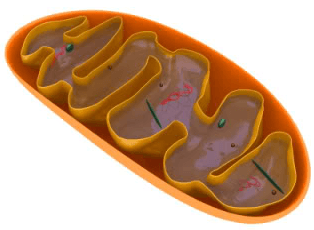
Mitochondria
d)
Nucleolus
20.
What organelle helps with cell digestion?
a)
Lysosomes
b)
Ribosomes
c)
Golgi Complex
d)
ER
21.
 A group of cells that have similar functions? Examples are nervous, epithelial, muscle and connective
a)
cells
b)
tissues
c)
organs
d)
atoms
22.
According to cell theory, where did this cell come from?
a)
another living cell
b)
energy from sun
c)
a multicellular organism
d)
the nonliving environment
23.
What tool do you use to view the cells?
a)
metric ruler
b)
centrifuge
c)
microscope
d)
pipette
24.
Which of the following is NOT a cell theory.
a)
All non-living things are made of cells
b)
All cells come from pre-existing cells
c)
Cells are the basic unit of structure and function of all living things
25.
Chloroplasts carry out...
a)
Phagocytocis
b)
Phylocytosis
c)
Photosynthesis
d)
Respiration
26.
Controls what enters and leaves the cell
a)
Mitochondria
b)
Cell Membrane
c)
Cell Wall
d)
Nucleus
27.
What is the fluid inside a cell called? 
a)
Endoplasimic Reticulum
b)
Orange Juice
c)
Water
d)
Cytoplasm
28.
According to cell theory, where did this cell come from?
a)
another living cell
b)
energy from sun
c)
a multicellular organism
d)
the nonliving environment
29.

Which type of cellular junction form a "quilted seal" between cells?

a)

Tight junctions

b)

Desmosomes

c)

Gap Junctions

30.
What is a tight junction?
a)
When the space between cells are closer together than they normally should be
b)
A chemical reaction
c)
A specialized connection of two adjacent animal cell membranes
31.

A type of inter-cellular connection in which the outermost portions of the two cell membranes have a tight seal together is termed a(n)

a)

tight junction

b)

intermediate junction

c)

gap junction

d)

desmosome

32.
This junction forms an impermeable barrier between cells producing a zipperlike fastening.  Tissues that serve as barriers have these.
a)
Desmosomes
b)
TIght Junctions
c)
Gap Junctions
d)
Plasmodesmata
33.
Allows for a flow of ions to between adjacent heart cells, permitting contractions
a)
Desmosomes
b)
Tight Junction
c)
Gap Junction
d)
plasmodesmata
34.

Which type of cellular junction form a "quilted seal" between cells?

a)

Tight junctions

b)

Desmosomes

c)

Gap Junctions

35.
What is a tight junction?
a)
When the space between cells are closer together than they normally should be
b)
A chemical reaction
c)
A specialized connection of two adjacent animal cell membranes
36.

A type of inter-cellular connection in which the outermost portions of the two cell membranes have a tight seal together is termed a(n)

a)

tight junction

b)

intermediate junction

c)

gap junction

d)

desmosome

37.
This junction forms an impermeable barrier between cells producing a zipperlike fastening.  Tissues that serve as barriers have these.
a)
Desmosomes
b)
TIght Junctions
c)
Gap Junctions
d)
Plasmodesmata
38.
Allows for a flow of ions to between adjacent heart cells, permitting contractions
a)
Desmosomes
b)
Tight Junction
c)
Gap Junction
d)
plasmodesmata
39.
This junction forms an impermeable barrier between cells producing a zipperlike fastening.  Tissues that serve as barriers have these.
a)
Desmosomes
b)
TIght Junctions
c)
Gap Junctions
d)
Plasmodesmata
40.
This junction allows communication between two cells with adjoining plasma membrane channels.
a)
Desmosomes
b)
TIght Junctions
c)
Gap Junctions
d)
Plasmodesmata
41.
Which type of cell junction prevents adjacent cells from being separated or overstretched?
a)
Tight junctions
b)
Gap junctions
c)
Desmosomes
42.
Which type of cell junction prevents materials from passing through the space between adjacent cells?
a)
Tight junctions
b)
Gap junctions
c)
Desmosomes
43.
Which type of cell junction allows chemical messages to travel quickly from cell to cell?
a)
Tight junctions
b)
Gap junctions
c)
Desmosomes
44.
What forms the channels and pumps in the phospholipid bilayer?
a)
Carbohydrates
b)
Proteins
c)
Hydrophilic heads 
d)
Lipids
45.

Which of the following is true of this phospholipid molecule?

a)

The fatty acid tails are polar, hydrophilic molecules.

b)

The phosphate head contains no phosphorus.

c)

The fatty acid tails are non-polar, hydrophobic molecules.

d)

Water passes easily through the fatty acid tails.

46.

Which of the following is the name of the model of the cell membrane that states that the phospholipids, proteins, and other molecules that make up the membrane are not stationary (i.e., they move relative to one another).

a)

Cell impermeability model

b)

Enzyme lock and key model

c)

Theory of relativity

d)

Fluid mosaic model

47.
Hydrophobic region of the cell membrane?
a)
E
b)
B
c)
C
d)
A 
48.
What forms the channels and pumps in the phospholipid bilayer?
a)
Carbohydrates
b)
Proteins
c)
Hydrophilic heads 
d)
Lipids
49.
The function of the plasma membrane is....
a)
to regulate what enters and leaves the cell.
b)
fight bacteria and viruses that enter the cell.
c)
provide rigid support and protection to the cell.
d)
make sure each cell can move
50.
True or False: Phospholipids can move laterally along the plane of the membrane. 
a)
True
b)
False
51.
Why are unsaturated fatty acids able to best keep the membrane more "fluid"?
a)
Unsaturated fatty acids are more polar than saturated fatty acids. 
b)
The kinks in the tails of the unsaturated fatty acids prevent a dense network of lipids. 
c)
Unsaturated fatty acids are solid at room temperature. 
d)
The kinks in the tails of the unsaturated fatty acids make the region more dense. 
52.
What is a phospholipid made out of?
a)
Plasma, Membrane fluid, and Glucose 
b)
Carbohydrates, Proteins, and cholesterol
c)
Ribosomes, Glycerol, and Plasma
d)
Glycerol, Two fatty acids, and a phosphate group
53.
Which type of cell junction allows chemical messages to travel quickly from cell to cell?
a)
Tight junctions
b)
Gap junctions
c)
Desmosomes
54.

What do vacuoles, the nucleus, lysosomes, mitochondria, and chloroplasts all have in common?

a)

They are found in prokaryotic cells

b)

They are surrounded by a lipid membrane

c)

They have hard-to-spell names

d)

They contain DNA