
 Worksheets
SCIENCE PERIODICAL EXAM REVIEWER
Total questions: 115
Worksheet time: 59mins
An inorganic substance found naturally in
the earth.
mineral
sand
water
Made of things that have NEVER been alive
Organic substances
Inorganic substance
Made of things that was ONCE alive
Organic substances
Inorganic substance
A scientist who studies minerals
Archeologist
Geologist
Mineralogist
Crsytal comes from the Greek word kryos which means ____
icy cold
ice
ice stone
cold stone
the color of the mark that is made
when a sample is rubbed on a harder surface.
streak
color
luster
The _____ of a mineral is the way that it reflects light.
streak
color
luster
the color of the mark that is made
when a sample is rubbed on a harder surface.
streak
color
luster
The ______ of a mineral refers to how easily it resists
scratching.
hardness
luster
streak
The breaking of a mineral along smooth,
straight lines or into flat sheets.
Cleavage
Fracture
Hardness
_______ is a gemstone that is beautiful and rare.
Precious stone
Gem stone
Semi Precious stone
________ are more common, or easier to find
than precious stones.
Precious stone
Semi Precious stone
Gem stone
Metals are usually found in rocks called ______.
ores
diamond
clay
_______ uses extreme heat that melts
the metal and separates the rock from
other materials.
Smelting
Excavating
Drying
____ is a hard, natural substance made of one or more
minerals
Rock
Sand
Crystal
______ forms from cooled magma or volcanic lava
Igneious rock
Sedimentary rock
metamorphic rock
______ forms when layers of sediment and organic material hardened
Igneious rock
Sedimentary rock
metamorphic rock
______ forms by heat and pressure deep below the earth’s crust. Combined igneious and sedimentary rocks.
Igneious rock
Sedimentary rock
metamorphic rock
formed into weapons
or cutting tools, jewelry)
Obsidian
Pumice
Granite
Formed from a hardened foamy lava
Obsidian
Pumice
Granite
Used in buildings and monuments
Obsidian
Pumice
Granite
A type of sedimentary rocks that looks like a pebbles that have been cemented together.
sandstone
conglomerate
coal
A type of sedimentary rocks that is formed from a decayed plant matter.
sandstone
conglomerate
coal
An inorganic substance found naturally in
the earth.
mineral
sand
water
Made of things that have NEVER been alive
Organic substances
Inorganic substance
Made of things that was ONCE alive
Organic substances
Inorganic substance
A scientist who studies minerals
Archeologist
Geologist
Mineralogist
Crsytal comes from the Greek word kryos which means ____
icy cold
ice
ice stone
cold stone
the color of the mark that is made
when a sample is rubbed on a harder surface.
streak
color
luster
The _____ of a mineral is the way that it reflects light.
streak
color
luster
the color of the mark that is made
when a sample is rubbed on a harder surface.
streak
color
luster
The ______ of a mineral refers to how easily it resists
scratching.
hardness
luster
streak
The breaking of a mineral along smooth,
straight lines or into flat sheets.
Cleavage
Fracture
Hardness
_______ is a gemstone that is beautiful and rare.
Precious stone
Gem stone
Semi Precious stone
________ are more common, or easier to find
than precious stones.
Precious stone
Semi Precious stone
Gem stone
Metals are usually found in rocks called ______.
ores
diamond
clay
_______ uses extreme heat that melts
the metal and separates the rock from
other materials.
Smelting
Excavating
Drying
____ is a hard, natural substance made of one or more
minerals
Rock
Sand
Crystal
______ forms from cooled magma or volcanic lava
Igneious rock
Sedimentary rock
metamorphic rock
______ forms when layers of sediment and organic material hardened
Igneious rock
Sedimentary rock
metamorphic rock
______ forms by heat and pressure deep below the earth’s crust. Combined igneious and sedimentary rocks.
Igneious rock
Sedimentary rock
metamorphic rock
formed into weapons
or cutting tools, jewelry)
Obsidian
Pumice
Granite
Formed from a hardened foamy lava
Obsidian
Pumice
Granite
Used in buildings and monuments
Obsidian
Pumice
Granite
A type of sedimentary rocks that looks like a pebbles that have been cemented together.
sandstone
conglomerate
coal
A type of sedimentary rocks that is formed from a decayed plant matter.
sandstone
conglomerate
coal
forms when part of an organism decayed and was replaced by minerals that harden into rock
fossil
ice
sediment
the imprint of an organism that has been pressed into a rock
cast
trace fossil
mold
a copy of the shape of an organism formed by fine sediment that has been pressed into a mold
Cast
Mold
Trace Fossil
an image made from a decayed plant or animal pressed onto a rock
cast
mold
carbon film
a fossil of something that an organism left behind, such as a footprint
Cast
Mold
Carbon Fossil
Trace Fossil
Any part or trace of a living organism that is naturally preserved after it dies is a(n) __________.
Fossil
Sediment
Humus
People who believe that life on the earth developed gradually over millions of years are called __________.
Scientist
Geologist
Creationist
Evolutionist
People who believe that God made the earth and all forms of life in six days are called __________.
Scientist
Geologist
Creationist
Evolutionist
To change gradually means to __________.
create
evolve
develop
Most of the fossils formed as a result of the Genesis __________.
1
2
3
Scientific study of Fossils
Biology
Paleontology
Archeology
The process of removing fossils from the rock and other materials around it is called _____.
palenontology
excavation
extinction
Dinosaurs are extinct group of land-dwelling, cold blooded ____
fish
mammals
reptiles
The name dinosaurs comes from the Greek words meaning
terrible lizerds
Ferocious teeth
Tyrant Lizard King
Extinction is when the last of a certain plant or animal _____.
dies
lives
sleeps
Plants anf animals can be fossilized in HARDENED YELLOW PLANT SAP called
amber
permafrost
tar
Permanently frozen soil is called
permafrost
carbon fossil
trace fossil
Fossils that are made from THICK AND HARDENED CRUDE OIL
Tar
Amber
Permafrost
is anything that has
volume and mass.
(a)
another word for matter
(a)
volume of liquids may be measured directly by using a __________.
graduated cylinder
test tube
cup
Standard unit for measurement of liquid
Kilogram (kg)
Liter (L)
meter (m)
smaller unit of Liter (L)
milliliter (mL)
gram (g)
kilometer (km)
Other tools to measure the volume of a Liquid EXCEPT ONE
Measuring spoon
Medicine dropper
Beaker
Ruler
We measure the volume of the solid by ________.
V = L x W x H
V = mL x L
V = kg/g
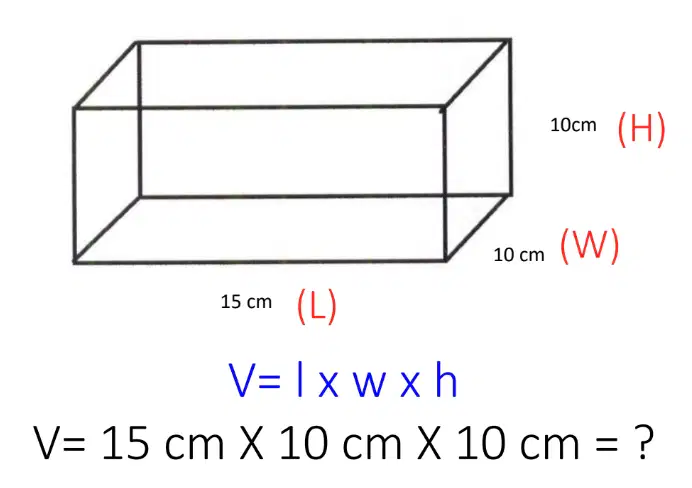
Solve
1500 cm
1500 cm3
1500 cm2
The volume of a solid that has an irregular shape can be measured using the __________.
displacement method
measuring the sides
measuring the volume
A stone has a mass of 60g. It was dropped inside a cylinder with 25 ml water. The water rose up to 32 ml. What is the volume of the object?
7 mL
6 mL
8 mL
The amount of matter in a substance.
Mass
Volume
Weight
Units used for mass (check all that applies)
milligram (mg)
gram (g)
kilogram (kg)
kilometer (km)
________ measures the amount of force gravity
exerts on the matter.
Mass
Weight
volume
It is the amount of matter in a certain volume
Mass
Density
Volume
Most substances have a greater density in a solid form than in a liquid form except water.
True
False
A ____________ is a characteristics of a substance that can be observed without changing the identity of the substance.
physical property
chemical property
solid -> liquid
melting
freesing
evaporation
vaporation
condensation
Molecules speed up, move farther apart, and absorb heat energy
melting
freesing
evaporation
vaporation
condensation
liquid -> solid
melting
freezing
evaporation
vaporation
condensation
Molecules slow down, move closer together, and release heat energy.
melting
freezing
evaporation
vaporation
condensation
Liquid -> Gas
melting
freezing
evaporation
vaporation (boiling)
condensation
It occurs at the boiling point of matter.
melting
freezing
evaporation
vaporation (boiling)
condensation
Liquid -> Gas (gas on the surface of a liquid (occurs at all temperatures). Not necessarily boiling.
melting
freezing
evaporation
vaporation (boiling)
condensation
Molecules speed up, move farther apart, and absorb heat energy.
melting
freezing
evaporation
vaporation (boiling)
condensation
Gas -> Liquid
melting
freezing
evaporation
vaporation (boiling)
condensation
Molecules slow down, move closer together, and release heat energy.
melting
freezing
evaporation
vaporation (boiling)
condensation
Gas -> Liquid
melting
freezing
evaporation
vaporation (boiling)
condensation
the temperature at which a substance changes to a solid
Freezing point
Condensation point
Boiling point
the temperature at which a gas turns to a liquid
Freezing point
Condensation point
Boiling point
Has definite shape and volme
solid
liquid
gas
Has definite volume but no definite shape
solid
liquid
gas
Has no definite shape and volume
solid
liquid
gas
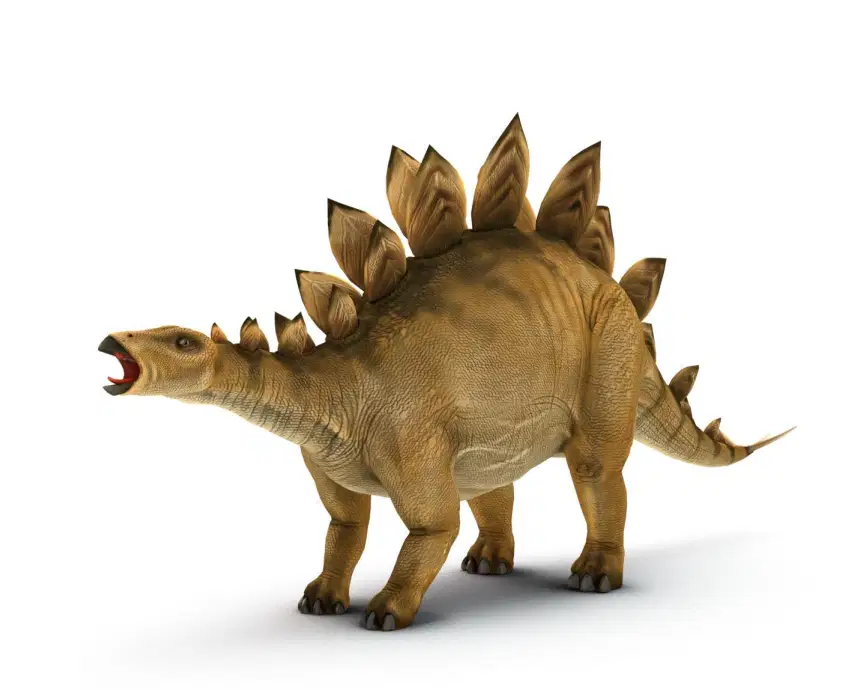
What am I?
Stegosaurus
Spinosaurus
Tyrannosaurus rex
Sauropod
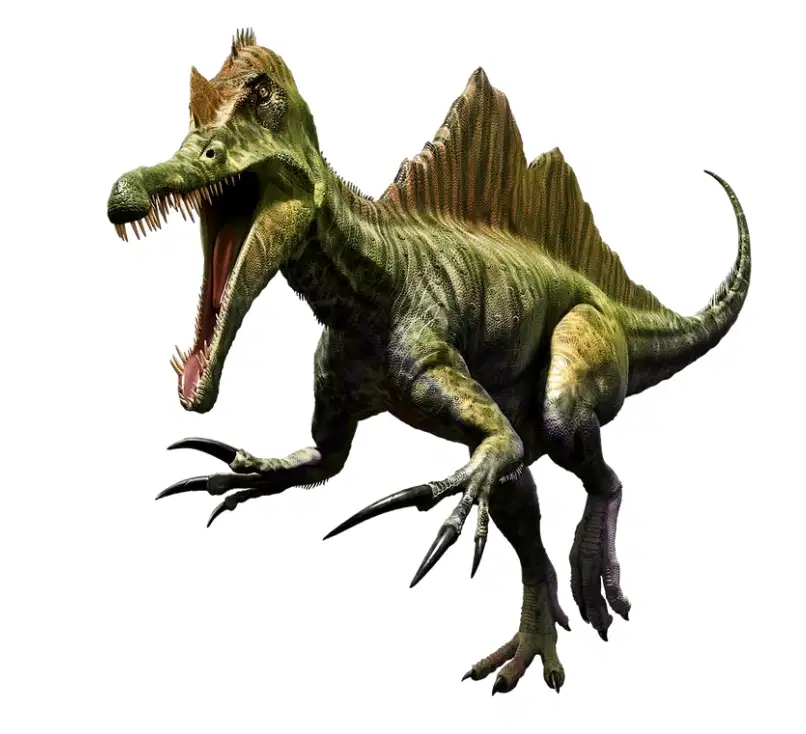
What am I?
Stegosaurus
Spinosaurus
Tyrannosaurus rex
Sauropod
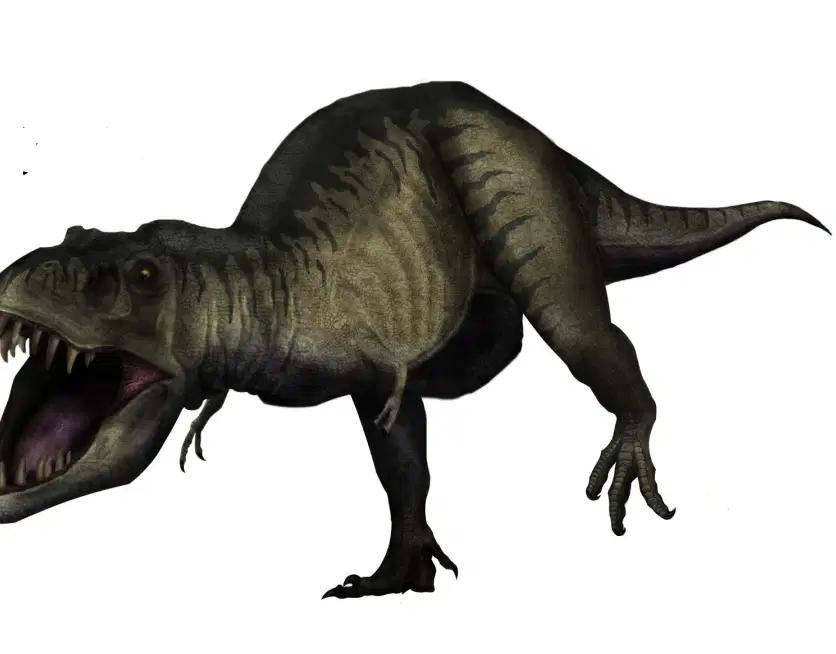
What am I?
Stegosaurus
Spinosaurus
Tyrannosaurus rex
Sauropod
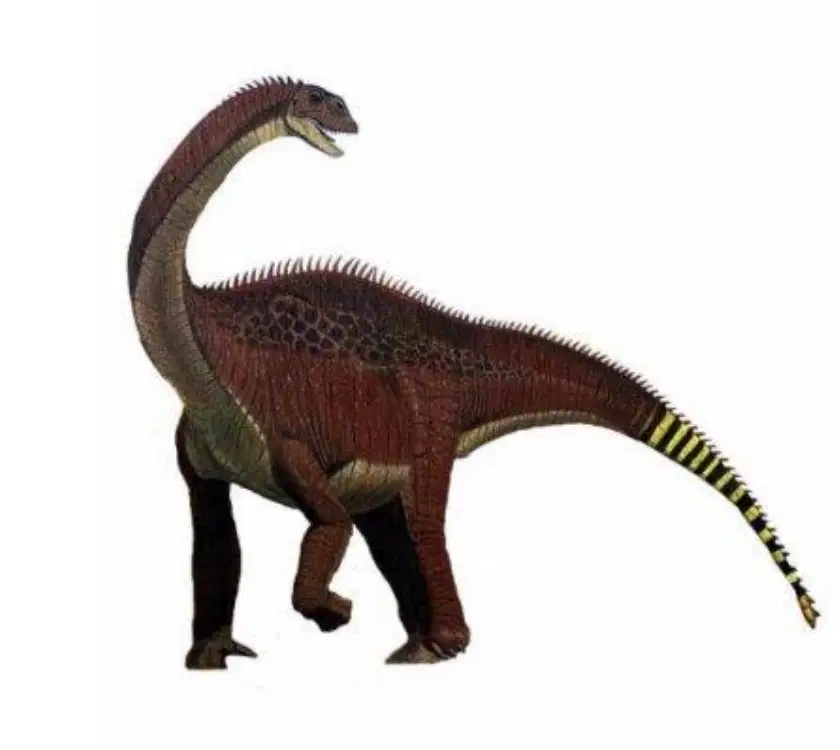
What am I?
Stegosaurus
Spinosaurus
Tyrannosaurus rex
Sauropod
They have Vertical plates of bone arranged down its spine
Stegosaurus
Spinosaurus
Tyrannosaurus rex
Sauropod
They have Bony spikes on its body
Stegosaurus
Spinosaurus
Tyrannosaurus rex
Sauropod
They have Very small arms in comparison to the rest of its body
Stegosaurus
Spinosaurus
Tyrannosaurus rex
Sauropod
Also known as “tyrant lizard king”
It kept its body level and extended its tail as it walked
Stegosaurus
Spinosaurus
Tyrannosaurus rex
Sauropod
They were The largest animal ever to walk the earth (40 m or 130ft - head to tail)
Stegosaurus
Spinosaurus
Tyrannosaurus rex
Sauropod
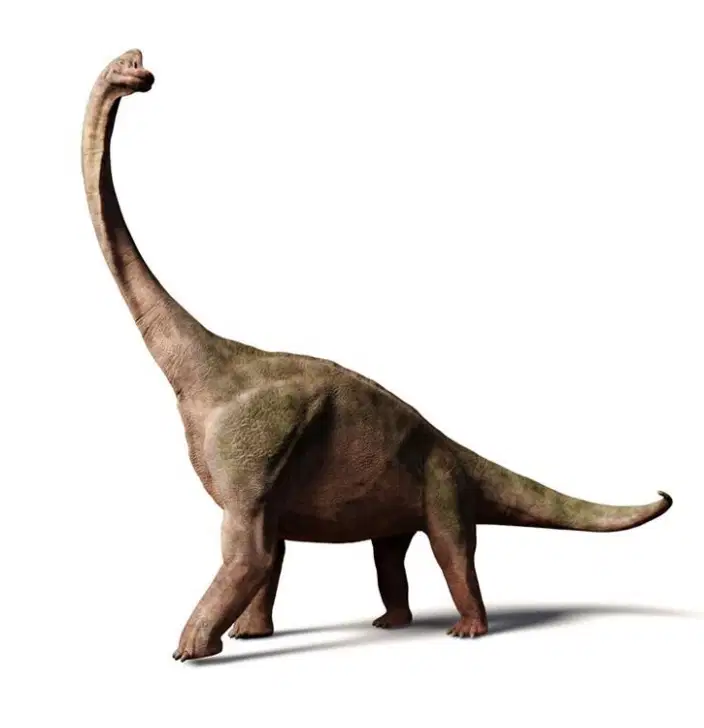
What am I?
Brachiosaurus
Pteranodon
Oviraptor
They Stands erect with its neck straight (43 ft tall)
Brachiosaurus
Pteranodon
Oviraptor
They have wings, with thin boy crest on top of its head
Brachiosaurus
Pteranodon
Oviraptor
It was discovered in Gobi Desert of Mongolia
Before = ”egg stealer”
Now – “egg protector”
Brachiosaurus
Pteranodon
Oviraptor
Has a long pouch under its jaw (fossilized fish bones have been found in this pouch)
Brachiosaurus
Pteranodon
Oviraptor
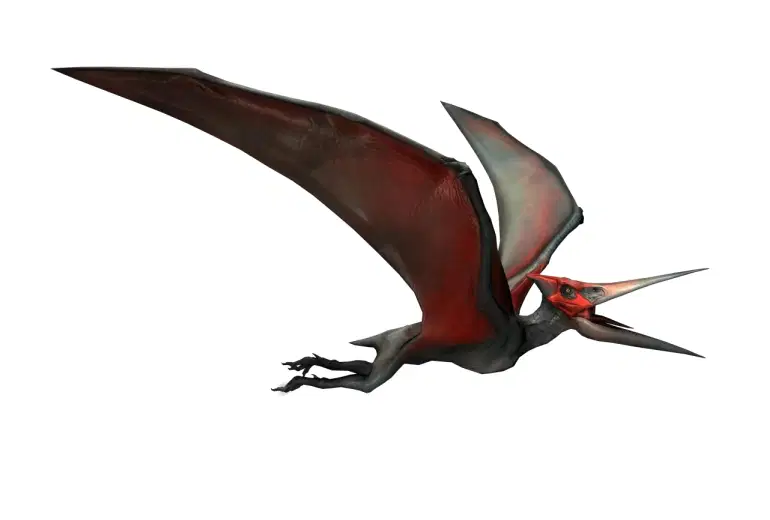
What am I?
Brachiosaurus
Pteranodon
Oviraptor
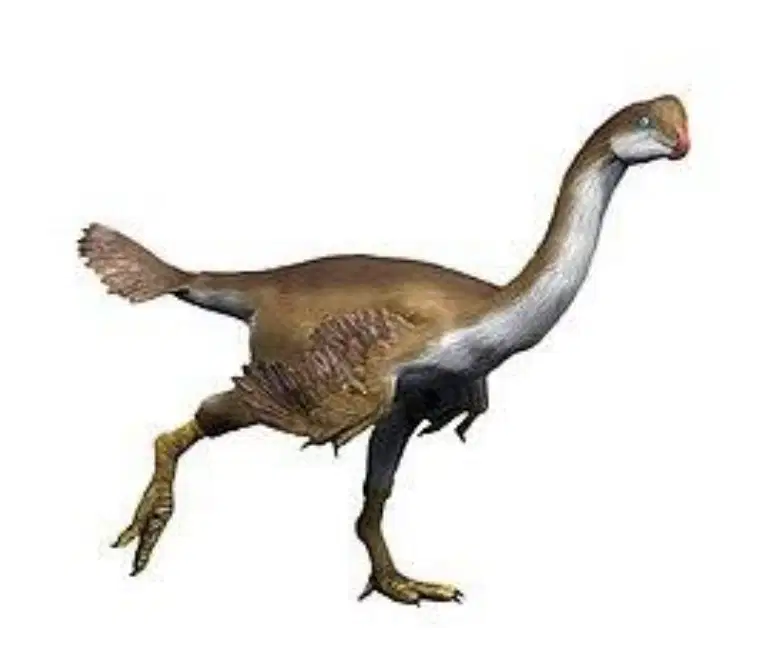
What am I?
Brachiosaurus
Pteranodon
Oviraptor
RICHARD OWEN is a British Scientist who studied the fossils of large animals
True
False
1841, ”Dinosaurs” came from the Greek words “deinos” meaning _______, “sauros” meaning _________.
Terrible, Lizards
Scary Reptiles
Big Lizards
Today, dinosaurs are described as an extinct group of land-dwelling, _______ reptiles.
Cold blooded
Hot blooded

