
Font size
 Worksheets
Biology Midterm
Total questions: 44
Worksheet time: 2hrs 31mins
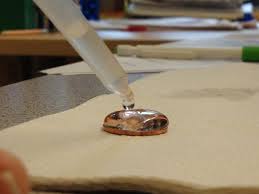
What causes the properties of cohesion and adhesion?
hydrogen bonding
ionic bonding
covalent bonding
friction
Fats, oils and cholesterol are all types of what?
carbohydrates
lipids
proteins
nucleic acids
The element _______is found in all of the organic compounds.
Carbon
Nitrogen
iron
oxygen
The cell membrane is mainly composed of which macromolecule?
lipid
nucleic acid
protein
carbohydrate
Which is not a eukaryote?
fungi cell
bacteria
animal
plant
What is the major difference between a prokaryote and a eukaryote?
prokaryotes do not contain DNA
prokaryotes do not have a nucleus
prokaryotes do not have ribosomes
prokaryotes do not have a cell membrane
What organelle packages and distributes proteins?
endoplasmic reticulum
Golgi apparatus
mitochondria
lysosomes
Which organisms have a cell wall?
plants and bacteria
animals
only plants
only bacteria

Which requires energy?
Osmosis
Active Transport
Passive Transport
Simple Diffusion

The red blood cells in solution B are gaining water so they are in a ____________ environment
Hypotonic
Acidic
Hypertonic
Isotonic

Molecules that need to come through channels into the cell are typically...
Hydrophobic
Polar (charged)
Non-polar
Di-Atomic
A macrophage engulfing and digesting a bacterial cell is an example of:
Endocytosis
Osmosis
Exocytosis
A protein pump
Which of the following processes involves the movement of molecules from high concentration to low concentration?
facilitated diffusion
endocytosis
The products of photosynthesis are
oxygen and water
oxygen and sugar (glucose)
sugar and carbon dioxide
water and carbon dioxide

What is the function of NADPH and ATP?
They power the light-dependent reactions
They are short term energy carriers that go to the dark reaction
They absorb light
They are light reflecting pigments
Which form is high energy?
ADP
ATP
AMP
All of the above
Plants need carbon dioxide from their environment to produce glucose during which stage of photosynthesis?
The light-dependent stage
The Dark Reaction (The Calvin Cycle)
Electron Transport Chain
ATP formation
Which wavelengths of light does chlorophyll absorb the best
Red and blue
Green and blue
Green and red
Green and yellow
Aerobic respiration occurs in which organelle?
chloroplast
mitochondria
ribosome
nucleus
How does the amount of energy resulting from fermentation compare with that of aerobic respiration?
Each process results in equal amounts of ATP.
Aerobic respiration results in more ATP.
Aerobic results in less ATP
Photosynthesis uses carbon dioxide, while cellular respiration produces carbon dioxide.
The overall goal of cellular respiration is to make:
Water
ATP
Glucose
Oxygen
How many ATP are produced during aerobic cellular respiration?
10
36-38
2
20
What is always the first step/process in either type of respiration?
Glycolysis
Electron Transport Chain
Which 2 molecules form the sides (backbone) of the DNA ladder?
deoxyribose sugar and phosphate
deoxyribose sugar and the nucleus
What is the correct complimentary strand for the following DNA?ATCGAG
TAGCTG
TAGCTC

In DNA, which of the following determines the traits of an organism?
Sequence of nitrogen bases
Number of sugars
If the percentage of DNA is made of 30% Thymine, what is the correct percentage of Guanine?
15
20

What is the optimum temperature for this enzyme?
52 degrees Celsius
20 degrees Celsius
What is needed from the Krebs Cycle in order for the Electron Transport Chain to occur?
ATP
FADH2
Which phase of cellular respiration makes the most ATP?
Glycolysis
Electron Transport Chain
a piece of a DNA molecule that contains instructions for making one protein
gene
autosome
Amount of energy in a food pyramid transferred from one level to the next
100%
10%

Match the following:
Producer/Autotroph
Plant
Secondary Consumer
Bird
Tertiary Consumer
Snake
Apex Predator
Owl
Herbivore
Grasshopper
What organisms are found at the base (first level) of an energy pyramid?
secondary consumers
producers
Barnacles grow on whales. Whales give the barnacles a place to live but the barnacles do not help or harm the whale. Which type of relationship is this?
parasitiesm
commensalism
Which of the following is a population?
red foxes in Bridgeport, WV
honeybees, dandelions, grass, and rocks in Bridgeport City Park
Which of the following best illustrates natural selection?
A farmer selects the largest tomato plants to cross for next year's crop
An organism with favorable genetic variations for their environment will tend to survive and breed successfully.
Match the MACROMOLECULES and their MONOMERS.
Hint: Monomer = a single unit
carbohydrate
monosaccharide
protein
amino acid
nucleic acid
nucleotide
This organelle contains digestive enzymes which helps remove waste from the cell
Ribosome
Lysosome
Which statement is true?
Only plant cells have vacuoles
Plant cells have one large vacuole and animal cells have many small vacuoles.
What is the function of the smooth endoplasmic reticulum?
to produce protein
to make lipids
Why does DNA replicate?
To create another copy for the new cell
To create a new copy to replace the damaged original
The process of DNA replication is called semi conservative because it results in
two exact copies with new strands
two identical molecules, each with 1 original strand and one new.

