
 Worksheets
Thermal Energy Quiz
Total questions: 88
Worksheet time: 1hrs 3mins
Thermal energy is the __________ _________ energy of moving particles
total potential
average potential
average kinetic
total kinetic
Temperature is the __________ _________ energy of moving particles
average potential
average kinetic
total potential
total kinetic
Hot things have ____________ thermal energy than cold things
more
less
same
potato
Objects with MORE MASS have______________
lower potential energy
lower number of atoms
higher thermal energy
higher temperature
Temperature is a way we ____________ energy
eat
measure
gain
lose
Cold things often have a _________ kinetic energy because_______
lower; particles are moving around less
lower; particles are moving around more
higher; particles are moving around the same
higher; particles do not move
For objects that have the SAME mass, which object will have a HIGHER thermal energy?
the object with the higher temperature
the object with the lower temperature
the objects will have the same temperature
the objects have no temperature
Which will have the HIGHEST thermal energy?
Hot cup of tea
Cold bathtub water
Huge lake
Warm bowl of soup
Which will have the LOWEST thermal energy?
Large mug of hot coffee
Baby bottle with warm milk
Gatorade jug of cold Gatorade
Large frozen puddle
Objects with MORE MASS have MORE thermal energy because
there are more molecules with energy in bonds
there are less atoms
there is less kinetic energy in the system
there is no potential energy at all
What happens to the molecules inside bridges when temperature increases? Why are there joints with gaps in the structure?
Molecules move more, joints prevent them from hitting each other
Molecules move less, they shrink in size
Molecules move more, joints allow them room to expand without breaking bridge
Molecules are not affected by temperature


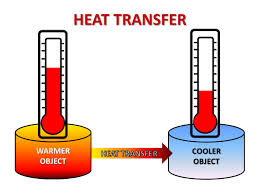



The transfer of thermal energy from a hotter area to a colder area.
liquid
heat
kinetic energy
water vapor
Heat is often measured in units called _____.
temperature
degrees
pounds
newtons
Temperature is a measure of only the _____ of an object’s atoms or molecules, not the thermal energy.
average potential energy
average kinetic energy
kinetic and potential energy
mass

Which glass in the chart has the most thermal energy?
Glass A
Glass B
Glass C
Glass D
A process of heat transfer in which the molecules in substances directly transfer kinetic energy to each other through contact.
conduction
convection
radiation
thermal
A process of heat transfer in which warmer and cooler fluids, such as water, air (gases) or magma, move due to differences in density.
conduction
convection
radiation
thermal
A process of heat transfer using electromagnetic waves.
conduction
convection
radiation
thermal
This type of heat transfer can be transmitted through a vacuum like outer space.
conduction
convection
radiation
thermal
This type of heat transfer is the only type that requires no contact.
conduction
convection
radiation
thermal
Warm air rises and the cool air sinks demonstrates this type of heat transfer.
conduction
convection
radiation
Insolation

When the 2nd story of a house is warmer than the 1st floor of a house is heat transfer through
conduction
convection
radiation
thermal equilibrium

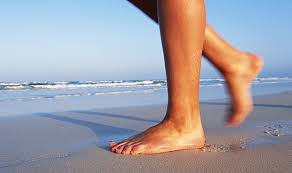
Walking on the warm sand sand with your bare feet demonstrates this type of heat transfer.
conduction
convection
radiation


Warming hand over a fireplace.
A material that reduces the flow of heat is a(n)
conductor
insulator
metal
radiator
All of the following are good conductors of heat EXCEPT
Copper
Iron
Plastic
Aluminum
Which is an example of heat being transferred by conduction?
a furnace heating the air in a school
an ice cube melting in a person’s hand
a pot of water on a stove boiling
the sun heating water in a swimming pool

Conduction
Radiation
Convection
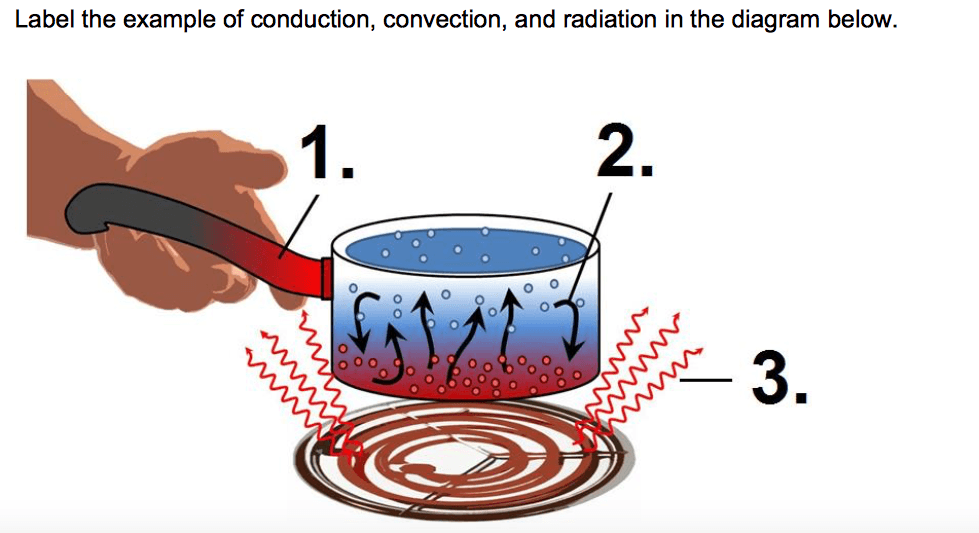
What type of thermal energy transfer is number 1 pointing to?
Convection
Conduction
Radiation
Insulation

What type of thermal energy transfer is number 3 pointing to?
Convection
Conduction
Radiation
Insulation
What type of thermal energy transfer is number 2 pointing to?
Convection
Conduction
Radiation
Insulation
A lava lamp contains colored liquids. These liquids form globs that break off and rise to the top of the liquid. The globs rise due to
Conduction
Convection
Radiation
Insulation
When a volcano erupts, hot molten rock can come to Earth’s surface. This lava burns or melts most things it touches. The lava is so hot it can set a tree on fire even if the tree is several feet away from it. This phenomenon is caused by the process of...
Conduction
Convection
Radiation
On a sunny beach, the sand becomes hot enough to be uncomfortable to your bare feet. However, if a wave washes over the hot sand, the cooler water removes heat from the sand by the process of
Conduction
Convection
Radiation
Even though thermal energy moves (transfers) from one place to another, it is always conserved within a system
True
False
Energy is not created or destroyed, it is transferred to objects or transformed into other forms of energy
True
False
The Law of Conservation of Energy states:
Energy is always created and destroyed.
Energy is never created or destroyed, it is only transformed.
Energy can be created or destroyed but not transformed.
Energy can't be created, destroyed or transformed.
A material that does not transfer heat well is known as a(n)
Conductor
Insulator
Thermal Equilibrium
Thermal Expansion

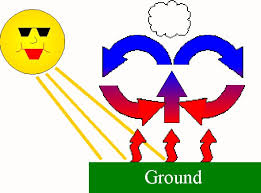
The heating and cooling of air flow shown in the image creates a circular motion known as
Conduction
Convection
Convection current
Radiation
What is absolute zero?
absolute zero is the lowest number on a Celsius thermometer
absolute zero is the lowest number on a Fareheneit thermometer
absolute zero is the negative numbers on the thermometer
absolute zero represents the lowest temperature that is scientifically possible & it is on the kelvin scale
Sadie likes to attend football games, no matter how cold and snowy the weather becomes. At a cold game, she activates a hand warmer and tucks it into the glove she is wearing. She holds her hands together, and before long, her hands are warm. Which best describes how her hands were warmed?
Heat was transformed by radiation, resulting in an increase in energy.
Heat was transformed by convection, resulting in the conservation of energy.
Heat was transferred by conduction, resulting in an increase in energy.
Objects such as a metal spoon or flagpole are known to be good thermal conductors because
conductors allow heat to transfer easily.
conductors do not allow heat to transfer easily.
conductors are always fluids.
You probably use the term heat many times a day. As an example, when you cook dinner, you heat your dinner on a hot stove. When you place a piece of cool metal in the sun, it is heated by the sun’s energy. Why is heat the correct term to use in these examples?
They show that when objects are touching, they are the same temperature.
They show that heat flows from something warmer to something cooler.
They indicate that heat is created to raise the temperature of something.
A boy and his younger sister are at the zoo on a hot day. They each buy a cold lemonade. The boy buys a large lemonade, and his sister buys a small. They set their cups on a hot table and wait a while before they start drinking. When they finally begin to drink their lemonade, the girl complains that her drink is no longer cold. However, the brother states that his larger drink is still cold. Which of the following statements BEST explains why the boy’s drink is still cold but the girl’s drink is not?
The large cup of lemonade has more particles and requires more energy from its surroundings to warm up.
The large cup of lemonade has more particles and requires less energy from its surroundings to warm up.
Both cups of lemonade require the same amount of energy from their surroundings to warm up to the same temperature.

The diagram above represents a thermometer. Which of the following best explains how the thermometer works?
Liquid changes to a gas when heated.
Gas changes to a liquid when heated.
Liquids expand when heated and contract when cooled.
Liquids contract when heated and expand when cooled.
The three scales used to measure temperature are
metric, American and wrong
Celsius, Fahrenheit, and Calvin
Celsius, Fahrenheit, and Kelvin

The diagram above shows a Bunsen burner heating a beaker of water on a beaker stand. The arrows represent the transfer of heat energy in the water. Which process is primarily responsible for the transfer of heat in the beaker as indicated by the arrows in the diagram?
conduction
radiation
convection
condensation
Water’s specific heat is 4,180 and iron’s is 450. Which will heat up faster?
water
iron
oil
air
The energy needed to heat up 1kg of a substance by 1K, is its
temperature
heat
specific heat
thermal heat
Temperature scale starting with absolute zero at 0 is the
coldness scale
Farenheit scale
Celcius scale
Kelvin scale
The metric scale of temperature measurement that the world uses is
Farenheit scale
Celcius scale
Kelvin scale
which is NOT an insulator.
wool
glass
copper
plastic
which one is an insulator?
mechanical pencil
plastic
silver
copper
an insulator is a material that:
slows electrical energy and allows thermal energy to pass
transfers electrical energy and slows thermal energy
transfers thermal and electrical energy
slows thermal and electrical energy from transfering
what is NOT an example of an insulator in the kitchen?
a wooden spoon
pots and pans
a plastic measuring cup
an oven mitt
what is the difference between a conductor and an insulator?
a conductor allows electricity to flow through it easily and an insulator does not.
an insulator allows electricity to flow through it easily and a conductor does not.
a conductor is magnetic and an insulator is not.
an insulator is magnetic and a conductor is not.
a great conductor of energy is:
wood
plastic
cloth
metal
of the items pictured here, which ones are insulators?


Look at the pictures and choose the conductor.



